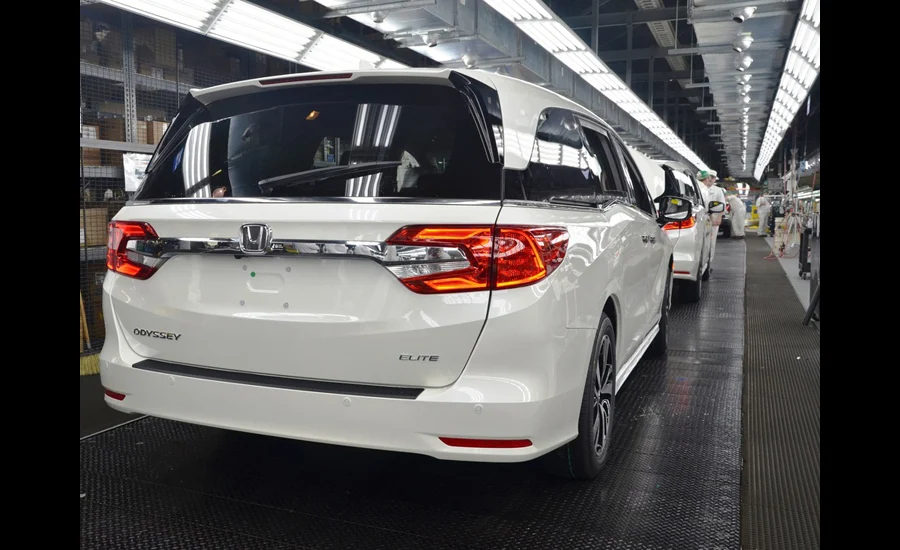
Honda has announced a significant recall affecting 325,000 Odyssey minivans, spanning model years 2018 to 2020, due to a critical defect in the rearview camera system. The automaker has identified that moisture intrusion into the camera housing, stemming from a compromised adhesive bond, can lead to the rearview display blacking out while the vehicle is reversing. This defect poses a substantial safety risk, as it impairs a driver’s ability to safely maneuver in reverse, increasing the potential for collisions. Owners of the affected vehicles are advised to bring their minivans to an authorized Honda dealership, where the faulty camera will be replaced free of charge. This action underscores the complex challenges faced by modern automotive manufacturing, particularly concerning the integration of sensitive electronic components within the vehicle’s external environment.
The Specifics of the Odyssey Recall and Safety Implications
The recall, initiated by Honda, targets a widespread issue where the seal designed to protect the rearview camera’s internal electronics fails. This failure is directly attributed to an inadequately applied or cured adhesive, which, over time and exposure to environmental elements like rain, humidity, and car washes, allows water to seep into the camera unit. Once moisture penetrates, it can short-circuit electrical components, leading to a loss of the camera feed, presenting a blank screen to the driver.
Rearview cameras have become an indispensable safety feature, mandated by federal regulations in the United States for all new vehicles manufactured after May 2018. Their primary function is to provide drivers with a clear, wide-angle view of the area directly behind the vehicle, significantly reducing blind spots and helping to prevent tragic accidents involving pedestrians, particularly children, and objects that might otherwise go unseen. A malfunctioning rearview camera, therefore, not only compromises driver safety but also renders the vehicle non-compliant with federal safety standards. While no injuries have been explicitly linked to this specific defect in the Odyssey minivans, the potential for harm is undeniable, prompting Honda’s proactive recall to mitigate risks.

A Recurring Quality Control Challenge for Honda
This latest recall marks the second instance this year where Honda has faced issues with rearview camera reliability, pointing to a potentially systemic challenge in its manufacturing or component sourcing processes related to adhesive bonding and sealing. Earlier in May, the company recalled nearly 60,000 Honda Prologue and Acura ZDX electric SUVs. The root cause in that previous recall was strikingly similar: a flaw in the camera housing where an improperly bonded adhesive could separate, allowing moisture to reach internal electrical components. This ingress of water resulted in blurry, distorted, or completely blank camera images.
Investigations into the Prologue/ZDX issue traced the adhesive failure to an "improper plasma treatment" of the camera’s bonding surface during manufacturing. Plasma treatment is a critical pre-treatment step in many advanced adhesive applications, particularly for low-surface-energy plastics, which are commonly used in automotive components for their durability and lightweight properties. This process uses ionized gas to clean the surface, remove contaminants, and chemically activate it, thereby increasing surface energy and promoting stronger, more durable adhesion. A failure in this crucial step directly undermines the integrity of the bond, leading to premature failure and, in this case, a significant safety hazard. The recurrence of such an adhesive-related problem across different vehicle platforms suggests a need for a comprehensive review of Honda’s adhesive application protocols, material specifications, and quality assurance processes across its supply chain and assembly lines.
The Mandate of Rearview Cameras and Regulatory Oversight
The impetus for mandating rearview cameras stems from a long history of preventable back-over accidents. According to the National Highway Traffic Safety Administration (NHTSA), back-over crashes cause hundreds of fatalities and tens of thousands of injuries annually in the United States. In response to these alarming statistics and tireless advocacy from safety groups, the "Cameron Gulbransen Kids Transportation Safety Act of 2007" was passed, leading to the finalization of Federal Motor Vehicle Safety Standard (FMVSS) No. 111, "Rear Visibility," in 2014. This standard officially required all new vehicles under 10,000 pounds manufactured after May 1, 2018, to be equipped with rearview camera systems providing a 10-foot by 20-foot field of view directly behind the vehicle.

NHTSA plays a pivotal role in enforcing these regulations, monitoring vehicle safety, and overseeing recall campaigns. When a manufacturer identifies a safety-related defect, or when NHTSA receives a sufficient number of consumer complaints, an investigation is initiated. If a defect is confirmed to pose an unreasonable risk to safety, a recall is mandated. Honda, in this instance, is acting in compliance with these federal regulations, acknowledging the critical importance of a functional rearview camera system for vehicle safety and adherence to the law. The financial and reputational costs associated with such recalls reinforce the necessity for rigorous quality control throughout the entire manufacturing process.
The Intricacies of Adhesive Bonding in Modern Automotive Manufacturing
Adhesive bonding has become a cornerstone of modern automotive manufacturing, replacing or complementing traditional fastening methods like welding, riveting, and mechanical fasteners. Adhesives offer numerous advantages, including the ability to join dissimilar materials, distribute stress more evenly, reduce vehicle weight, improve crashworthiness, enhance aesthetics by eliminating visible fasteners, and provide excellent sealing properties against water, dust, and noise. In applications like camera housings, adhesives are crucial for creating a robust, hermetic seal that protects sensitive electronics from the harsh automotive environment, which includes extreme temperatures, vibrations, and moisture exposure.
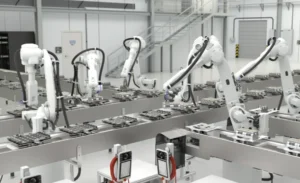
However, the effectiveness of adhesive bonding is highly dependent on precise process control. Factors such as surface preparation, adhesive chemistry, application method, curing conditions (temperature, humidity, time), and post-application testing are all critical. As highlighted by the Honda recalls, improper surface preparation, such as inadequate plasma treatment, can be a fatal flaw. Without proper surface activation, the adhesive may not form a strong chemical bond with the substrate, leading to delamination or a weak interface that fails under stress or environmental exposure. Quality control measures, including automated dispensing systems, inline vision inspection, and destructive or non-destructive testing of bond strength, are essential to ensure the reliability of these critical joints. Manufacturers often rely on sophisticated robotic systems for consistent adhesive application, followed by rigorous inspection using technologies like ultrasonic testing or leak detection systems to verify the integrity of the seals.
Honda’s Response, Broader Industry Implications, and Consumer Trust

In response to the recall, Honda has affirmed its commitment to customer safety and to resolving the issue swiftly and efficiently. Dealerships across the nation have been equipped with the necessary parts and instructions to perform the camera replacements. While the direct cost of parts and labor for 325,000 vehicles is substantial, the indirect costs, including potential brand damage, loss of consumer confidence, and the diversion of engineering and management resources, can be even greater. For an automaker, maintaining a reputation for reliability and safety is paramount, and recurring quality issues, especially those related to federally mandated safety features, can erode that trust.
This situation also casts a spotlight on the broader automotive industry, which increasingly relies on complex electronic systems and advanced manufacturing techniques. As vehicles become more sophisticated, integrating dozens of sensors, cameras, and computing units, the potential points of failure multiply. Manufacturers are under immense pressure to innovate rapidly while maintaining impeccable quality control. Lessons learned from recalls like Honda’s often lead to industry-wide improvements in manufacturing standards, supplier vetting processes, and testing protocols. There is a continuous drive to enhance the robustness of components and assembly processes to withstand the demanding conditions of vehicle operation over many years.
For consumers, recalls are an inconvenience, requiring them to take time out of their schedules to visit dealerships for repairs. More importantly, they raise concerns about the safety and reliability of their vehicles. Prompt and transparent communication from the manufacturer, coupled with efficient recall execution, is crucial in maintaining consumer confidence. Vehicle owners rely on these safety features to perform flawlessly, and any failure, particularly one that impairs fundamental driving tasks like reversing, is a serious matter.
Preventative Measures and the Path Forward
To mitigate similar issues in the future, automotive manufacturers and their suppliers must continue to invest in advanced manufacturing technologies and stringent quality assurance. This includes:

- Enhanced Surface Preparation: Implementing more robust and consistent plasma treatment or other surface activation technologies, coupled with real-time monitoring of process parameters.
- Adhesive Material Science: Utilizing next-generation adhesives that offer improved environmental resistance, adhesion to challenging substrates, and greater tolerance to process variations.
- Automated Application and Inspection: Deploying highly precise robotic adhesive dispensing systems with integrated vision systems for real-time quality checks on bead width, placement, and continuity.
- Inline Testing: Incorporating advanced leak detection systems (e.g., air decay, helium leak detection) directly into the assembly line to identify compromised seals before vehicles leave the factory.
- Supplier Quality Management: Strengthening oversight of component suppliers, ensuring they adhere to the highest standards for manufacturing processes and materials, especially for critical safety components.
- Robust Environmental Testing: Subjecting components and sub-assemblies to extensive environmental testing protocols that simulate years of real-world use under extreme conditions (temperature cycling, humidity, salt spray, vibration) to uncover potential failure modes early in the development cycle.
The Honda Odyssey recall serves as a potent reminder of the intricate balance between technological advancement, manufacturing precision, and unwavering commitment to safety in the automotive industry. As vehicles continue to evolve with more integrated electronics and complex assemblies, the vigilance in quality control, particularly in critical areas like adhesive bonding and sealing, will remain paramount to ensuring the safety and reliability that consumers expect and deserve.