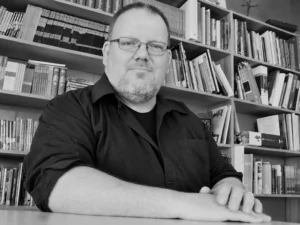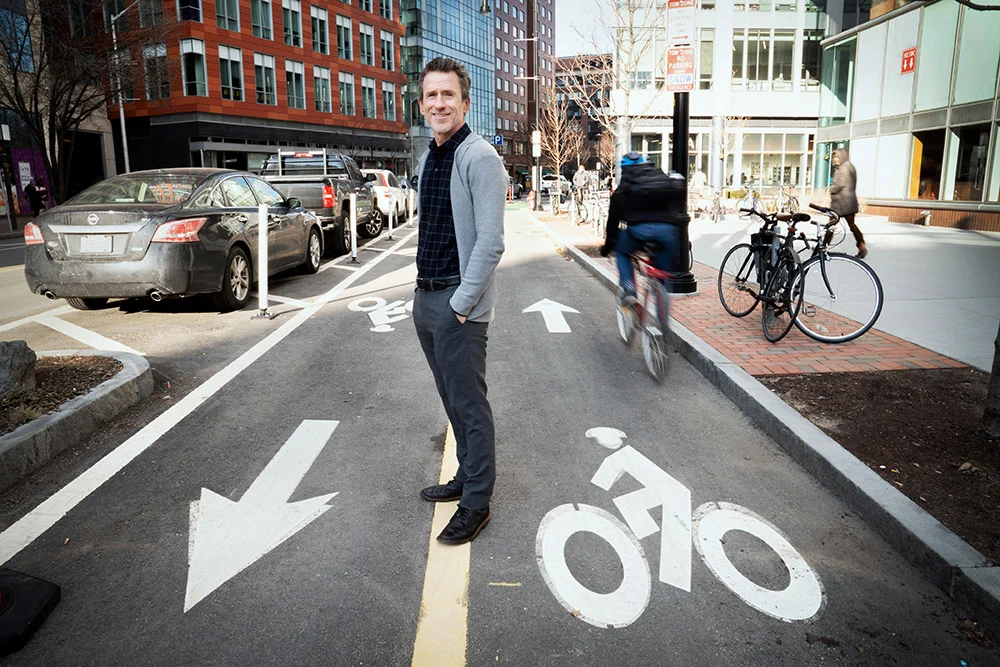
Chris Zegras, a distinguished professor of mobility and urban planning and the current head of the MIT Department of Urban Studies and Planning (DUSP), has been appointed chief executive officer and director of the Singapore-MIT Alliance for Research and Technology (SMART), effective September 1. Zegras succeeds Bruce Tidor, professor of biological engineering and computer science, who has capably served as interim CEO and director since January 2025. This transition marks a significant moment for SMART, an institution that has consistently pushed the boundaries of interdisciplinary research and innovation, fostering critical collaborations between MIT and the vibrant research ecosystem of Singapore.
A New Era of Leadership for SMART
The appointment of Professor Zegras signifies a renewed commitment to SMART’s core mission: to serve as a pivotal international research hub for MIT, driving groundbreaking discoveries and their translation into tangible societal impact. His extensive experience in urban planning, computational technologies, and interdisciplinary leadership, coupled with a deep, personal understanding of SMART’s operational dynamics and research achievements, positions him to lead the alliance into its next phase of growth and influence.
Anantha Chandrakasan, MIT’s provost, announced the appointment in a communication to the MIT community, highlighting Zegras’s "distinguished track record of interdisciplinary leadership and a deep understanding of SMART’s mission and impact." Chandrakasan emphasized that Zegras’s selection "reinforces MIT’s commitment to the alliance, which has advanced innovation and driven global impact, and which remains as important as ever in a time of accelerating technological and global change." This statement underscores the strategic importance of SMART within MIT’s global research strategy, especially in an era characterized by rapid technological advancements and complex global challenges.
Zegras’s Extensive Expertise and Deep Roots at SMART
Professor Zegras brings a wealth of knowledge and a proven leadership capability to his new role. He joined the MIT faculty in 2005 and has held the leadership position of head of DUSP since 2020. His academic pursuits are centered on critical areas that address the complexities of metropolitan mobility. Zegras is renowned for his work in leveraging computational technologies to understand and model human behaviors, a crucial element in developing effective and sustainable urban planning strategies. His research also delves into enhancing strategic planning capabilities, ensuring that urban development is both forward-thinking and responsive to evolving societal needs.
Furthermore, Zegras possesses a long-standing and impactful connection with SMART. His tenure has been marked by significant contributions to collaborative research initiatives. Notably, he played a pivotal role in leading research focused on next-generation mobility sensing and simulation systems. From 2010 to 2020, he served as a principal investigator within the Future Urban Mobility interdisciplinary research group, and from 2016 to 2020, he helmed this group as its lead principal investigator. Under his guidance, this group achieved remarkable milestones, including spearheading Singapore’s first-ever public autonomous vehicle trials. This pioneering work not only advanced the understanding of autonomous systems in real-world urban environments but also contributed significantly to the development and deployment of large-scale urban simulation and visualization systems. The research conducted by the group also served as a catalyst for the formation of several spinoff companies, demonstrating a direct pathway from academic inquiry to commercial application and economic impact.
SMART: A Beacon of International Research Collaboration
Established in 2007 through a strategic collaboration with the National Research Foundation of Singapore, SMART stands as MIT’s sole research center located outside the United States. Its presence within the Campus for Research Excellence and Technological Enterprise (CREATE) in Singapore solidifies its role as a vital platform for fostering robust collaborations between MIT and Singapore’s dynamic research landscape. SMART brings together leading experts and institutions from the United States, Singapore, and the broader region, creating a synergistic environment conducive to world-class research and innovation.
SMART’s operational model is built upon a foundation of interdisciplinary research groups, each led by senior MIT faculty members. This structure ensures a high level of academic rigor and strategic direction across a diverse range of critical research areas. Currently, SMART hosts six distinct research groups, each addressing pressing global challenges:
- Antimicrobial Resistance: Investigating novel approaches to combat the growing threat of antibiotic-resistant bacteria, a major public health concern worldwide.
- Living Cell Therapeutics: Exploring the potential of using living cells as personalized medicines for the treatment and prevention of various diseases, aiming for highly targeted and effective therapeutic interventions.
- AI and Emerging Technologies: Examining the social and institutional challenges that arise from the rapid proliferation of artificial intelligence and other transformative technologies, seeking to ensure responsible development and societal integration.
- New Agricultural Technologies: Developing innovative solutions to enhance agricultural productivity, sustainability, and food security in the face of climate change and growing global demand.
- Wafer-Scale 3D Sensing Technologies: Advancing the capabilities of 3D sensing through wafer-scale integration, opening up new possibilities in areas such as robotics, augmented reality, and industrial automation.
- Wearable Ultrasound Imaging: Pioneering the development of compact and portable ultrasound imaging devices that can be worn, enabling continuous monitoring and diagnostic capabilities in a more accessible and less invasive manner.
Beyond its core research groups, SMART is also home to the SMART Innovation Centre. This vital component of the alliance is dedicated to accelerating the journey of research ideas from the laboratory benchtop to the marketplace. By providing resources, mentorship, and strategic support, the Innovation Centre plays a crucial role in translating groundbreaking discoveries into commercial products and services, thereby maximizing their societal and economic impact.
A Vision for Deeper Collaboration and Accelerated Impact
Professor Zegras expressed his enthusiasm and vision for SMART’s future. "Bringing together leading experts from the U.S., Singapore, and around the world, SMART has established itself as a unique hub for interdisciplinary collaboration and innovation that addresses pressing societal issues," he stated. Reflecting on his prior involvement, Zegras added, "Having experienced firsthand what this distinctive model can achieve, I look forward to building on this strong foundation to deepen collaboration, strengthen our innovation ecosystem, and accelerate the translation of research into meaningful real-world impact."
This statement underscores Zegras’s commitment to fostering an environment of even greater collaboration, both within SMART and with its broader network of partners. His focus on strengthening the innovation ecosystem suggests an intent to further streamline the process of commercialization and to encourage the development of new ventures emerging from SMART’s research endeavors. The emphasis on "accelerating the translation of research into meaningful real-world impact" highlights a strategic imperative to ensure that SMART’s scientific breakthroughs translate into tangible benefits for society.
Broader Implications and Future Outlook
The appointment of Professor Zegras comes at a time when international scientific collaboration is more critical than ever. Global challenges such as climate change, pandemics, and the ethical implications of emerging technologies require concerted, interdisciplinary efforts that transcend national borders. SMART, with its unique position bridging the expertise of MIT and the strategic focus of Singapore, is exceptionally well-positioned to address these challenges.
Zegras’s background in urban mobility and planning is particularly relevant in today’s rapidly urbanizing world. As cities grapple with issues of sustainability, efficient transportation, and the integration of new technologies, his leadership at SMART could catalyze significant advancements in these fields. The research conducted at SMART, from AI and sensing technologies to new agricultural solutions, has the potential to shape the future of urban living, resource management, and human well-being.
The success of SMART is not only a testament to the strong partnership between MIT and Singapore but also a model for how research institutions can foster global innovation. By bringing together diverse perspectives and pooling resources, SMART has consistently demonstrated its capacity to generate high-impact research. Under Professor Zegras’s leadership, the alliance is poised to further solidify its position as a global leader in addressing the world’s most pressing challenges through collaborative, cutting-edge research and development. The transition in leadership signals a continued trajectory of excellence and innovation, building upon a decade and a half of impactful contributions.