
In an era defined by increasing scrutiny of the technology sector’s impact on the younger generation, the Raspberry Pi Foundation has unveiled a comprehensive set of eight guiding principles designed to prioritize the safety, wellbeing, and digital rights of children. This move comes at a critical juncture for the educational technology (EdTech) industry, which is currently grappling with a crisis of public trust fueled by concerns over data privacy, algorithmic manipulation, and the long-term effects of screen time on adolescent mental health.
The Foundation, a global leader in computing education, asserts that the responsibility for building safe and ethical technology is intrinsic to its mission. By codifying these principles, the organization aims to provide a transparent roadmap for its own product development while challenging the broader sector to adopt higher standards. The initiative arrives as governments worldwide move toward stricter regulations, including school phone bans and age-verification requirements for social media platforms.
The Context of a Shifting Digital Landscape
The announcement follows a decade of rapid, often unregulated growth in the EdTech sector, a trend that accelerated dramatically during the COVID-19 pandemic. While digital tools have provided unprecedented access to information, a growing body of empirical research has linked prolonged exposure to social media and certain algorithmic platforms with declining mental health, reduced attention spans, and social isolation among youth.
Public sentiment has shifted in tandem with these findings. Parents, educators, and policymakers are no longer viewing technology as a neutral tool but as an environment that can be designed to either foster growth or embed harm. In 2023, UNESCO released a landmark report recommending a global ban on smartphones in schools to address classroom disruption and cyberbullying. Similarly, the United Kingdom’s Department for Education has issued guidance to support headteachers in prohibiting phone use throughout the school day.
The Raspberry Pi Foundation’s response is rooted in the belief that technology can be a force for good, provided it is developed through a "calm, evidence-led" approach. The Foundation acknowledges that the technology sector can no longer take public trust for granted and must actively demonstrate its commitment to the best interests of the child.
A Chronology of Research-Led Development
The development of these eight principles did not occur in a vacuum. The Foundation has long positioned itself as a research-led entity, drawing on decades of academic study regarding child-computer interaction. The current framework is a culmination of several years of internal evaluation and external collaboration.
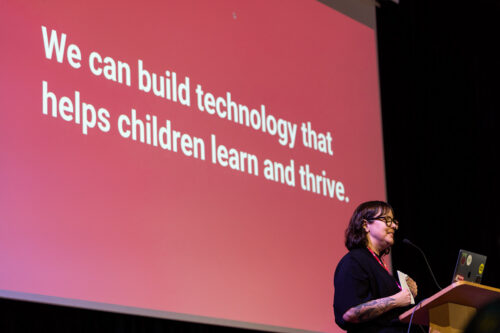
In July 2024, during the Raspberry Fields summit in Cambridge, Laura Kirsop, a senior leader at the Foundation, presented the draft principles to an audience of educators and technologists. This presentation marked the beginning of a public-facing phase for the initiative, moving the conversation from internal policy to a global call for feedback.
The Foundation’s approach is heavily influenced by established international frameworks. These include the United Nations’ General Comment No. 25 (2021), which clarifies how the Convention on the Rights of the Child applies to the digital world, and UNICEF’s Responsible Innovation in Technology for Children (RITEC) framework. By aligning with these standards, Raspberry Pi ensures that its principles are not merely internal preferences but are grounded in recognized international law and human rights.
The Eight Principles of Ethical EdTech
The core of the Foundation’s announcement is a set of eight commitments that will govern the design, execution, and maintenance of its products, including its popular Code Editor and various educational platforms.
1. Prioritizing the Best Interests of the Child
The Foundation asserts that children’s wellbeing must take precedence over commercial metrics such as user growth, engagement time, or speed of deployment. This principle encompasses emotional health, personal agency, and the preservation of "space to create" without the pressure of algorithmic rewards.
2. Supporting Human Relationships
In a direct response to the rise of automated tutoring and AI-driven platforms, the Foundation maintains that technology should strengthen, not replace, the bonds between students, teachers, and caregivers. Any AI integration must be designed to facilitate human connection, ensuring that machines do not make autonomous decisions regarding a child’s learning path or emotional state.
3. Data Minimization and Privacy
Data privacy remains a paramount concern. Statistics from the 5Rights Foundation indicate that by the time a child reaches the age of 13, approximately 72 million pieces of personal data have been collected about them by various digital services. Raspberry Pi commits to collecting only the minimum data required for educational efficacy and impact measurement, with a strict prohibition on the sale of user data.
4. Evidence-Based Design for Learning
The Foundation pledges to avoid "persuasive design" tactics—features intended to keep users hooked through dopamine loops. Instead, products are designed based on cognitive science and pedagogical research, with continuous evaluation to ensure they deliver actual learning outcomes.
5. Co-Design with Users
Moving away from a "top-down" development model, the Foundation involves children and educators directly in the research and testing phases. This ensures that the technology addresses the real-world needs of the classroom rather than the assumptions of developers.
6. Accessibility and Diverse Contexts
The principles recognize that digital environments vary wildly across the globe. The technology is designed to be inclusive of different abilities and adaptable to varying levels of connectivity. This is particularly relevant in the "Global South," where constant high-speed internet access cannot be assumed.
7. Transparency and Accountability
The Foundation commits to using plain language to explain its data usage and algorithmic functions. Furthermore, it promises to provide clear channels for users to challenge or question decisions made by its systems, ensuring a level of human-in-the-loop accountability.
8. Universal High Standards
In a significant move for a global organization, Raspberry Pi states it will apply the highest international standards of children’s rights everywhere it operates. If local regulations in a particular country are weaker than international best practices, the Foundation will default to the higher standard, ensuring a child’s rights are not dictated by geography.
Supporting Data and Industry Implications
The necessity of such a framework is underscored by recent data regarding the digital lives of children. According to the 2023 Ofcom Media Use and Attitudes report, 97% of children in the UK own a smartphone by the age of 12. Simultaneously, the US Surgeon General issued an advisory warning that there are "ample indicators" that social media can have a profound risk of harm to the mental health and well-being of children and adolescents.
The EdTech market is projected to reach a valuation of several hundred billion dollars by the end of the decade. However, much of this growth is driven by venture capital-backed startups that prioritize "stickiness" and rapid scaling. Raspberry Pi’s move represents a divergence from this model, suggesting that a non-profit, mission-driven approach may be the only way to ensure safety is not compromised for profit.
The Foundation’s commitment to "data minimization" is also a direct challenge to the "surveillance capitalism" model. By refusing to monetize data, Raspberry Pi sets a precedent that could influence future regulatory requirements in the UK’s Online Safety Act and the EU’s Digital Services Act.
Official Responses and Strategic Outlook
While the Foundation admits that it has not yet "got everything right," it views the publication of these principles as a statement of intent. The organization is currently mapping the regulatory landscapes of the various countries in which it operates to ensure compliance and leadership in digital safety.
Philip Colligan, CEO of the Raspberry Pi Foundation, has previously emphasized that the organization’s goal is to empower young people to be creators of technology, not just passive consumers. This philosophy is evident in the new principles, which focus heavily on agency and creativity.
The Foundation has issued a call to action for other organizations, researchers, and policymakers. It seeks to build a coalition of like-minded entities to share findings and raise the "floor" of safety standards across the entire EdTech sector. This collaborative approach is seen by industry analysts as a necessary step to prevent the fragmentation of safety standards.
Conclusion and Future Implications
The introduction of these eight principles marks a significant evolution for the Raspberry Pi Foundation. It signals a transition from a hardware-and-curriculum provider to a proactive advocate for digital rights. As AI continues to permeate the educational landscape, the Foundation’s stance on human-centric technology will likely become a benchmark for others to follow.
The success of this initiative will depend on its implementation. The Foundation has committed to ongoing assessment and transparency, promising to update its principles as technology and research evolve. For the broader tech industry, the message is clear: the era of taking public trust for granted is over, and the future of technology must be built on a foundation of safety, evidence, and respect for the rights of the next generation.