The Raspberry Pi Foundation, a global leader in computing education, has announced a comprehensive set of eight guiding principles designed to ensure that its educational technology (EdTech) products are built safely, responsibly, and with the best interests of young people at the forefront. This initiative comes at a critical juncture for the technology sector, as a mounting body of scientific research and public discourse links the proliferation of social media, smartphones, and algorithmic platforms to a decline in mental health and cognitive attention spans among children and adolescents. By codifying these principles, the Foundation seeks to address the erosion of public trust in digital tools and provide a blueprint for ethical innovation in the educational sphere.
As millions of students and educators worldwide integrate Raspberry Pi’s hardware and software into their daily learning environments, the organization is positioning itself as a proactive defender of children’s digital rights. The move follows a year of intense global debate regarding the role of technology in schools, characterized by widespread smartphone bans and increasing legislative pressure on tech giants to prioritize safety over engagement metrics. The Raspberry Pi Foundation’s new framework signals a departure from the "move fast and break things" ethos of Silicon Valley, opting instead for a research-led, evidence-based approach to product development.
The Context of the Digital Crisis and the Shift in Public Sentiment
The release of these principles is a direct response to a changing global landscape. For years, educators and child development experts have warned that technology is not a neutral tool; rather, the architectural choices made by designers can either foster healthy development or embed systemic harm. According to the UNESCO 2023 Global Education Monitoring Report, approximately one in four countries have introduced bans or restrictions on smartphone use in schools, reflecting a growing consensus that unregulated digital access can disrupt learning and exacerbate social anxiety.
Furthermore, the data-intensive nature of modern childhood has become a point of significant concern. Research cited by the 5Rights Foundation indicates that by the time a child reaches the age of 13, digital platforms have collected an average of 72 million pieces of personal data about them. This "datafication" of childhood not only raises privacy concerns but also allows for the creation of sophisticated profiles that can be used for targeted advertising or algorithmic manipulation. In this climate, the Raspberry Pi Foundation’s commitment to data minimization represents a significant pivot toward protecting the digital sanctity of the classroom.
A Chronology of Research-Led Development
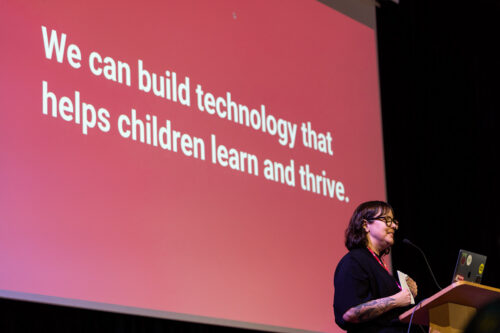
The Raspberry Pi Foundation has long maintained that its mission is rooted in social impact rather than profit maximization. This latest announcement is the culmination of years of internal evaluation and external collaboration. The foundation’s journey toward this formal ethical framework gained significant momentum in July 2026 at the Raspberry Fields summit in Cambridge. During this event, Laura Kirsop, a senior leader within the organization, presented the draft principles to an audience of international researchers and practitioners, emphasizing that technology must help children "learn and thrive" rather than merely "consume."
The framework was not developed in a vacuum. The Foundation has explicitly aligned its strategy with several landmark international standards, including:
- UN General Comment No. 25 (2021): A definitive framework explaining how the UN Convention on the Rights of the Child applies to the digital environment.
- UNICEF’s Responsible Innovation in Technology for Children (RITEC): A methodology for embedding wellbeing into the design process.
- The Digital Futures Commission’s Child Rights by Design: Practical guidance for translating legal rights into technical requirements.
By standing on this existing body of research, the Raspberry Pi Foundation is attempting to bridge the gap between academic theory and technical implementation, providing a tangible example of how high-level human rights can be integrated into software code and hardware design.
The Eight Principles: A New Standard for EdTech
The Foundation’s framework is centered on eight core pillars that will now govern the development of all products, including its popular web-based Code Editor and various learning platforms.
1. Prioritizing the Best Interests of the Child
The Foundation asserts that children’s wellbeing—encompassing emotional health, agency, and social relationships—must take precedence over business metrics such as user growth or platform engagement. This principle suggests that the organization is willing to forgo features that might increase "time on site" if those features are deemed detrimental to a child’s development.
2. Supporting Human Relationships
In an era where artificial intelligence is increasingly touted as a replacement for human instruction, Raspberry Pi’s second principle is a firm rebuttal. The Foundation maintains that technology should strengthen, not replace, the bonds between students, teachers, and parents. AI and personalized features are viewed as tools to empower educators rather than autonomous systems that make unilateral decisions about a child’s learning path.
3. Ethical Data Collection and Privacy
Vowing to never sell user data, the Foundation has committed to collecting only the absolute minimum amount of information necessary for functional learning and impact measurement. This "privacy by default" stance is designed to shield children from the pervasive tracking that characterizes much of the commercial internet.
4. Evidence-Based Learning and Impact
The organization rejects "gamification" techniques that use dopamine loops to keep users hooked. Instead, product designs must be grounded in pedagogical research. The Foundation intends to rigorously evaluate its tools to ensure they deliver actual educational value rather than just high engagement numbers.
5. Collaborative Design with Stakeholders
Recognizing that children and teachers are the true experts on their own needs, the Foundation has pledged to involve them directly in the research and testing phases of product development. This ensures that the final output is shaped by the lived experiences of those in the classroom.
6. Designing for Diversity and Inclusion
This principle acknowledges that access to technology is not uniform. The Foundation’s tools are designed to be adaptable to various levels of connectivity, digital literacy, and physical ability, ensuring that marginalized communities are not left behind by technological "progress."
7. Transparency and Accountability
To combat the "black box" nature of modern software, the Foundation will use plain language to explain how its algorithms work and how data is processed. It also promises to provide clear channels for users to challenge or question automated decisions.
8. Global Application of High Standards
Perhaps most significantly, the Foundation has committed to applying the highest international standards of children’s rights across all jurisdictions. In regions where local regulations are weak or outdated, the organization will adhere to more stringent international best practices, ensuring that a child’s digital safety is not determined by their geography.
Official Responses and Stakeholder Perspectives
While the tech industry has historically resisted self-regulation, the Raspberry Pi Foundation’s move has been met with cautious optimism from educational advocates and policymakers. "For too long, the EdTech sector has operated under the assumption that any digital tool is a good tool," noted one educational analyst following the announcement. "By explicitly stating that they will choose wellbeing over growth, Raspberry Pi is challenging the fundamental business model of the digital age."
Inferred reactions from the teaching community suggest a high demand for such frameworks. Educators have frequently expressed frustration with platforms that prioritize "distraction over instruction." By providing tools that are transparent and relationship-focused, the Foundation is directly addressing the primary pain points of modern teaching.
The Foundation itself remains humble about the task ahead. In its official statement, the organization acknowledged that it is "committed, not perfect," recognizing that the rapid pace of technological change and evolving regulations will require constant vigilance and adaptation.
Broader Impact and Industry Implications
The implications of this framework extend far beyond the Raspberry Pi ecosystem. As one of the most respected names in global education, Raspberry Pi’s adoption of these principles sets a new benchmark for the EdTech industry. If successful, this model could force other providers to justify their own design choices and data practices.
Furthermore, the Foundation’s call to build a "coalition of like-minded organisations" suggests an ambition to spark a broader movement. By sharing its findings and methodologies, Raspberry Pi aims to raise the standard for the entire sector, moving toward a future where "safety by design" is not an optional feature but a foundational requirement.
The success of this initiative will ultimately be measured by its implementation. As the Foundation maps the regulatory landscapes of the various countries in which it operates, it will face the challenge of balancing these high ethical standards with the practical realities of global distribution. However, by grounding its work in the established rights of the child, the Raspberry Pi Foundation is providing a necessary moral compass for the next generation of educational innovation. In a world increasingly skeptical of the benefits of pervasive technology, this research-led approach may be the only way to ensure that the digital future remains a bright one for the world’s youth.