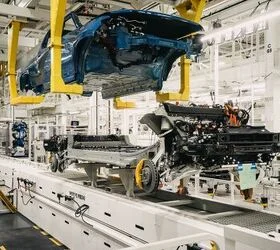
Rivian Automotive, Inc. (NASDAQ: RIVN) has announced robust second-quarter financial results that surpassed analyst expectations, driven by strong revenue growth and an optimistic outlook bolstered by the early success of its new R2 model. The electric vehicle manufacturer not only exceeded revenue forecasts but also significantly raised its full-year production guidance, signaling a potential turning point in its journey toward profitability. This positive performance comes as the company navigates the increasingly competitive EV landscape and focuses on scaling its production capabilities.
Strong Q2 Performance Exceeds Market Projections
Rivian reported second-quarter revenue of $1.66 billion, representing a substantial 27 percent increase year-over-year. This figure comfortably beat the consensus analyst estimate, signaling a healthy demand for its existing R1T pickup trucks and R1S SUVs, and, critically, the initial traction of its newer R2 model. The automotive segment, the core of Rivian’s business, saw a significant 23 percent increase in revenue through the second quarter, underscoring the growing acceptance of its product offerings.
The company also achieved a notable turnaround in its gross profit, posting $179 million for Q2. This marks a significant $385 million improvement compared to the same period in the previous year, indicating enhanced operational efficiencies and potentially better cost management in its manufacturing processes. While the automotive business itself still incurred a $35 million loss, this represents a considerable reduction from the $335 million loss recorded in Q2 of the prior year.
When accounting for all credits and offsets, Rivian’s net loss for the quarter was $837 million. Although still substantial, this figure shows an improvement from the $1.12 billion net loss reported in the second quarter of 2025, reflecting a continued effort to streamline operations and reduce overall expenditures.
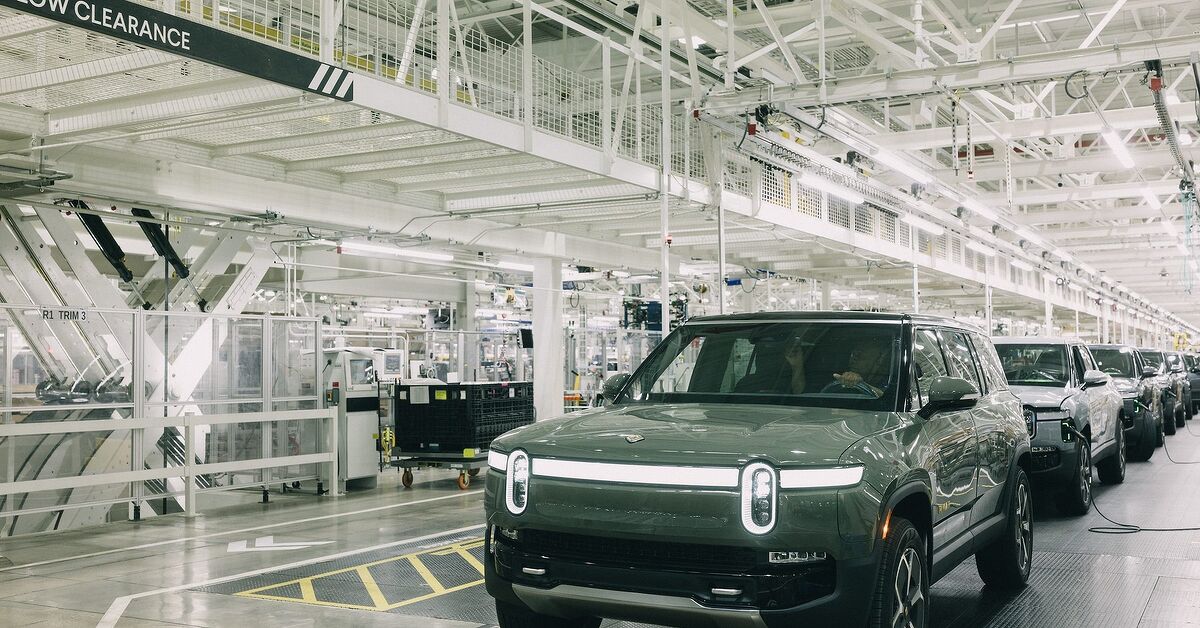
R2 Launch Ignites Optimism and Production Forecast Hike
A key driver behind Rivian’s elevated outlook is the overwhelmingly positive initial response to its R2 vehicle. The company has commenced external deliveries of the R2, which is positioned as a more accessible and versatile option compared to its R1 series. Rivian’s leadership expressed considerable optimism about the R2’s potential to become a "game changer" and a significant contributor to the company’s long-term growth and profitability.
"This quarter we began external deliveries of R2. I believe R2 will be a game changer for our customers and a driver of Rivian’s long-term growth and profitability," stated RJ Scaringe, Rivian’s founder and CEO, in a company release. He further emphasized the strong market reception, noting that Rivian hosted over 57,000 demo drives in the second quarter, a company record. "The U.S. automotive marketplace is starved for high-quality EV choice, and I believe R2 is an attractively priced option for everyday adventures that will resonate with a broad set of consumers," Scaringe added.
Based on this early enthusiasm and the projected demand, Rivian has revised its full-year production forecast upwards. The company now anticipates producing between 65,000 and 70,000 vehicles, an increase of 3,000 vehicles on both ends of its previous prediction. This upward revision signals increased confidence in their manufacturing capacity and supply chain management to meet higher demand.
Software and Services Emerge as a Significant Revenue Stream
Beyond its core vehicle manufacturing, Rivian’s software and services division is demonstrating impressive growth, contributing significantly to its overall revenue. In the second quarter, this segment generated $515 million, a substantial 37 percent jump. This growth is attributed to various factors, including advancements in vehicle electrical architecture and software development services, increased vehicle repair and maintenance services, and the performance of its "Autonomy+" offering. These gains were partially offset by lower remarketing sales.
A notable portion of this revenue, specifically $308 million or 60 percent of the software and services total, is derived from Rivian’s joint venture with Volkswagen Group. This strategic partnership continues to be a crucial element in scaling Rivian’s software capabilities and generating recurring revenue streams. The growing importance of this segment highlights Rivian’s strategy to diversify its revenue beyond vehicle sales and leverage its technological expertise.
Background and Context: Navigating the EV Landscape
Rivian emerged as a prominent player in the burgeoning electric vehicle market with ambitious plans to challenge established automakers and Tesla. The company initially focused on the premium adventure vehicle segment with its R1T pickup truck and R1S SUV. However, the high cost of production and the intense competition within the EV space have presented significant financial challenges.
The introduction of the R2 marks a strategic shift for Rivian, aiming to capture a broader market segment with a more affordable and versatile vehicle. This move is crucial for the company’s long-term sustainability, as it seeks to achieve economies of scale and improve its financial performance. The R2 is designed to compete in a segment with substantial growth potential, appealing to a wider range of consumers looking for practical and capable electric vehicles.
The company’s financial performance in the second quarter reflects the ongoing efforts to optimize its production processes, control costs, and drive revenue growth. The turnaround in gross profit is a positive indicator of improved manufacturing efficiency, while the continued reduction in net loss suggests progress toward profitability.
Analysis of Implications and Future Outlook
Rivian’s strong second-quarter performance and optimistic production forecast are significant developments for the company and the broader EV industry.
- Validation of R2 Strategy: The early success of the R2 underscores the market’s demand for more accessible and versatile EVs. If this trend continues, the R2 could become a cornerstone of Rivian’s future growth, helping to increase sales volume and drive economies of scale.
- Path to Profitability: While still operating at a net loss, the improvements in gross profit and the reduction in net loss suggest that Rivian is moving in the right direction. Continued operational efficiencies, increased production volume, and the growth of its software and services business will be critical in achieving sustainable profitability.
- Competitive Positioning: The increased production forecast signals Rivian’s intent to capture a larger share of the EV market. This will intensify competition with other EV manufacturers, including established automakers rolling out their own electric offerings and other EV startups.
- Importance of Software and Services: The robust performance of the software and services segment, particularly the contribution from the VW joint venture, highlights the strategic importance of this revenue stream. It not only diversifies income but also showcases Rivian’s technological capabilities, which can attract further partnerships and investments.
- Investor Confidence: Exceeding expectations and raising guidance typically boosts investor confidence. This could translate into a more favorable stock performance and potentially easier access to capital for future growth and development initiatives.
Challenges and Opportunities Ahead
Despite the positive momentum, Rivian faces ongoing challenges. The EV market remains highly competitive, with rapid technological advancements and evolving consumer preferences. Scaling production to meet higher demand while maintaining quality and controlling costs will be a continuous balancing act. Furthermore, the company needs to demonstrate a clear and consistent path to profitability to satisfy investors and secure its long-term future.

The company’s ability to execute its production ramp-up for the R2, further develop its software and services offerings, and manage its cost structure will be crucial in the coming quarters. The strategic partnership with Volkswagen Group will likely remain a key enabler of its software ambitions.
As Rivian moves forward, its focus will be on leveraging the positive reception of the R2 to drive higher sales volumes, optimize its manufacturing operations for greater efficiency, and continue to innovate in both its vehicle offerings and its service-based revenue streams. The company’s Q2 results provide a strong foundation for the latter half of the year, signaling a renewed sense of optimism and a clear direction for future growth.