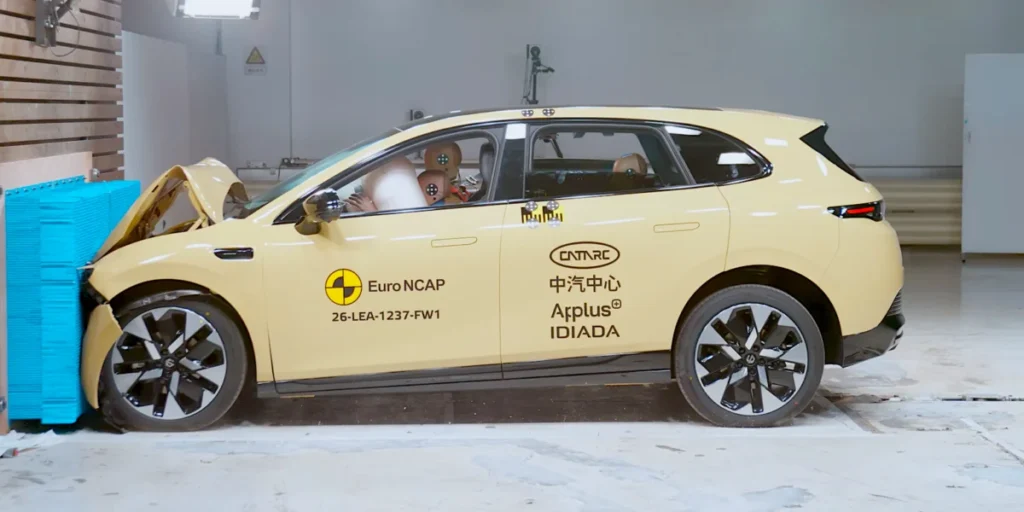
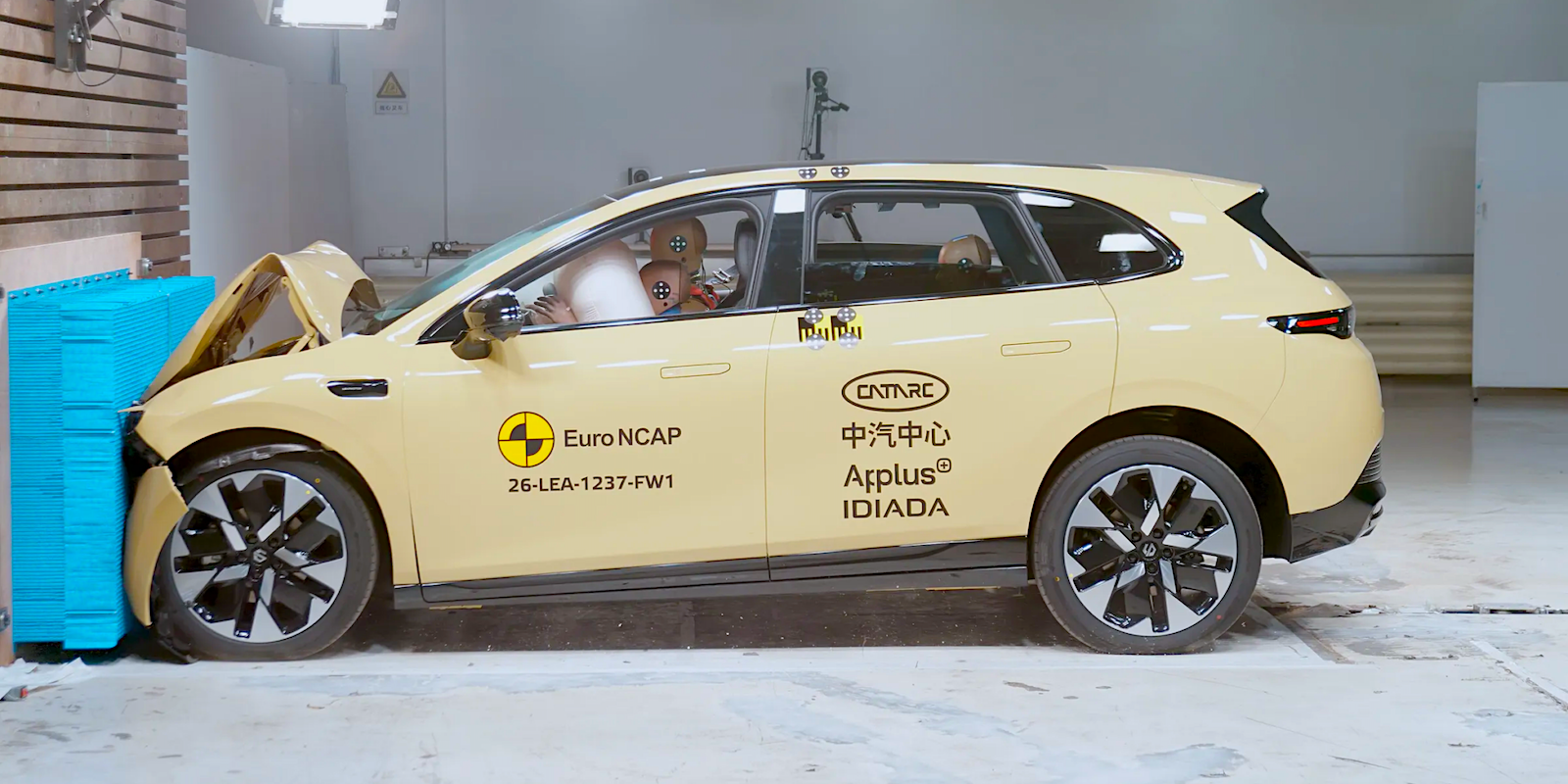
The landscape of automotive safety is continually evolving, with independent organizations rigorously testing vehicles to ensure the highest standards of protection for consumers. In a significant development for the global electric vehicle (EV) market, three new models from Chinese manufacturers—the GAC Aion UT, Geely E2, and Leapmotor B05—have all achieved the coveted five-star safety rating from the European New Car Assessment Programme (Euro NCAP). This achievement, announced recently, directly challenges any lingering perceptions of inferiority in Chinese-manufactured vehicles, particularly in the critical area of safety, and underscores the rapid advancements in automotive engineering originating from China.
The Euro NCAP tests are widely recognized as one of the most stringent and comprehensive vehicle safety assessment programs globally. Unlike some national regulatory bodies that allow for self-certification by automakers, Euro NCAP conducts independent, rigorous evaluations across a broad spectrum of crash scenarios and active safety systems. Achieving a five-star rating signifies that a vehicle excels in protecting its occupants, is effective in mitigating the severity of collisions through advanced driver-assistance systems (ADAS), and demonstrates robust performance in post-crash safety measures.
This latest round of Euro NCAP results arrives at a time when the global automotive industry is undergoing a profound transformation, driven by the electrification of powertrains and the integration of sophisticated digital technologies. Chinese automakers have emerged as major players in this transition, not only capturing significant market share domestically but also increasingly expanding their presence in international markets, including Europe. The success of the Aion UT, Geely E2, and Leapmotor B05 in these demanding tests serves as a powerful testament to their commitment to global safety benchmarks.
A Deeper Dive into the Euro NCAP Framework
To fully appreciate the significance of these five-star ratings, it’s crucial to understand the scope of Euro NCAP’s evaluation. The program assesses vehicles across four key pillars:
- Adult Occupant Protection: This pillar evaluates the safety of adult drivers and passengers in various crash scenarios, including frontal and side impacts, as well as whiplash protection. It examines the effectiveness of airbags, seatbelts, and the structural integrity of the vehicle’s cabin.
- Child Occupant Protection: Euro NCAP assesses the safety of child passengers, considering the performance of child restraint systems (CRS) and the vehicle’s ability to accommodate them safely. This includes the ease of installation and the protection offered in different impact types.
- Vulnerable Road User Protection: This crucial aspect focuses on the safety of pedestrians and cyclists in the event of a collision with a vehicle. It evaluates the vehicle’s front-end design, the effectiveness of its pedestrian-detection systems, and the impact on vulnerable road users.
- Safety Assist: This pillar tests the performance of active safety systems designed to prevent or mitigate accidents. This includes technologies such as Autonomous Emergency Braking (AEB) for cars, pedestrians, and cyclists, Lane Keeping Assist (LKA), Speed Assistance Systems (SAS), and driver monitoring systems.
The overall five-star rating is a holistic score, reflecting a vehicle’s performance across all these categories. A high score in any single area is important, but true excellence is demonstrated by consistent high performance across the board, indicating a well-rounded approach to vehicle safety.
Contextualizing Safety Standards: A Global Comparison
The article’s original commentary highlights a pertinent observation: the Euro NCAP standards are often significantly stricter than those in the United States. Historically, the U.S. National Highway Traffic and Safety Administration (NHTSA) has relied more on automakers’ self-certification processes. While NHTSA does conduct its own New Car Assessment Program (NCAP), which awards star ratings, the methodologies and stringency of testing can differ.
As noted by Tanya Mohn in a 2019 Forbes article referenced in the original content, the U.S. program, once a global leader, had begun to lag behind international advancements. Experts pointed out that countries like Japan and many in Europe had surpassed the U.S. in keeping pace with evolving safety innovations. This sentiment was further reinforced by Antonio Avenoso’s observation in the Financial Times last March, suggesting that EU and U.S. standards are not equivalent, with a decade-old industry study indicating EU models were, on average, 33% safer in common front-side crashes.
The implications of these differences are substantial. A five-star rating from Euro NCAP carries significant weight for consumers in Europe and increasingly influences global purchasing decisions. It signifies a vehicle that has met the highest independent safety scrutiny. For Chinese manufacturers, this recognition is a powerful validation of their engineering capabilities and a crucial step in building trust and credibility in established automotive markets.
The Trio of Top Performers

The three Chinese EVs that have recently earned their five-star Euro NCAP ratings are:
-
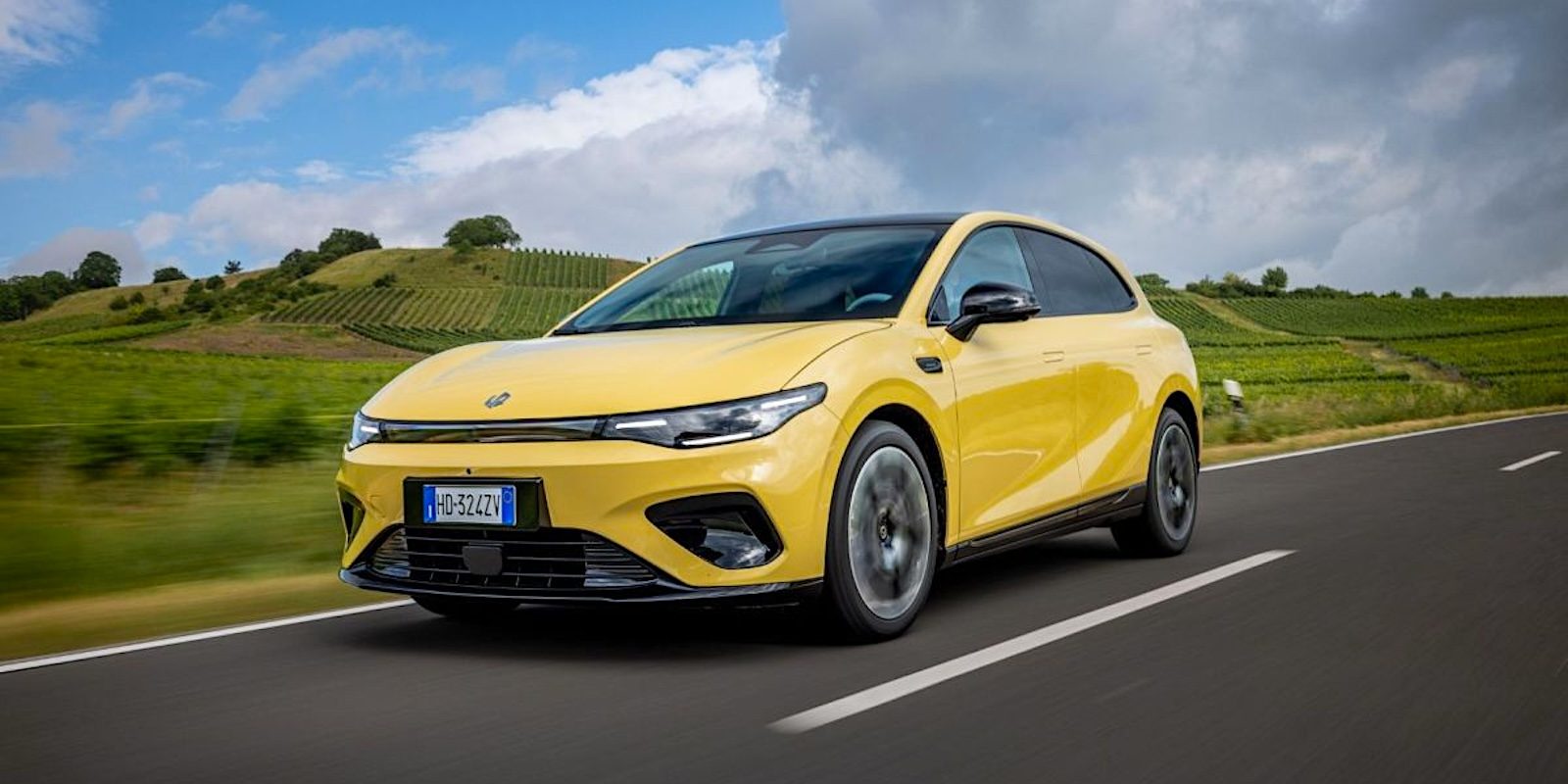
GAC Aion UT: This electric family hatchback is positioned to compete with established players like the Mini Aceman, Renault 4, and Volkswagen ID. Polo. The Aion UT demonstrated good performance across all four key safety pillars. Its crash avoidance systems were noted as being comprehensive and effective in most test scenarios, with particular strengths in crash protection (scoring 91%) and post-crash safety (88%). While its "Safe Driving" score was 66% and "Crash Avoidance" was 74%, the overall package points to a well-engineered vehicle.
-
Geely E2 (also known as EX2 in some markets): Hailing from Geely, the parent company of Volvo, the E2 is a small electric hatchback that has already achieved considerable success in its domestic market, being China’s best-selling car last year. Its five-star Euro NCAP rating is a significant achievement, showcasing high-level protection across the board. The E2 also received praise for its user interface, with good scores for its physical controls for key driving and infotainment functions, totaling 80%. The inclusion of standard Child Presence Detection (CPD) contributed positively to its safety assist score. Its individual scores were: Safe Driving 79%, Crash Avoidance 72%, Crash Protection 86%, and Post Crash Safety 95%.
-
Leapmotor B05: This model, which Stellantis is bringing to the European market, aims to compete with popular family hatchbacks like the Renault Megane and Volkswagen Golf. The Leapmotor B05 has secured a five-star rating, with particularly strong performance in Crash Protection (92%). Its Autonomous Emergency Braking (AEB) system was described as exceptional in high-speed and junction scenarios, complemented by a nearly perfect lane departure prevention system. Notably, the B05 achieved maximum points in side barrier and side pole impacts, with its center airbag providing full protection against occupant head contact. Furthermore, its protection for vulnerable road users, specifically for pelvis and femur, scored an impressive 100%. Its scores were: Safe Driving 66%, Crash Avoidance 77%, Crash Protection 92%, and Post Crash Safety 89%.

Official Statements and Industry Reactions
Dr. Aled Williams, Programme Director at Euro NCAP, commented on the latest results, stating, "Today’s results clearly demonstrate that Chinese carmakers are still working hard to match the high standards expected by European consumers. By actively embracing Euro NCAP’s rigorous targets, particularly this year, carmakers are showing they want to deliver safer vehicles for everyone on Europe’s roads." This statement directly acknowledges the sustained effort by Chinese manufacturers to meet and exceed international safety expectations.
The performance of these vehicles in Euro NCAP tests is likely to be closely watched by established automotive giants and emerging EV players alike. For consumers, it offers greater choice and confidence in purchasing vehicles from brands that may have previously been less familiar. The success of these models could accelerate the adoption of EVs from Chinese manufacturers in Europe and other markets that adhere to stringent safety regulations.
Broader Implications and Future Outlook

The strong Euro NCAP performance of the GAC Aion UT, Geely E2, and Leapmotor B05 carries several significant implications for the automotive industry:
- Challenging Perceptions: It directly combats outdated narratives that position Chinese vehicles as inherently less safe or technologically inferior. This validation from a highly respected independent safety body is crucial for building consumer trust and brand reputation.
- Accelerated Electrification: As more Chinese EVs meet global safety standards, their potential for widespread adoption in key international markets increases. This can further drive the global transition to electric mobility.
- Increased Competition: The presence of highly safe and competitive EVs from Chinese manufacturers will intensify competition within the European market, potentially leading to more innovation and better value for consumers.
- Shifting Manufacturing Standards: The commitment to meeting Euro NCAP standards suggests a broader trend among Chinese automakers to align their production and engineering practices with global best practices, not just for safety but for overall vehicle quality and performance.
The future of the automotive industry is undeniably global, with innovation and competition transcending national borders. The latest Euro NCAP results for these three Chinese electric vehicles are not just a testament to their individual engineering prowess but also a clear indicator of the evolving dynamics of the global automotive landscape, where safety, technology, and sustainability are paramount. As these vehicles become more widely available, their safety credentials will undoubtedly be a key factor in their market success, reassuring consumers and solidifying the position of Chinese automakers as significant contributors to the future of mobility.