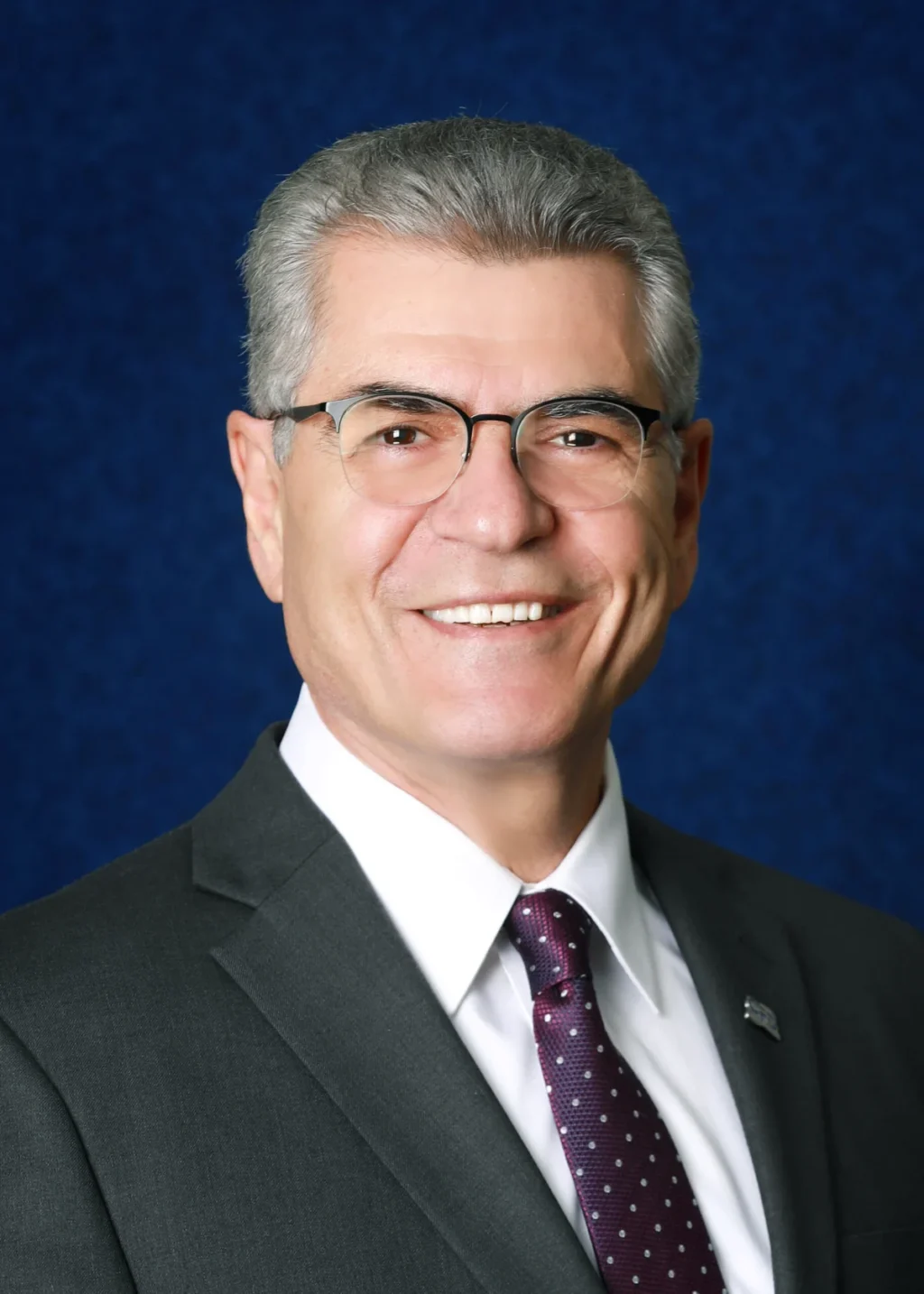
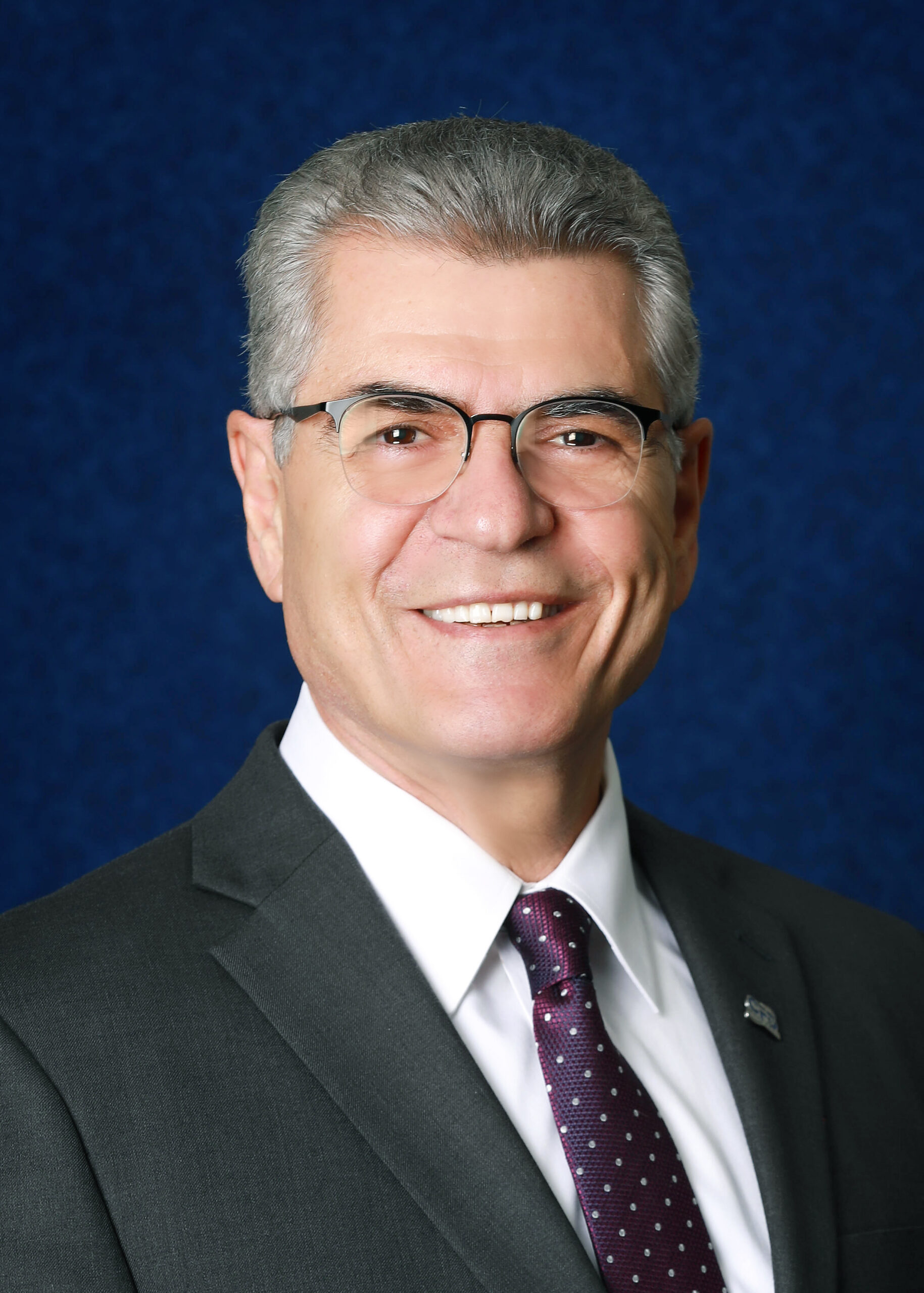
The aerospace and defense industry mourns the passing of Sami D. Habchi, a distinguished Associate Fellow of the American Institute of Aeronautics and Astronautics (AIAA) and a pivotal executive at CFD Research Corporation. Mr. Habchi died on February 28, 2026, at the age of 68. His extensive career, spanning over three decades, was marked by significant technical contributions and unwavering dedication to his colleagues, partners, and the advancement of aerospace technology.
Born in Deir El Ahmar, Lebanon, Habchi’s journey to becoming a respected figure in American aerospace engineering began with his immigration to the United States. He pursued higher education at Louisiana State University, where he earned a Master of Science degree in mechanical engineering in 1986. This academic foundation laid the groundwork for a career that would profoundly impact some of the nation’s most critical aerospace and defense programs.
A Three-Decade Legacy at CFD Research Corporation
In 1987, Habchi joined CFD Research Corporation, a company that would become synonymous with his professional life. He dedicated over 38 years to the organization, a testament to his commitment and the value he brought to its mission. For the last 15 years of his tenure, Habchi ascended to the role of Executive Vice President, leading the company’s Aerospace & Defense Solutions Division. In this capacity, he was instrumental in shaping strategic direction, fostering innovation, and overseeing the development of cutting-edge solutions for a demanding sector.
His leadership extended beyond mere management. Habchi was widely recognized as the "heart and soul" of CFD Research, a description that encapsulates his profound influence on the company’s culture. Colleagues often spoke of his approachable demeanor, his willingness to offer assistance, and his consistent effort to support those around him—whether they were fellow employees, clients, or strategic partners. This spirit of collaboration and mentorship fostered a positive and productive environment, contributing significantly to CFD Research’s sustained success.
Pivotal Contributions to National Aerospace Initiatives
Habchi’s technical acumen and leadership were directly applied to programs of immense national importance. His work played a critical role in advancing naval aviation safety, specifically in the design of Navy ejection seats. These systems are vital for pilot survivability in high-risk scenarios, and Habchi’s contributions undoubtedly enhanced their reliability and effectiveness.
Beyond naval applications, Habchi was a key figure in some of NASA’s most ambitious endeavors. He was deeply involved in the Columbia Accident Investigation Board’s return-to-flight efforts following the tragic loss of the Space Shuttle Columbia in 2003. His technical expertise and leadership were crucial in analyzing the causes of the accident and implementing the necessary changes to ensure the safe resumption of space shuttle missions. This period was fraught with immense pressure and scrutiny, and Habchi’s steady hand and technical rigor were invaluable to NASA’s recovery.
Furthermore, Habchi’s influence extended to the development and execution of the Space Launch System (SLS), NASA’s next-generation heavy-lift rocket designed for deep space exploration. His contributions to the SLS program were integral to its design, testing, and eventual operational readiness. This program represents a cornerstone of NASA’s long-term strategy for human exploration of the Moon, Mars, and beyond.
The culmination of years of dedicated work under his leadership was evident in the successful Artemis I mission, which launched in November 2022. Artemis I was an uncrewed test flight of the SLS rocket and the Orion spacecraft, a critical step in NASA’s ambitious plan to return humans to the Moon and establish a sustainable lunar presence. Habchi’s involvement in this monumental mission underscored his lifelong dedication to pushing the boundaries of space exploration.
Chronology of a Distinguished Career
- 1986: Earns Master of Science in Mechanical Engineering from Louisiana State University.
- 1987: Joins CFD Research Corporation, beginning a long and impactful career.
- Circa 2011: Assumes the role of Executive Vice President, leading the Aerospace & Defense Solutions Division at CFD Research Corporation.
- Post-2003: Plays a pivotal role in NASA’s return-to-flight initiatives following the Columbia disaster.
- Throughout his tenure: Contributes significantly to the design of Navy ejection seats and the development of the Space Launch System (SLS).
- November 2022: His work directly supports the successful Artemis I mission.
- February 28, 2026: Passes away at the age of 68.
Supporting Data and Industry Context
CFD Research Corporation, established in 1987, has consistently been at the forefront of computational fluid dynamics (CFD) and advanced engineering solutions. The company’s work in aerospace and defense is critical, as this sector demands unparalleled precision, reliability, and innovation. For instance, the development of advanced ejection seats often involves complex simulations to optimize aerodynamic performance, ensure structural integrity under extreme G-forces, and guarantee the safe separation of the pilot from the aircraft. These simulations require sophisticated modeling and validation, areas where Habchi and his teams at CFD Research excelled.
The Space Launch System (SLS) is currently the most powerful rocket ever built by NASA, capable of launching more payload than any previous vehicle. Its development has been a multi-billion dollar undertaking, involving thousands of engineers and scientists across numerous organizations. The success of Artemis I, the maiden flight of the SLS, was a testament to the collaborative efforts of many, including those led by Habchi. This mission was designed to test the rocket’s capabilities and the Orion spacecraft’s life-support systems in the harsh environment of deep space, paving the way for future crewed missions.
The Artemis program itself represents a significant shift in NASA’s long-term vision, aiming to establish a sustainable human presence on the Moon, with the Moon serving as a stepping stone for eventual missions to Mars. This ambitious undertaking requires robust and reliable technologies, from launch vehicles to habitat systems and surface mobility. Habchi’s contributions to SLS and his leadership in the aerospace and defense sector directly supported these overarching national goals.
Inferred Statements and Reactions
While specific public statements from all parties may not yet be available, it is highly probable that the aerospace and defense community, including NASA and the U.S. Navy, would express profound gratitude for Habchi’s dedicated service. A spokesperson for NASA, upon learning of his passing, might have stated something to the effect of: "Sami D. Habchi was a vital contributor to NASA’s most ambitious missions, from the critical return to flight after the Columbia tragedy to the foundational development of the Space Launch System and the historic Artemis I. His technical expertise and collaborative spirit were instrumental in advancing our nation’s capabilities in space exploration. His legacy will continue to inspire future generations of engineers and astronauts."
Similarly, representatives from the U.S. Navy, acknowledging his contributions to pilot safety, might have commented: "The innovations spearheaded by Sami D. Habchi in the design of naval ejection seats have undoubtedly saved lives and ensured the safety of our aviators. His dedication to engineering excellence in defense applications has had a lasting and positive impact on our armed forces."
Leadership at CFD Research Corporation would likely issue a statement highlighting his long tenure and his integral role in the company’s growth and success. Such a statement might read: "It is with deep sadness that we announce the passing of Sami D. Habchi. For over 38 years, Sami was an indispensable pillar of CFD Research. His technical brilliance, visionary leadership of our Aerospace & Defense Solutions Division, and his genuine warmth and commitment to his colleagues defined him as more than just an executive; he was the embodiment of our company’s spirit. His indelible mark on critical national programs will be remembered for generations to come. We extend our sincerest condolences to his family and loved ones."
Broader Impact and Implications
The passing of Sami D. Habchi represents the loss of a seasoned engineer and a leader whose work directly influenced the safety, reliability, and ambition of major aerospace and defense initiatives. His contributions to the Columbia return-to-flight efforts underscore the critical role of engineering analysis and problem-solving in ensuring the safety of human spaceflight. The successful recovery of NASA’s human spaceflight program after such a profound loss was a testament to the dedication and expertise of individuals like Habchi.
His involvement in the Space Launch System and the Artemis program signifies his direct impact on the future of space exploration. The SLS is designed to enable humanity’s return to the Moon and its eventual journey to Mars, and Habchi’s technical leadership was crucial in bringing this complex system to fruition. The success of Artemis I, a direct outcome of this development, has revitalized public interest in space and set the stage for future human missions.
Furthermore, Habchi’s work on Navy ejection seats highlights the intersection of cutting-edge engineering and the preservation of human life in high-stakes environments. The continuous improvement of such safety systems is paramount for military aviation, and his contributions have undoubtedly enhanced the survivability of pilots.
In the broader context of the aerospace and defense industry, Habchi’s legacy serves as an inspiration. He demonstrated that a career dedicated to technical excellence, coupled with strong leadership and a commitment to collaboration, can yield profound and lasting results. His journey from Lebanon to becoming a key architect of American space and defense technology is a powerful narrative of dedication and achievement. The void left by his absence will be felt, but the impact of his work will continue to shape the skies and beyond for years to come.