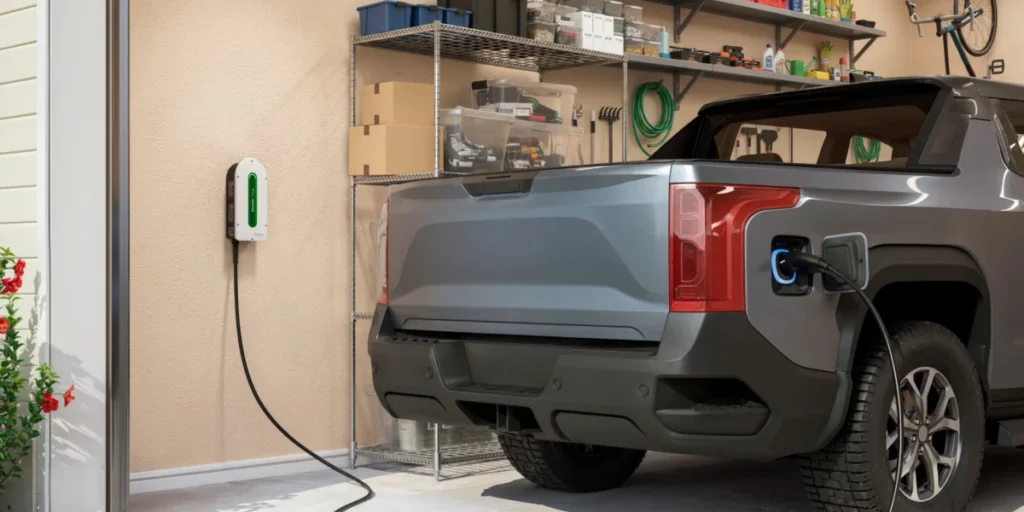
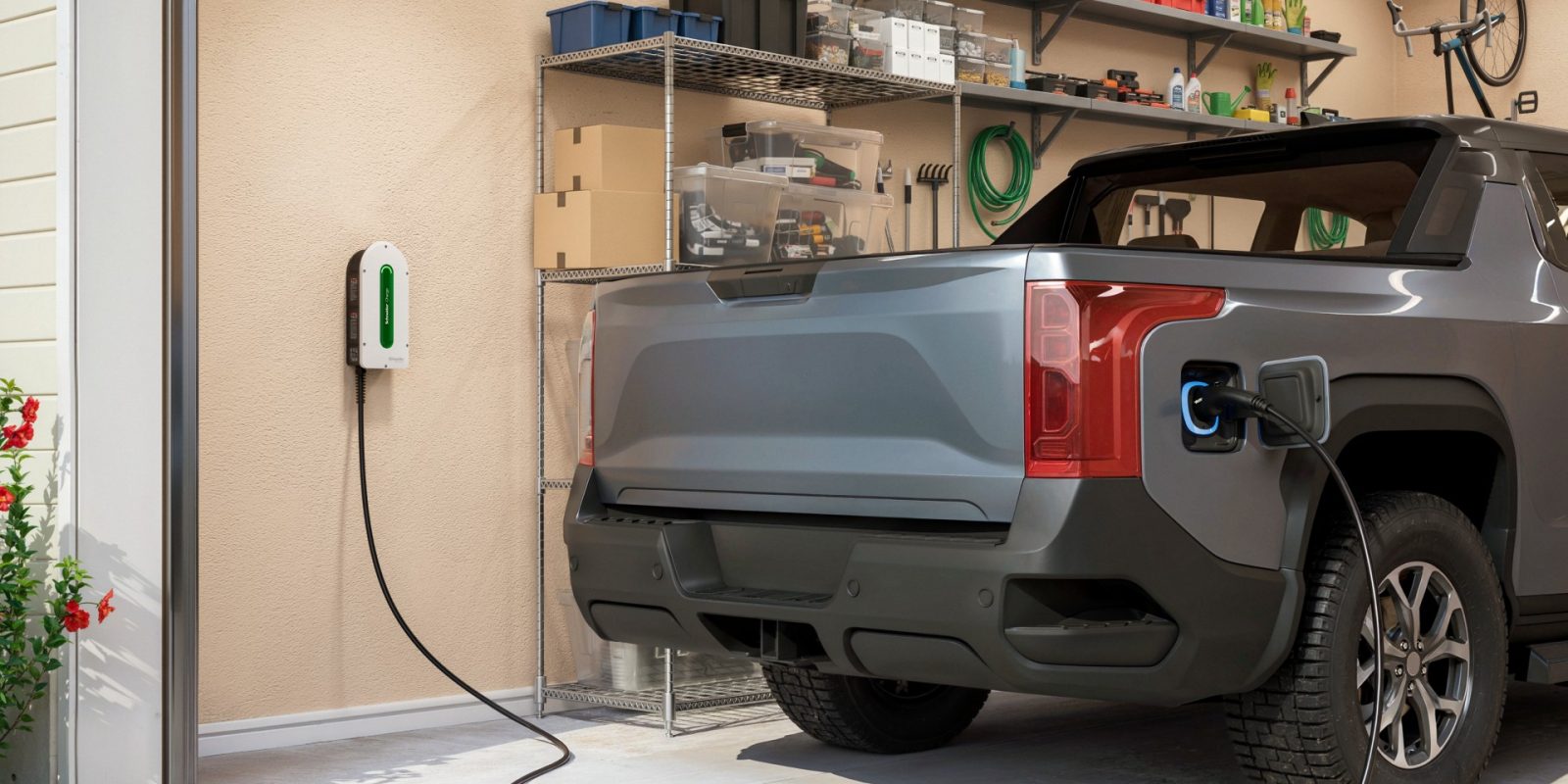
Schneider Electric has launched a new 48-amp home electric vehicle (EV) charger, the Schneider Charge, engineered to address a significant financial barrier for EV adoption: the potential need for expensive electrical panel or service upgrades. This innovative solution aims to make Level 2 EV charging more accessible and affordable for homeowners by intelligently managing their existing electrical infrastructure.
The core of the Schneider Charge’s functionality lies in its sophisticated dynamic load management system. This built-in technology continuously monitors a home’s overall electricity consumption. By dynamically adjusting the EV’s charging rate, the system ensures that the demand from the charger does not exceed the home’s current electrical capacity. This feature is particularly crucial as homeowners increasingly integrate high-power electrical devices alongside their EVs, placing greater strain on older electrical systems.
Historically, installing a Level 2 EV charger, which provides significantly faster charging than a standard Level 1 outlet, often necessitated an upgrade to a home’s electrical panel or even the main service from the utility. These upgrades can represent a substantial upfront cost, ranging from $2,000 to $6,500 or more, depending on the complexity of the work required and the specific needs of the residence. This cost has been a deterrent for many prospective EV buyers, especially those living in older homes not originally designed for such electrical demands.
Shawn Bonacorsi, head of electrification solutions at Schneider Electric’s North America operations, highlighted the problem the new charger aims to solve. "As homeowners buy EVs and add high-power electric technologies, many are realizing their existing electrical systems were not built for that level of demand," Bonacorsi stated. "Schneider Charge helps remove that installation hurdle by enabling safe, reliable Level 2 charging within a home’s existing electrical capacity, making EV charging simpler and easier at home where most charging takes place." This statement underscores Schneider Electric’s commitment to facilitating the transition to electric mobility by tackling practical installation challenges.
Intelligent Load Management: The SmartAmp System
The Schneider Charge employs a proprietary system called SmartAmp to achieve its intelligent load management capabilities. This system utilizes current transformers, which are sensors installed around electrical conductors. These sensors provide real-time data on the home’s electricity usage.
When other high-draw appliances, such as electric dryers, ovens, or even powerful air conditioning units, are in operation and consuming significant power, the SmartAmp system can temporarily reduce the EV charger’s output. This ensures that the total electrical load remains within the safe operating limits of the home’s electrical panel. Conversely, as demand from other appliances decreases, the SmartAmp system can automatically increase the EV charger’s rate, maximizing charging speed when conditions permit.
A critical advantage of the SmartAmp system is its resilience. The load management functionality continues to operate effectively even if the home’s Wi-Fi connection is interrupted. Furthermore, it does not require a separate monitoring device or a dedicated gateway, simplifying installation and reducing potential points of failure. This standalone operational capability is a significant advantage for reliability and user convenience.
The Schneider Charge itself is capable of delivering up to 11.5 kW at 48 amps, providing a robust charging speed. However, the actual charging rate experienced by the user will also be influenced by the onboard charger of the specific EV being used. The charger comes equipped with a 25-foot cable, offering flexibility in placement, and will be available with either a J1772 or NACS connector to accommodate a wide range of electric vehicles.
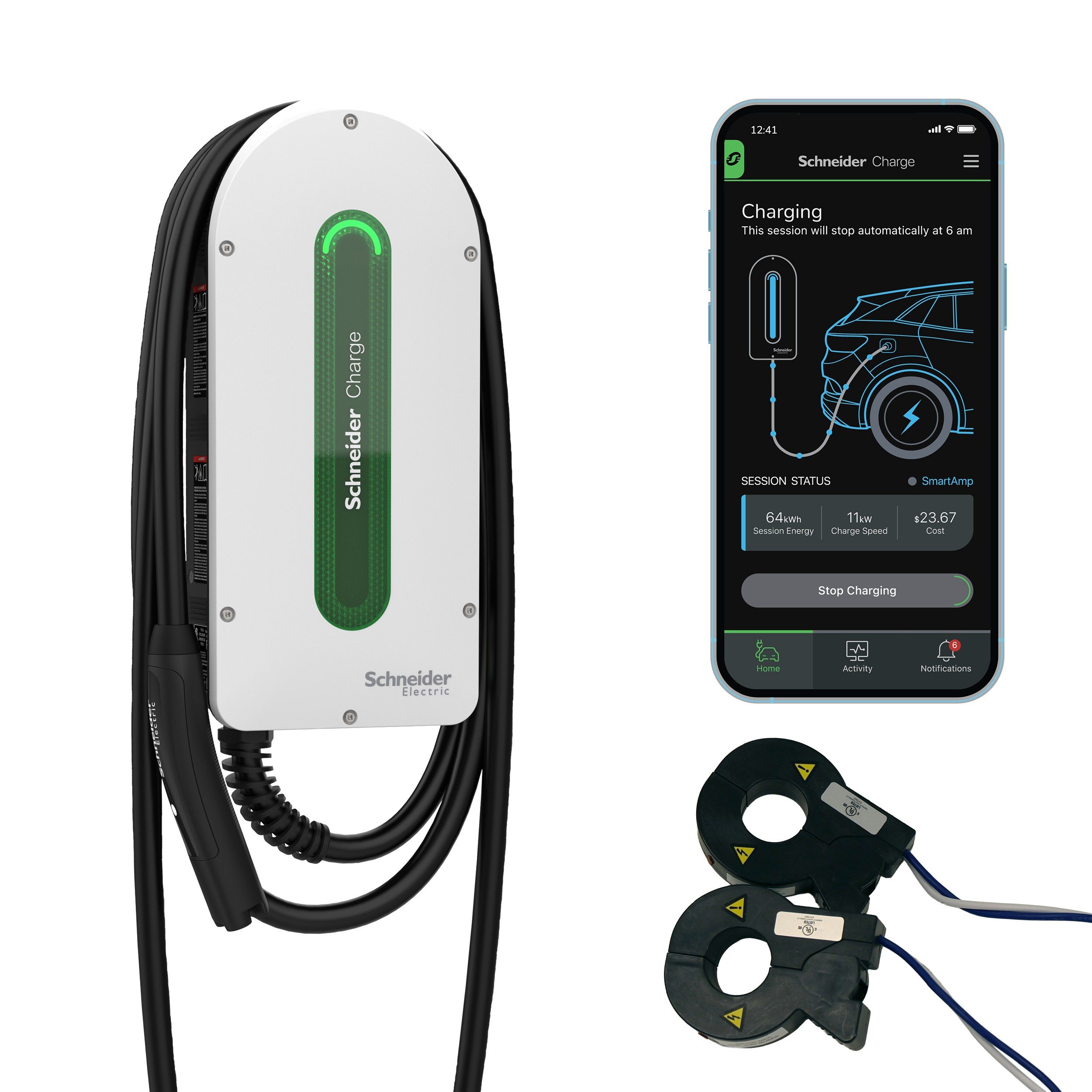
Initially, the Schneider Charge will be offered in a hardwired configuration. Schneider Electric has indicated plans to release a plug-in version in early 2027, further expanding its installation options.
Certification and Regulatory Considerations
The Schneider Charge is part of a system certified to UL 3141, a standard specifically designed for power-control equipment that prevents electrical systems from becoming overloaded. UL Solutions emphasizes that such certified systems can often provide a more cost-effective alternative to traditional panel or utility-service upgrades.
However, the ultimate decision on whether a managed-load installation can replace a full electrical upgrade rests with the local authority having jurisdiction (AHJ). This means that while the Schneider Charge offers a compelling technological solution, an assessment by a qualified electrician will still be essential. This assessment will evaluate the home’s existing wiring, the capacity of the electrical panel and service, and adherence to local building codes and regulations. The AHJ’s approval is paramount for ensuring the safety and legality of the installation.
Advanced Features and Future Integration

Beyond its core load management capabilities, the Schneider Charge integrates with a dedicated mobile application. The Schneider Charge app provides users with real-time monitoring of their charging sessions, the ability to adjust charger settings, and the convenience of scheduling charging. This scheduling feature is particularly beneficial for homeowners who can take advantage of off-peak electricity rates, further reducing their charging costs.
The charger’s support for OCPP 1.6 (Open Charge Point Protocol) is another significant development. OCPP is an open communications standard widely used for managing EV charging infrastructure. This interoperability opens the door for future integration with utility and grid-service programs. While Schneider Electric has not yet announced specific programs available at launch, this capability positions the Schneider Charge as a future-ready solution that can participate in demand-response initiatives or other grid-optimization services, potentially offering further cost savings and contributing to grid stability.
To streamline the installation process for homeowners, Schneider Electric is collaborating with Qmerit, a prominent home electrification installer. This partnership aims to ensure that consumers have access to qualified professionals for a smooth and compliant installation of their new EV charger.
Availability and Market Impact
The Schneider Charge is now available for purchase in both the United States and Canada through authorized distributors and Schneider Electric’s official online marketplace. The company has not yet disclosed the specific retail price for the Schneider Charge, a detail that will be crucial for consumers evaluating its cost-effectiveness against traditional upgrade routes.

The introduction of the Schneider Charge comes at a time when EV adoption continues to accelerate globally. According to the International Energy Agency (IEA), electric car sales reached 10 million in 2022, representing a 25% increase from the previous year, and projections indicate continued strong growth. As more households transition to EVs, the demand for accessible and affordable home charging solutions will only intensify. Schneider Electric’s proactive approach in addressing the electrical infrastructure challenge with the Schneider Charge could significantly influence the pace and inclusivity of this transition.
The ability to avoid costly electrical panel upgrades could unlock EV ownership for a broader segment of the population, particularly those in older housing stock or with budget constraints. This could lead to a more distributed and equitable adoption of electric vehicles, rather than concentrating adoption among homeowners with newer or already upgraded electrical systems.
Broader Implications for the Energy Transition
The innovation demonstrated by Schneider Electric with the Schneider Charge extends beyond individual home charging. By enabling more homes to safely and reliably charge EVs without requiring significant electrical infrastructure overhauls, this technology contributes to the broader goals of the energy transition. It alleviates potential bottlenecks in grid capacity that might otherwise arise from widespread EV adoption.
Furthermore, the integration of smart charging capabilities and support for future grid programs positions these chargers as active participants in a more dynamic and responsive energy ecosystem. As grids evolve to incorporate more renewable energy sources, smart charging will become increasingly vital for managing demand and ensuring grid stability. Chargers that can intelligently adjust their consumption based on grid conditions and electricity prices offer a pathway towards a more efficient and sustainable energy future.

The UL 3141 certification also underscores the importance of safety and compliance in the burgeoning EV charging market. As more manufacturers enter this space, adherence to rigorous safety standards will be paramount to maintaining public trust and ensuring the long-term viability of EV infrastructure. Schneider Electric’s commitment to these standards, coupled with its innovative load management technology, positions the Schneider Charge as a significant contender in the home EV charging market.
The ongoing development and adoption of technologies like the Schneider Charge are critical steps in democratizing access to electric mobility. By tackling practical and financial hurdles, Schneider Electric is playing a key role in accelerating the shift towards a cleaner, more electrified transportation future. The success of this product will likely depend on its pricing, the ease of installation, and the continued endorsement of local authorities, but its technological underpinnings represent a significant step forward.