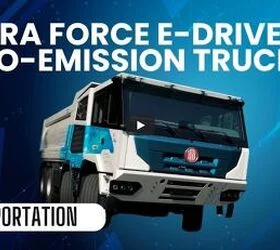
The Czech Republic’s storied truck manufacturer, TATRA, has officially unveiled its groundbreaking FORCE e-DRIVE range, signaling a significant leap forward in the electrification and hydrogen-powered heavy-duty vehicle sector. This innovative lineup comprises three distinct configurations – a fully electric Battery Electric Vehicle (BEV), a Hydrogen Fuel Cell Electric Vehicle (FCEV), and a BEV incorporating a Range Extender engine. Each vehicle is meticulously engineered, retaining TATRA’s renowned and virtually unparalleled off-road mobility, stemming from its signature backbone tube chassis, independent suspension with swinging half-axles, and advanced air suspension system. This commitment ensures that the legendary on- and off-road capabilities that have defined TATRA for decades are preserved, even as the brand embraces cutting-edge sustainable propulsion technologies.
The introduction of the FORCE e-DRIVE range represents a pivotal moment for TATRA, a company with a rich heritage dating back to 1897. Historically, TATRA has been synonymous with robust, adaptable, and exceptionally capable vehicles designed for some of the world’s most challenging terrains and demanding operational environments. The transition to electric and hydrogen powertrains is not merely an evolution but a strategic redefinition of the brand’s identity, aligning its legacy of engineering excellence with the urgent global imperative for decarbonization in the transportation industry. This initiative positions TATRA as a forward-thinking player in the commercial vehicle market, capable of meeting the evolving needs of industries ranging from logistics and construction to mining and defense, all while addressing stringent environmental regulations and corporate sustainability goals.
The Hydrogen TATRA: Pushing the Boundaries of Zero-Emission Heavy-Duty Transport
At the forefront of TATRA’s new sustainable offerings is the Hydrogen TATRA, the brand’s inaugural fully emission-free truck. This pioneering vehicle is powered by a sophisticated system featuring two Ballard fuel cells, each generating an impressive 100 kW of power. These fuel cells, renowned for their reliability and efficiency in heavy-duty applications, convert hydrogen into electricity, producing only water vapor as a byproduct. The energy generated is then supplied to a powerful Danfoss synchronous electric motor, which directly drives the wheels, providing instant torque and smooth acceleration crucial for heavy hauling.
The hydrogen storage system is equally noteworthy, comprising six strategically placed tanks, each capable of holding 5 kg of hydrogen. This configuration provides a substantial operational range, essential for long-haul trucking and demanding work cycles. A key design consideration for the Hydrogen TATRA is minimizing downtime, a critical factor for commercial fleet operators. Consequently, the tanks are engineered for rapid refilling, a process that can be completed in a matter of minutes, thereby significantly reducing the time vehicles spend off the road for refueling. This rapid refueling capability is a crucial advantage for hydrogen-powered vehicles, addressing one of the historical challenges in their widespread adoption.
The development of this hydrogen FCEV is a testament to TATRA’s commitment to exploring the most advanced clean energy solutions. The global commercial vehicle industry is increasingly looking towards hydrogen as a viable alternative to battery-electric powertrains for heavier applications, particularly those requiring longer ranges and faster refueling times. With the European Union and other governments setting ambitious targets for hydrogen infrastructure development and adoption, TATRA’s investment in this technology places it in a strong position to capitalize on future market trends.
The Hybrid TATRA: Bridging the Gap with Versatile Power
Complementing the fully electric and hydrogen offerings, TATRA also introduces a Hybrid version of its FORCE e-DRIVE truck. This marks TATRA’s first venture into hybrid drive technology for its trucks, representing a pragmatic approach to electrification that offers flexibility and an extended operational window for various applications. The hybrid system ingeniously combines a traditional diesel engine with an electric motor and a set of traction batteries. This synergistic approach allows the truck to leverage the benefits of both power sources, optimizing efficiency and reducing emissions.
The hybrid system is designed to operate in multiple driving modes, providing operators with the adaptability required for diverse operational scenarios. Notably, the Hybrid TATRA can function in a pure electric mode, offering a substantial range of up to 70 kilometers. This capability makes it an exceptionally well-suited vehicle for urban logistics, last-mile delivery, and operations in environmentally sensitive areas where zero-emission transit is paramount. In these contexts, the electric-only mode significantly reduces local air pollution and noise levels, contributing to improved urban environments.
Beyond its urban utility, the hybrid powertrain ensures that the truck can undertake longer journeys or operate in situations where charging infrastructure may be limited, thanks to the efficient diesel engine acting as a generator or providing direct power when needed. This dual-mode operation effectively mitigates range anxiety, a common concern with purely electric vehicles, while still offering substantial environmental benefits compared to conventional diesel trucks. The strategic integration of these technologies highlights TATRA’s nuanced understanding of the commercial transport landscape and the varied demands placed upon it.
Preserving Legendary Mobility: The TATRA Backbone
Central to the appeal and capability of all TATRA FORCE e-DRIVE models is the unwavering commitment to the brand’s iconic chassis design. TATRA trucks have long been celebrated for their unique backbone tube chassis, a robust central structural element that houses the drivetrain and connects the front and rear axles. This design is inherently strong, rigid, and exceptionally resistant to torsional stress, making it ideal for uneven terrain and heavy loads.
Furthermore, the independent suspension system, featuring swinging half-axles, allows each wheel to move independently of the others. This design ensures maximum tire contact with the ground, even over the most challenging obstacles, providing superior traction and stability. Coupled with the advanced air suspension, which allows for adjustable ride height and damping, TATRA vehicles achieve an unparalleled level of mobility. This combination of features ensures that the FORCE e-DRIVE trucks, despite their advanced electric and hydrogen powertrains, retain the legendary off-road prowess and on-road comfort that TATRA customers have come to expect. This fusion of cutting-edge sustainable technology with time-tested mechanical engineering is a key differentiator for TATRA in the evolving commercial vehicle market.
Background and Context: The Drive Towards Sustainable Transport
The launch of the TATRA FORCE e-DRIVE range arrives at a critical juncture in the global transportation industry’s transition towards sustainability. Regulatory bodies worldwide, including the European Union, are implementing increasingly stringent emissions standards for internal combustion engines, driving manufacturers and fleet operators to seek cleaner alternatives. The Paris Agreement and subsequent climate accords have amplified the urgency to reduce greenhouse gas emissions across all sectors, with transportation being a major contributor.
The commercial vehicle sector, responsible for a significant portion of road freight, is under particular pressure to decarbonize. This has spurred substantial investment in research and development of alternative powertrains, including battery-electric and hydrogen fuel cell technologies. While battery-electric vehicles are gaining traction for lighter-duty applications and shorter-range operations, challenges related to battery weight, charging times, and range continue to be significant considerations for heavy-duty trucks. Hydrogen fuel cell technology, with its potential for longer ranges and faster refueling, is emerging as a promising solution for these heavier applications.
TATRA’s strategic decision to offer a diversified portfolio of sustainable powertrains – BEV, FCEV, and hybrid – reflects a sophisticated understanding of the varied demands and infrastructure realities across different regions and operational contexts. This approach allows customers to select the most appropriate technology for their specific needs, thereby facilitating a smoother and more adaptable transition to cleaner transportation. The company’s historical expertise in building exceptionally durable and capable vehicles provides a strong foundation upon which to build these advanced, sustainable platforms.
Supporting Data and Market Trends
The global market for electric and hydrogen trucks is projected to experience significant growth in the coming years. According to various industry analyses, the commercial electric truck market is expected to expand at a compound annual growth rate (CAGR) of over 20% between 2023 and 2030. Similarly, the hydrogen fuel cell truck market, while currently smaller, is anticipated to grow even more rapidly, driven by government incentives, technological advancements, and the development of hydrogen refueling infrastructure.
Key market drivers include:
- Stricter Emissions Regulations: Governments worldwide are mandating lower CO2 and NOx emissions from commercial vehicles.
- Corporate Sustainability Goals: Many corporations are setting ambitious targets to reduce their carbon footprint, influencing their procurement decisions for logistics and fleet operations.
- Technological Advancements: Improvements in battery technology, fuel cell efficiency, and hydrogen storage are making these powertrains more viable and cost-effective.
- Government Incentives and Subsidies: Financial support for the purchase of zero-emission vehicles and the development of charging and refueling infrastructure is playing a crucial role.
- Total Cost of Ownership (TCO): While initial purchase prices may be higher, the lower running costs (electricity/hydrogen, maintenance) and potential tax benefits can lead to a competitive TCO over the vehicle’s lifecycle.
TATRA’s entry into this market with its FORCE e-DRIVE range, leveraging its established reputation for robust engineering, is well-timed to capture a segment of this burgeoning market, particularly in specialized applications where its unique mobility features are a critical advantage.
Potential Implications and Future Outlook
The introduction of the TATRA FORCE e-DRIVE trucks has several significant implications for the heavy-duty transport sector. Firstly, it demonstrates that manufacturers with deep engineering roots and a strong heritage in traditional powertrain technologies are actively embracing and leading the charge in electrification and hydrogen mobility. This can inspire confidence in the market and encourage further innovation.
Secondly, the availability of multiple powertrain options from a single manufacturer offers fleet operators greater flexibility and a more tailored approach to decarbonization. This can accelerate the adoption of sustainable technologies by addressing the diverse operational needs and infrastructure limitations that different businesses face.
For TATRA, this represents a crucial strategic pivot. By successfully integrating advanced sustainable powertrains with its legendary chassis, the company is not only future-proofing its product line but also potentially expanding its market reach. The ability to offer highly mobile, zero-emission vehicles could open new opportunities in sectors that were previously hesitant to adopt electric or hydrogen solutions due to perceived compromises in performance or capability.
The success of the FORCE e-DRIVE range will likely depend on several factors, including the widespread availability of hydrogen refueling infrastructure for the FCEV models, the cost competitiveness of the vehicles compared to conventional options, and the ongoing development of battery and fuel cell technologies. However, TATRA’s commitment to innovation and its deep understanding of heavy-duty vehicle engineering position it as a strong contender in the rapidly evolving landscape of sustainable commercial transportation. The company’s ability to maintain its reputation for unparalleled mobility while delivering on environmental promises will be key to its long-term success in this new era.