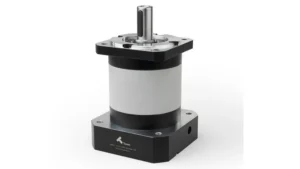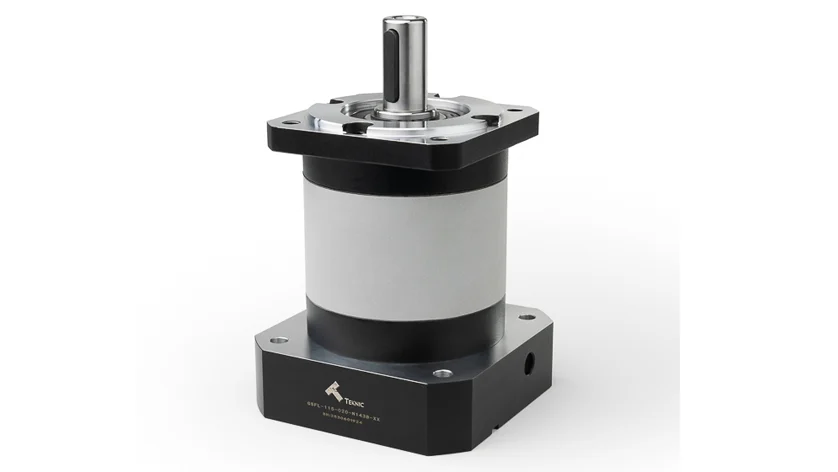
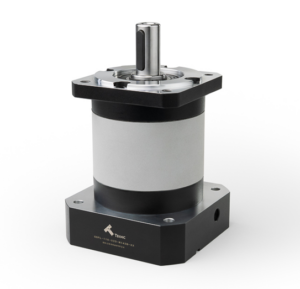
Teknic, a prominent innovator in the motion control sector, has officially announced a significant expansion of its precision planetary gearbox product line, now incorporating NEMA 56 and NEMA 143 input sizes alongside a robust 115 mm output frame. This strategic enhancement is poised to provide engineers and manufacturers with a broader spectrum of options for high-performance motion control applications, offering increased flexibility, precision, and power density across various industrial sectors. The newly introduced gearboxes are designed to accommodate a diverse range of requirements, available in multiple frame sizes, gear ratios, output flanges, and body configurations, ensuring adaptability for specialized industrial machinery and automated systems. Furthermore, Teknic underscores its commitment to tailored solutions by making custom configurations readily available through its dedicated applications engineering team, a service that is critical for intricate and unique project specifications.
Understanding Precision Planetary Gearboxes: The Core of Motion Control
At its heart, a planetary gearbox is a sophisticated mechanical component designed to transmit torque and adjust speed in electromechanical systems. Unlike traditional parallel-shaft gearboxes, the planetary design features a central "sun" gear, surrounded by multiple "planet" gears, which are themselves encased within an outer "ring" gear. This concentric arrangement allows for the distribution of load across multiple points, leading to several inherent advantages: high torque density, exceptional efficiency, low backlash, and a compact footprint. These characteristics are paramount in modern industrial automation, where precision, reliability, and space optimization are non-negotiable. The ability of planetary gearboxes to deliver high torque in a small package makes them indispensable for applications requiring precise positioning, rapid acceleration, and heavy-duty operation, such as robotics, CNC machining, packaging machinery, and automated assembly lines. The "precision" aspect, emphasized by Teknic, refers to the tight manufacturing tolerances and superior internal component quality that minimize backlash—the minute rotational play between gears. Reduced backlash translates directly into greater accuracy and repeatability in motion, crucial for tasks demanding exact movements and consistent performance.
The Significance of NEMA Standards and Sizing in Industrial Integration
The inclusion of NEMA 56 and NEMA 143 input sizes, coupled with a 115 mm output frame, represents a calculated move by Teknic to align with widely accepted industry standards for motor integration. NEMA (National Electrical Manufacturers Association) standards are globally recognized benchmarks that define the physical dimensions and mounting specifications for electric motors. The NEMA 56 and 143 frame sizes specifically relate to the dimensions of the motor face, bolt patterns, and shaft diameter, ensuring compatibility with a vast array of industrial motors available on the market. By adhering to these standards, Teknic simplifies the integration process for system designers, allowing them to easily pair the new gearboxes with a broad selection of NEMA-compliant servo or stepper motors. This interoperability significantly reduces design complexity and accelerates development cycles, as engineers can confidently select components that are guaranteed to fit together seamlessly.
The 115 mm output frame size, while not a NEMA standard for motors, refers to the physical dimensions of the gearbox’s output flange. This specific sizing is often optimized for particular torque ratings and mounting configurations commonly found in medium to heavy-duty industrial applications. It suggests a robust design capable of handling substantial loads and providing stable mechanical interfaces to the driven machinery. The combination of standard NEMA input sizes and a well-defined output frame size positions these new gearboxes as versatile building blocks for a multitude of motion control systems, from sophisticated robotic manipulators to high-speed indexing tables and material handling equipment.
Versatility in Configuration: Addressing Diverse Industrial Needs
Teknic’s commitment to offering these gearboxes in "multiple frame sizes, gear ratios, output flanges, and body configurations" underscores a deep understanding of the varied demands within the motion control market. This modular approach allows customers to select the precise gearbox configuration that best suits their application’s unique requirements, rather than forcing them to adapt their designs to a limited selection.
- Frame Sizes: Different frame sizes dictate the overall physical dimensions and power handling capabilities of the gearbox. A wider range means greater flexibility in fitting the gearbox into compact spaces or scaling up for more demanding applications.
- Gear Ratios: Gear ratio is perhaps the most critical parameter, determining the speed reduction and torque multiplication from the motor to the load. Teknic’s offering of multiple ratios allows engineers to fine-tune the system’s performance, achieving the optimal balance between speed, torque, and inertia matching for maximum efficiency and control. For instance, a high gear ratio might be chosen for applications requiring immense torque at low speeds, while a lower ratio might be preferred for high-speed, lighter-load tasks.
- Output Flanges: The output flange is the mechanical interface that connects the gearbox to the driven mechanism. Different flange designs (e.g., standard, custom, keyed, smooth shaft) cater to various mounting styles and load attachment methods, ensuring mechanical compatibility and ease of installation.
- Body Configurations: Variations in body configuration can include inline or right-angle designs, material choices, and sealing options, each offering distinct advantages depending on space constraints, environmental conditions, and specific mechanical integration needs. For example, a right-angle configuration might be essential in applications with limited axial space.
Crucially, the availability of custom configurations through Teknic’s applications engineering team provides an invaluable resource for highly specialized projects. In advanced manufacturing and automation, off-the-shelf solutions may not always meet the stringent requirements of unique machines or processes. Teknic’s ability to collaborate with customers to develop bespoke gearbox solutions ensures that even the most challenging technical specifications can be met, fostering innovation and enabling the development of cutting-edge machinery. This level of customization is a significant differentiator in a competitive market, providing a distinct advantage to customers seeking optimized performance and integration.

Seamless Integration with Teknic’s Ecosystem: ClearPath and Hudson Motors
A key aspect of this product expansion is the explicit compatibility of the new gearboxes with Teknic’s own acclaimed motor lines: ClearPath integrated servo motors and Hudson BLDC servo motors. This compatibility creates a cohesive ecosystem, simplifying the selection and integration process for customers already utilizing or considering Teknic’s motor solutions.
- ClearPath Integrated Servos: Teknic’s ClearPath motors are renowned for their integrated drive and encoder, eliminating the need for separate servo drives and extensive wiring. This "all-in-one" design reduces system complexity, wiring, and cost, while enhancing reliability. The ability to pair the new gearboxes with ClearPath motors means users can now achieve high-performance, geared servo systems with unprecedented ease of integration, benefiting from the combined advantages of precision gearing and simplified servo control.
- Hudson BLDC Servo Motors: The Hudson line represents Teknic’s offering of high-performance brushless DC (BLDC) servo motors, known for their efficiency, power density, and dynamic response. These motors are ideal for demanding applications where precise control and rapid movements are essential. Pairing the new gearboxes with Hudson motors allows engineers to leverage the full capabilities of these advanced motors, achieving optimized torque, speed, and positioning accuracy for even the most stringent industrial requirements.
Beyond Teknic’s proprietary motors, the gearboxes are also designed to be paired with a broad range of NEMA 17, 23, 34, or 56/143 servo or stepper motors from other manufacturers. This universal compatibility ensures that customers are not locked into a single vendor’s ecosystem, providing maximum flexibility in component selection and system design. This open approach is highly valued in the industrial automation landscape, where interoperability is key to building complex, multi-vendor solutions.
Teknic’s Commitment to Support and Accessibility: Empowering Engineers
In an era where rapid prototyping and informed decision-making are critical, Teknic’s commitment to providing comprehensive technical resources is particularly noteworthy. The immediate availability of 3D models, 2D drawings, detailed specifications, transparent pricing, and extensive torque and speed data directly on the company’s website is a significant advantage for engineers and designers.
- 3D Models and 2D Drawings: These resources are indispensable for mechanical design and integration. 3D models allow engineers to virtually integrate the gearbox into their machine designs, checking for fit, clearance, and potential interferences before committing to physical prototypes. 2D drawings provide precise dimensional data for manufacturing and assembly.
- Specifications: Comprehensive specifications detail key performance parameters such as backlash, efficiency, torsional stiffness, radial and axial load capacities, and operating temperature ranges. This data is essential for accurately sizing the gearbox for a given application and ensuring it meets performance requirements.
- Pricing: Transparent pricing information allows engineers to quickly assess the cost implications of different configurations, facilitating budget management and component selection.
- Torque and Speed Data: Detailed performance curves illustrating the gearbox’s output torque across various input speeds are crucial for optimizing system performance and preventing overloading. This data helps in selecting the correct gear ratio and ensuring the motor operates within its optimal efficiency range.
By making these resources readily accessible, Teknic significantly streamlines the design and procurement process, reducing time-to-market for new machines and automated systems. This level of transparency and support underscores Teknic’s focus on customer enablement and engineering efficiency.
The Broader Landscape of Industrial Automation: A Strategic Move
Teknic’s expansion of its gearbox line comes at a time of unprecedented growth and transformation within the industrial automation sector. Driven by trends such as Industry 4.0, the Industrial Internet of Things (IIoT), and a global push for enhanced productivity and efficiency, manufacturers are increasingly investing in advanced automation solutions. Robotics, automated material handling, precision machining, and intelligent assembly lines are becoming standard in modern factories. This surge in automation creates a continuous demand for high-quality, reliable motion control components that can deliver precise, dynamic, and repeatable performance.
The global market for industrial automation and motion control components is projected to continue its robust growth trajectory, with analysts forecasting significant expansion over the next decade. Factors contributing to this growth include labor shortages, the need for increased throughput, improved product quality, and the rising complexity of manufacturing processes. Within this context, precision planetary gearboxes play a foundational role, acting as the critical link between the motor and the mechanical load, translating electrical energy into controlled mechanical motion. Teknic’s decision to bolster its offerings in this essential component category is therefore a strategic response to evolving market needs and a proactive step to capitalize on the ongoing automation revolution.
Strategic Rationale and Market Implications
The introduction of these new NEMA 56 and 143 planetary gearboxes serves multiple strategic objectives for Teknic. Firstly, it strengthens the company’s position as a comprehensive provider of motion control solutions. By offering a wider range of compatible components, Teknic becomes a more attractive "one-stop shop" for customers seeking integrated motor and gearbox packages, simplifying their supply chain and ensuring optimal system compatibility.
Secondly, this expansion allows Teknic to penetrate new application areas and cater to a broader customer base. The NEMA 56/143 input sizes are commonly associated with motors used in a variety of medium to heavy-duty applications that might not have been fully addressed by Teknic’s previous gearbox offerings. This could include larger CNC machines, more powerful robotic arms, advanced packaging lines, and complex material processing equipment.
From a competitive standpoint, this move enhances Teknic’s ability to compete with established gearbox manufacturers by offering a compelling combination of precision, versatility, and ease of integration, particularly for customers already familiar with or utilizing Teknic’s motor technology. The focus on high-quality, low-backlash designs, coupled with extensive technical support, positions Teknic as a strong contender in the precision gearing segment. Industry analysts are likely to view this expansion as a positive indicator of Teknic’s commitment to innovation and market responsiveness. While no official statements from Teknic executives were provided in the original content, it can be logically inferred that leadership would emphasize the company’s dedication to providing engineers with the tools necessary to develop next-generation automated systems, highlighting the gearboxes’ role in achieving higher levels of machine performance and reliability.
Customer Benefits and Operational Enhancements
For end-users and machine builders, the implications of Teknic’s expanded gearbox line are substantial, translating into tangible operational benefits:
- Enhanced Precision and Repeatability: The precision design, characterized by low backlash, directly contributes to more accurate motion control, which is critical for tasks like cutting, welding, dispensing, and pick-and-place operations.
- Increased Torque and Power Density: By multiplying motor torque, the gearboxes enable smaller motors to drive heavier loads, leading to more compact machine designs and potentially lower motor costs.
- Improved Efficiency: High-efficiency planetary gearboxes minimize energy losses, contributing to lower operating costs and reduced heat generation within the system.
- Greater Design Flexibility: The wide range of configurations, ratios, and motor compatibilities empowers engineers to optimize their designs for specific performance, size, and cost targets without compromise.
- Simplified Integration: NEMA standard input sizes and comprehensive online resources significantly reduce design and integration time, accelerating product development cycles.
- Extended Lifespan and Reliability: Precision-engineered components and robust construction ensure a longer operational life and higher reliability, minimizing downtime and maintenance costs.
- Reduced Total Cost of Ownership (TCO): The combination of efficiency, reliability, ease of integration, and potential for using smaller motors contributes to a lower TCO over the machine’s operational lifetime.
These benefits collectively empower manufacturers to build more advanced, efficient, and reliable automated machinery, ultimately driving productivity and innovation across various industries.
Future Outlook and Industry Trajectory
Teknic’s expansion into NEMA 56 and 143 planetary gearboxes aligns perfectly with the overarching trajectory of the motion control industry. As automation becomes more pervasive and sophisticated, the demand for highly precise, reliable, and easily integrated mechanical components will only intensify. The trend towards modularity, standardization, and comprehensive system solutions will continue to shape product development, favoring companies that can offer a broad portfolio of compatible products and robust technical support.
Looking ahead, the motion control market is expected to see continued advancements in areas such as predictive maintenance, smart diagnostics embedded within components, and further integration with IIoT platforms. While the current announcement focuses on mechanical expansion, it lays the groundwork for future innovations in "smart" gearing, where gearboxes might incorporate sensors for condition monitoring or communicate performance data directly to a central control system. Teknic’s consistent investment in its product lines, as evidenced by this latest expansion, positions the company well to adapt to these future trends and continue its role as a key enabler of advanced industrial automation worldwide. This move is not just about new products; it’s about solidifying Teknic’s role in the evolving ecosystem of precision motion.