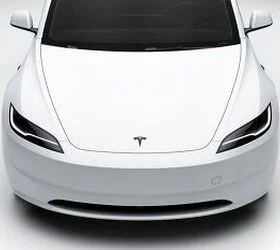
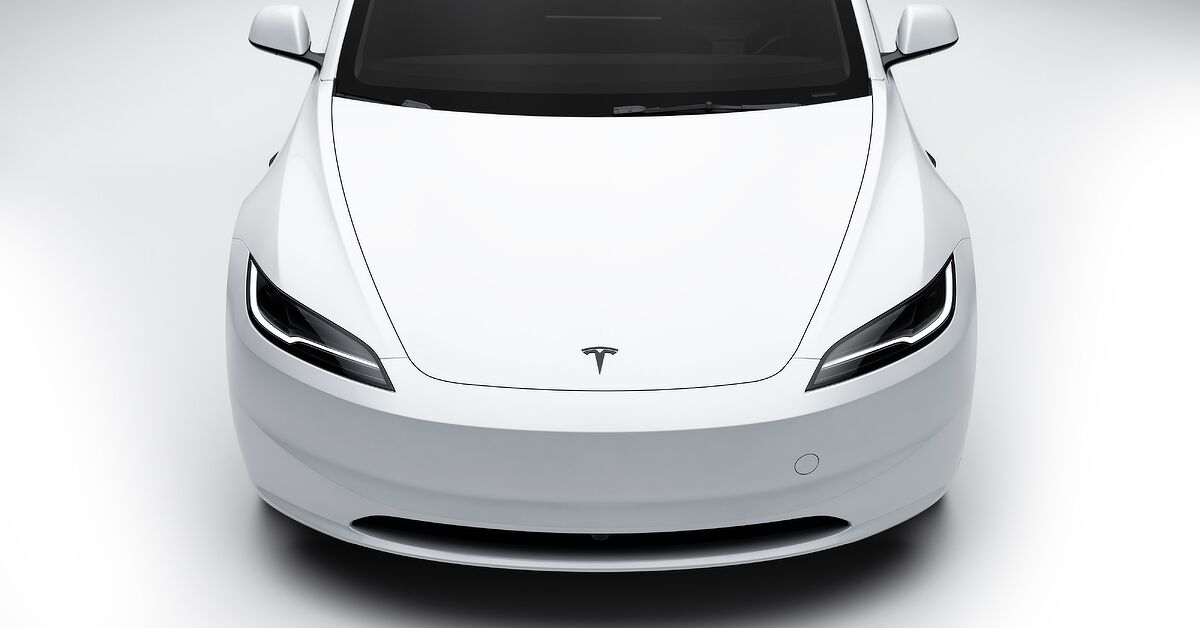
Tesla has rolled out a series of updates for its popular Model 3 sedan, introducing a slightly larger central display, increased power for the Performance trim, and enhanced acceleration for the Premium All-Wheel Drive variant. These refinements, which began appearing in production and are being phased in globally, reflect Tesla’s continuous iteration cycle for its electric vehicles. While the headline-grabbing change is the expanded touchscreen, the performance gains and the potential introduction of advanced features like vehicle-to-load (V2L) capabilities signal Tesla’s ongoing efforts to maintain a competitive edge in the rapidly evolving EV market.
Evolution of the Model 3 Interface: A Larger Window to the Tesla Ecosystem
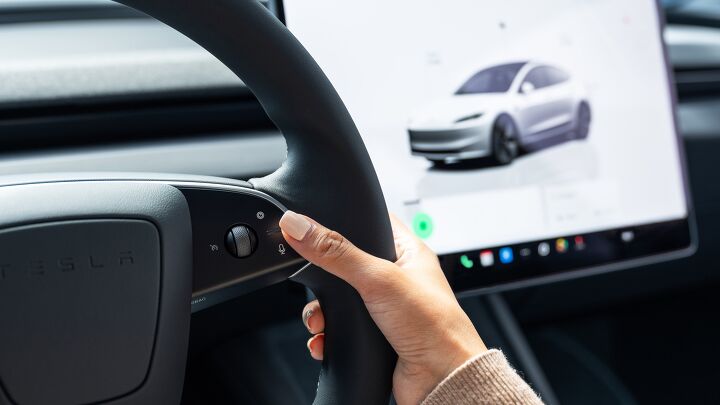
The most immediately noticeable upgrade for prospective Model 3 buyers is the adoption of a larger 16-inch central touchscreen, replacing the previous 15.4-inch unit. This new display, already a fixture in the Model Y, is designed to offer a more immersive and visually rich user experience. While the increase of 0.6 inches might seem incremental, Tesla emphasizes that the new screen also boasts a higher pixel density. This enhancement is expected to translate into sharper graphics, more vibrant colors, and improved clarity for navigation, media playback, and vehicle controls.
For Tesla owners, the central touchscreen is not merely an infotainment system; it’s the primary interface for nearly all vehicle functions. From climate control and seat adjustments to driving mode selections and advanced driver-assistance system settings, virtually every aspect of the Model 3 is managed through this digital hub. Therefore, even a modest increase in screen size and resolution can significantly impact the daily usability and perceived premium feel of the vehicle. Early reports from Model Y owners who have experienced this upgraded display suggest a noticeably faster refresh rate and enhanced touch responsiveness, promising a smoother and more intuitive interaction for Model 3 drivers.
The move to a larger, higher-resolution screen aligns with broader trends in the automotive industry, where larger and more sophisticated displays are becoming increasingly standard. However, Tesla’s approach, characterized by minimalist interiors and reliance on a single central screen, makes these display upgrades particularly impactful. This iterative improvement also reflects Tesla’s strategy of refining its vehicles through ongoing production changes rather than distinct model year overhauls, allowing for quicker adoption of new technologies and features.
Performance Upgrades: Sharpening the Edge for Enthusiasts
Beyond the visual enhancements, Tesla has also dialed up the performance for specific Model 3 variants. The Model 3 Performance trim has received a power bump, increasing its output to 528 horsepower from the previous 510 horsepower. While the official zero-to-60 mph time remains unchanged at a blistering 2.9 seconds, this added power could contribute to improved acceleration at higher speeds or a more potent driving experience. Tesla’s official figures often represent conservative estimates, and it’s plausible that real-world performance metrics, such as quarter-mile times or trap speeds, may see marginal improvements that are not explicitly advertised.
Perhaps more significant for everyday driving dynamics is the acceleration improvement for the Model 3 Premium All-Wheel Drive variant. Tesla now claims this model can achieve 0-60 mph in just 3.8 seconds, a notable improvement from its previous 4.2-second benchmark. This enhancement, achieved without an increase in horsepower according to Tesla, suggests optimizations in power delivery, traction control, or powertrain efficiency. Such a gain in acceleration can make a tangible difference in overtaking maneuvers and the overall responsiveness of the vehicle.
The stated peak range for the Model 3 Premium AWD remains unaffected at 346 miles, indicating that these performance enhancements have been achieved without compromising efficiency. However, as Tesla and other EV manufacturers consistently remind consumers, actual driving range is heavily influenced by driving style, ambient temperature, and terrain. Aggressive acceleration, while exhilarating, will inevitably reduce the distance achievable on a single charge.
Market-Specific Features and the Global Rollout Strategy
The recent updates to the Model 3 appear to be part of a phased global rollout, with some advanced features initially being prioritized for specific markets, particularly China and Australia. One such feature is Tesla’s "Powershare" capability, already present on the Cybertruck, which allows the vehicle to integrate with the broader electrical grid and function as a home backup battery. This Vehicle-to-Grid (V2G) or Vehicle-to-Home (V2H) functionality, along with Vehicle-to-Load (V2L) capabilities to power external devices, is becoming increasingly common in the EV landscape.
The absence of explicit mention of these V2L/V2G features for Western markets is noteworthy. Given the growing consumer interest in electric vehicles that can serve multiple purposes beyond transportation, including providing power to homes or charging other devices, Tesla’s decision to initially limit these capabilities to select regions raises questions about its rollout strategy. Industry analysts suggest that regulatory hurdles, infrastructure development, and differing consumer demands in various markets could influence the pace at which these advanced power-sharing features become available in North America and Europe. It is plausible that Tesla is still working on the necessary certifications and hardware adaptations for these regions, and their eventual introduction is expected.
Another market-specific enhancement is the introduction of a new "Zen Gray" cabin color option, intended to complement or replace the existing black and white interiors on certain trims. This cosmetic update, while less impactful than powertrain or display changes, contributes to the overall personalization and premium appeal of the vehicle. Like the V2L capabilities, the availability of this new interior color may initially be restricted to specific production lines and markets, with a broader rollout anticipated as production logistics are optimized.
Pricing Stability Amidst Market Fluctuations
In a notable move within the current automotive market, Tesla has maintained the pricing for the updated Model 3. The base rear-wheel-drive model continues to start at an MSRP of $36,990. The Model 3 Premium, available in rear-wheel drive and all-wheel-drive configurations, starts at $42,490 and $47,490 respectively. The performance-oriented Model 3 Performance, exclusively all-wheel drive, remains priced at $54,990. These prices do not include Tesla’s mandatory $1,390 destination fee, which is standard across all its models.
This pricing stability is a welcome announcement for consumers, particularly at a time when many automakers are experiencing inflationary pressures that often translate into higher vehicle prices. The decision to hold prices steady, even with the inclusion of updated features, suggests a strategic effort by Tesla to maintain market share and appeal to a broad range of buyers. It also underscores Tesla’s continued focus on manufacturing efficiency and economies of scale, which have historically allowed it to offer competitive pricing in the EV segment.
The primary physical change for Western markets, as indicated, is the larger screen. The performance enhancements are believed to be largely software-driven, which allows Tesla to implement them without significant increases in manufacturing costs. This approach to product updates, a hallmark of Tesla’s operational philosophy, allows for continuous improvement without the disruption of traditional model year changes.
Broader Implications and Future Outlook
The series of updates for the Tesla Model 3 underscores the company’s commitment to iterative development and its agile approach to product management. By continuously refining its offerings, Tesla aims to stay ahead of a rapidly growing field of EV competitors. The larger, more advanced infotainment screen caters to the increasing importance of digital integration and user experience in modern vehicles. The performance enhancements, while perhaps incremental for the Performance trim, contribute to the Model 3’s reputation for exhilarating acceleration and driving dynamics, particularly for the Premium AWD variant.
The staggered introduction of features like V2L capabilities highlights the complexities of global product deployment. As the EV market matures, features that were once considered niche are becoming mainstream expectations. Tesla’s ability to adapt and integrate these technologies across its lineup will be crucial for its sustained success. The company’s consistent pricing strategy in the face of market trends further solidifies its position as a significant player, offering compelling value propositions to consumers.
The Model 3, a cornerstone of Tesla’s sales volume, continues to evolve, reflecting the company’s forward-thinking approach to automotive design and technology. These latest updates, though subtle in some aspects, reinforce the Model 3’s appeal as a technologically advanced, high-performing, and increasingly refined electric sedan. As Tesla navigates the global automotive landscape, its ability to innovate and adapt its product offerings will remain a key determinant of its future trajectory.
Images: Tesla
Become a TTAC insider. Get the latest news, features, TTAC takes, and everything else that gets to the truth about cars first by subscribing to our newsletter.