Sharp styling, aggressive spoilers, and sculpted air dams can often create an illusion, leading automotive enthusiasts to believe a potent engine lurks beneath the hood. However, as history has shown, appearances can be deceiving. Many vehicles have captured hearts with their striking aesthetics, only to deliver performance figures that failed to match their dramatic designs. This phenomenon, where form appears to have significantly outpaced function, has given rise to a category of cars affectionately, or perhaps ironically, known as "all show, no go." This article delves into a selection of such vehicles, exploring their design philosophies, the mechanical realities that defined them, and the enduring appeal they hold despite their performance shortcomings.
The Deceptive Exterior: When Style Trumps Substance
The automotive industry thrives on aspiration. Designers strive to create vehicles that evoke emotion, and often, that emotion is tied to speed, power, and sporting prowess. This is achieved through aggressive lines, low-slung profiles, aerodynamic enhancements, and bold design cues. Yet, the engineering and economic realities of production can sometimes mean that the powertrain intended to match the visual drama is either unavailable, too costly, or simply not prioritized. The result is a car that looks like it could dominate the track but struggles to keep pace with more modest offerings. This disconnect between perceived performance and actual capability is a fascinating aspect of automotive history, creating a unique space in the hearts of collectors and enthusiasts who appreciate the aesthetic achievement, even if the engine note doesn’t quite live up to the visual promise.
A Gallery of Gorgeous Underperformers
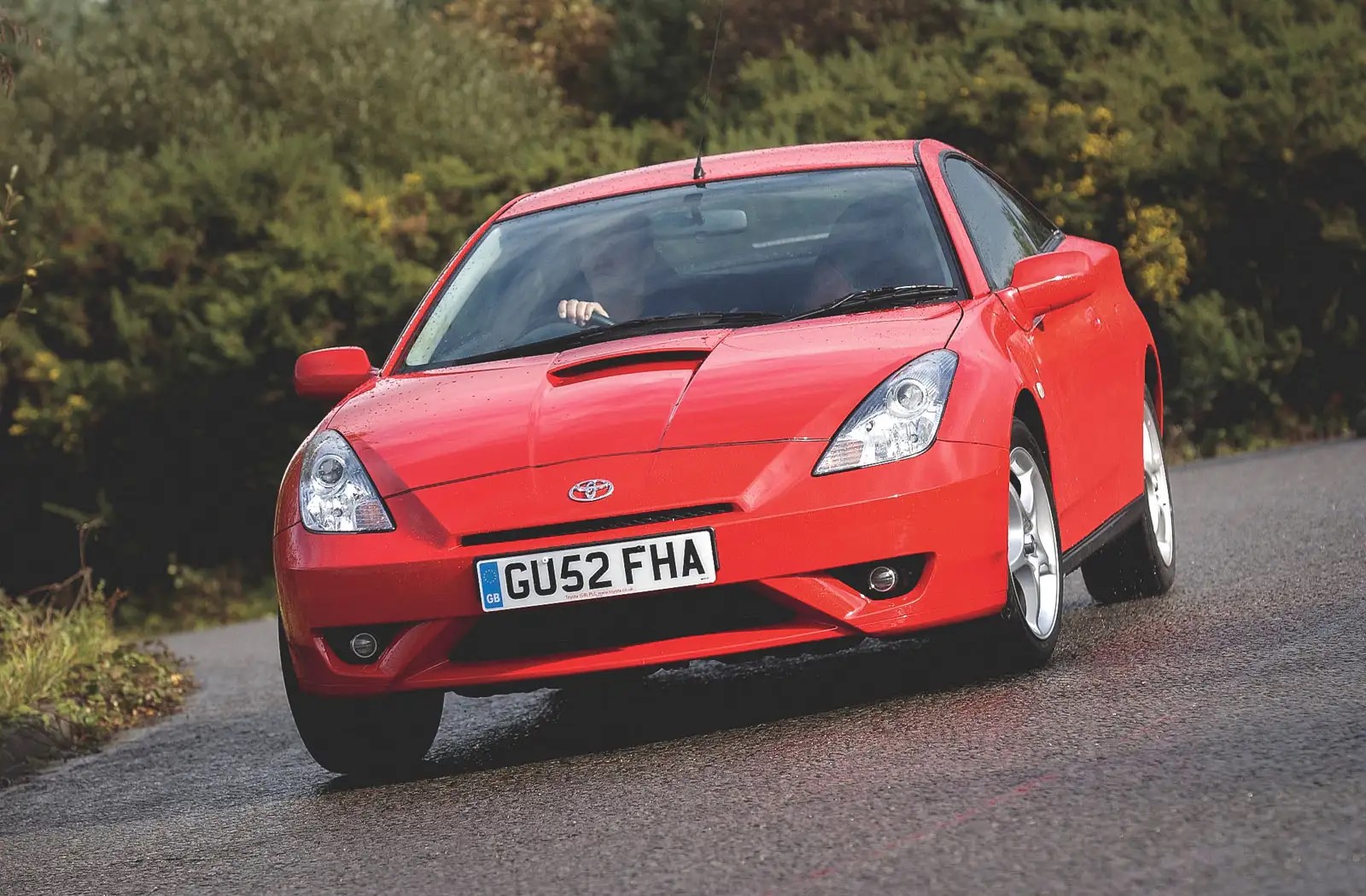
Toyota Celica: The Toyota Celica, particularly in its earlier generations, often presented a sporty facade that hinted at performance. With its low-slung stance, a subtle bonnet scoop, and dynamically sculpted lines, it certainly looked the part of a capable coupe. However, the initial iteration of the Yamaha-derived 1.8-litre VVT-i engine produced a modest 143bhp. This translated to a 0-62mph sprint of around 9 seconds, with a top speed of 127mph. While the Celica was lauded for its excellent handling, particularly as a front-wheel-drive car in 1999, its acceleration figures were not groundbreaking, suggesting its sporty looks were more about agility than outright speed.
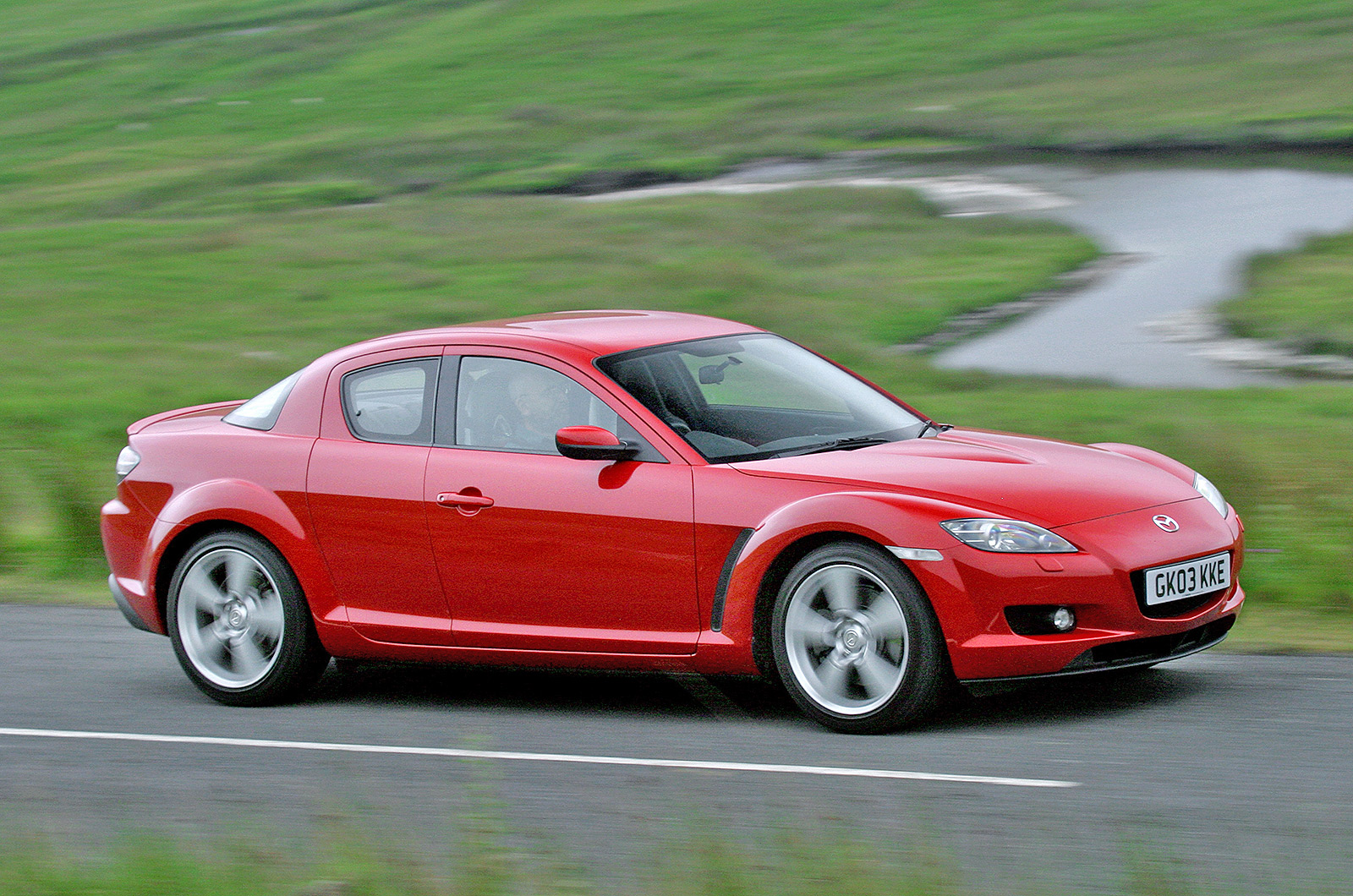
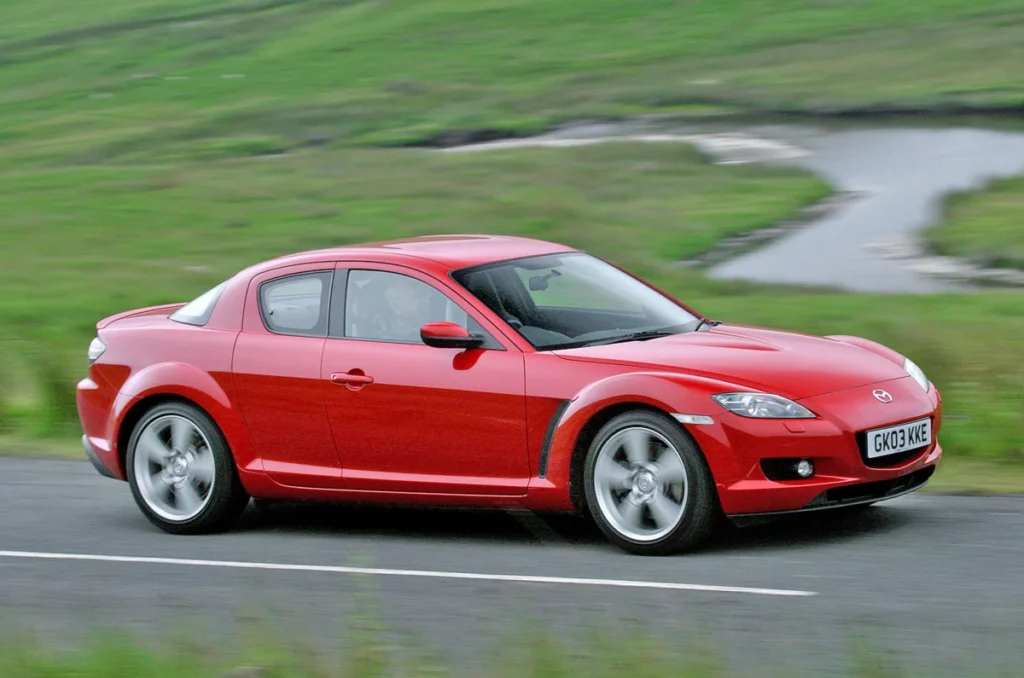
Mazda RX-8: The Mazda RX-8 was a car that defied convention, both in its engineering and its visual appeal. Its unique 2+2 layout, sporty bodywork, and, most notably, its naturally aspirated, high-revving 1.3-litre Wankel rotary engine, promised an exhilarating driving experience. This engine was an evolution of the RX-7’s twin-turbocharged unit, and while it offered a unique character, it lacked the low-end torque typical of piston engines. The RX-8 launched with 189bhp, but only 162lb ft of torque. This characteristic of rotary engines, combined with the absence of turbocharging, resulted in a 0-62mph time of 7.5 seconds and a quarter-mile time of around 17 seconds. While spirited in its rev-range, its straight-line performance didn’t always match the aggressive styling.
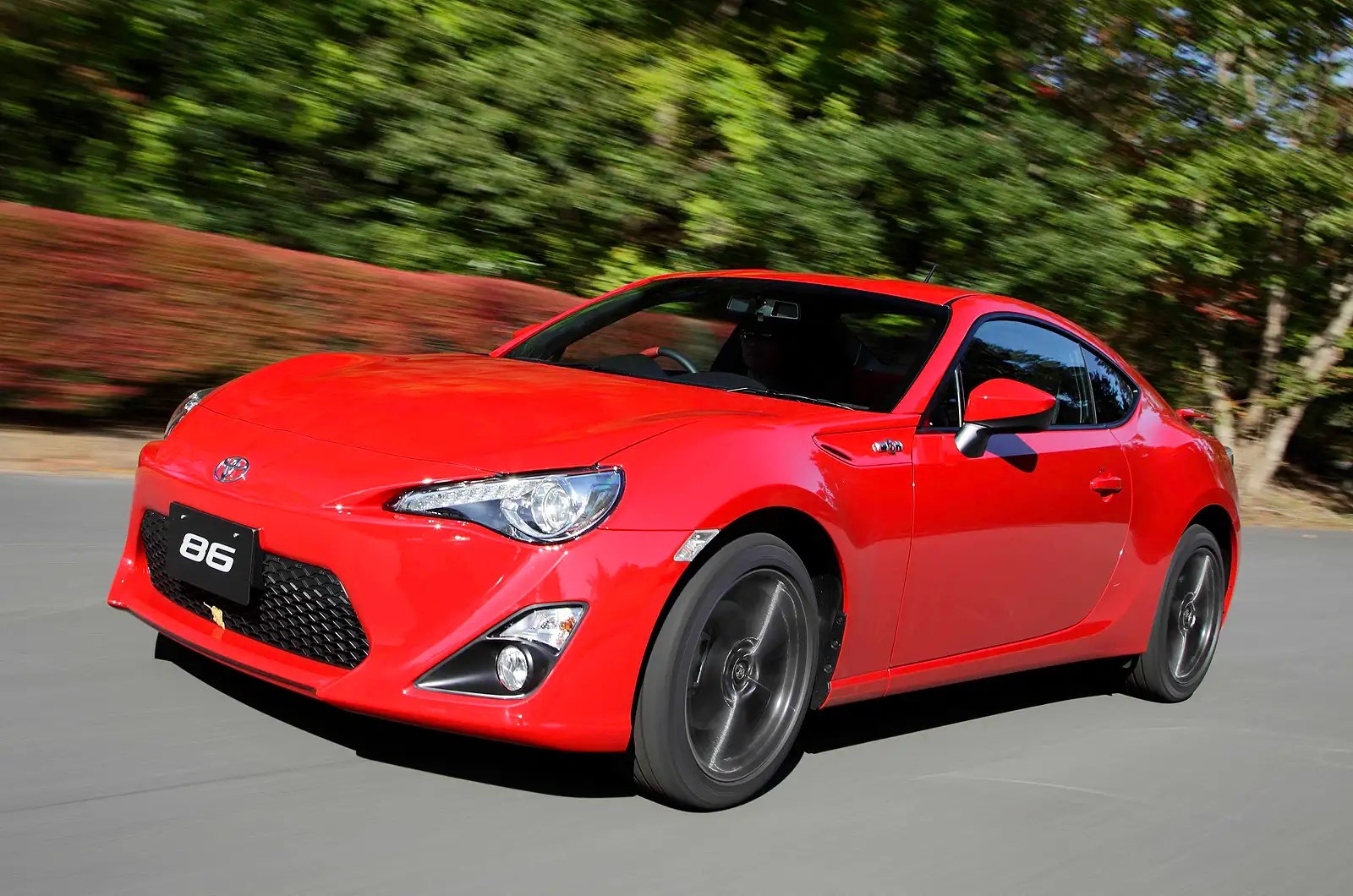
Toyota GT86: When the Toyota GT86 (also known as the Scion FR-S in North America) debuted in 2012, it was met with widespread praise for its lightweight chassis, rear-wheel-drive configuration, and balanced 50:50 weight distribution. It undeniably looked the part of a modern sports car, with aggressive headlights, a low-slung stance, and a sleek, swooping roofline. Under the hood, a 2.0-litre Boxer engine delivered 197bhp and 151lb ft of torque. Considering its modest 1239kg (2731lbs) curb weight, the manual transmission version achieved 0-62mph in 7.7 seconds, reaching a top speed of 137mph. However, the automatic transmission variant significantly softened the performance, pushing the 0-62mph time to a more pedestrian 8.2 seconds, a notable step down for those seeking consistent sporty engagement.
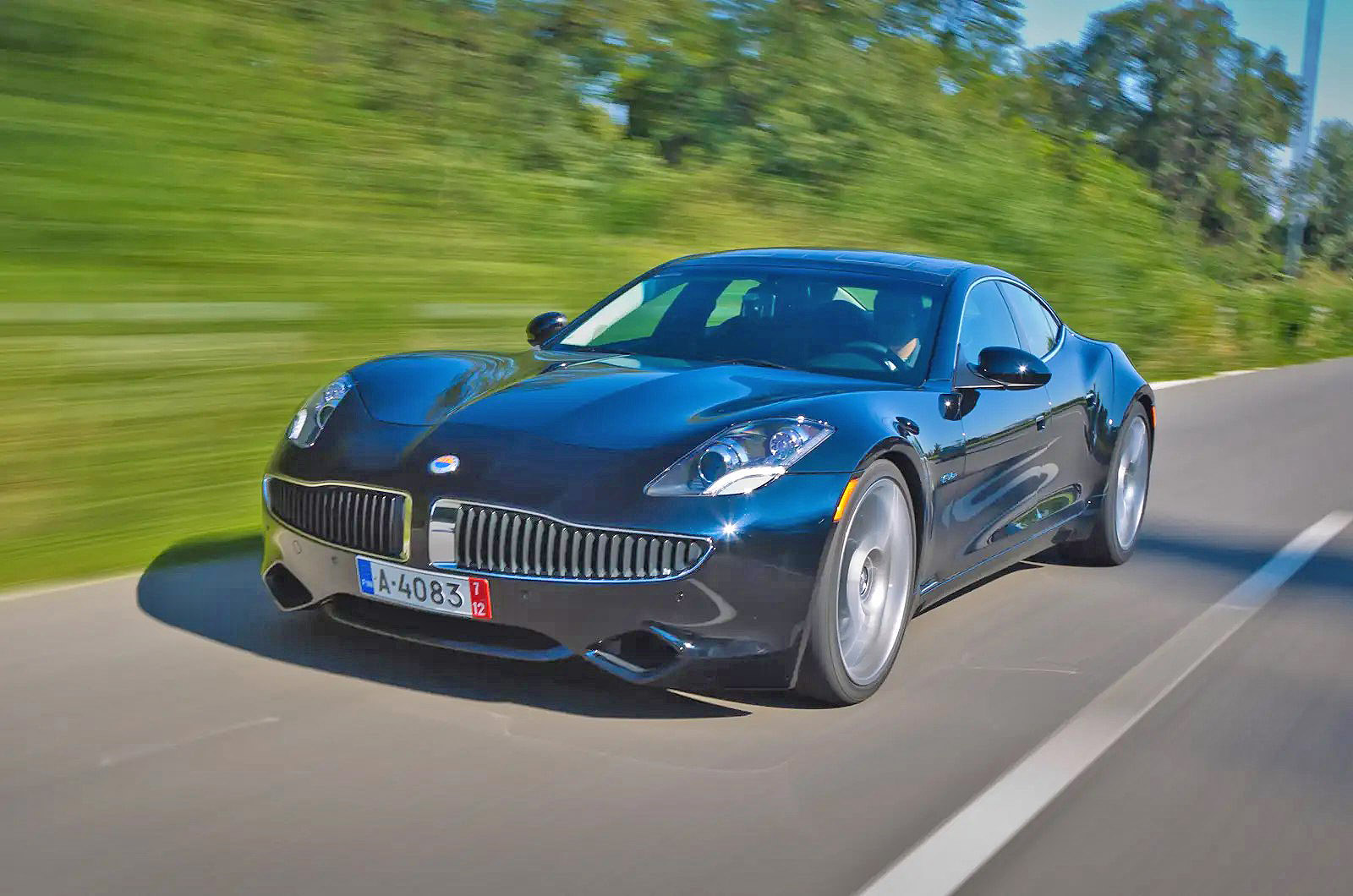
Fisker Karma: The Fisker Karma, designed by Henrik Fisker, a renowned designer behind the BMW Z8 and Aston Martin Vantage, was a visual masterpiece upon its arrival in 2011. Its long bonnet, wide stance, and intricately sculpted bodywork evoked the lines of a high-performance GT, suggesting speeds well in excess of 170mph. The car’s aesthetics were undeniably its strongest suit, drawing comparisons to prestigious Aston Martin models. However, beneath this stunning exterior lay a unique hybrid powertrain. It featured a 260bhp 2.0-litre turbocharged gasoline engine acting as a range extender, paired with two 201bhp electric motors powering the rear wheels. On electric power alone, the Karma could accelerate to 62mph in a respectable, but not earth-shattering, 8.0 seconds. While technologically advanced and visually striking, its performance was more in line with a luxury sedan than a true supercar, especially when compared to its aggressive styling.
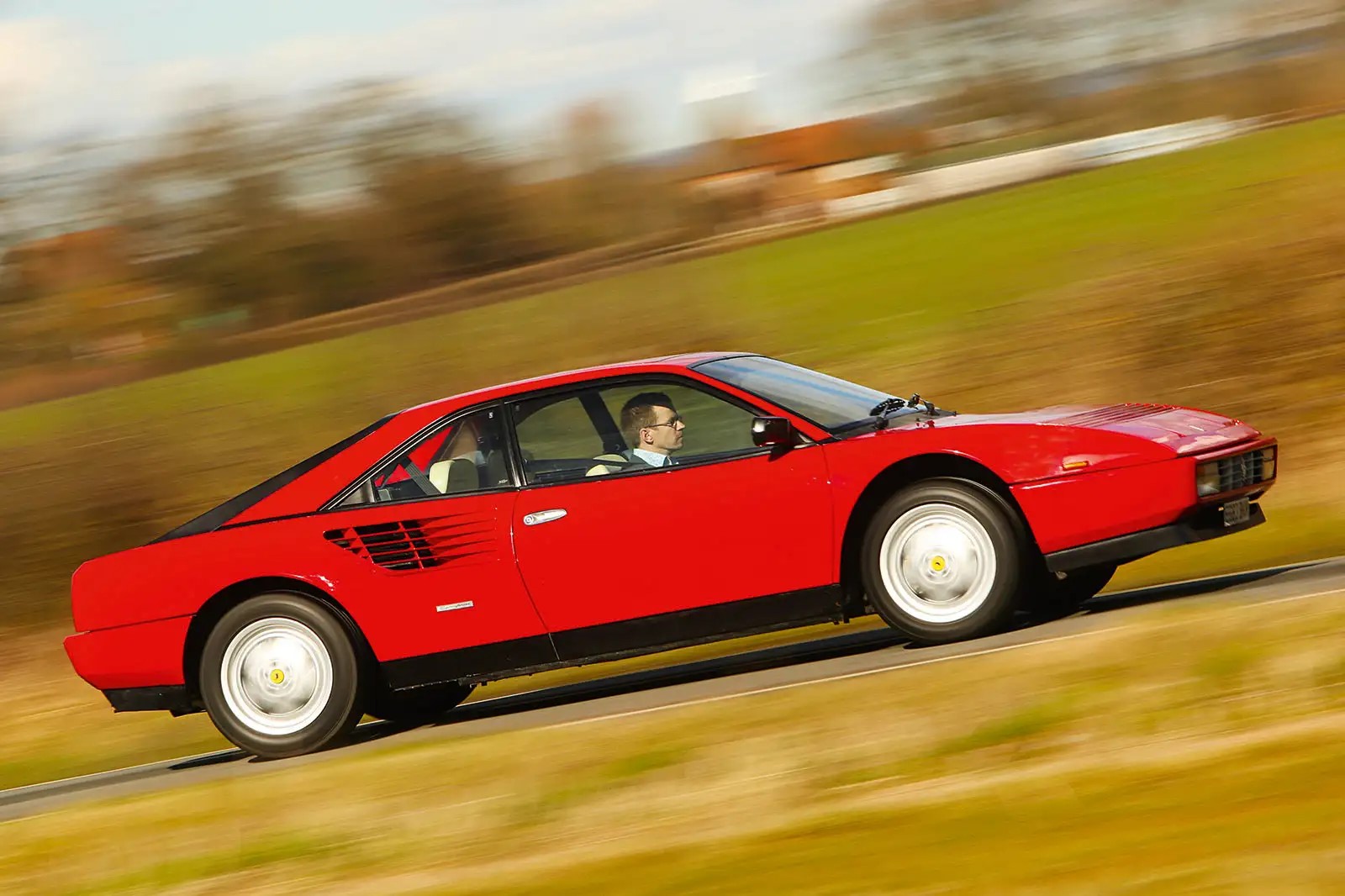
Ferrari Mondial: In the 1980s, Ferrari was synonymous with automotive excellence, producing icons like the Testarossa and the F40. The Mondial, launched in 1980, shared the unmistakable Ferrari DNA. It boasted an iconic sloped front end, cooling vents for its mid-mounted V8 engine, and an undeniable supercar presence. However, its performance did not quite live up to the prancing horse badge. The initial 3.0-litre V8 produced a relatively modest 214bhp (205bhp in US specification). This power output meant the Mondial struggled to reach 62mph from a standstill in less than 8.2 seconds, with some accounts placing the figure closer to 10 seconds. While it could eventually reach 140mph with sufficient space, its acceleration was notably more sedate than its more illustrious stablemates.
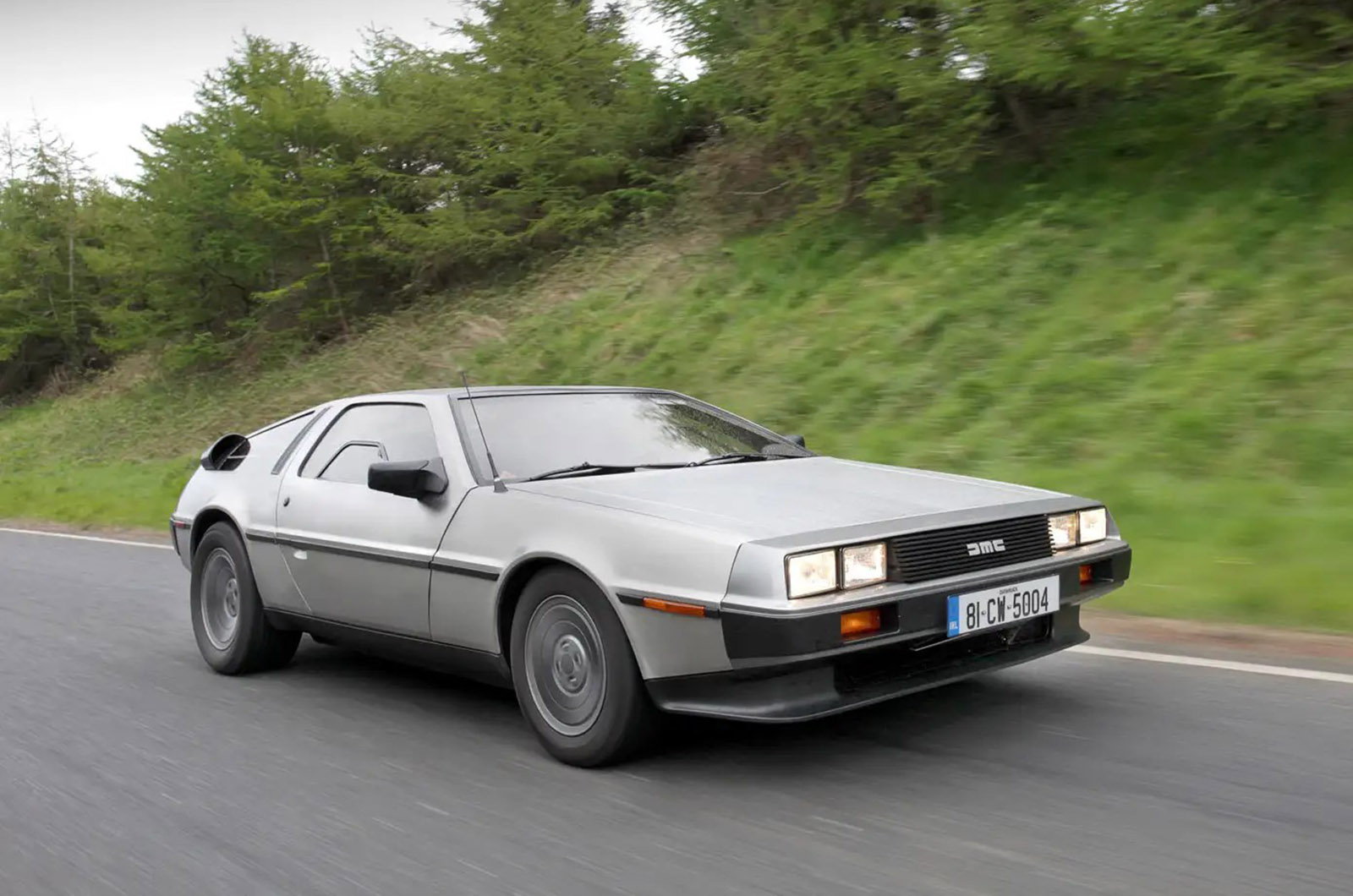
DeLorean DMC-12: The DeLorean DMC-12 is a car etched into popular culture, primarily for its starring role in the "Back to the Future" film franchise. Its futuristic design, characterized by brushed stainless steel bodywork and iconic gullwing doors, certainly projected an image of speed and innovation. However, the production reality of the DMC-12 was a story of compromise. The company faced significant challenges in sourcing a suitable engine. After early prototypes experimented with Ford V6 and even a turbocharged four-cylinder Citroen engine, DeLorean ultimately settled on a 2.85-litre Peugeot V6. This powerplant produced a mere 130bhp. Coupled with the car’s 1230kg (2712lbs) weight, this resulted in a sluggish 0-62mph time of 10.5 seconds. While the claimed top speed was 130mph, some sources suggest it struggled to exceed 105mph, a stark contrast to its aspirational supercar aesthetics.
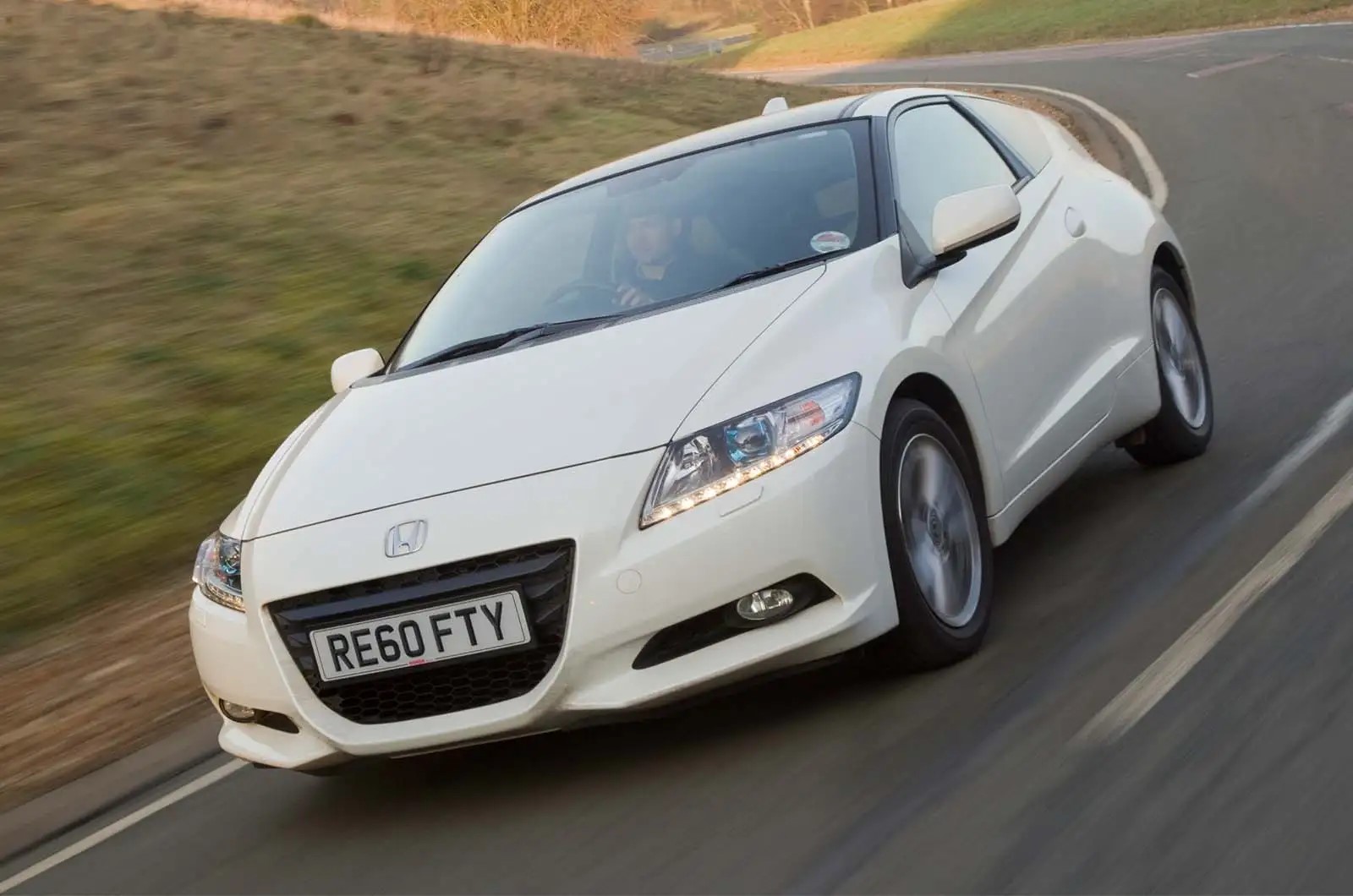
Honda CR-Z: When Honda teased the CR-Z, there was palpable excitement among enthusiasts, who envisioned a spiritual successor to the beloved CRX. The car certainly possessed the visual cues: a sloped roofline, a wide stance, and a low center of gravity. However, the powertrain was a departure from the high-revving VTEC engines of old. The CR-Z featured a 1.4-litre hybrid powertrain that produced a combined output of 122bhp. While Honda engineered the CR-Z with a stiffer suspension setup for enjoyable B-road handling, its straight-line performance was decidedly uninspiring. The 0-62mph sprint took a leisurely 10.0 seconds, with a top speed of 118mph. Despite its sporty appearance, the CR-Z prioritized efficiency and handling over outright acceleration.
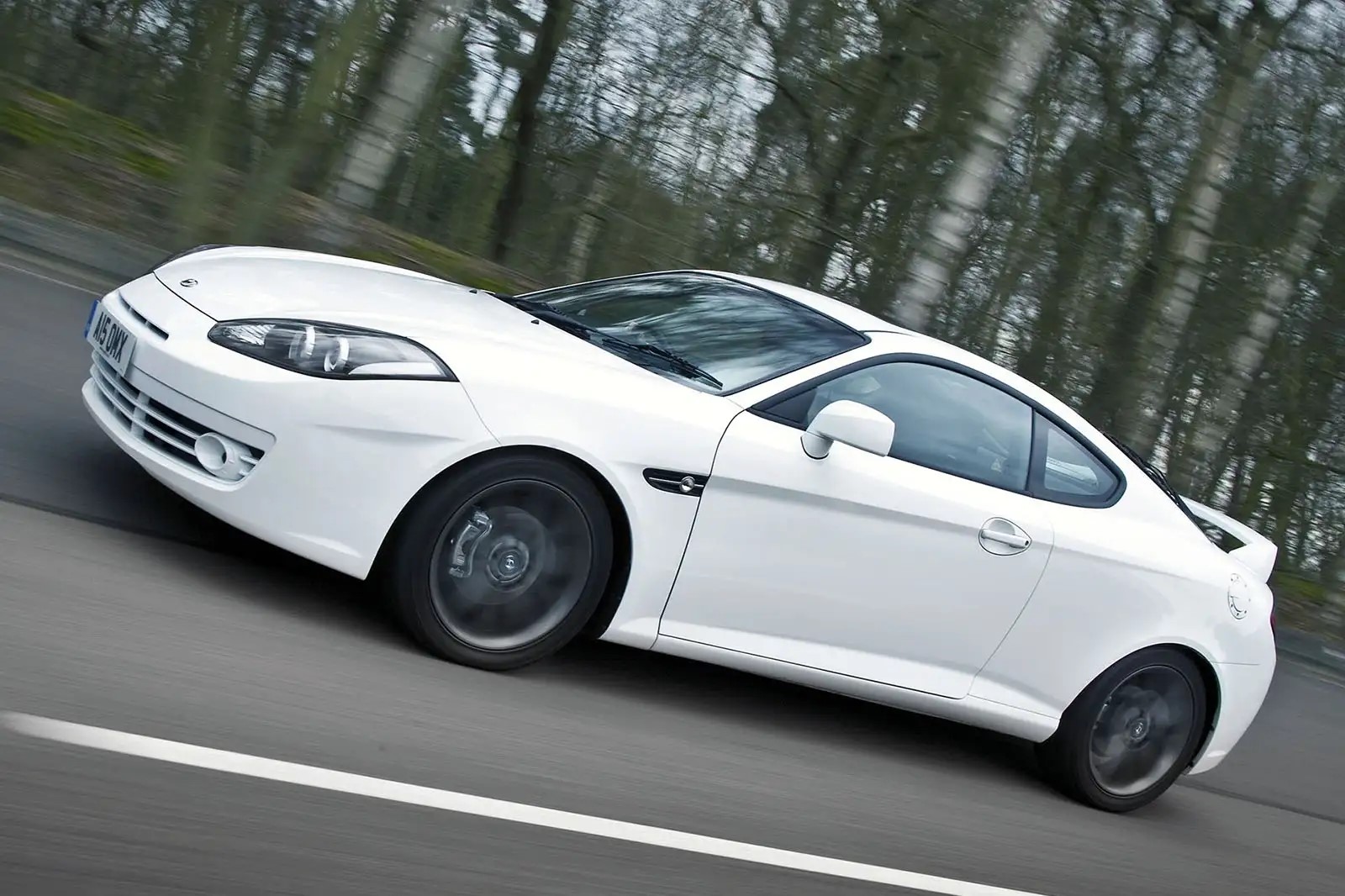
Hyundai Coupe: The Hyundai Coupe, particularly after its 2005 facelift which introduced updated lighting and tweaked bodywork, was an undeniably handsome car. Its sleek and sporty profile appealed to a younger demographic looking for an attractive vehicle without the prohibitive insurance costs often associated with sportier cars. However, in its base guise, the 1.6-litre engine offered a mere 103bhp. This modest output translated into a 0-62mph acceleration time of 11.5 seconds and a top speed of only 115mph, a performance level that barely registered on the sporting spectrum, despite its aggressive looks.
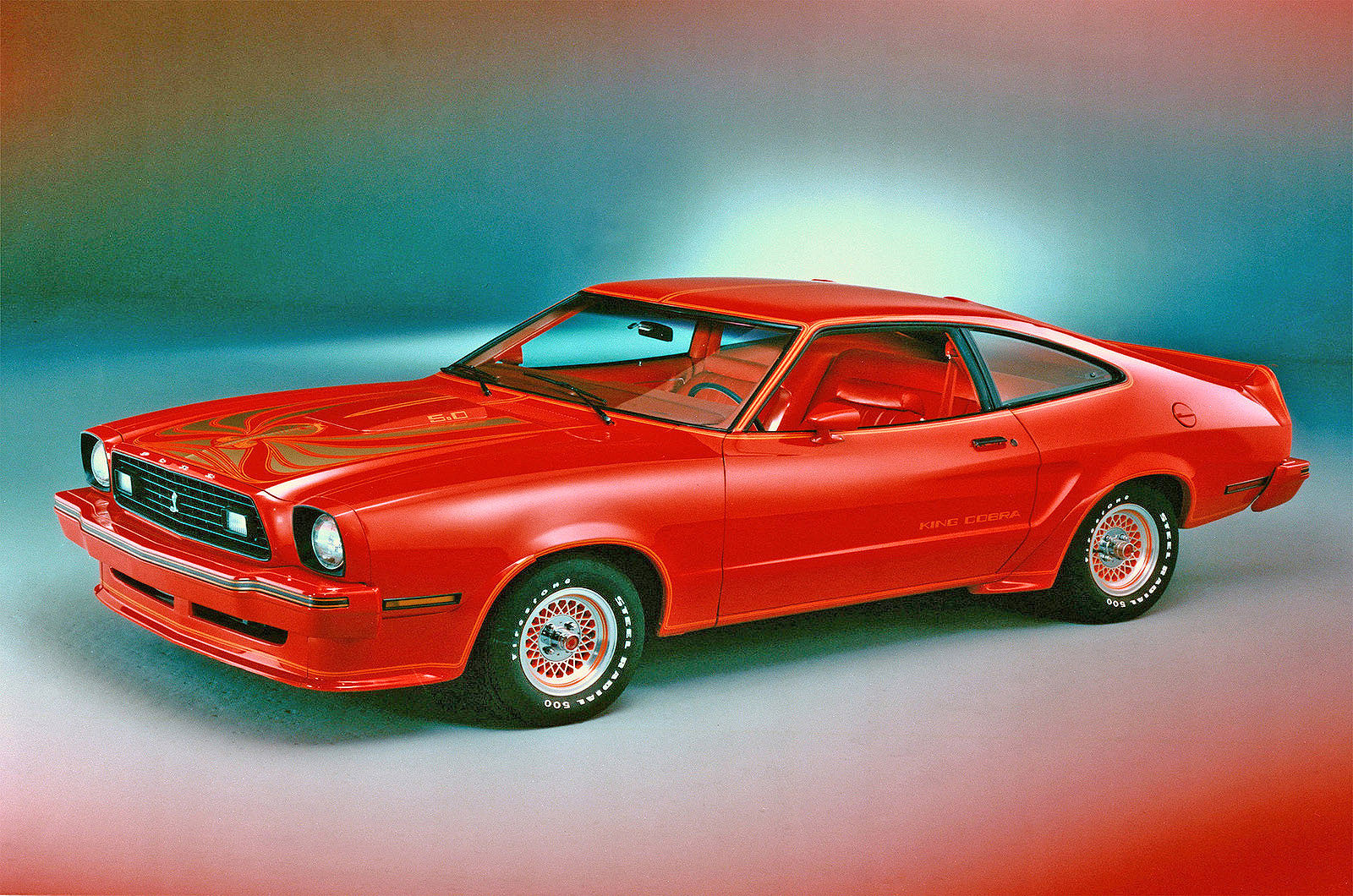
Ford Mustang King Cobra: Following the 1974 fuel crisis, Ford sought to balance fuel efficiency with traditional Mustang appeal. This led to the introduction of the Mustang King Cobra, a model that, while retaining the iconic Mustang silhouette, significantly dialled back the performance. Owners had the choice between an 88bhp 2.3-litre four-cylinder or a 105bhp 2.8-litre V6, a far cry from the potent 5.0-litre V8s of previous generations. The V6 option meant that achieving 0-60mph took an agonizing 13 seconds, rivaling more utilitarian vehicles, and the car struggled to break the 100mph barrier. The King Cobra was a product of its time, prioritizing economy over the muscle car heritage it visually represented.
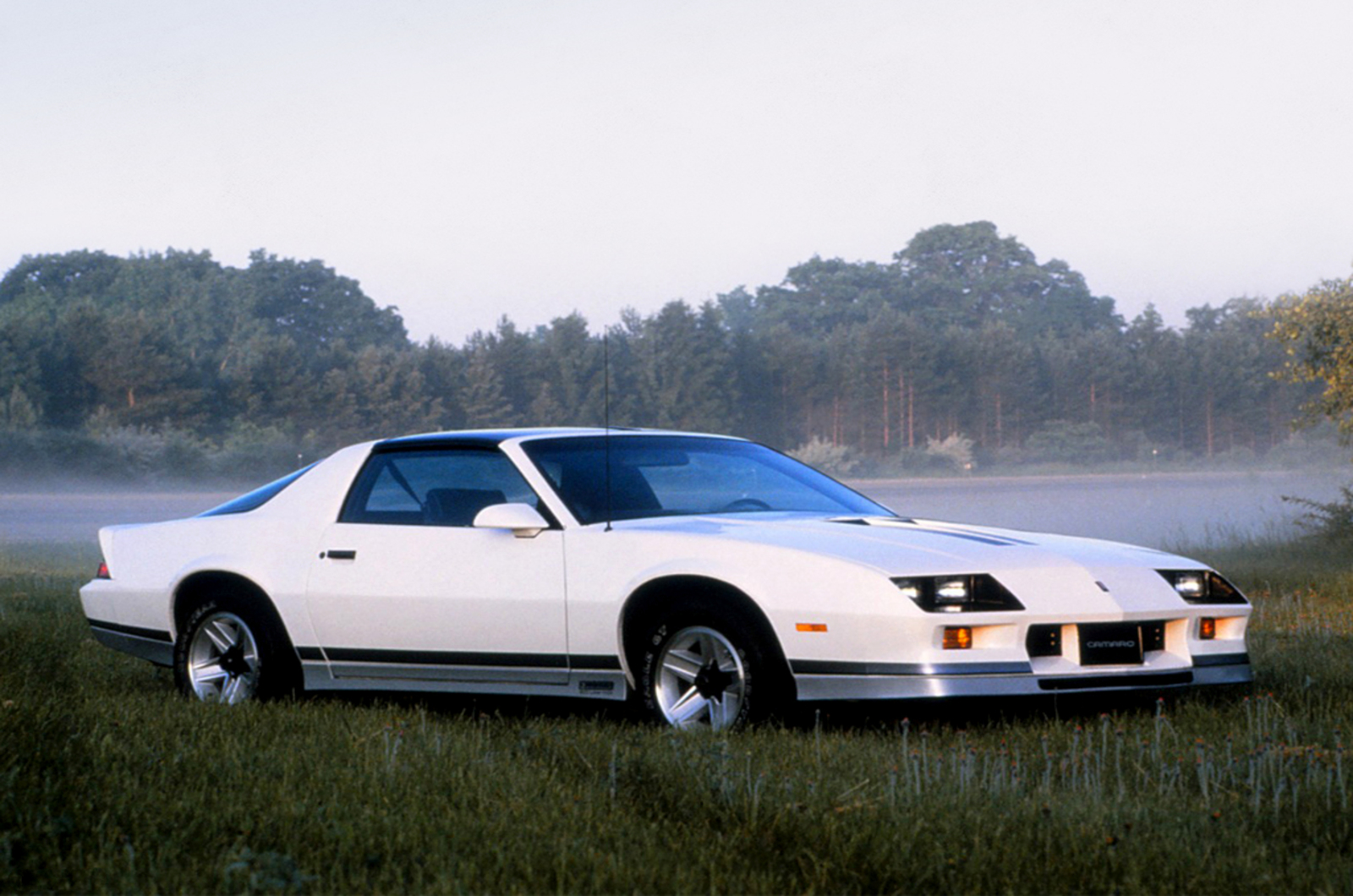
Chevrolet Camaro: The Chevrolet Camaro, a perennial rival to the Ford Mustang, has a rich history of offering potent V8 engines. However, the third generation, introduced in 1982, saw a diversification of its powertrain options, including inline-six and V6 configurations. The base model featured a 2.5-litre V6 producing a mere 89bhp and 132lb ft of torque. Despite its supercar-inspired aerodynamic lines and wide muscle car bodywork, this limited power output meant the Camaro lumbered to 62mph in a protracted 13.8 seconds, with a top speed of just 106mph. This starkly contrasted with the performance expectations set by its aggressive styling.
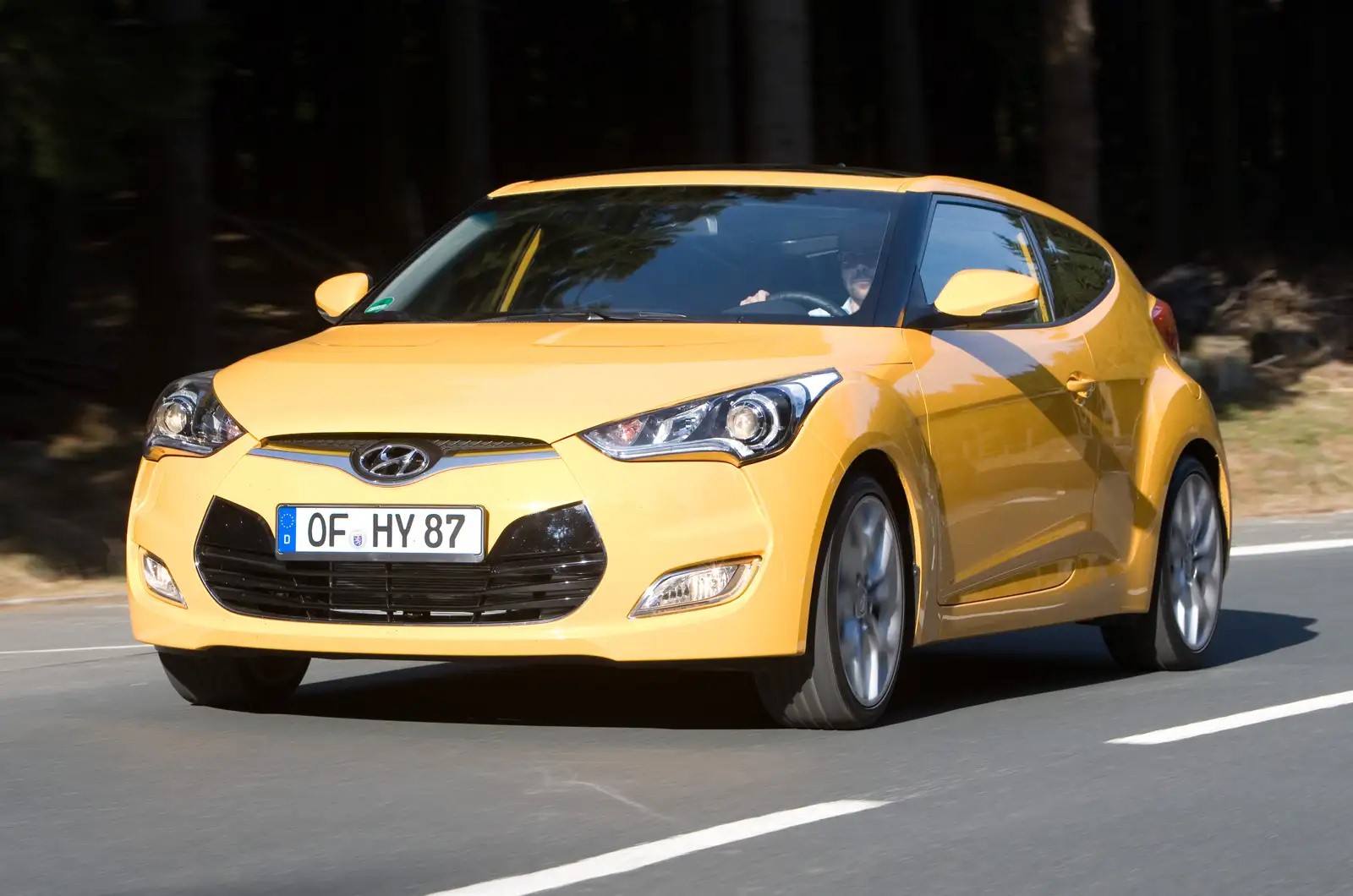
Hyundai Veloster: Launched in 2012, the Hyundai Veloster aimed to compete with popular sporty coupes like the Volkswagen Scirocco. Its quirky asymmetrical three-door design and sloping coupe silhouette certainly made a visual statement. The Veloster offered good handling, minimal body roll, and ample grip, suggesting a capable performance machine. However, the base 1.6-litre engine delivered only 138bhp to the front wheels, resulting in a lengthy 10-second sprint to 62mph. Hyundai later addressed this deficit with the introduction of a more powerful turbocharged variant, acknowledging the base model’s performance shortcomings.
The Legacy of the Beautifully Underpowered
The cars listed above represent a recurring theme in automotive history: the powerful allure of design. While some enthusiasts prioritize raw power and acceleration, others are captivated by the artistry and emotional connection that a well-designed vehicle can inspire. These cars, despite their modest powertrains, have often achieved cult status, celebrated for their aesthetic achievements and the unique driving experience they offer, even if that experience doesn’t involve blistering acceleration. They serve as reminders that the automotive world is not solely defined by horsepower figures, but also by the passion, design innovation, and enduring appeal that can transform a car into an icon, regardless of its engine’s capabilities. The continued interest and value placed on these vehicles in the used car market underscore the enduring power of design and the romantic notion of a car that looks faster than it is.