The intricate interplay between innovation, material science, and manufacturing processes has profoundly shaped the trajectory of human civilization, often in ways that are both unexpected and transformative. While momentous inventions like the lightbulb are readily recognized for their societal impact, subtler, yet equally revolutionary, advancements have quietly reconfigured entire industries and redefined our perception of what is possible. This is the realm of the De Havilland Mosquito aircraft and the iconic chairs produced by the Thonet company. These seemingly disparate entities share a profound connection: they were pioneers in rethinking material utilization, manufacturing systems, and design principles, laying foundational elements for much of the modern world, from aerospace engineering and high-performance vehicles to the ubiquitous furniture that furnishes our homes and public spaces.
The narrative of these innovations is not merely a recounting of historical facts but an exploration of paradigm shifts. The Mosquito, a World War II-era aircraft, and the bentwood and later molded plywood and tubular steel furniture of Thonet, represent moments where the "reality layer of the world peels back to expose dreams, imagined universes, and other paths, radically different from the current reality." This is not to suggest they are mere curiosities; rather, they are exemplars of how a radical departure from established norms can unlock unforeseen possibilities and fundamentally alter the landscape of technological and aesthetic development. Their impact extends far beyond their immediate applications, influencing the very systems by which things are made, the materials employed, and the globalized networks that facilitate their production and distribution.

The De Havilland Mosquito: A Revolution in Aircraft Construction
The De Havilland Mosquito, often hailed as the "Wooden Wonder," emerged during a critical juncture of World War II, challenging conventional wisdom in aircraft design and manufacturing. Prior to its development, aircraft construction largely relied on the principles of traditional carpentry and metallurgy, akin to building a tent or a bridge. World War I aircraft, for instance, were essentially fabric-covered wooden structures, held together by tensioned wires and relying on early metal components only when absolutely necessary. This inherent "weight allergy" in early aviation meant designers primarily grappled with two binary problems: getting airborne and crashing. The ability to maintain stable flight or execute controlled landings were secondary concerns, often addressed on the fly. By World War II, while aluminum skins and steel frameworks had become standard, the construction methods still involved extensive riveting and a certain fragility in the face of modern warfare.
The Mosquito, however, represented a profound departure. Its innovative construction utilized a composite material approach, though not in the modern sense of carbon fiber and resins. Instead, it was ingeniously crafted from a sandwich of Alaskan spruce, English ash, Canadian birch, and fir, bonded together with glue and screws, and often covered in fabric. This wood-and-glue construction, with its fuselage molded in two halves and incorporating wiring before assembly, echoed the principles of molded furniture. The resulting airframe was remarkably strong and lightweight, capable of outperforming many contemporary all-metal aircraft in speed and altitude. This achievement was particularly remarkable given the material constraints and the prevailing manufacturing techniques.
The implications of the Mosquito’s design were far-reaching. It demonstrated that wood, when engineered and utilized in a composite structure, could rival or even surpass traditional metals in terms of strength-to-weight ratio for certain applications. This was a revelation for an industry acutely sensitive to weight. The success of the Mosquito spurred further exploration into composite materials within the aerospace sector, a trend that continues to define modern aircraft development. Questions surrounding the extensive use of composites in contemporary aircraft like the F-35 variants, the rationale behind Boeing’s outsourcing of critical manufacturing, and the distributed European production model for Airbus components can all trace a lineage back to the foundational understanding of material engineering championed by the Mosquito.
Thonet: Pioneering Mass Production and Modern Furniture Design
Concurrently, across the Atlantic and in different spheres of manufacturing, the Thonet company was orchestrating a revolution of its own in furniture design and production. Michael Thonet, an Austrian-German cabinet maker, began experimenting with bentwood in the early 19th century. His innovations were not merely aesthetic; they were deeply rooted in material science and manufacturing efficiency.
A Chronology of Thonet’s Innovations:
- 1819: Michael Thonet establishes his own workshop in Boppard, Germany.
- 1830s: Thonet begins experimenting with bent plywood, leading to early designs like the Boppard chair.
- 1853: Thonet establishes the "Gebrüder Thonet" (Thonet Brothers) firm with his sons.
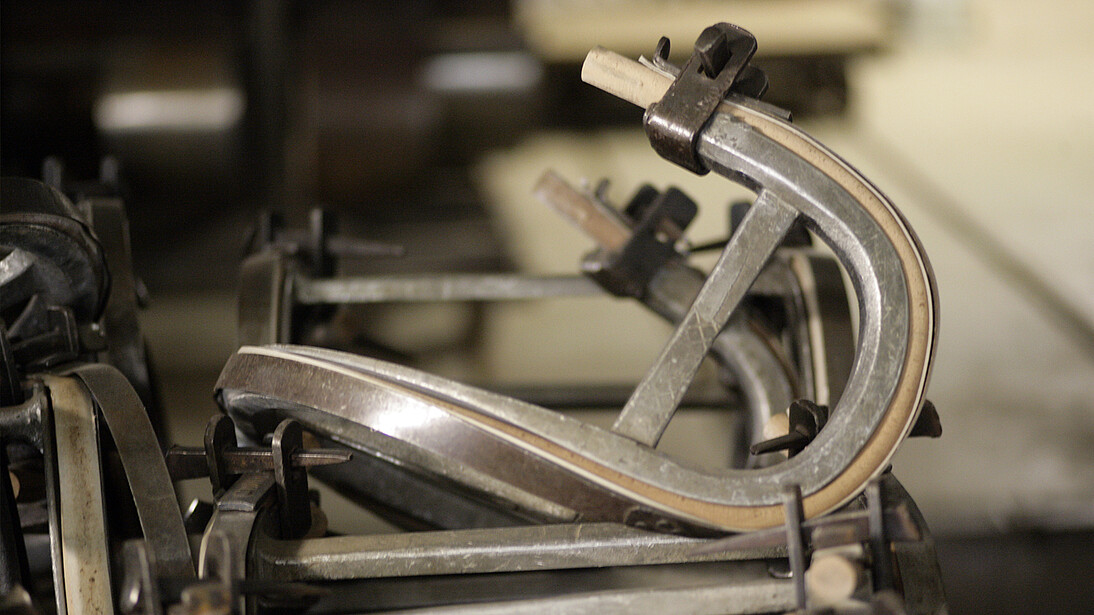
- 1850s: Thonet pioneers the steam-bending of solid wood, a technique that would define his iconic furniture.
- 1857: Thonet produces approximately 10,000 chairs.
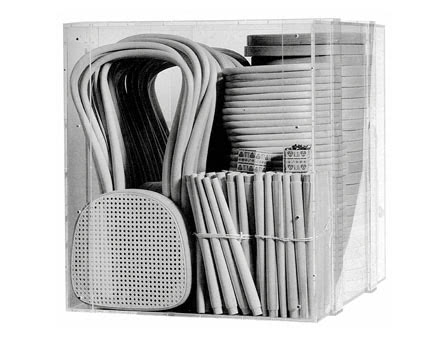
- 1859: Thonet begins shipping chairs in flat-pack form, revolutionizing logistics and assembly.
- 1870s: Inspired by American innovations, Thonet further develops molded plywood techniques.
- 1903: The Thonet company produces an astonishing 45 million furniture pieces.
- 1920s: Thonet embraces tubular steel, incorporating aircraft-derived materials into furniture design with iconic pieces like the Wassily chair.
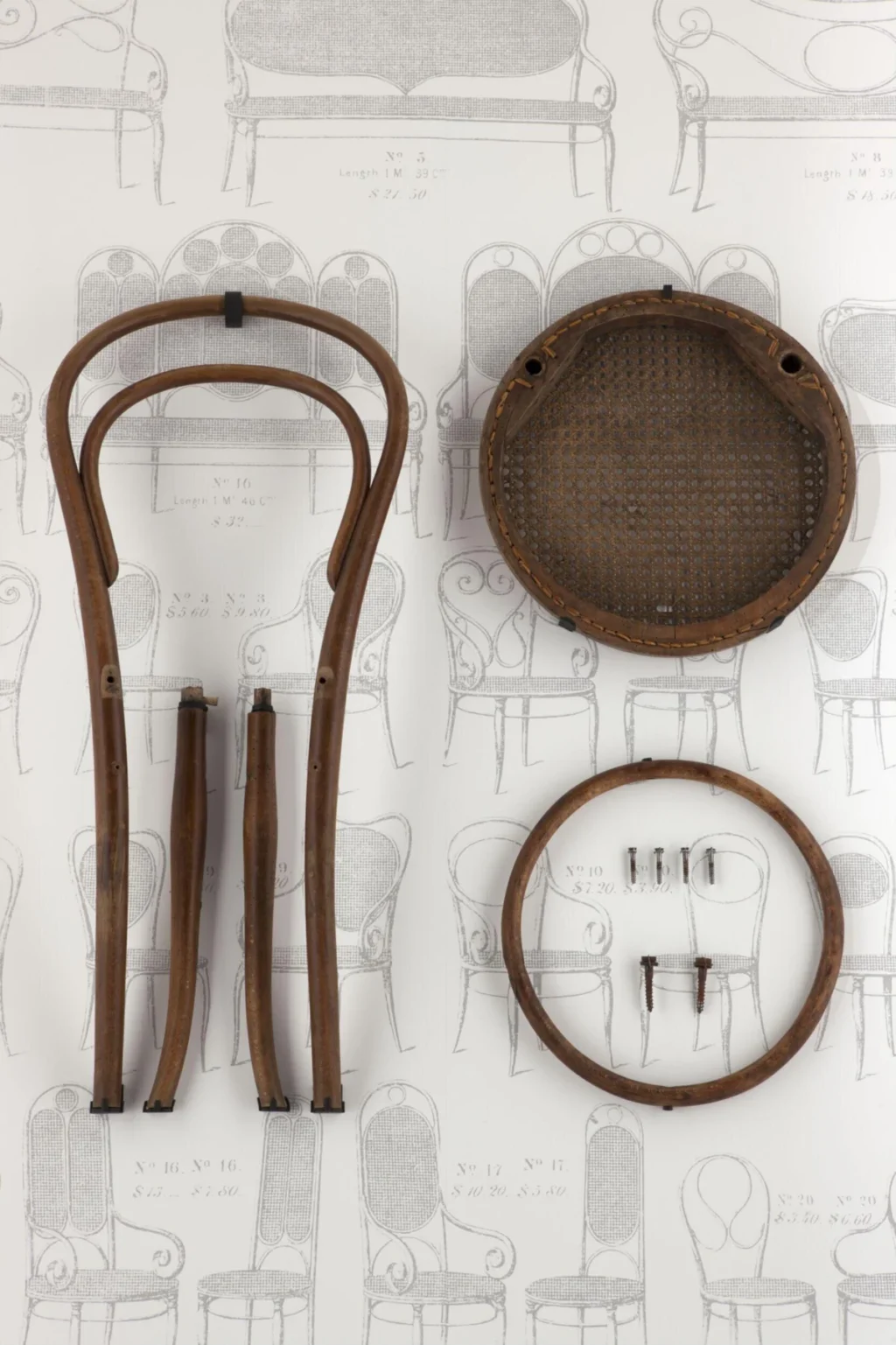
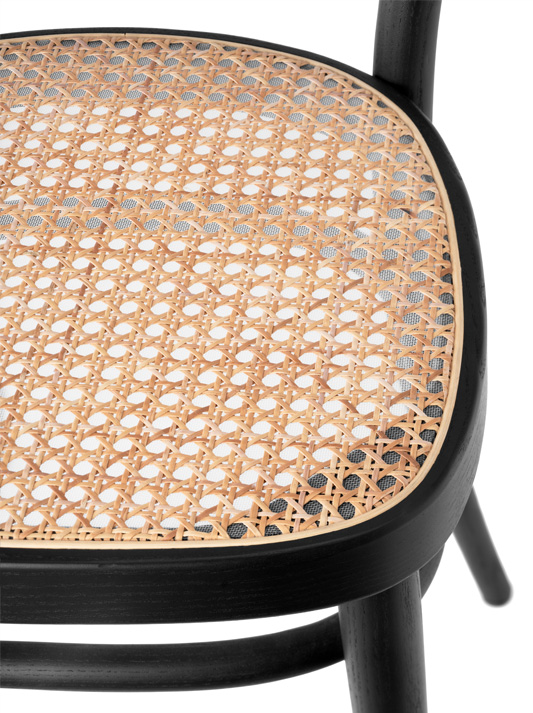
Thonet’s most celebrated innovation was the steam-bending of solid wood. By carefully steaming beech wood, Thonet could manipulate its structure, allowing it to be bent into elegant curves without compromising its integrity. This process was crucial for creating the distinctive, organic forms of his chairs. The iconic No. 14 chair, introduced in 1859, became a global phenomenon. Its design, characterized by bentwood components and a tensioned woven cane seat, was a masterclass in material efficiency and elegant engineering. The seat, created by bending a single piece of beechwood into a perfect circle, provided a tensioned frame for the rattan weave. This rattan, sourced from Asia, would contract as it dried, forming a durable and comfortable seat.
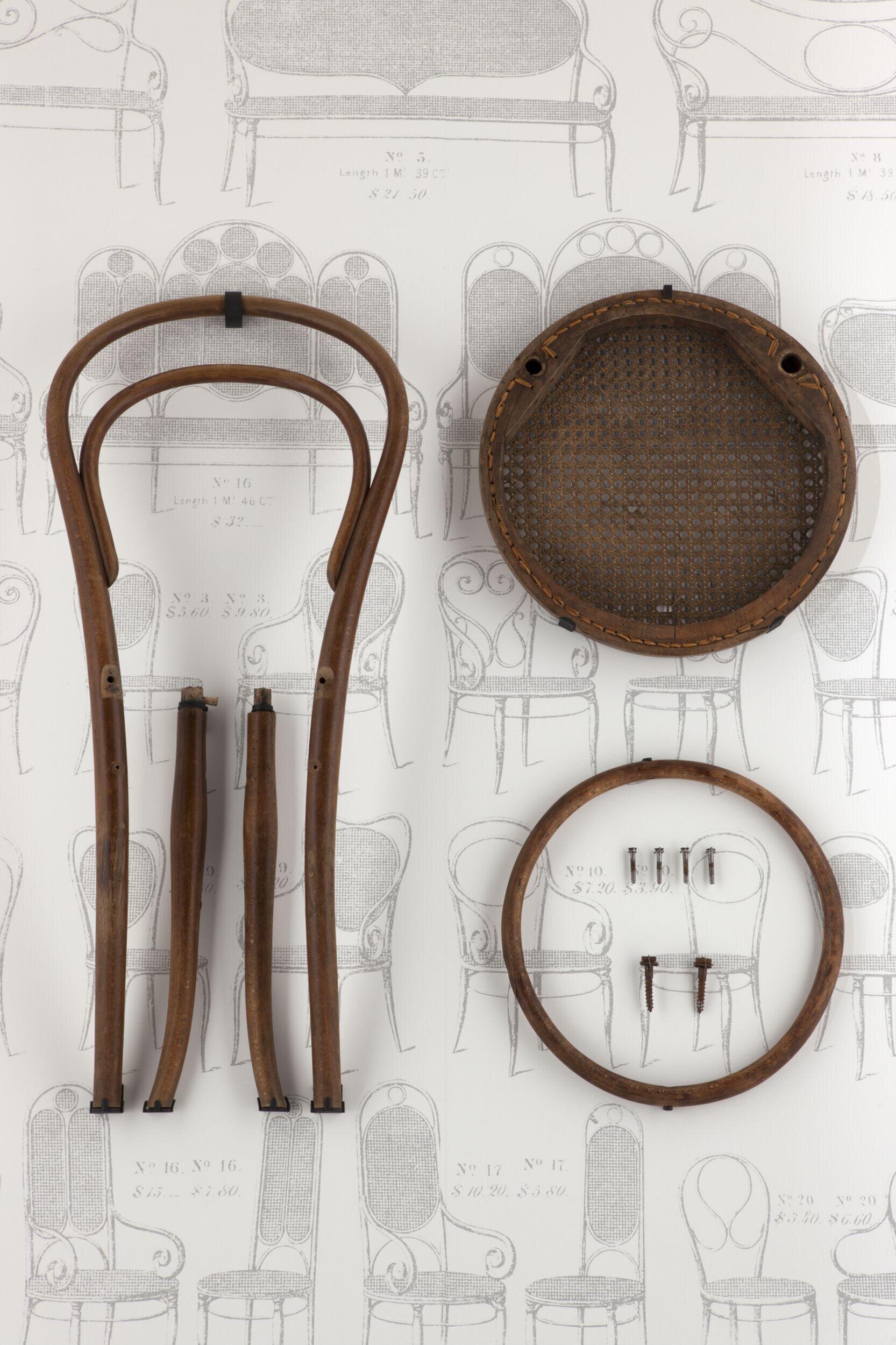
The implications of this design were profound. The No. 14 chair was significantly lighter, easier to clean, and cheaper to produce than its predecessors, which often featured heavy leather cushions and more complex wooden structures. This "lightweighting" strategy, achieved through intelligent engineering and process optimization, foreshadowed modern design philosophies that prioritize material efficiency and reduced environmental impact. The use of bent wood and a tension-based seat system was an early, tangible example of how advanced material understanding could replace heavier, more resource-intensive alternatives.
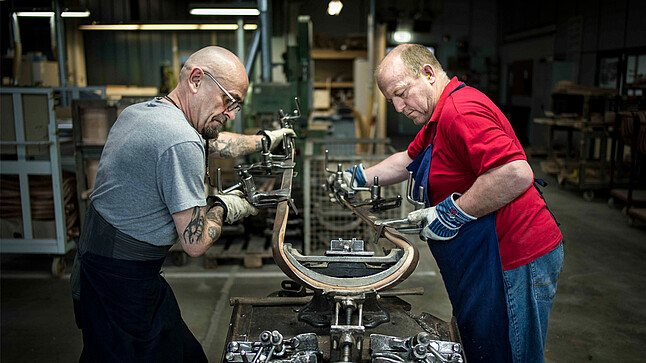
Beyond material innovation, Thonet was a pioneer in manufacturing systems. While Henry Ford is often credited with "inventing" the assembly line in 1913, Thonet had already been employing similar principles for decades. His system involved task-specialized workers producing individual components, which were then assembled into finished products. This distributed manufacturing approach, coupled with the inherent modularity of his designs, led to another groundbreaking innovation: flat-pack furniture.
The ability to ship chairs in disassembled parts, with minimal components and fasteners, dramatically reduced shipping costs and logistical challenges. A waiter in a Parisian café could assemble a Thonet chair with relative ease. This concept of modular construction and flat-pack delivery, first implemented by Thonet in 1859 when they began shipping chairs in packs of 36, was a radical departure from traditional furniture retail. It laid the groundwork for the globalized distribution networks and e-commerce models that define modern commerce. By 1879, Thonet had established offices in major cities worldwide, facilitating the sale and distribution of its products across continents.
The Symbiotic Relationship: Composites, Manufacturing, and Globalization
The parallel revolutions spearheaded by the De Havilland Mosquito and the Thonet company reveal a deep-seated connection between material innovation, manufacturing systems, and the evolution of design. Both entities moved away from single-piece, monolithic construction towards engineered, multi-component assemblies. The Mosquito’s wooden sandwich construction and Thonet’s bentwood and later molded plywood chairs demonstrated that combining different materials or layers of the same material could yield superior performance and efficiency.
This understanding of composites, while nascent in the Mosquito’s era, has since become a cornerstone of modern manufacturing. From the wind turbine blades that harness renewable energy to the lightweight frames of bicycles, boats, and high-performance cars, composite materials are ubiquitous. The questions posed in the original text—why all the fuss about composites, why F1 cars and hypercars burn so satisfyingly while Corollas do not, why Tour de France bikes are made of plastic and cost thousands—are all answered by the principles of advanced material science and engineering that had their early, impactful manifestations in designs like the Mosquito and Thonet’s furniture. These modern marvels achieve their performance characteristics through precisely engineered composite structures, allowing for tailored stiffness, strength, and impact resistance.
Furthermore, the manufacturing and distribution models pioneered by both the Mosquito and Thonet are echoed in contemporary global industries. The Mosquito’s distributed production of components, though driven by wartime necessity, foreshadowed the complex international supply chains that characterize aerospace today. Similarly, Thonet’s establishment of factories across multiple countries and its worldwide sales network were early blueprints for globalization. The assembly line, modular construction, and flat-pack delivery systems developed by Thonet are now fundamental to the mass production of goods ranging from consumer electronics to automobiles.
The analysis of Thonet’s bentwood process, which involved managing tensile and compressive stresses to prevent cracking, is remarkably analogous to challenges faced in modern additive manufacturing. The careful control of material behavior under stress, the understanding of anisotropic properties, and the development of processes to mitigate failure modes are central to achieving robust 3D-printed components. The idea of a "class of materials could be constructed to form differently," which the article attributes as a birth moment with the Mosquito, is a fundamental principle in modern material science and engineering, whether dealing with composites, advanced alloys, or 3D-printed polymers.
Broader Impact and Enduring Legacy
The legacy of the De Havilland Mosquito and Thonet extends beyond their immediate technological contributions. They represent a fundamental shift in how we conceive of manufacturing and design. They demonstrated that radical innovation could stem from rethinking established materials and processes. The Mosquito proved that wood could be a high-performance structural material for aircraft, while Thonet showed that furniture could be both aesthetically pleasing, durable, and mass-producible through clever material manipulation and assembly systems.
Their influence can be seen in:
- Material Science: The embrace of composite materials in aerospace, automotive, and sporting goods industries.
- Manufacturing Systems: The widespread adoption of assembly lines, modular design, and distributed manufacturing.
- Logistics and Retail: The prevalence of flat-pack furniture and globalized supply chains.
- Design Philosophy: The emphasis on lightweighting, efficiency, and functional aesthetics that continue to inform contemporary design.
The Thonet family of chairs, in particular, is credited with establishing a "design language, a grammar" that influenced subsequent generations of designers. Their parametric approach to form and construction, while perhaps not explicitly recognized as such at the time, laid groundwork for design methodologies that are now standard in digital design and engineering.
In conclusion, the De Havilland Mosquito and the innovations of the Thonet company, though products of different eras and industries, are profoundly interconnected. They stand as powerful testaments to human ingenuity, demonstrating how a willingness to challenge conventional wisdom, embrace new material possibilities, and re-engineer manufacturing processes can lead to transformative advancements. Their enduring influence continues to shape the objects we use, the systems that produce them, and the very fabric of our modern, globalized world. The "Mosquito fever dream" and the "Thonet dream" were not mere flights of fancy; they were visions that fundamentally reshaped reality, leaving an indelible mark on the trajectory of human progress.