The humble seconds hand, a ubiquitous feature on modern timepieces, was once a luxury, a testament to ingenuity that took centuries to perfect. Its journey from an experimental concept to an indispensable component of our technological infrastructure is a fascinating saga of scientific discovery, horological innovation, and a relentless pursuit of precision. The evolution of measuring time in seconds has not only transformed our daily lives but also underpinned advancements in fields ranging from astronomy and navigation to global finance and scientific research.
The Dawn of Accurate Timekeeping: From Hours to Minutes
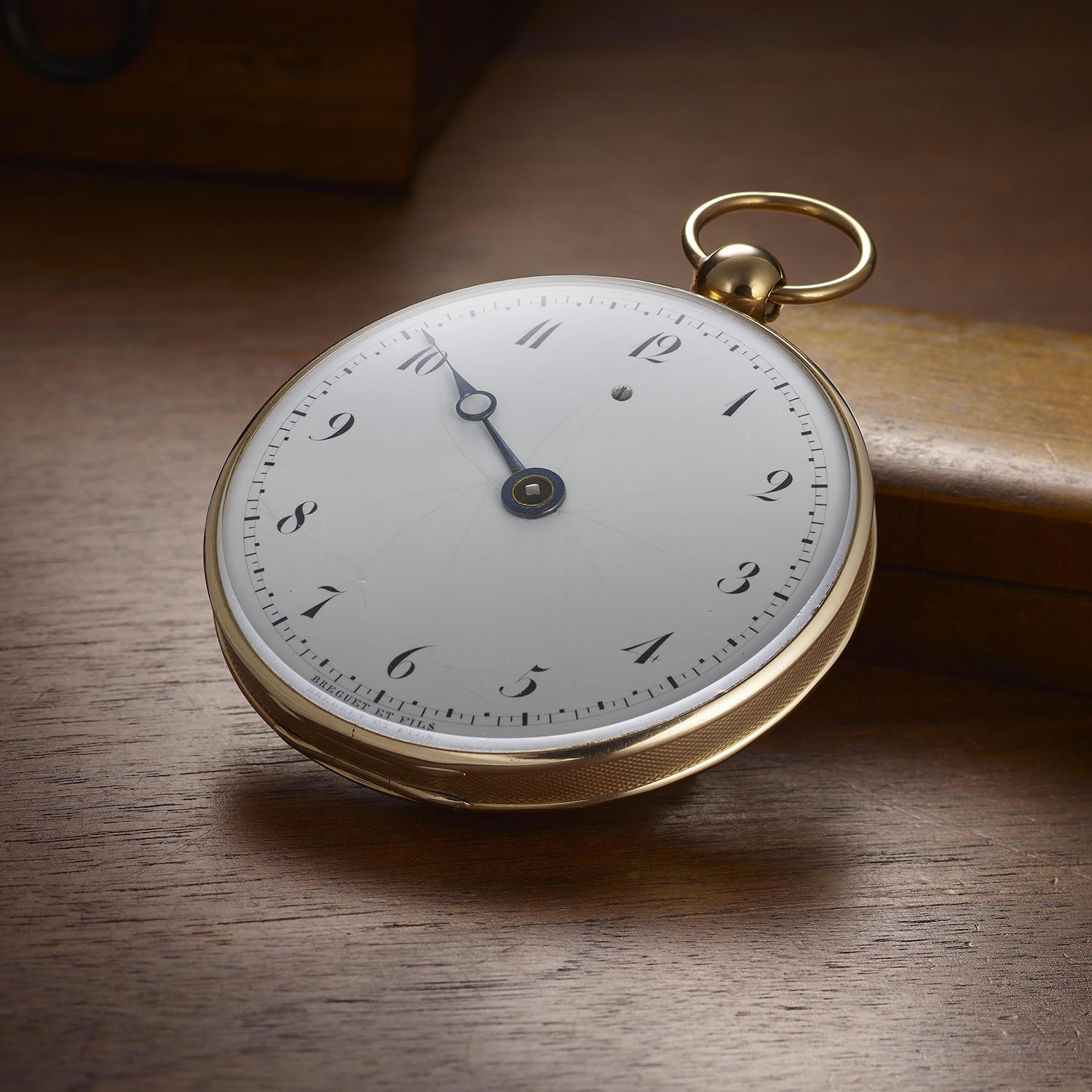
In the early days of mechanical timekeeping, accuracy was a far cry from what we expect today. Original pocket watches were rudimentary devices, often equipped with only an hour hand. The movements of these early timepieces were so imprecise that even a minute hand was considered impractical, let alone a seconds hand. The daily deviation could be as significant as half an hour or more, rendering any finer measurement of time virtually meaningless. The conceptualization of a minute hand, and subsequently a seconds hand, was a gradual process, spurred by key inventions that dramatically enhanced the accuracy of clocks and watches.
A pivotal moment arrived in the mid-17th century, largely thanks to the brilliance of Dutch scientist and horologist Christiaan Huygens. In 1656, Huygens introduced the pendulum to clocks. This groundbreaking invention revolutionized timekeeping by dramatically improving accuracy, reducing daily deviations from over half an hour to mere seconds. This leap in precision made the minute hand a practical addition to clock dials, allowing for a more nuanced understanding of time’s passage.
Huygens’ contributions did not stop there. In 1675, he was also the first to patent the balance spring for pocket watches and successfully demonstrate a working model. While English horologist Robert Hooke claimed to have developed a similar concept a year earlier, Huygens was the one who brought it to fruition and into practical application. The balance spring, much like the pendulum for clocks, allowed for a more stable and controlled oscillation of the timekeeping mechanism within the compact confines of a pocket watch. This dual innovation—the pendulum for clocks and the balance spring for watches—paved the way for the widespread adoption of minute hands and set the stage for the eventual inclusion of the seconds hand.
Before these advancements, clock and watch dials were often divided into quarters, typically 15-minute intervals, to accommodate the single hour hand. This archaic division is the historical root of common time-related phrases like "half past" and "quarter past" the hour. The late 17th century saw the minute hand become a standard feature on clock dials, with the pendulum’s widespread use across Europe contributing to this evolution. It took roughly a century for this adoption to become globally standardized. Pocket watch dials, benefiting from the balance spring and quicker adoption of improved movements, also began to feature minute hands around the same period. Within a mere five years of Huygens’ patent, a significant majority of European watchmakers were incorporating the balance spring into their designs. This development was arguably more impactful for watches than the pendulum was for clocks, as clocks were already considerably more accurate than watches prior to these inventions. By the dawn of the 18th century, clocks could achieve accuracy within seconds per day, while watches, though improved, were still accurate only to within minutes.
The Emergence of the Seconds Hand: From Novelty to Necessity
The seconds hand, like the minute hand before it, was a concept experimented with long before it became truly useful. In the late 16th century, a few pioneering watchmakers dabbled with the idea, but these early attempts were more akin to proofs of concept rather than functional indicators of time. The inherent inaccuracy of the movements at the time made such fine-grained measurement superfluous.
A century later, in the 1690s, the horological landscape began to shift. Gear trains in timepieces were increasingly incorporating a fourth wheel specifically dedicated to driving a seconds hand. This development was made possible by the increased accuracy afforded by the balance spring, which had brought watch movements to a practical level of reliability. At this stage, almost all seconds hands were relegated to separate sub-dials, most commonly positioned at the 6 o’clock mark. This was primarily due to the vertically stacked architecture of movements during the era, which made a centrally positioned seconds hand technically challenging. The fourth wheel, essential for the seconds hand, was inherently off-center in these designs.
It wasn’t until the mid-20th century that the centrally mounted seconds hand became a common and mass-produced feature. This transition required significant re-engineering of watch movements. Before this era, achieving a central seconds hand necessitated modifications to existing movements, involving the addition of extra gears and bridges to reroute the drive from the fourth wheel to the center of the dial. This approach, however, was often clunky, reducing the overall efficiency of the movement and adding to its thickness. Furthermore, these modifications could lead to a phenomenon known as "flutter," where the seconds hand would exhibit an uneven, stuttering sweep.
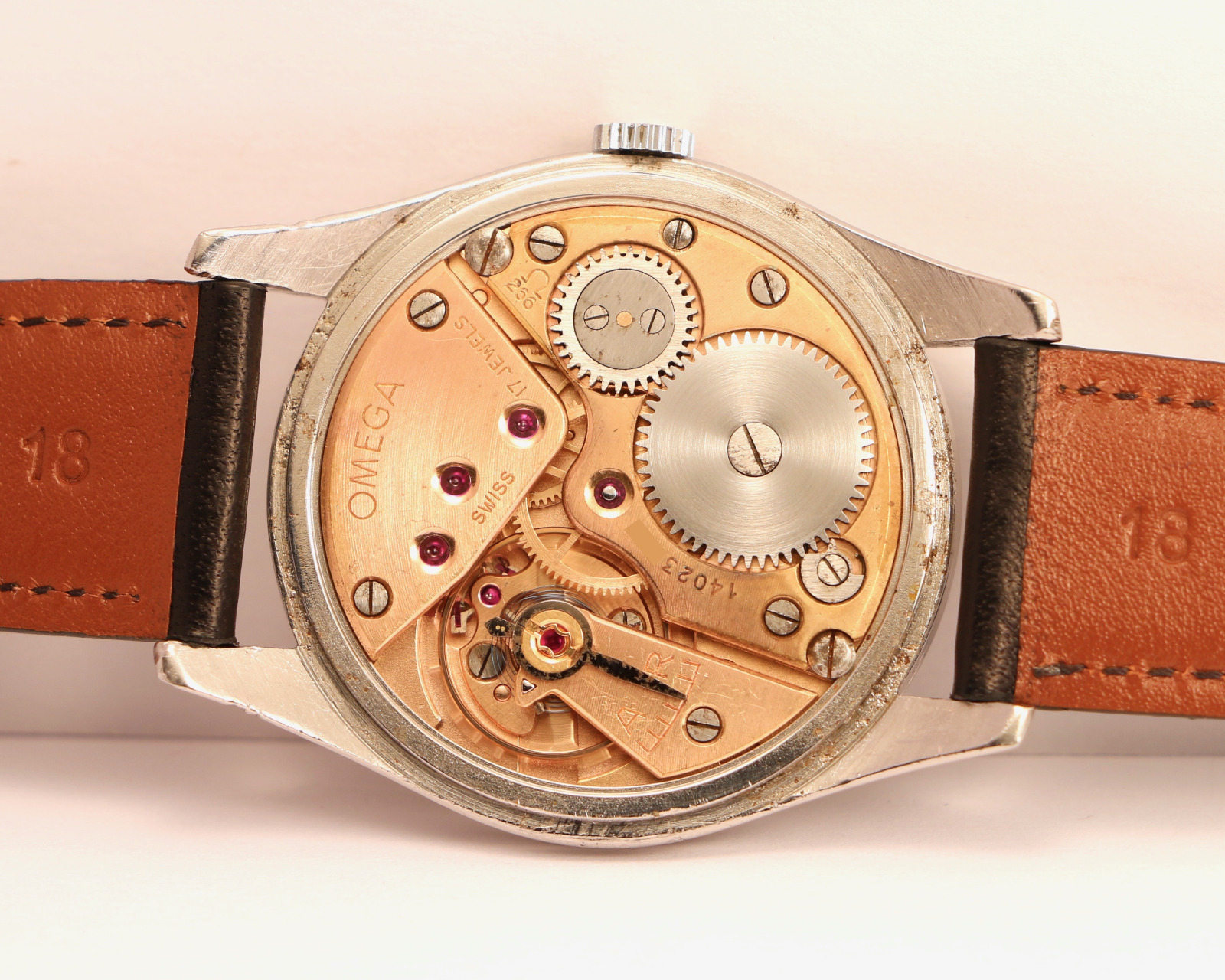
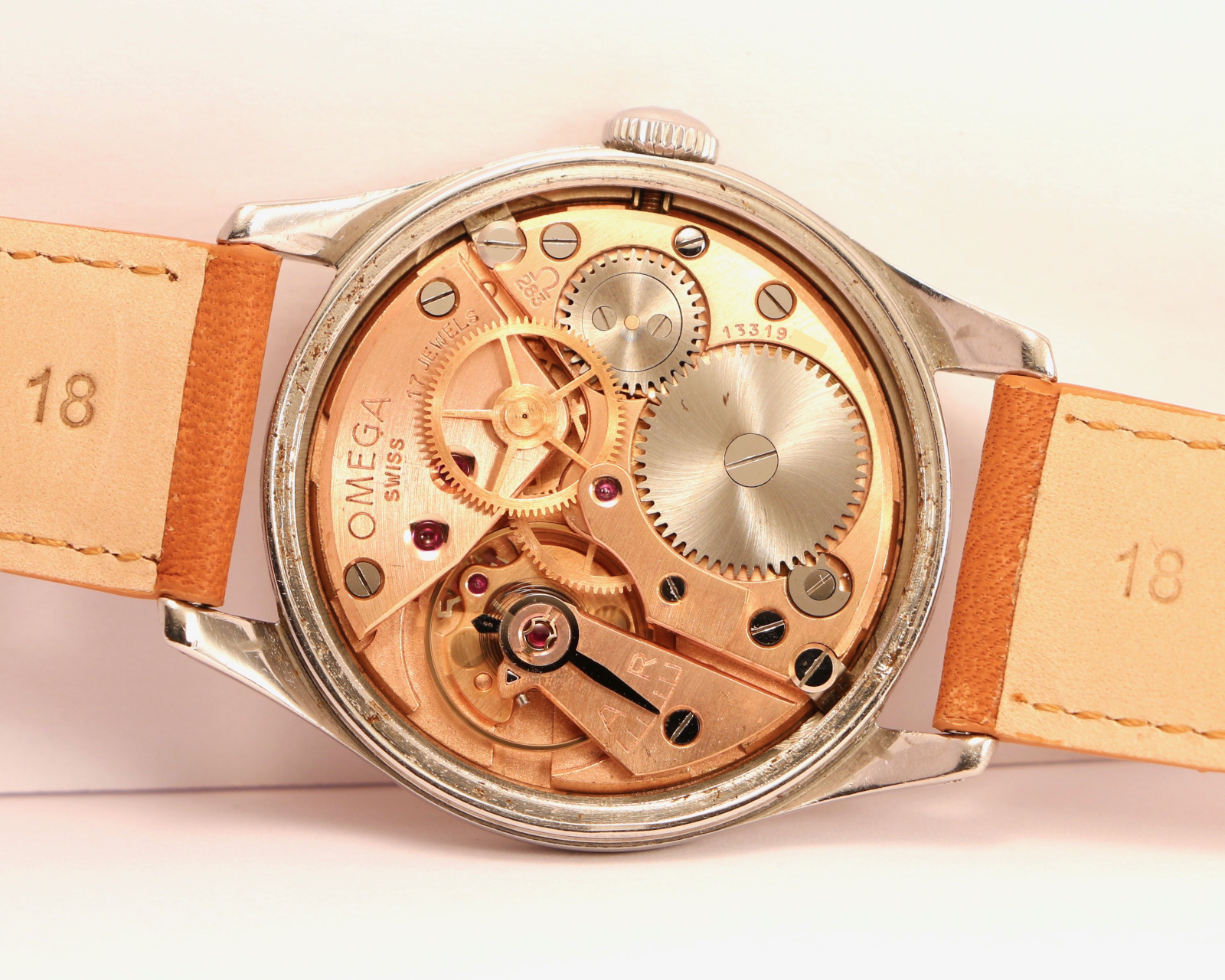
A significant breakthrough in this area came in 1939 with the introduction of Omega’s calibre 30T2 SC (seconde centrale). This movement revolutionized movement design for central seconds by introducing a directly driven gear system that provided a stable and smooth sweeping motion. The main plate and bridges of the 30T2 SC were re-engineered to allow the pinion of the fourth wheel to extend directly to the center of the dial. This was achieved by passing through a specialized hollow wheel designed to accommodate the shafts of all three hands—hours, minutes, and seconds—at the dial’s center. Omega’s innovative design became the blueprint for most modern wristwatches featuring central seconds, although the aesthetic appeal of small seconds sub-dials continues to make them a popular choice among watch enthusiasts.
The Scientific and Astronomical Roots of Seconds
The inclusion of seconds on timepieces, particularly in their nascent stages, was not driven by everyday convenience but by scientific necessity. Astronomers were among the earliest adopters and proponents of precise second-level time measurement. They utilized this granularity to meticulously record celestial events and to divide the mean solar day—the time it takes for the sun to appear in the same position in the sky—into manageable units. A mean solar day is precisely 86,400 seconds long.
The very term "seconds" has its origins in astronomical measurement. It derives from the Latin phrase "pars minuta secunda," which translates to "second small part." This term referred to the second division of time after the primary division (minutes), essentially meaning 1/60th of a minute. It was an astronomical unit of measurement long before it became a standard indication on clocks and watches. Beyond its scientific applications, the second gradually became an extension of general timekeeping for the populace, serving as a means to track events independently. This marked the beginning of the seconds hand’s evolution into a rudimentary stopwatch function, useful for timing races, sporting events, and other activities where precise elapsed time was of interest. The growing utility of accurate seconds measurements spurred the development of specialized timepieces designed to exploit this capability further.
The Rise of the Chronograph: Measuring Moments with Precision
The chronograph, a timepiece with a stopwatch function integrated with its regular time-telling capabilities, represents a significant evolution in the measurement of elapsed time. These instruments allow for the precise timing of events, from sporting competitions to critical military operations and even early aerial bombing runs. While a standard seconds hand offers a general indication of elapsed time, the ability to start, stop, and reset the seconds hand independently of the main timekeeping mechanism was a game-changer.
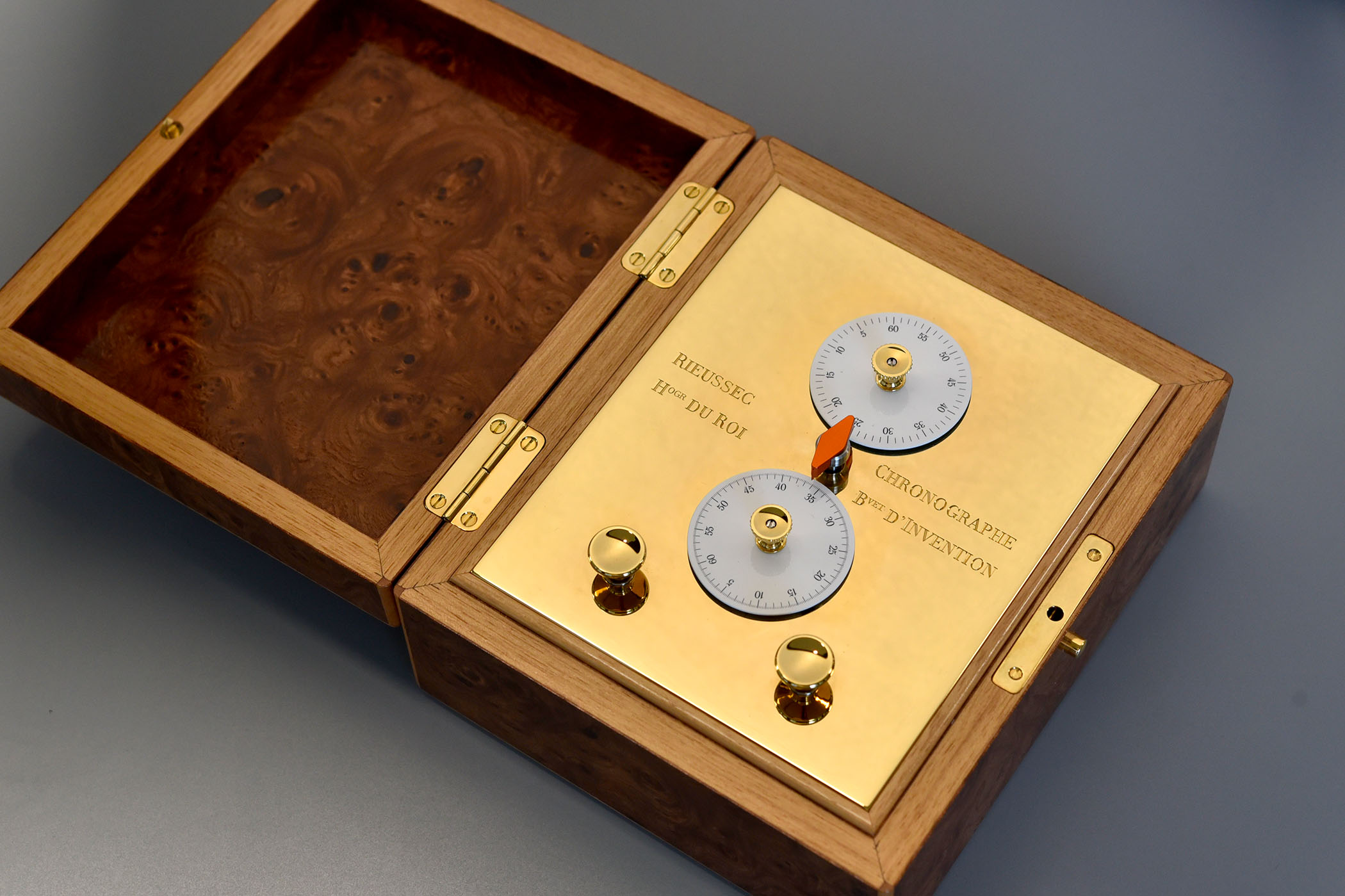
The history of the chronograph can be traced back to the early 19th century. One of the earliest commercially available chronographs was invented in 1821 by French watchmaker Nicolas Mathieu Rieussec. Commissioned by King Louis XVIII to time horse races, Rieussec’s device was an inking chronograph. It worked by dropping small amounts of ink onto a rotating disc to mark the elapsed time. Rieussec aptly named his invention a "chronograph," derived from the Greek words "chronos" (time) and "grapho" (writing), as it essentially "wrote" down the time. Despite the subsequent development of non-inking chronographs, the name "chronograph" endured.
A significant advancement in chronograph technology occurred in 1862 when Swiss watchmaker Adolphe Nicole patented a mechanism that allowed the chronograph seconds hand to be instantly reset to zero. Prior to this innovation, resetting the hand often required rewinding it, a less efficient process.
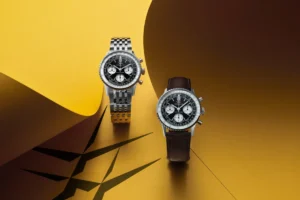
The development of the wristwatch chronograph saw further refinement. Gaston Breitling, son of Breitling founder Léon Breitling, is credited with creating the first wristwatch chronograph featuring an independent pusher. His son, Willy Breitling, expanded upon this design, introducing a second pusher in 1934. This dual-pusher configuration—one for starting/stopping and one for resetting—became the industry standard for chronographs and remains so today.
The year 1969 marked a pivotal moment with the simultaneous development of three automatic chronograph movements, effectively concluding an "earthbound space race" within the watchmaking industry. Zenith announced its El Primero (prototype) in January, while Seiko became the first to release a model for sale in Japan with its Calibre 6139. A Swiss consortium comprising Hamilton-Buren, Breitling, Heuer, and Dubois Dépraz developed the Caliber 11 (Chronomatic), which was the first to be globally available. The integration of the complex chronograph mechanism with an automatic winding rotor was a monumental technical achievement, representing one of the most significant rivalries in watchmaking history.
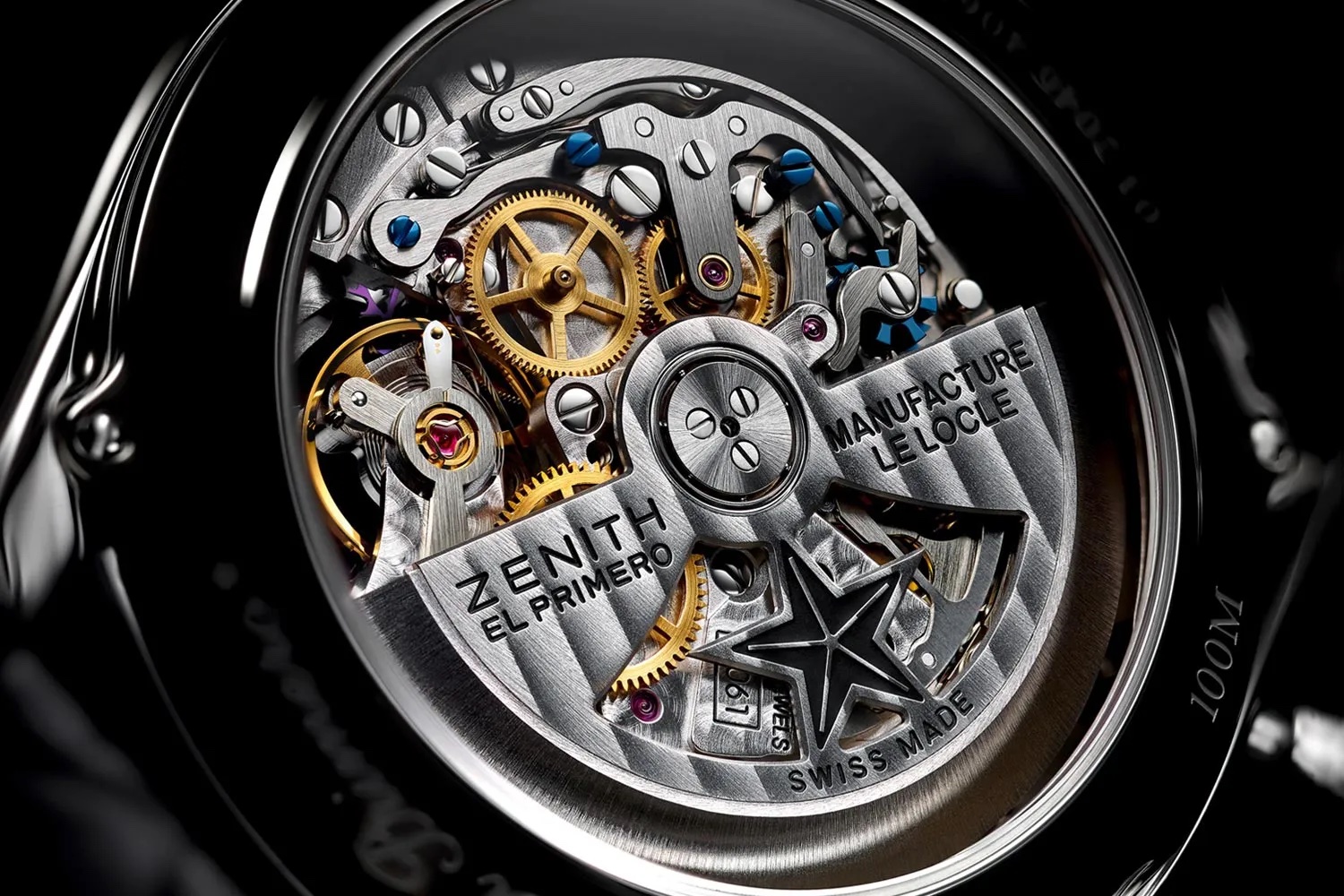
Zenith’s El Primero, an integrated, high-beat (5Hz) automatic chronograph, is still considered one of the most iconic movements and models today. Seiko’s Calibre 6139 was a column-wheel chronograph featuring Seiko’s proprietary Magic Lever automatic winding system. The Swiss consortium’s Caliber 11 employed a modular architecture, combining a chronograph module from Dubois-Dépraz with a base micro-rotor calibre from Buren. This modular design resulted in the crown being positioned at the 9 o’clock position, a distinctive feature of watches like the famous Heuer Monaco worn by Steve McQueen in Le Mans. The year 1969 is widely regarded as the birth year of the fully mature, modern wristwatch chronograph, though hand-wound counterparts continue to be popular for their enduring appeal and functionality.
Specialized Scales: Tachymeter, Telemeter, and Pulsometer
Beyond basic timekeeping and elapsed time measurement, chronographs evolved to incorporate specialized scales that offered unique functionalities. Two of the most common are the tachymeter and telemeter scales, typically found on the bezel or dial.
The tachymeter scale is used to calculate speed over a fixed distance. It became mainstream after the chronograph complication appeared on wristwatches, though tachymeter scales were seen on pocket watches as early as the late 19th century. Longines pioneered the wrist chronograph in 1913 with its calibre 13.33Z, featuring a monopusher integrated into the crown. Breitling later modernized this design with an independent pusher in 1915, and subsequently, the contemporary twin pushers in 1934. In the same year Longines introduced its wrist chronograph, tachymeter scales began appearing on dials to calculate speed using the central chronograph seconds.
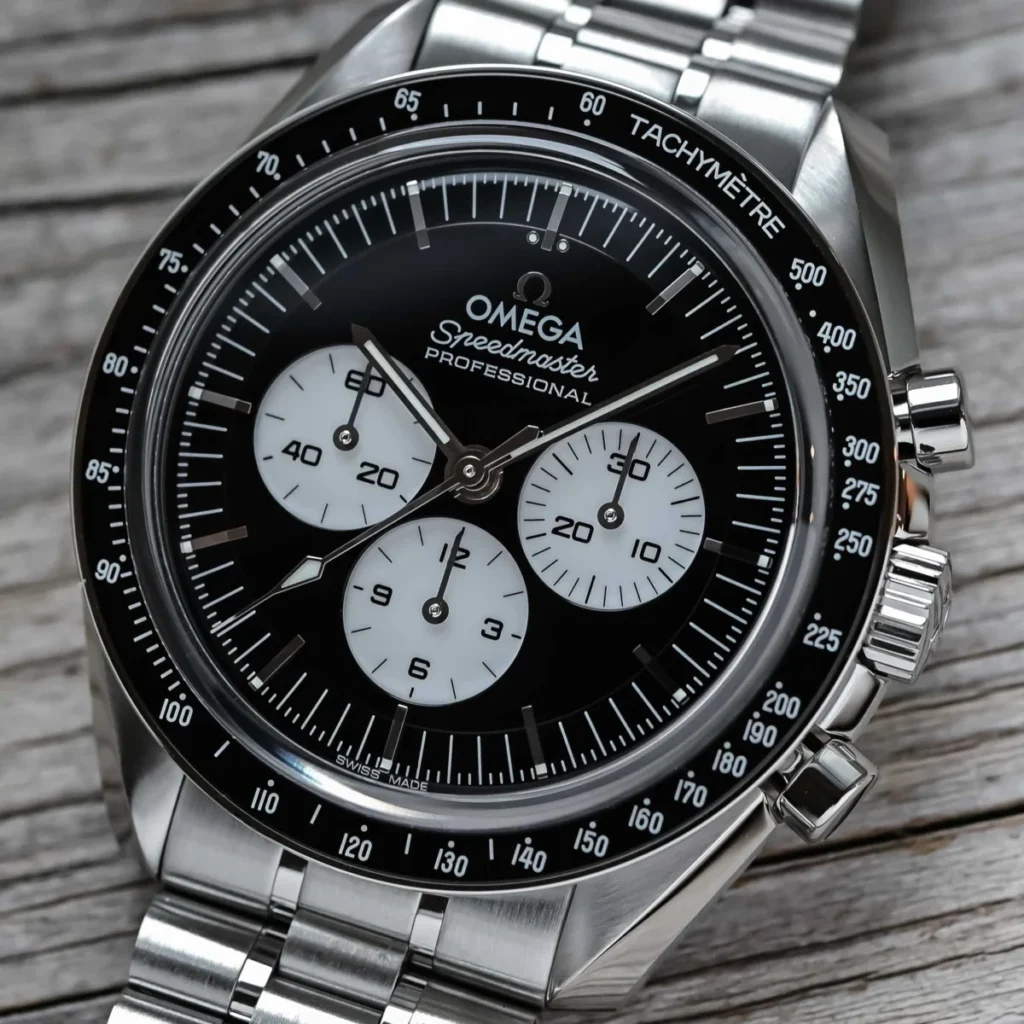
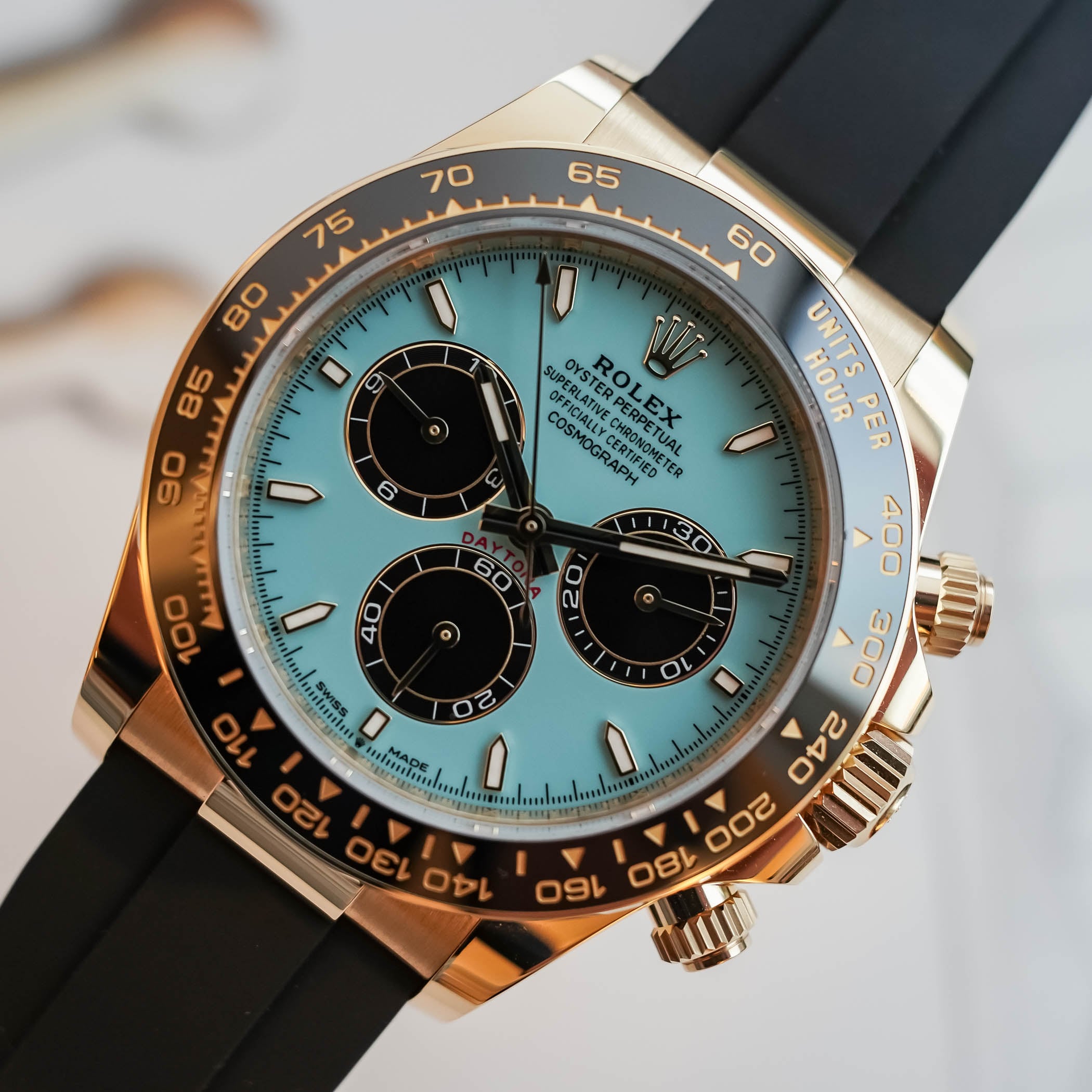
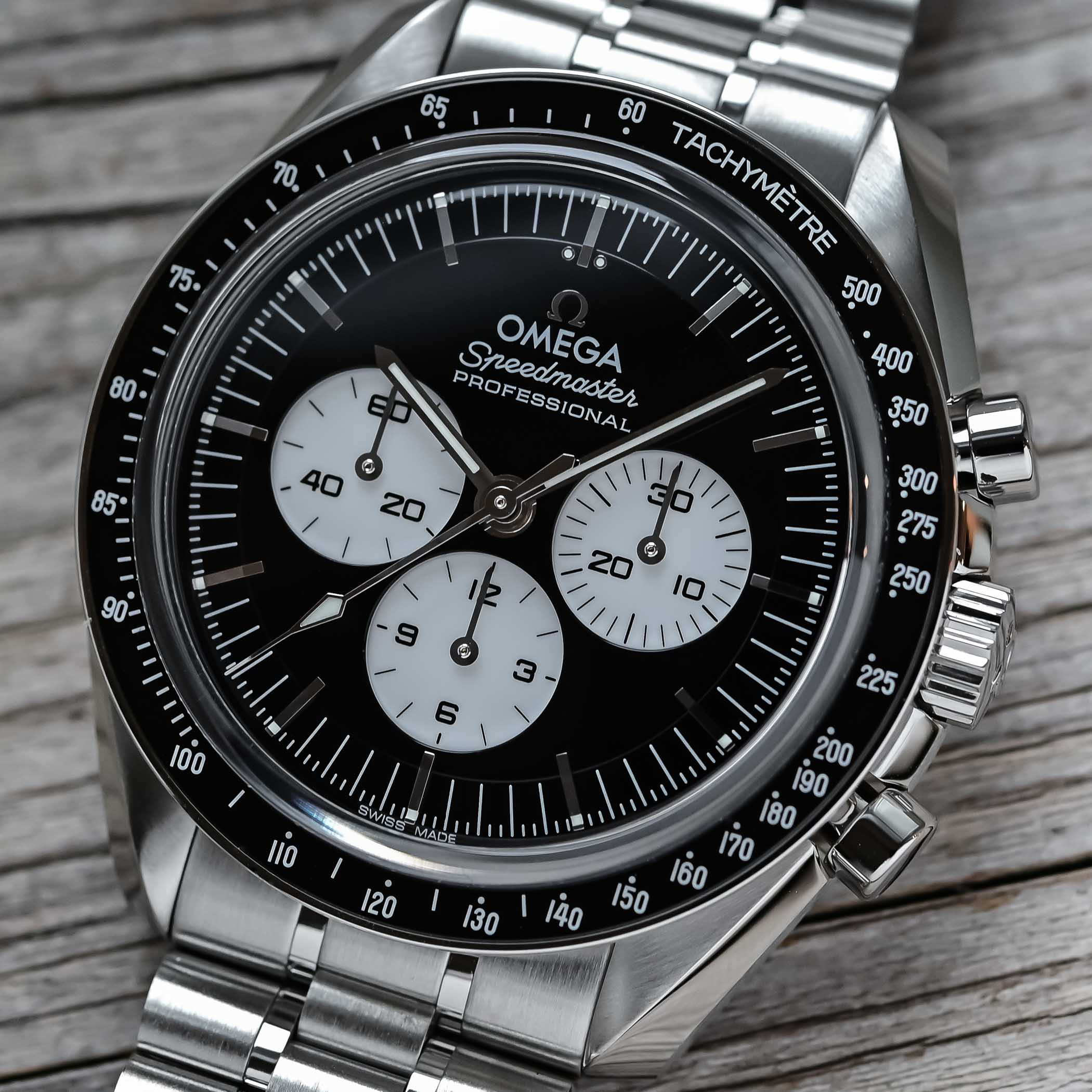
The application of a tachymeter is straightforward. For instance, if traveling on a train, one can use mile or kilometer markers as reference points. By starting the chronograph seconds as the train passes the first marker and stopping it when it passes the second marker, the tachymeter scale indicates the speed. If it takes 50 seconds to travel between two mile markers, the seconds hand will point to 72 mph on the tachymeter scale. This scale is universal and can be used for various units of measurement, though it is typically limited to calculations within 60 seconds. Originally designed for pilots and race car drivers, the tachymeter is now largely a nostalgic nod to the past, as GPS and other technologies have largely superseded its practical use. Notably, the Omega Speedmaster was the first to move the tachymeter from the dial to the outer bezel in 1957, improving legibility and decluttering the dial.
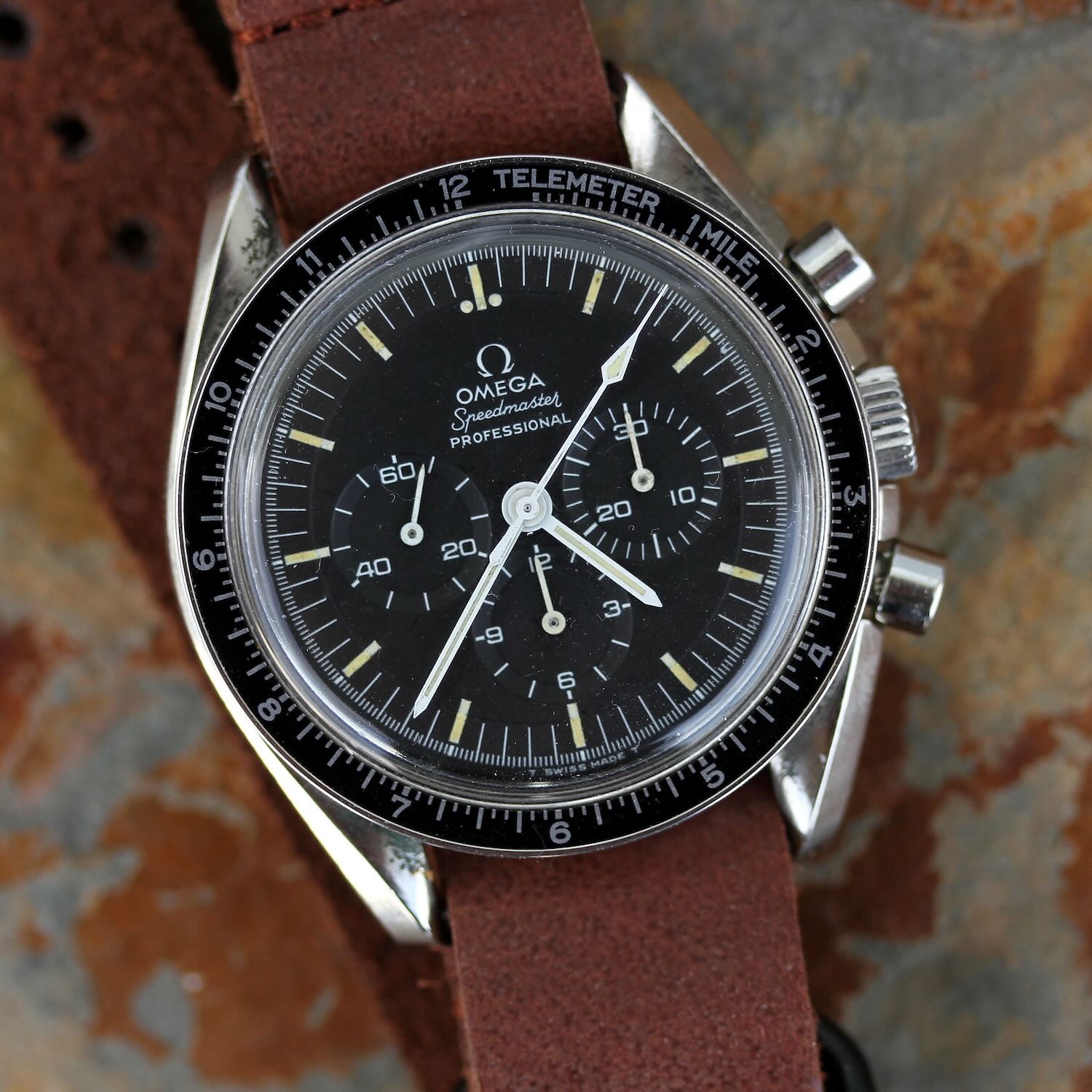
The telemeter scale, in contrast, measures distance by utilizing the speed of sound. This function is employed by starting the timer upon seeing a visual event (like lightning or an explosion) and stopping it when the sound is heard. Given the speed of sound (approximately 767 miles per hour, though variable with atmospheric conditions), the elapsed time directly correlates to the distance of the event from the observer. The telemeter scale will then indicate this distance in miles or kilometers, depending on the scale’s calibration. This scale is not as universal as the tachymeter. Initially developed for military use to determine the distance of enemy artillery fire (by timing the interval between muzzle flash and sound), telemeter scales are now commonly used by enthusiasts to gauge the distance of storms. Like the tachymeter, modern technology has rendered the telemeter largely obsolete for its original practical applications.
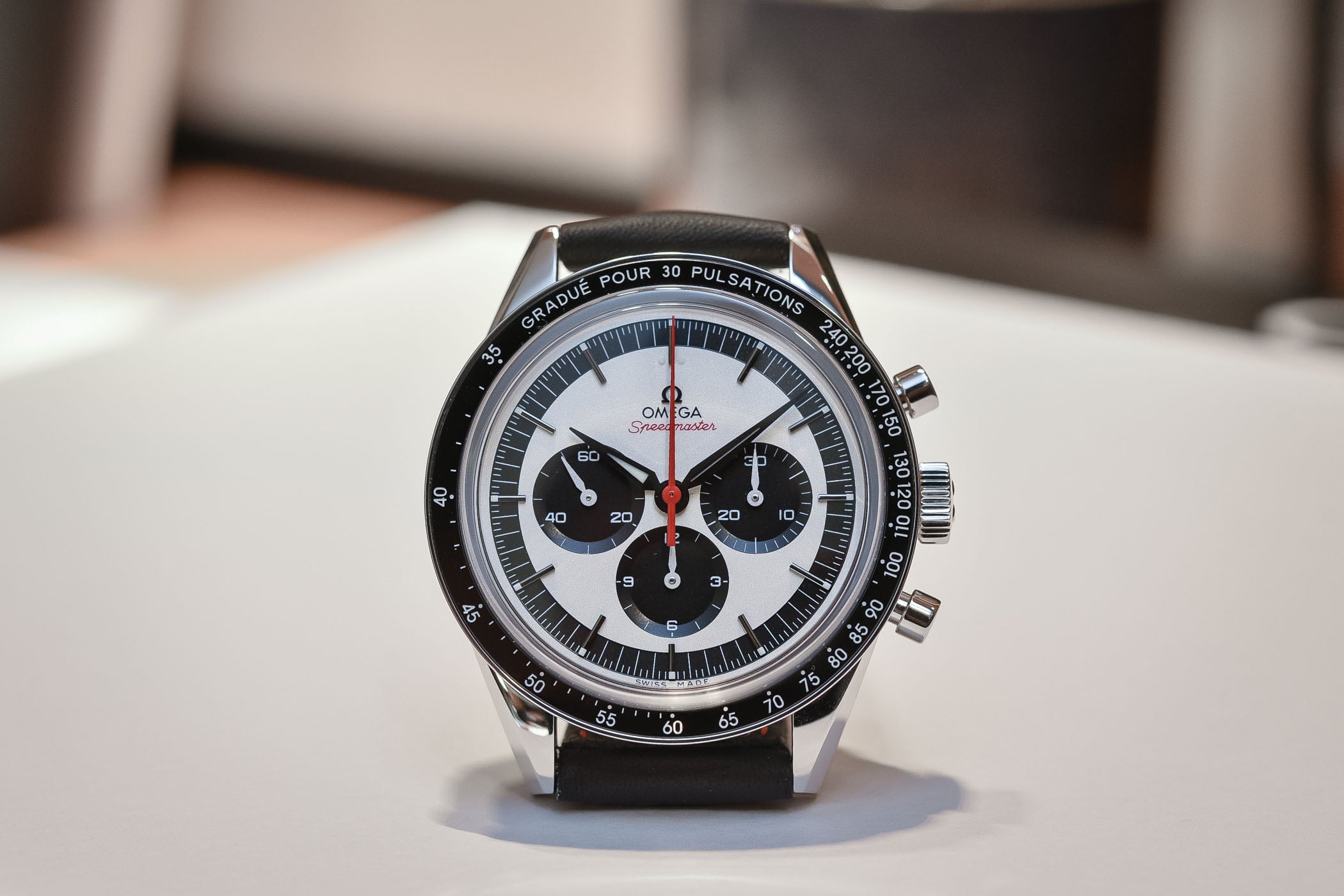
The pulsometer scale is specifically designed for medical professionals, though it can be used by anyone with a basic understanding of pulse rates. It measures beats per minute (BPM) by simplifying the traditional method of counting pulses for a full minute. Once a steady pulse is detected, the user starts the chronograph timer on the first beat (designated as beat zero). The scale, typically marked for 15, 20, or 30 beats, converts the elapsed time into BPM. For example, if the seconds hand aligns with the 30-beat marker, it indicates the pulse rate. While 30 beats offer the most accurate reading with less statistical error, the scale provides a quick and efficient way to determine BPM.
Hacking Seconds and the Quest for Extreme Accuracy
Hacking seconds, also known as stop seconds, is a feature that allows the user to halt the movement of the seconds hand by pulling out the crown. This function is not intended to mimic a chronograph’s stopwatch capabilities, as it stops the entire gear train and can slightly affect the accuracy of general timekeeping. Its primary purpose, established in the early 20th century, was to enable precise time synchronization between multiple watches.
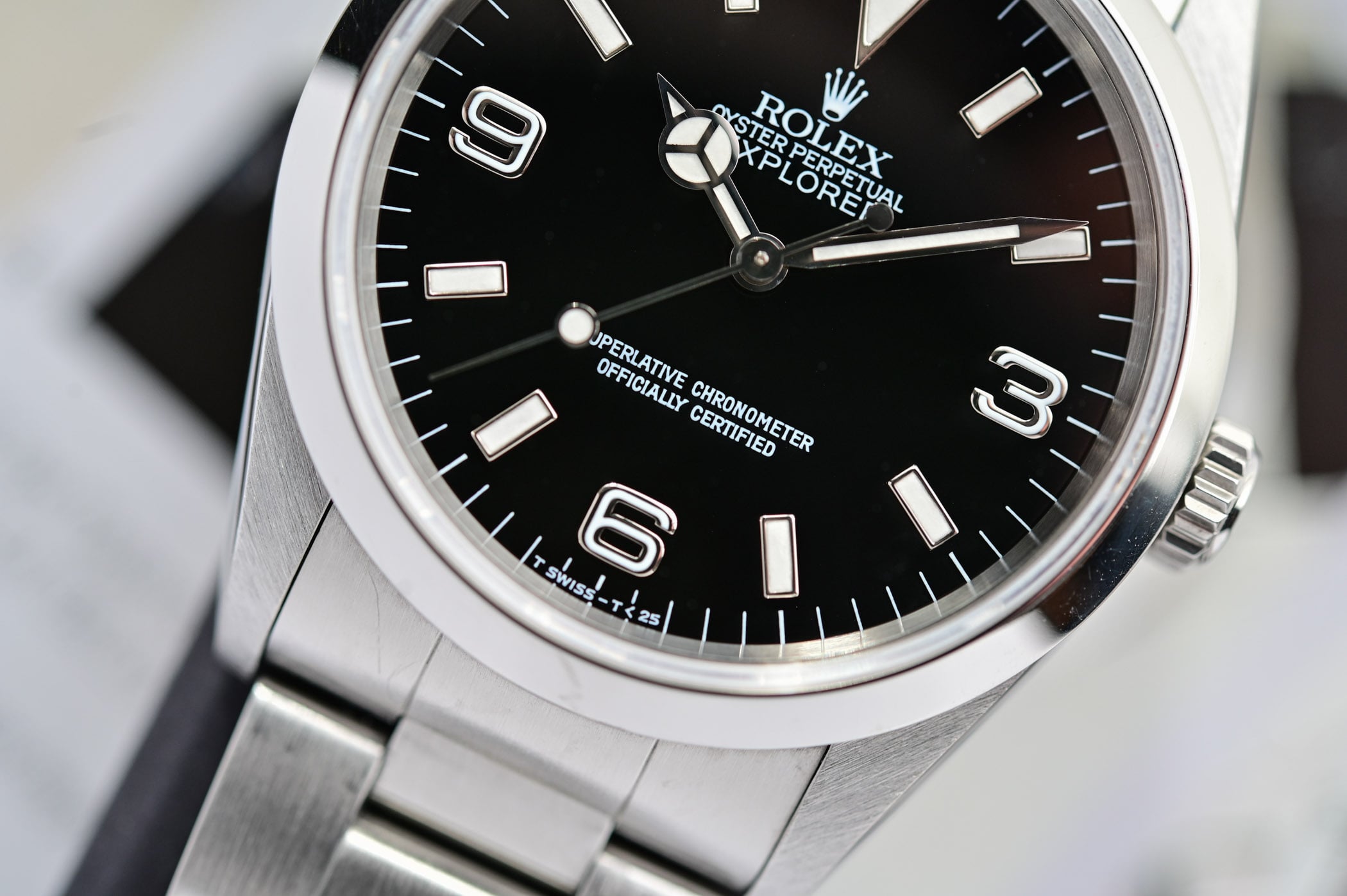
This feature was particularly developed for the German military and adopted by Swiss and American brands. The German B-Uhr pilot watches from World War II are among the earliest widespread wartime examples where this function was crucial. The term "hack" itself was military slang for aligning or coordinating. Hacking seconds became a standard specification during WWII, as soldiers and pilots needed to synchronize their watches to the second for critical operations like bombing runs and coordinated attacks. Today, this feature is highly valued for its utility in precisely setting a watch to an atomic time reference, such as that provided by a smartphone. Sailors also utilized this function to synchronize their chronometers with marine chronometers for astronomical navigation.
The pursuit of ever-greater accuracy led to the development of exceptionally high-frequency movements. While a standard modern chronograph typically measures to 1/8th of a second (driven by a 4Hz frequency), high-beat movements like Zenith’s El Primero can measure to 1/10th of a second (5Hz). Achieving higher fractions of a second requires significantly higher frequencies. For instance, measuring to 1/60th of a second would necessitate a 30Hz movement, which is impractical for standard production.
In 2012, TAG Heuer unveiled the Carrera Mikrogirder concept watch, a testament to the extreme end of mechanical timekeeping. This groundbreaking timepiece boasts an astonishing beat rate of 7,200,000 vibrations per hour (1,000Hz), capable of measuring down to 1/2000th of a second. This was achieved by replacing the traditional balance wheel and hairspring with a linear oscillator and a system of micro-blades. While not practical for everyday timekeeping due to its power reserve limitations, it demonstrated the potential of mechanical ingenuity. The Mikrogirder won the prestigious Aiguille d’Or at the 2012 Geneva Watchmaking Grand Prix and remains the fastest mechanical chronograph in the world.
In contrast, digital chronographs easily surpass mechanical capabilities, with standard digital watches measuring to 1/100th or 1/1000th of a second. Many Casio G-SHOCK models, for example, can measure to 1/1000th of a second for up to an hour. On the scientific frontier, atomic clocks, such as strontium optical lattice clocks, can measure time to within a fraction of a billionth of a second, a level of precision essential for advanced physics research, including the study of subatomic particles and the control of lasers for quantum memory storage.
The Indispensable Second in the 21st Century
While humanity thrived for millennia without precisely measuring seconds, our modern, interconnected world is fundamentally dependent on this unit of time. The functioning of critical infrastructure hinges on second-level accuracy. The Global Positioning System (GPS), for instance, relies on signals from satellites traveling at the speed of light. Even minute errors, fractions of a second, can lead to positioning inaccuracies of hundreds of miles.
Global financial markets, including Wall Street, operate on timestamped trading systems measured in seconds and fractions thereof. Banking networks process transactions with second-based precision. Scientific research across various disciplines requires measurements down to microseconds or even nanoseconds. Telecommunications networks depend on perfectly synchronized timing to deliver voice and data packets to our smartphones, routers, and computer systems. The removal of seconds from this equation would lead to the collapse of our financial, communication, and positioning infrastructure.
The significance of the second is further underscored by its role in cutting-edge scientific exploration. In 2019, physicists demonstrated the ability to send a qubit particle one millionth of a second back in time, a phenomenon described as "rewinding" the particle’s age. While not time travel in the conventional sense, this achievement highlights the profound impact of precise temporal control. The sweeping seconds hand on a watch, therefore, represents far more than a mere indication of time; it is a symbol of the precision that underpins our modern technological age.