The landscape of independent watchmaking has been significantly shaped in recent years by a new wave of microbrands, each striving to carve out a distinct identity in a market often saturated with derivative designs. Among these emerging players, Serica has distinguished itself by successfully forging a unique aesthetic, even while drawing inspiration from vintage watchmaking codes. This is a considerable feat, as brands like Ming, Brew, and Unimatic have often found their niche by embracing unapologetically contemporary or futuristic designs. Serica, however, operates in a more nuanced space, reinterpreting historical design cues through a contemporary lens that feels less like imitation and more like inspired evolution.
The brand’s approach, as articulated by enthusiasts and critics alike, is not to replicate specific vintage models. Instead, Serica appears to draw from a broader vocabulary of vintage design elements, allowing for creative interpretation and the construction of what could be described as an "imagined past" or an "alternate history." This method differentiates them from brands that might attempt to synthesize disparate historical eras into a single timepiece, a strategy that can often lead to a muddled aesthetic. Serica’s success lies in its cohesive vision, creating watches that feel familiar yet entirely new.
This strategy is not entirely unique within the independent watchmaking sphere. Brands such as Isotope and Albishorn have also explored similar avenues. Albishorn, for instance, has been known to develop elaborate fictional narratives to imbue their timepieces with a distinct backstory. Isotope, on the other hand, often draws inspiration from pop culture and broader design trends. Serica occupies a space that blends these approaches, with its designs seemingly rooted in the personal fascinations of its founders, Jerome and Gabriel. Their backgrounds in watch media, coupled with a deep-seated enthusiasm for fashion, motorsport, and history, inform the brand’s distinctive output. This rich tapestry of influences allows Serica to imbue its watches with a depth that resonates beyond mere mechanical specifications.
The Genesis of Serica’s Distinctive Vision
Serica’s journey into the horological market began with a clear objective: to offer something fresh in a segment often dominated by vintage-inspired tool watches that, in the eyes of many, had become somewhat predictable. From its inception, the brand has been characterized by subtle yet impactful design choices. These include unconventional bracelet designs and dial configurations that deviate just enough from expected norms to feel innovative. This focus on creative expression, rather than solely on the functional demands of a tool or sports watch, has been a hallmark of Serica’s appeal to a segment of the market that prioritizes aesthetics and design originality.
The personal connection between brand founders and their audience is a significant factor in the appreciation of independent watch brands. Serica’s founders, Jerome and Gabriel, have actively cultivated these relationships by engaging with the watch community at events like the Windup Watch Fair. This direct interaction allows potential customers to connect with the passion and vision behind the brand, adding an intangible layer of value to their ownership experience. This approach fosters a sense of community and shared enthusiasm, moving beyond transactional sales to build genuine loyalty.
Acquiring the Serica 5303-3: A Personal Journey
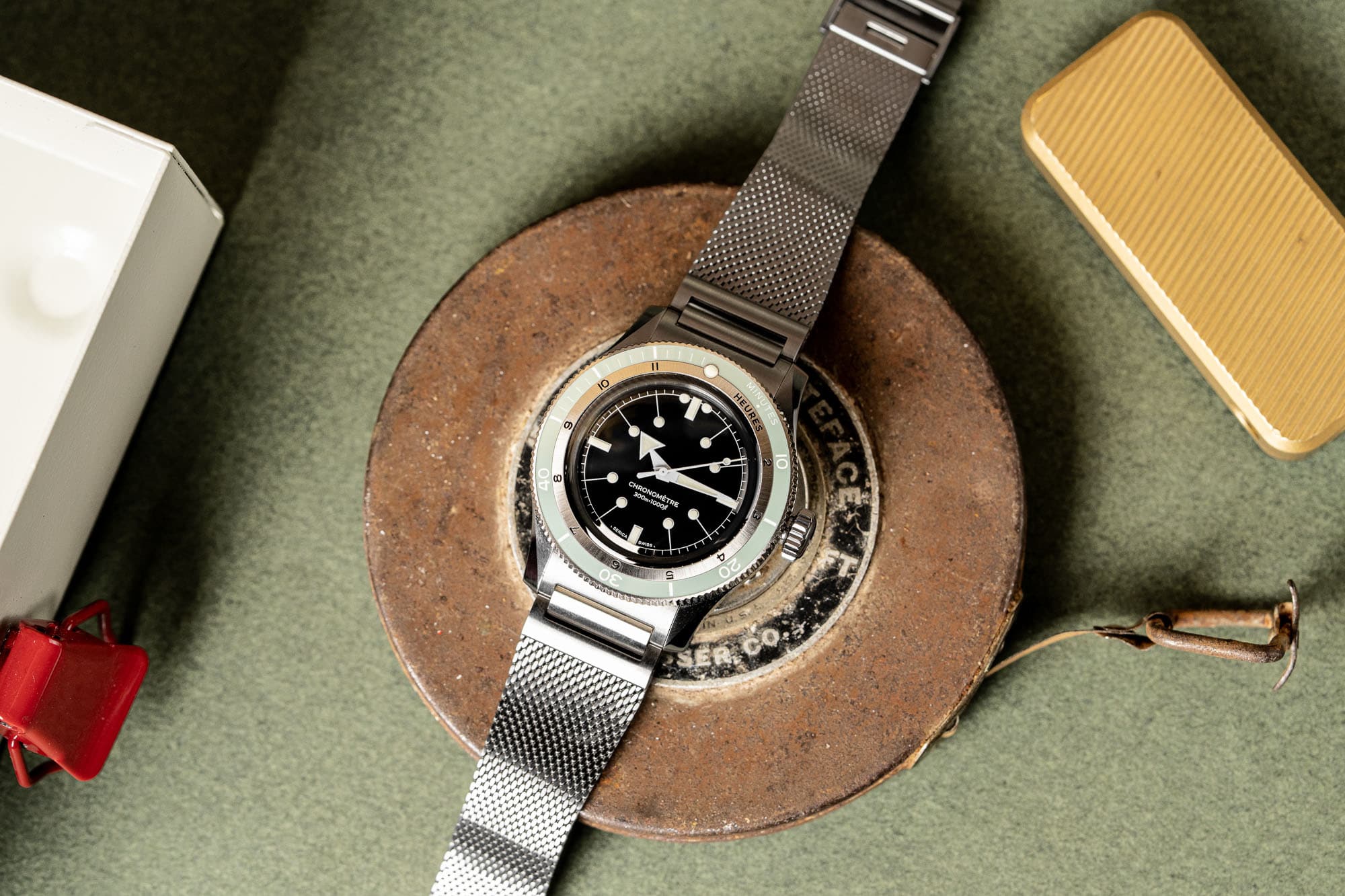
The author’s personal interest in Serica was sparked early in the brand’s existence, driven by the recognition of its unique position in the market. The opportunity to acquire a Serica timepiece finally arose at the Windup Watch Fair in Dallas. Despite no initial intention to purchase a watch that weekend, an encounter with the Serica 5303 diver, specifically the model featuring a seafoam green bezel, proved irresistible. The way the watch presented itself on the wrist, combined with its distinctive aesthetic, led to repeated visits to Serica’s booth, culminating in the decision to purchase. This spontaneous acquisition underscores the powerful emotional connection that well-designed and thoughtfully presented timepieces can forge.
Serica 5303-3: Technical Specifications and Wearability
The Serica 5303-3 boasts a carefully considered set of specifications designed for both aesthetic appeal and practical functionality. Measuring 39mm in diameter and 12.2mm in thickness, with a lug-to-lug span of 46.5mm, the watch presents a size that is widely considered ideal for a dive watch, offering a balance between presence and wearability. It is rated for a water resistance of 300 meters, a standard for robust dive watches.
At its heart beats the Soprod M100 automatic caliber, a movement renowned for its accuracy and reliability. This COSC-certified chronometer movement provides a power reserve of 42 hours. The inclusion of COSC certification across all of Serica’s watches underscores the brand’s commitment to precision and performance, a detail that, while perhaps not strictly necessary for every design, aligns with their ethos of creating serious, stylish tools.
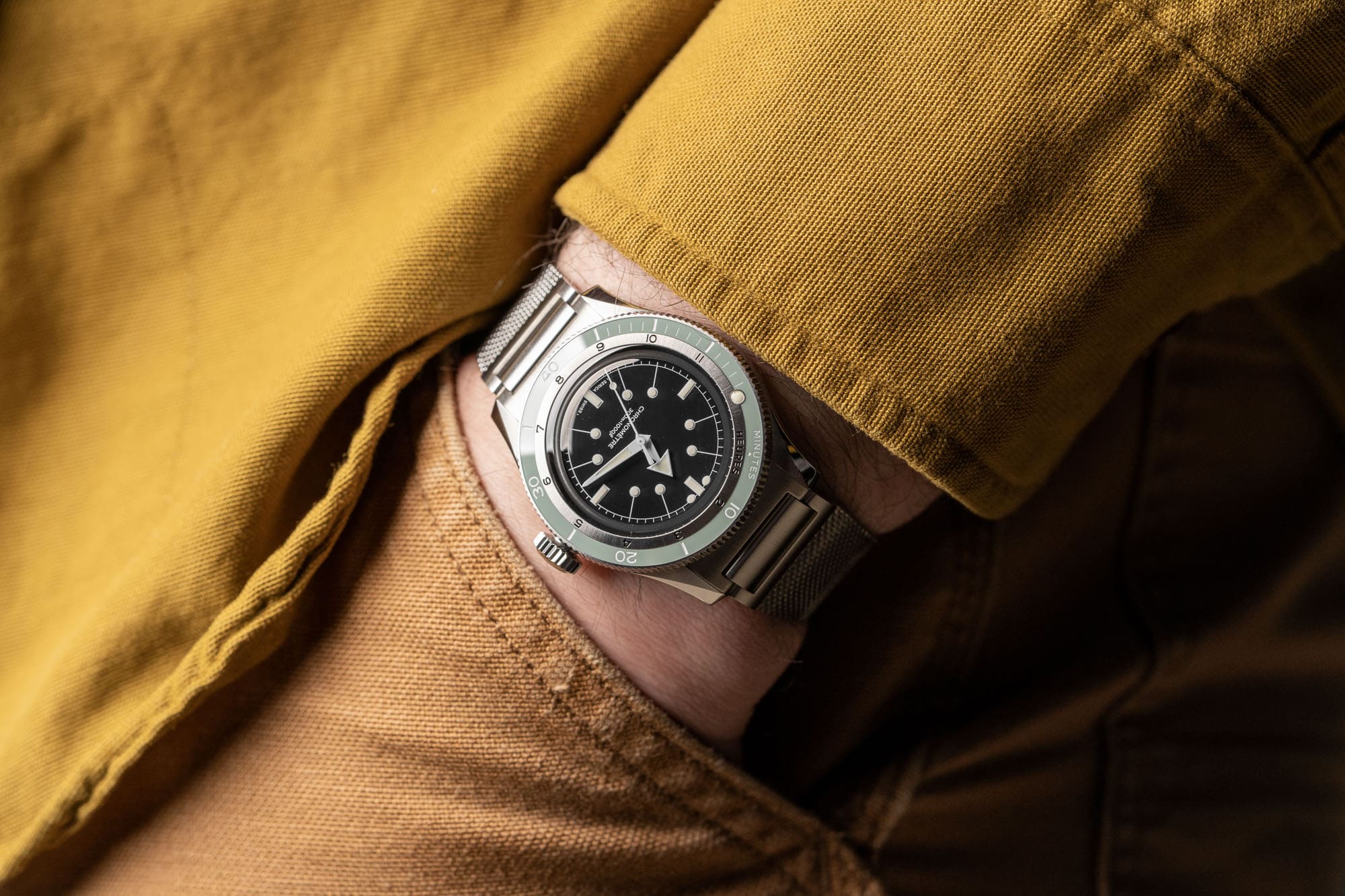
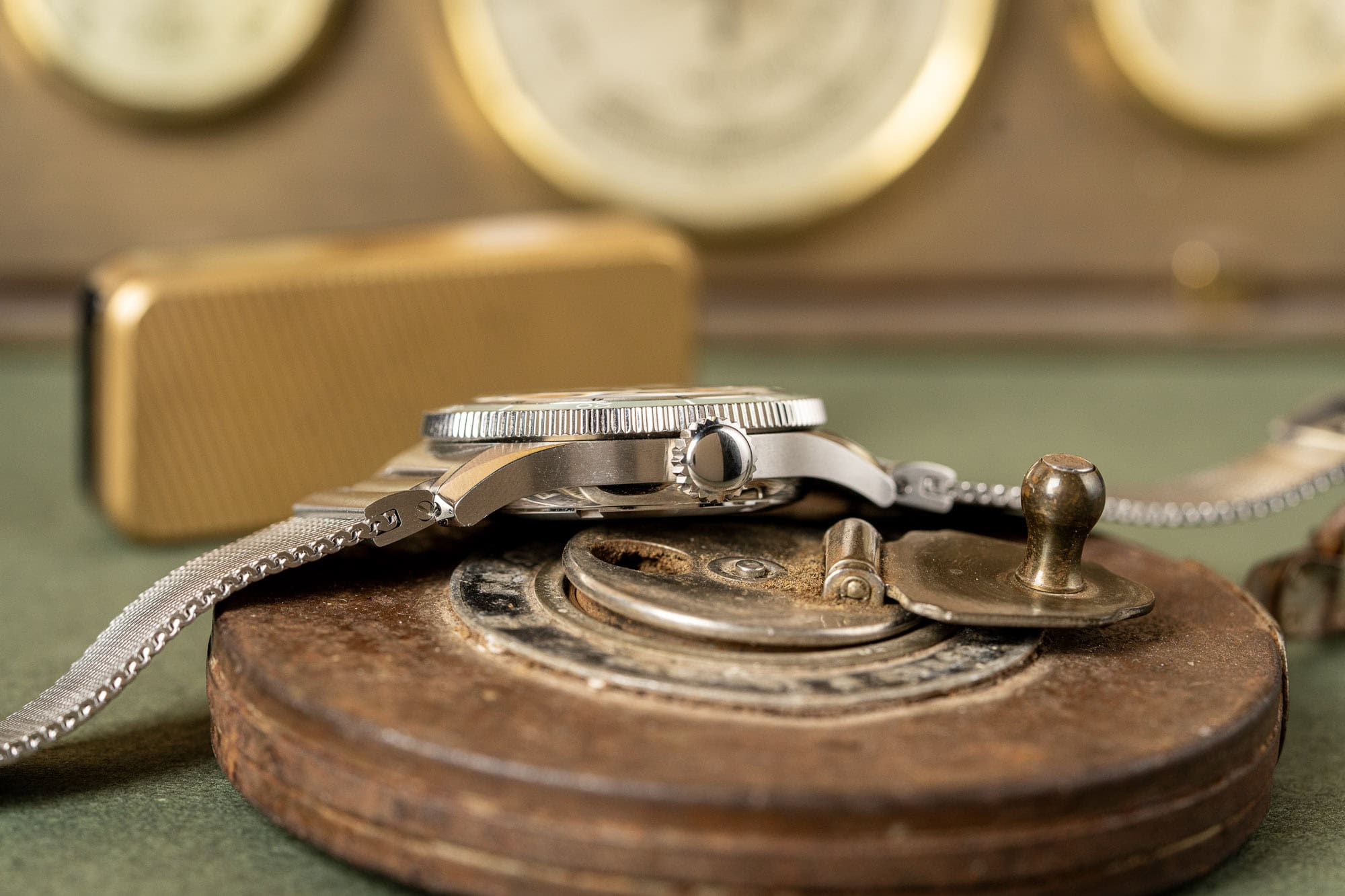
A key aspect that contributes to the 5303’s appeal is its wearability. The 39mm diameter allows the watch to be remarkably versatile, capable of transitioning seamlessly between casual and more formal settings. Its relatively slim profile, especially for a 300-meter dive watch, is enhanced by the case design. The twisted lugs, featuring wide, polished bevels that curve downwards, create a visual effect that makes the case appear thinner and accentuates its elegant lines. This thoughtful integration of case geometry significantly contributes to the watch’s comfortable and unobtrusive presence on the wrist.
A Design Dialogue Between Vintage Inspiration and Originality
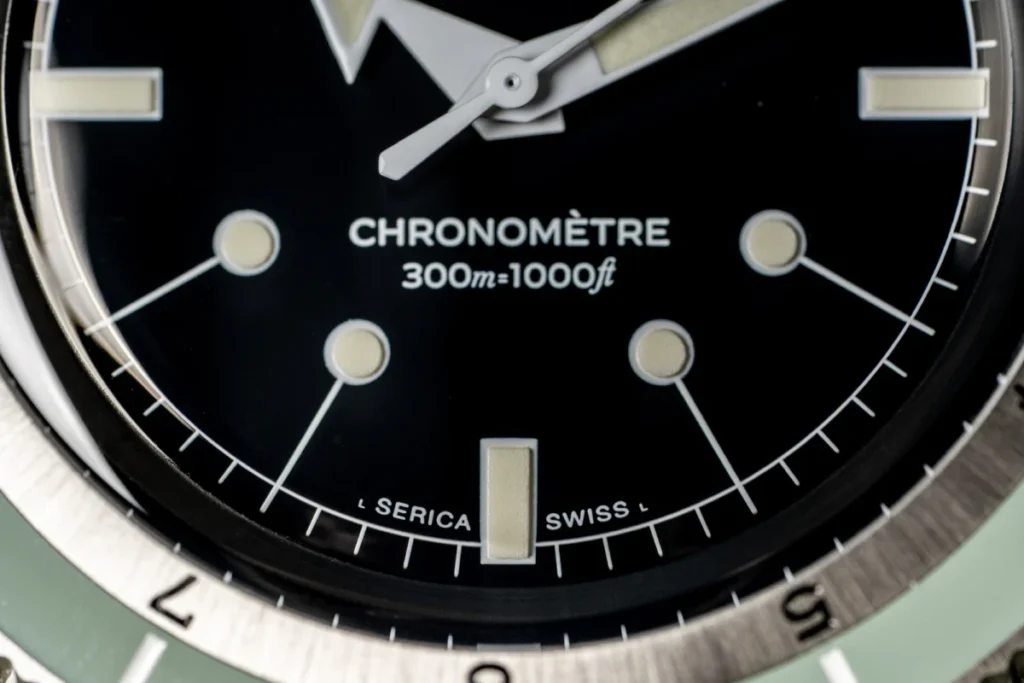
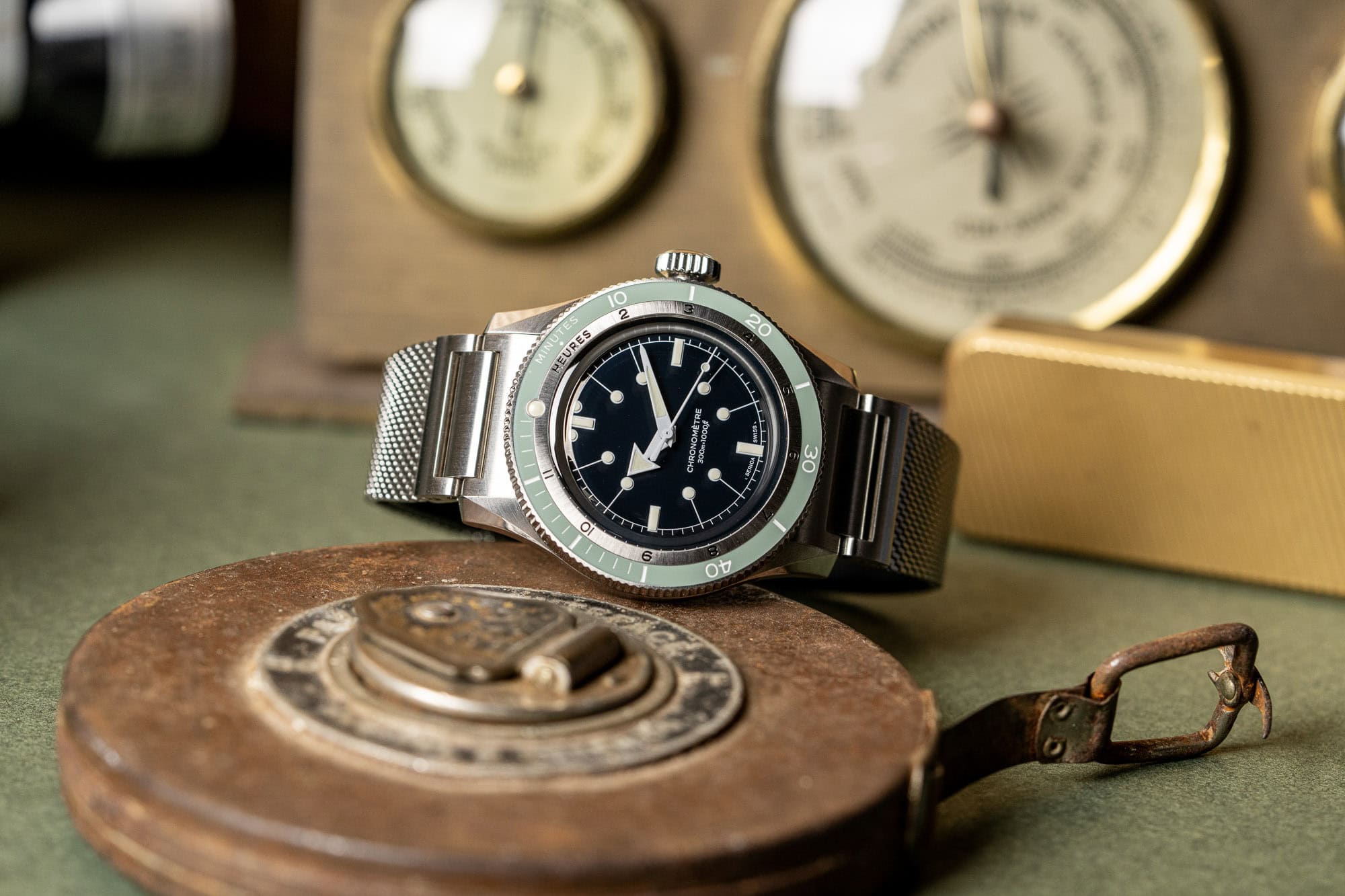
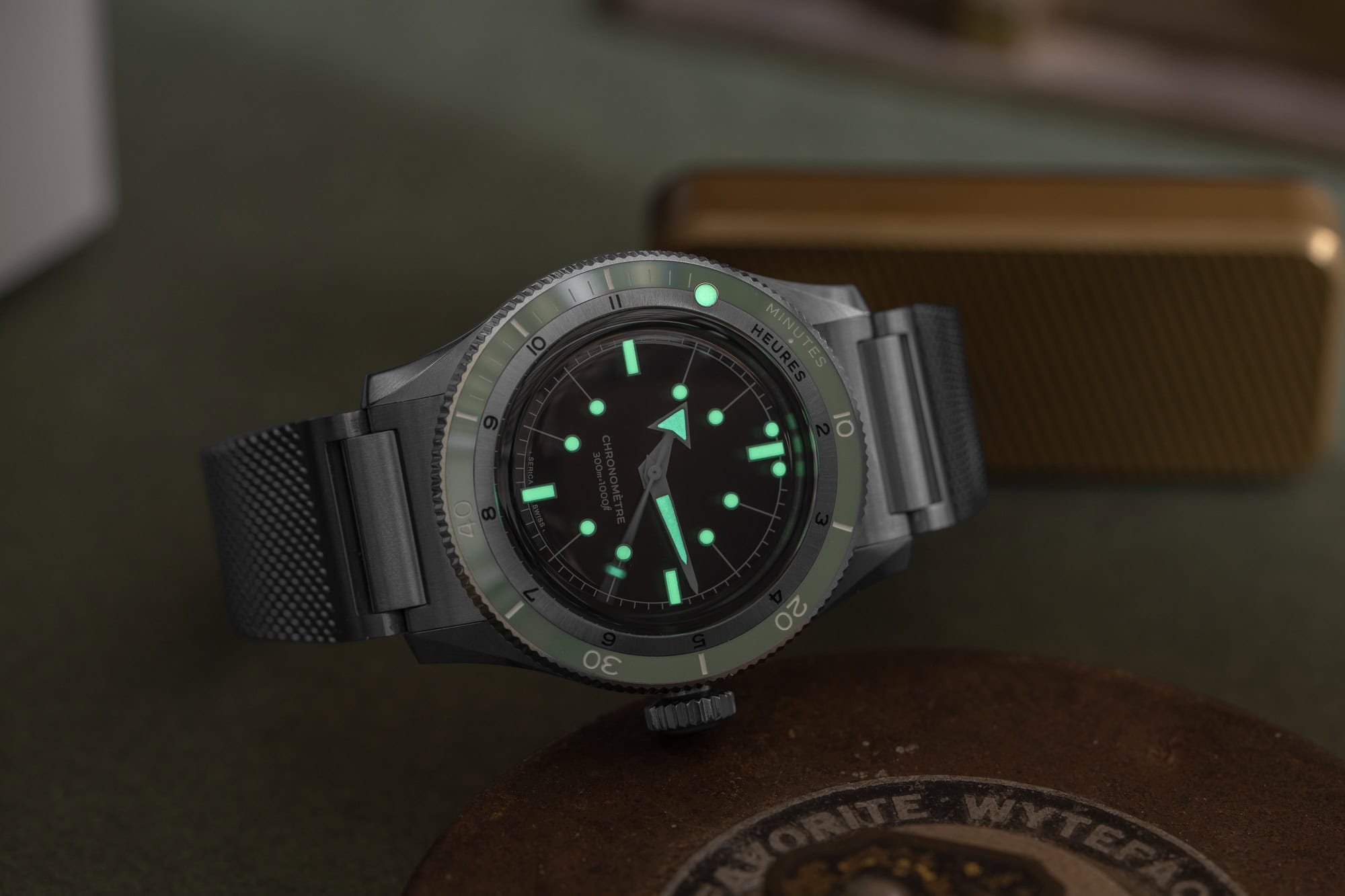
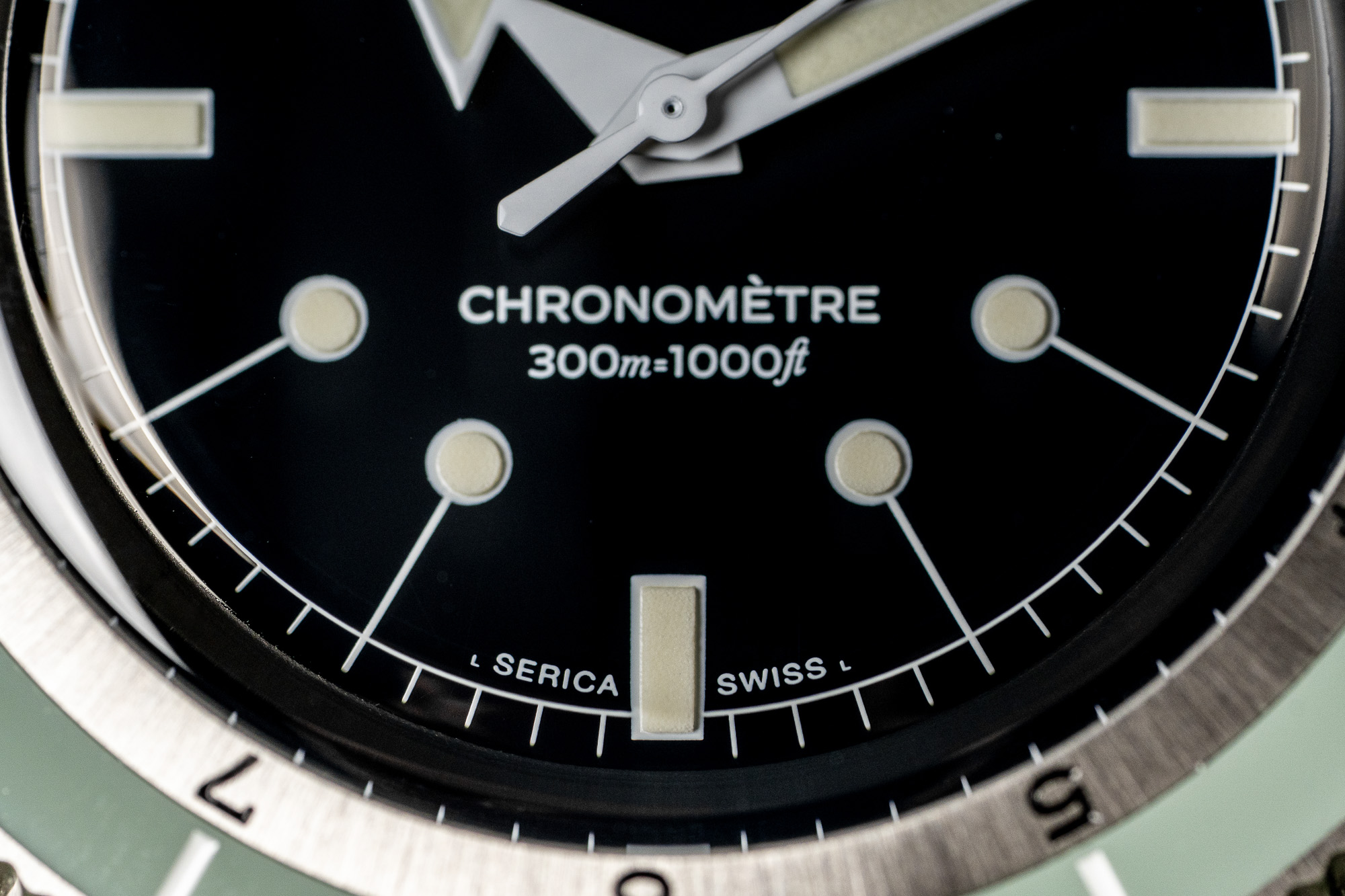
The visual language of the Serica 5303-3 is a masterclass in referencing historical design codes without succumbing to pastiche. From a distance, it evokes the classic dive watches of the mid-20th century. However, closer inspection reveals a wholly original creation, an amalgamation of familiar elements reinterpreted with a unique sensibility. The broad arrow hour hand, the combination of circular and rectangular hour markers, and the minimal dial text all speak to an earlier era of watchmaking. The cream-colored faux-patina lume on the markers adds a touch of vintage warmth.
Beyond these foundational elements, the 5303 incorporates distinctive details that elevate its originality. Thin, straight lines connect the non-cardinal hour markers to the minute track, adding visual depth and a subtle, almost spiderweb-like quality to the dial. While their functional necessity may be debatable, they undeniably contribute to the dial’s aesthetic intrigue and draw the eye.
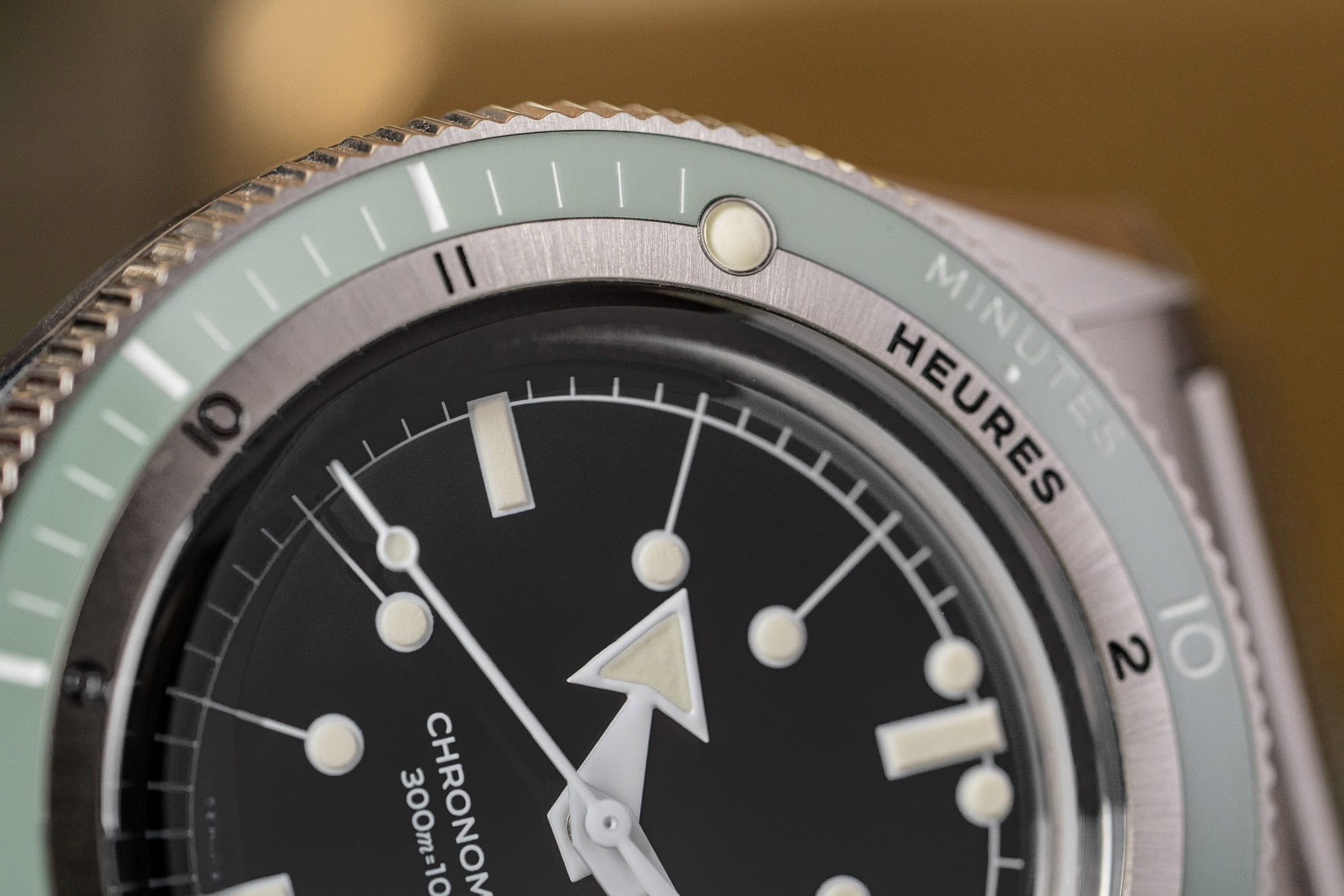
The bezel, which tracks both minutes and hours on separate scales, is a less common but highly effective design choice. Its execution on the 5303 is particularly noteworthy, especially the pastel green color of the outer minute track, which strongly evokes the appeal of vintage Bakelite bezels found on iconic timepieces from brands like Rolex. This blend of familiar motifs and original flourishes creates a watch that is both nostalgic and contemporary.
The Serica Bracelet: A Complex Relationship
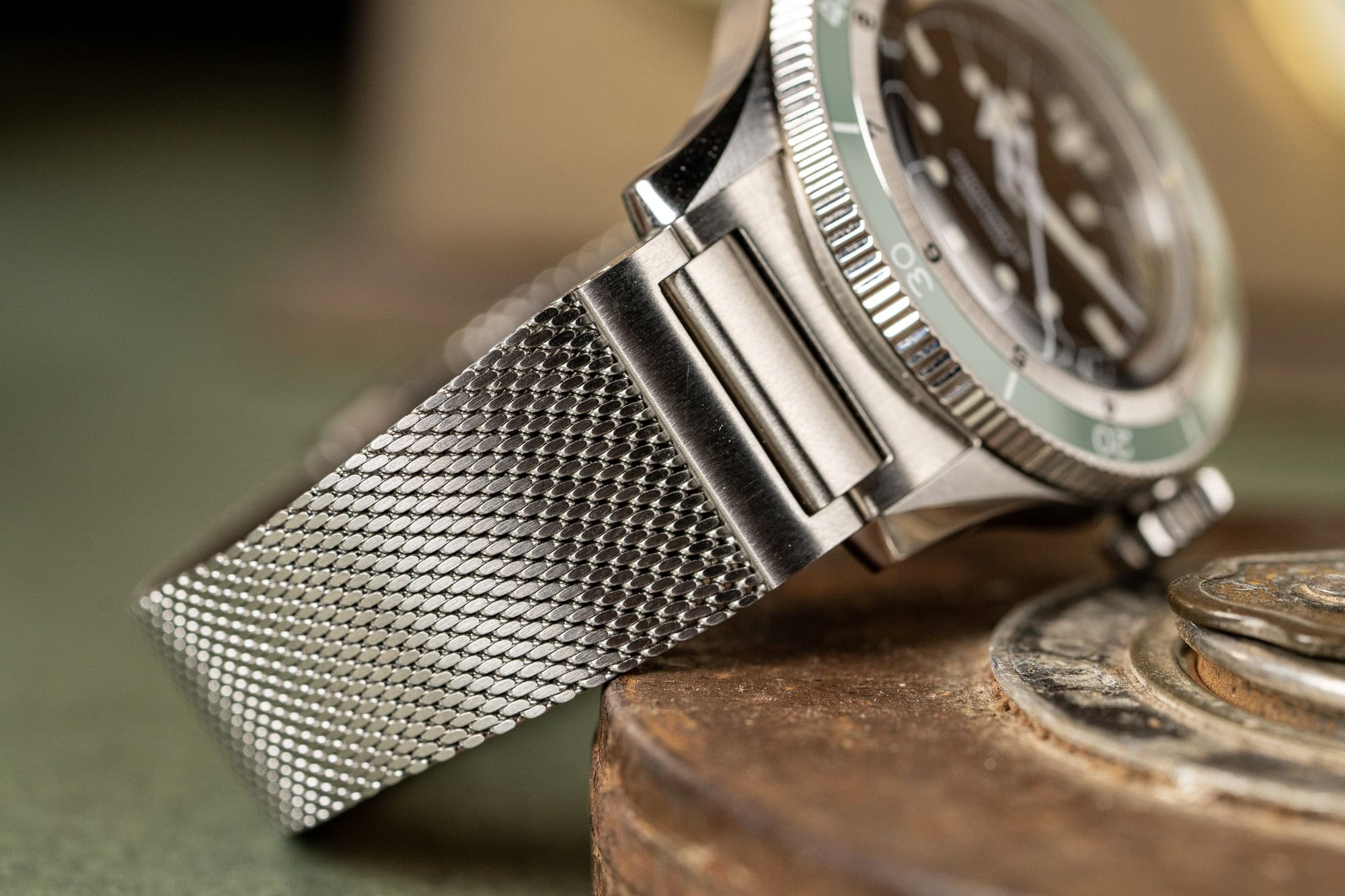
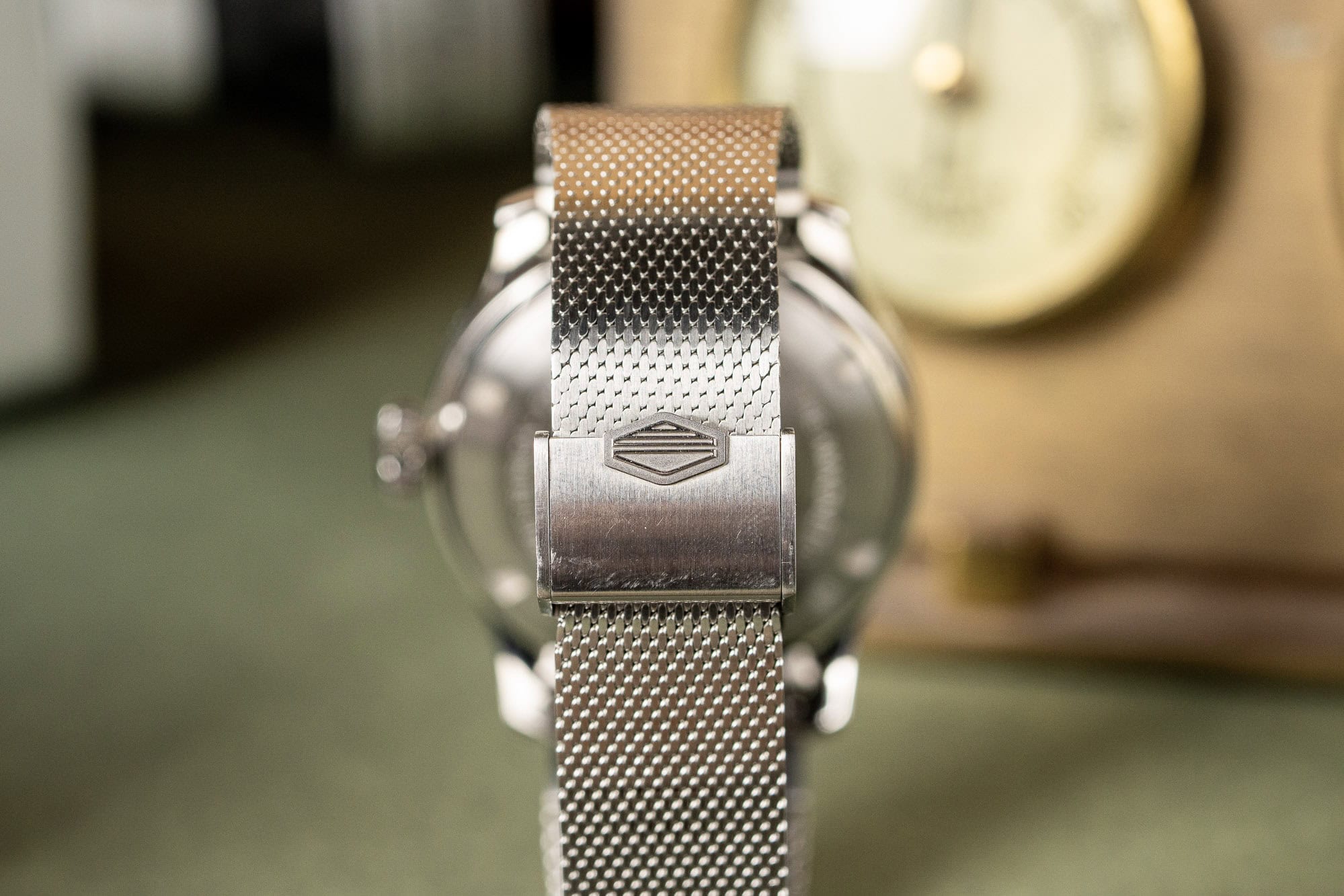
The bracelet accompanying the Serica 5303-3 is a significant point of discussion, representing a complex interplay of aesthetic brilliance and practical challenges. Visually, it is a striking component, presenting as a finely woven mesh that is a beautiful object in its own right. When properly sized, it offers exceptional comfort, contributing significantly to the watch’s overall attractiveness. The integration of the bracelet with the case is seamless, reinforcing the watch’s cohesive design.
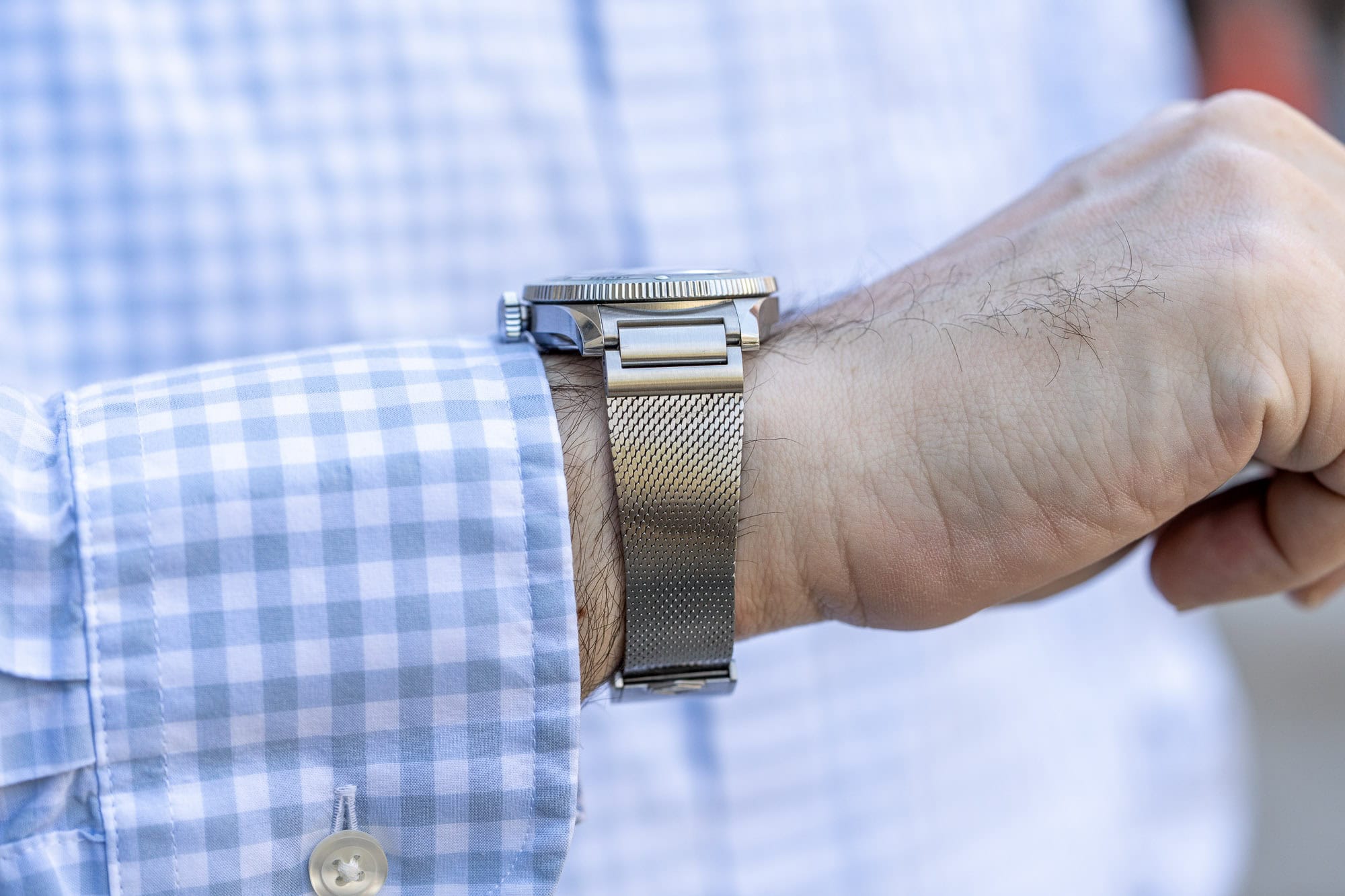
However, the bracelet’s practicality is where the complexities arise. The clasp mechanism, an older style where one end of the bracelet slides through the underside of the clasp and is secured by a folding lever, is notoriously difficult to operate with grace. Even after months of ownership, the author admits to not having fully mastered the technique required for a smooth closure. This mechanism, while historically common, feels somewhat antiquated and requires a degree of precision that can be frustrating. The tight tolerances of the end links also present a challenge, particularly when switching to a leather strap and then reattaching the bracelet. The articulated end links, crucial for the bracelet’s comfort and how it drapes on the wrist, make it difficult to seat them properly between the lugs, often leading to a prolonged struggle with the spring bar tool.
This juxtaposition of an exquisitely designed bracelet with functional drawbacks leads to a contemplation of Serica’s design philosophy. The brand positions itself as a maker of serious, stylish tools, a commitment reflected in features like COSC-certified movements and 100-meter water resistance on their dressier "Parade" model, emphasizing situational wearability. Yet, the 5303’s bracelet appears to lean towards form over function, a characteristic that might seem at odds with Serica’s stated intent.
Function vs. Form: A Deeper Consideration
The discussion around the 5303’s bracelet touches upon a broader debate within the watch community: the prioritization of specific technical specifications versus the pursuit of compelling aesthetics. Many enthusiasts, including the author, acknowledge that personal watch choices are often driven by visual appeal rather than an exhaustive checklist of technical capabilities. While brands may feel pressure to meet certain spec expectations to avoid criticism (e.g., low water resistance ratings), the reality is that many consumers are content with functional watches that simply "look cool."
In this context, the 5303 presents an interesting case study. The question arises whether one is willing to accept certain functional compromises for significant aesthetic gains. For the author, the answer is a resounding yes. The bracelet’s visual impact and the overall design of the watch outweigh its operational quirks.
Redefining the "Tool Watch"
The author’s experience with the 5303 also prompts reflection on the intended purpose of a watch versus its actual use by its owner. While Jerome and Gabriel likely envisioned the 5303 as a highly practical and user-friendly tool, the author perceives it more as a design object. This divergence in perception is not uncommon, particularly with luxury sports watches. For instance, Rolex dive watches, engineered for extreme environments, are predominantly worn as fashion accessories by the vast majority of their owners.
This phenomenon, where the user’s interaction with an object begins to define its essence, is a powerful aspect of cultural reception. Just as Bruce Springsteen’s "Born in the USA" has become a symbol of patriotism despite its complex lyrical content, and Tommy Wiseau’s "The Room" is celebrated for its unintentional comedic value, objects can take on new meanings once they enter the public sphere.
While the Serica 5303-3 is not a miscalculation on the scale of "The Room" or a widespread misunderstanding like "Born in the USA," it serves as an example of how a timepiece can develop a life of its own within an enthusiast community. As Serica, a brand still in its nascent stages, continues to evolve, its identity will be increasingly shaped by the community that embraces its creations. The author expresses pride in ownership and anticipation for the brand’s future trajectory, recognizing the dynamic interplay between design intent and user experience.