Well-used Volkswagen Polo was the big winner from the annual celebration of brilliantly mundane motors.
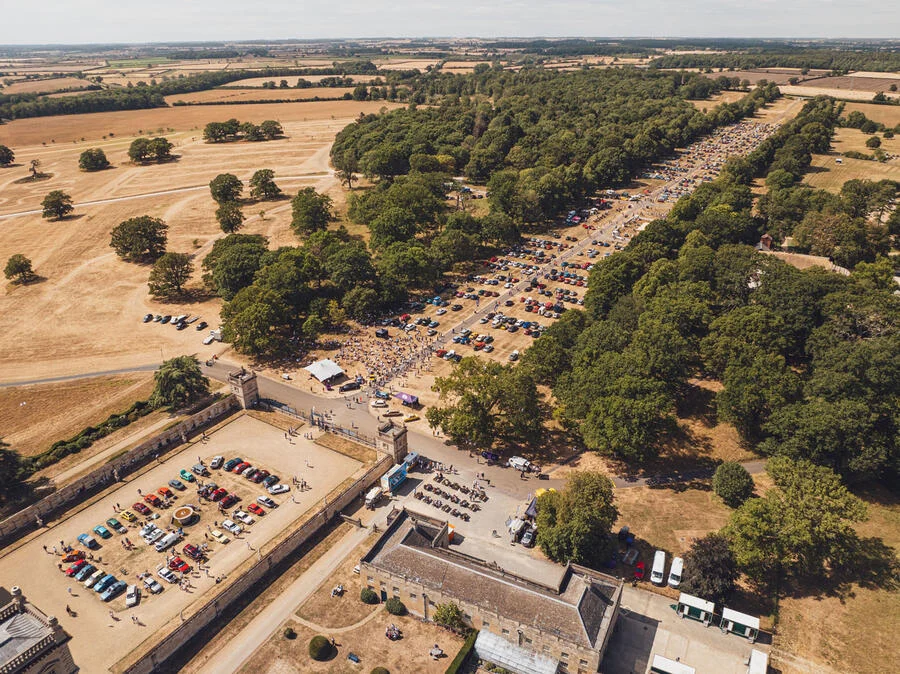
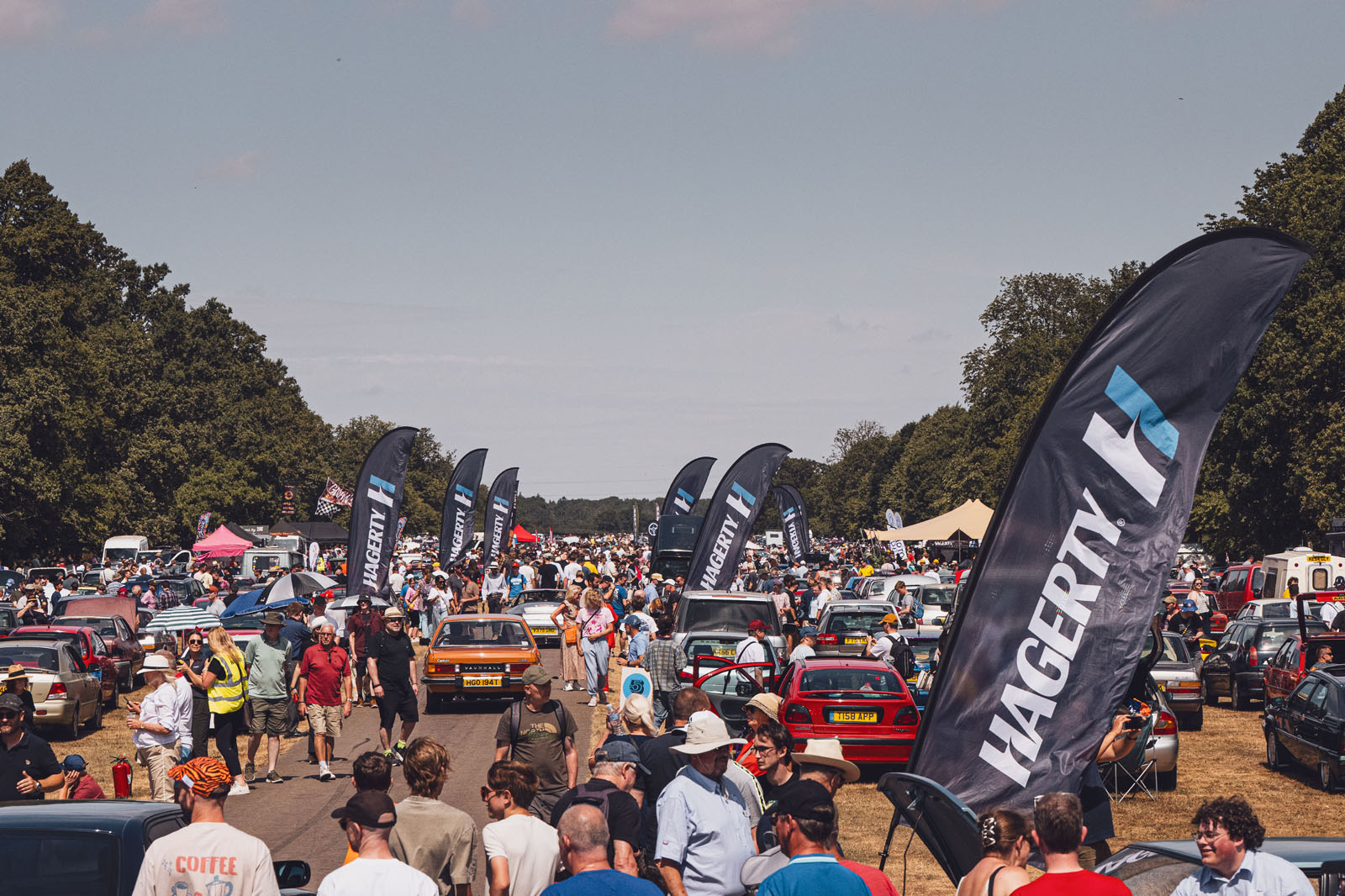
The automotive calendar is punctuated by events celebrating the pinnacle of automotive engineering and design – the hypercar, the classic supercar, the meticulously restored vintage automobile. Yet, amidst this landscape of automotive aspiration, a different kind of celebration has steadily grown in stature and significance: the Hagerty Festival of the Unexceptional. This year’s iteration, held at the picturesque Grimsthorpe Castle in Lincolnshire, has been widely hailed as the most successful and resonant to date, culminating in the unlikely but deeply satisfying victory of a quarter-century-old, well-used Volkswagen Polo C.
This particular Polo, owned by Gordon McNeill, stood out not for its pristine condition or rare provenance, but for its profound and enduring utility. With a modest 999cc, 49bhp engine, it represents a bygone era of automotive simplicity, where function and reliability trumped flash and performance. McNeill’s car, having clocked an impressive 176,000 miles, tells a story of genuine, everyday service. It served as his wedding car, a testament to its importance in his personal history, and has been his steadfast daily driver for the past two decades since its purchase. This narrative of unwavering dedication and practical application resonated deeply with the spirit of the festival, cementing its status as the undisputed champion of the 2026 Hagerty Festival of the Unexceptional.
The Genesis and Evolution of the Unexceptional
The Hagerty Festival of the Unexceptional, now a firmly established fixture in the automotive calendar, began as a counter-cultural movement within the classic car world. Launched by Hagerty, a specialist insurance provider for classic vehicles, the festival was conceived to champion the everyday cars that formed the backbone of motoring for generations but are often overlooked by mainstream classic car culture. The underlying philosophy is that true automotive appreciation lies not solely in rarity or monetary value, but in the stories, memories, and sheer, unadulterated usefulness these vehicles embody.
The inaugural event, held in 2014, was a far more modest affair, drawing a smaller, more niche crowd. However, its infectious charm and unique premise quickly gained traction. Over the years, the festival has grown exponentially, attracting thousands of enthusiasts and hundreds of carefully curated "unexceptional" vehicles. Grimsthorpe Castle, with its sprawling grounds and historic architecture, has provided an increasingly fitting backdrop for this celebration of the mundane, transforming it into a veritable pilgrimage for lovers of the ordinary.
This year’s event, however, marked a significant milestone. The sheer volume and quality of entries, alongside an unprecedented level of public engagement, signaled a maturation of the festival’s appeal. It’s no longer just a niche gathering; it’s a mainstream acknowledgment of the cultural significance of the cars that most of us grew up with, drove, and relied upon. The growth in attendance and media coverage underscores a broader societal shift, a renewed appreciation for the utilitarian, the robust, and the relatable in a world increasingly dominated by the ephemeral and the aspirational.
The Unlikely Champion: A Volkswagen Polo’s Tale
Gordon McNeill’s Volkswagen Polo C is more than just a car; it is a testament to enduring engineering and the deep emotional connections forged with our modes of transport. In an era where planned obsolescence is a common concern and the average lifespan of a car is significantly shorter, a 25-year-old Polo with nearly 200,000 miles on the clock is a remarkable achievement in itself. Its victory at the Festival of the Unexceptional is a powerful endorsement of its owner’s dedication and the inherent quality of the vehicle.
The choice of a 1999 model year Polo C is particularly poignant. This generation of Polo represented a peak in the model’s reputation for solid build quality and practicality. While never a performance leader or a design trendsetter, it was consistently lauded for its dependability and affordability – qualities that define the spirit of the "unexceptional." McNeill’s personal story elevates the car further. Using it as his wedding car imbues it with a romantic narrative, transforming it from a mere appliance into a vessel of cherished memories. Its subsequent life as a daily driver for two decades highlights its resilience and its owner’s commitment to sustainable motoring.
The judging criteria at the Festival of the Unexceptional are intentionally unconventional. While condition is a factor, it is often overshadowed by originality, signs of regular use, and the compelling story behind the vehicle. McNeill’s Polo, with its visible but well-maintained wear and tear, its testament to a life lived, perfectly embodied these ideals. The 49bhp engine, while modest by today’s standards, was perfectly adequate for its intended purpose and reflects a time when fuel efficiency and simplicity were paramount.
Beyond the Polo: A Diverse Showcase of the Mundane
While the Volkswagen Polo C ultimately took home the coveted prize, the 2026 Hagerty Festival of the Unexceptional showcased a breathtaking array of vehicles that celebrated the ordinary. Attendees were treated to a visual feast of automotive history, featuring models that once populated our driveways and dominated our roads, now largely absent from traditional car shows.
Among the notable entries were:
- Ford Escorts and Astras: These ubiquitous family cars of the 1980s and 90s, often seen as workhorses, were presented in varying states of preservation, reminding attendees of their vital role in family life and commuting.
- Austin Montegos and Rover 200 Series: These British Leyland and Rover Group stalwarts, once the subject of both affection and derision, were celebrated for their distinctive designs and the memories they evoked.
- Various MPVs and Hatchbacks: From early Renault Espace models to the iconic Peugeot 205, the festival embraced the practicalities of people carriers and the enduring appeal of the supermini.
- Unusual Commercial Vehicles: Light commercial vehicles, often overlooked, also found a place, highlighting their unsung heroes of industry and trade.
The diversity of the entries underscored the festival’s inclusive approach. It wasn’t just about cars that were once popular; it was about cars that were used. The presence of minor cosmetic imperfections, the subtle patina of age, and the evidence of regular maintenance rather than concours-level restoration were actively encouraged. This approach fosters a sense of authenticity and relatability, allowing attendees to connect with the vehicles on a deeper, more personal level.
Expert Commentary and Inferred Reactions
Steve Cropley, a highly respected automotive journalist and a prominent figure at Autocar, has been a vocal supporter of the Festival of the Unexceptional. His commentary consistently emphasizes the event’s unique ability to tap into genuine automotive sentiment. "Find me another car show, if you can, where the victorious car is 25 years old, has done 176,000 miles, was its owner’s wedding car and has been his daily driver ever since he bought it 20 years ago," Cropley is quoted as saying, highlighting the extraordinary nature of the Polo’s win. This statement encapsulates the festival’s core ethos: celebrating the stories and the enduring service of vehicles, rather than their monetary or prestige value.
While direct quotes from other attendees are not provided in the source material, the sentiment of admiration for McNeill’s Polo and the overall success of the event can be logically inferred. Organizers, like Hagerty, likely expressed immense satisfaction with the turnout and the positive reception. The festival’s growth year on year suggests a strong demand for this type of automotive celebration. One can imagine conversations among attendees revolving around shared memories of similar vehicles, the challenges of maintaining older cars, and the sheer joy of seeing these uncelebrated heroes of the road receive their due recognition.
Broader Impact and Implications
The success of the Hagerty Festival of the Unexceptional, and particularly the triumph of Gordon McNeill’s Volkswagen Polo, carries broader implications for the automotive world and beyond.
- Shifting Perceptions of Classic Cars: The festival is actively challenging the traditional definition of a "classic car." It advocates for a more inclusive and democratic approach, recognizing that cars of all types and ages can hold significant historical, cultural, and emotional value. This encourages a wider demographic to engage with automotive heritage, potentially increasing the pool of enthusiasts and preserving a more diverse range of vehicles.
- Sustainability and Longevity: In an era increasingly focused on sustainability, the festival’s emphasis on keeping cars on the road for as long as possible offers a positive message. McNeill’s Polo, with its 176,000 miles, is a powerful example of the potential for longevity in well-maintained vehicles, promoting a mindset of repair and reuse over replacement.
- Economic Accessibility: The festival democratizes the classic car hobby. While many classic car events cater to high-value vehicles, the Festival of the Unexceptional proves that passion and appreciation are not limited by budget. This makes the hobby more accessible to a wider audience, fostering a more vibrant and inclusive community.
- Nostalgia and Cultural Heritage: These cars are tangible links to our past. They evoke memories of childhood, family road trips, and the everyday fabric of life. By celebrating these vehicles, the festival acts as a custodian of cultural heritage, preserving the stories and experiences associated with them for future generations.
- The "Unexceptional" as a New Category: The festival has successfully carved out a distinct and beloved niche. The term "unexceptional" has become synonymous with a specific kind of automotive appreciation – one that values character, utility, and the stories embedded within a vehicle. This has inspired similar events and discussions within the automotive community.
The 2026 Hagerty Festival of the Unexceptional, crowned by the humble yet heroic Volkswagen Polo, stands as a landmark event. It not only celebrated the brilliance of the mundane but also reinforced the idea that true automotive passion knows no bounds of price, rarity, or prestige. It is a powerful reminder that the most memorable journeys are often taken in the most relatable of companions, cars that have truly earned their place in our lives and our histories. The continued success of this festival bodes well for a more inclusive, sustainable, and story-rich future for automotive appreciation.