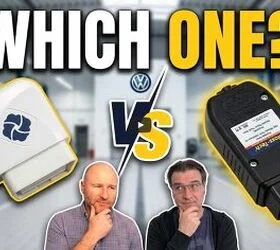
In a recent episode of the popular podcast "VW ID Talk," hosts Jan and Wes embarked on an in-depth exploration of the diagnostic and coding tools available for Volkswagen vehicles, a topic of increasing importance for modern car owners and technicians alike. The discussion, presented as part of TTAC Creators Series, aims to demystify the complex world of vehicle diagnostics, ranging from basic battery health monitoring to the intricate realm of advanced retrofits and Security Gateway (SFD) unlocks. The episode provides a crucial resource for Volkswagen owners and independent repair shops seeking to navigate the ever-evolving landscape of vehicle electronics.
The hosts meticulously broke down the offerings of several key diagnostic solutions, evaluating their respective pros, cons, and pricing structures. The tools under scrutiny included standard OBD-II scanners, the smartphone-centric OBDeleven, the feature-rich dFirst, the established VCDS (formerly VAG-COM), the specialized VCTool, and the official factory diagnostic software, ODIS. This comprehensive review is particularly timely given the growing complexity of modern Volkswagen vehicles, especially their electric counterparts like the ID.4, which are laden with interconnected electronic control modules.
Understanding the Evolution of Vehicle Diagnostics
The foundation of modern vehicle diagnostics lies in the On-Board Diagnostics (OBD) system, specifically the standardized OBD-II protocol introduced in 1996. This system mandates a universal OBD-II port in all vehicles, providing a gateway for accessing diagnostic information. However, the hosts stressed that a generic OBD-II scanner, while a useful starting point, often only scratches the surface of a modern Volkswagen’s capabilities.
Modern Volkswagens are sophisticated networks of dozens of interconnected electronic control modules (ECMs). These modules govern an array of critical functions, from powertrain management and infotainment systems to advanced driver-assistance features (ADAS) and comfort settings. For enthusiasts looking to perform modifications, retrofits, or even simple coding adjustments, direct access to and manipulation of these individual modules are often necessary. This is where specialized tools differentiate themselves from basic scanners.
A Deep Dive into Diagnostic Tool Categories
The "VW ID Talk" episode meticulously categorized and analyzed the available tools, providing a tiered approach to understanding their functionalities and target audiences.
1. Generic OBD-II Scanners
Representing the entry-level segment, generic OBD-II scanners, often available as Bluetooth adapters like OBDLink and Carista, are the most accessible tools for car owners.
Advantages:
- Affordability: Typically the most budget-friendly option.
- Ease of Use: Generally designed for straightforward operation.
- Basic Diagnostics: Capable of reading and clearing Diagnostic Trouble Codes (DTCs) and monitoring basic live data streams.
- Wide Compatibility: Works with most vehicles manufactured after 1996.
Popular Features:
- Reading and clearing check engine lights.
- Monitoring engine RPM, coolant temperature, and other vital parameters.
- Basic emissions testing readiness checks.
Disadvantages:
- Limited Functionality: Cannot perform advanced coding, adaptations, or module resets.
- Vehicle-Specific Data Lacking: May not provide detailed information or control over specific Volkswagen systems.
- No SFD Unlock Capability: Unable to access secured modules in newer vehicles.
2. OBDeleven
OBDeleven has carved out a significant niche for itself by offering a smartphone-based diagnostic experience specifically tailored for the Volkswagen Group. Its intuitive interface and extensive "one-click" applications make advanced coding accessible to a broader audience.
Features:
- Smartphone Integration: Operates via a mobile app (iOS and Android) connected to a Bluetooth dongle.
- Extensive "One-Click" Apps: Pre-programmed functions for common adaptations and retrofits (e.g., enabling battery meter, changing ambient lighting, activating needle sweep).
- Live Data and Coding: Allows for live data viewing and manual coding of control modules.
- SFD Unlock Capability: Offers the ability to unlock the Security Gateway (SFD) on newer VW models, enabling access to more advanced functions.
Strengths:
- User-Friendly Interface: The "one-click" apps significantly simplify complex tasks.
- Cost-Effective for Many Tasks: Provides access to many features typically found in more expensive tools at a lower price point.
- Active Development: The platform is continuously updated with new features and apps.
Weaknesses:
- Subscription Model for Some Features: Certain advanced functions or continuous access to premium features might require a subscription.
- Less Depth for Experts: While powerful, it may not offer the granular control and deep diagnostic capabilities for highly specialized tasks compared to VCDS.
- Dependence on App Updates: Functionality is tied to the development and stability of the mobile application.
3. D-First (DFirst)
D-First is positioned as a versatile tool that strikes an excellent balance between ease of use and comprehensive functionality, making it a compelling option for enthusiasts and independent workshops.
Key Features:
- Windows-Based Software: Utilizes a software application that runs on Windows-compatible devices.
- Advanced Coding and Adaptations: Supports deep coding, long coding, and module adaptations.
- Module Diagnostics and Control: Offers detailed diagnostics, data logging, and control over individual modules.
- SFD Unlock Capability: Includes functionality to bypass or unlock the SFD for access to secured modules.
Examples of Functions:
- Performing complex retrofits, such as adding cruise control or upgrading lighting systems.
- Recoding control modules after component replacement.
- Accessing and modifying adaptation channels for fine-tuning vehicle settings.
Major Advantage:
- Exceptional Developer Support: The hosts highlighted the remarkably responsive support from the D-First developers. They cited instances where requested features were implemented within a day, showcasing a commitment to user feedback and rapid development.
Limitations:
- Learning Curve: While more intuitive than some professional tools, it still requires a greater understanding of vehicle electronics than "one-click" solutions.
- Hardware Dependency: Requires a Windows laptop or tablet for operation.
4. VCDS (formerly VAG-COM)
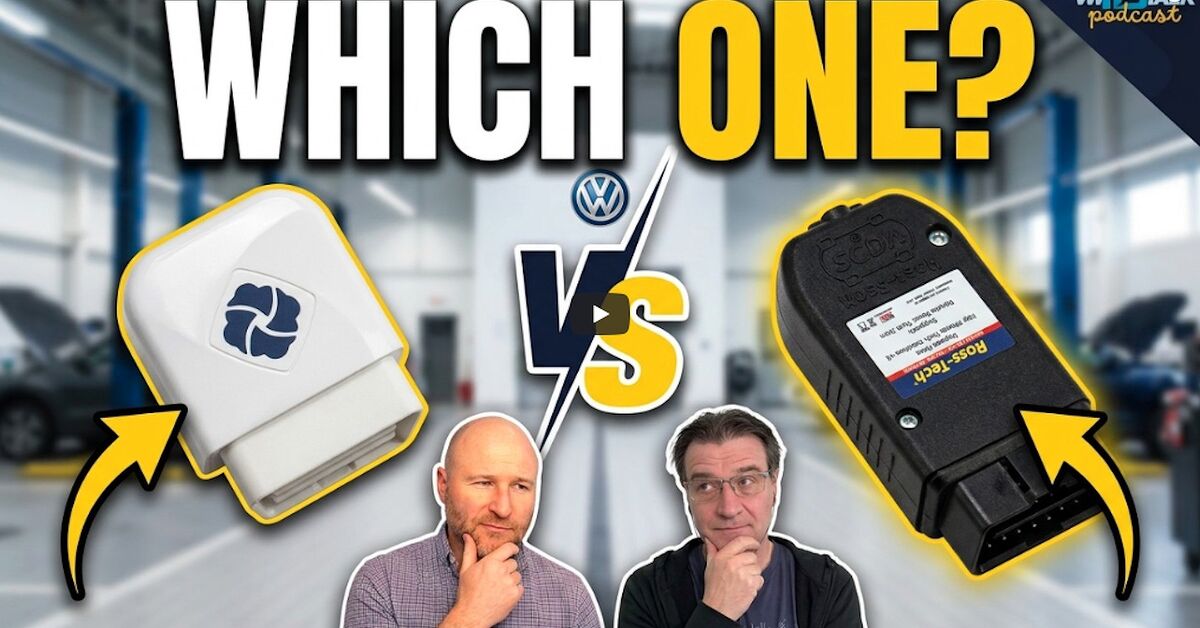
Widely regarded as the gold standard for Volkswagen Group diagnostics by many enthusiasts and professionals, VCDS, developed by Ross-Tech, offers unparalleled depth and breadth of functionality. Both hosts of "VW ID Talk" identified VCDS as their preferred platform.
Features:
- Comprehensive Diagnostic Suite: Provides access to virtually all control modules, allowing for reading, clearing, and coding DTCs.
- Advanced Long Coding and Adaptations: Offers extensive capabilities for modifying module parameters and adaptations.
- Data Logging and Analysis: Enables detailed logging of live data for in-depth troubleshooting and analysis.
- Vast Online Community and Support: Benefits from a massive, active user base and extensive documentation.
Typical Uses:
- Diagnosing complex electrical issues across all vehicle systems.
- Performing advanced coding for features not enabled from the factory.
- Retrofitting new modules and integrating them seamlessly into the vehicle’s network.
- Unlocking hidden features and optimizing performance settings.
The hosts specifically praised VCDS’s ability to compare thousands of adaptation channels, which can reveal hidden settings and unlock sophisticated functions, such as the advanced capabilities of matrix headlights.
Advantages:
- Unrivaled Depth: Offers the most comprehensive access and control over Volkswagen vehicles.
- Reliability and Stability: Known for its robust performance and consistent operation.
- Extensive Documentation and Support: Ross-Tech provides extensive manuals and a highly knowledgeable user community.
- SFD Unlock Capability: Supports unlocking SFD modules, though this often requires an additional authorization process.
Drawbacks:
- Higher Cost: The initial investment for the software and appropriate interface cable can be substantial.
- Steeper Learning Curve: Requires a significant understanding of automotive electronics and VCDS-specific terminology.
- PC Dependency: Primarily operates via a Windows-based computer.
5. VC Tool
VC Tool is presented as a highly specialized tool catering to expert users and those involved in advanced vehicle modifications or diagnostics. Its focus is on providing deep access and control, often for more complex or experimental tasks.
Capabilities:
- Advanced Module Access and Manipulation: Designed for intricate operations that may go beyond standard diagnostic procedures.
- Component Protection and Immo Data Handling: Capable of managing component protection and immobilizer-related data, crucial for certain module replacements or swaps.
- Low-Level Data Access: Can potentially access and interpret lower-level data streams for highly specific troubleshooting.
Advantages:
- Extreme Specialization: Ideal for niche applications and advanced users pushing the boundaries of vehicle customization.
- Potentially Unique Functionality: May offer capabilities not found in more common diagnostic tools.
Disadvantages:
- Extremely Steep Learning Curve: Requires a high level of expertise.
- Limited Documentation and Support: Likely has a smaller user base and less readily available support compared to mainstream tools.
- High Cost and Niche Appeal: Targeted at a very specific audience, making it less accessible and potentially more expensive.
- Risk of Damage: Improper use could lead to significant damage to vehicle modules.
6. ODIS (Offboard Diagnostic Information System)
ODIS is the official diagnostic software used by Volkswagen dealerships worldwide. It represents the pinnacle of factory-level diagnostics, providing authorized technicians with complete access to all vehicle systems for maintenance, repair, and programming.
Primary Functions:
- Full Vehicle Diagnostics: Capable of reading and clearing all DTCs, performing module tests, and accessing live data across every system.
- Software Updates and Flashing: Used for updating control module software, performing firmware flashes, and reprogramming modules.
- Component Protection and Immobilizer Management: Essential for tasks like replacing ECUs, keys, or other security-related components.
- Guided Troubleshooting: Provides factory-guided diagnostic routines and repair procedures.
Benefits:
- Complete Access and Authority: The ultimate tool for official dealership-level diagnostics and repairs.
- Factory-Approved Procedures: Ensures all work is performed according to Volkswagen’s specifications.
- Access to All Updates and Revisions: Constantly updated with the latest vehicle software and diagnostic protocols.
Limitations:
- Availability and Cost: Not directly available to the general public. Obtaining a legitimate license and hardware is prohibitively expensive for independent users.
- Requires Specialized Hardware: Uses proprietary diagnostic interfaces and often requires a dedicated workstation.
- Strict Usage Protocols: Designed for professional use with established workflows.
Host Preferences and Community Insights
The "VW ID Talk" episode revealed distinct preferences among the hosts and offered insights from the community.
Jan’s Preferences:
- VCDS: For its unparalleled depth, reliability, and extensive capabilities for complex tasks and modifications.
- OBDeleven: For its convenience, ease of use for common tasks, and its accessibility via smartphone.
- D-First: As a strong contender for its balanced approach and excellent developer support.
Wes’s Preferences:
- VCDS: Echoing Jan’s sentiment for its comprehensive power and historical reliability.
- OBDeleven: Valued for its user-friendliness and quick access to everyday features.
- D-First: Recognized for its growing capabilities and responsive development team.
A poll of 24 users within the community yielded the following results:
- OBDeleven: 10 votes
- VCDS: 8 votes
- Generic OBD-II Scanners: 4 votes
- D-First: 2 votes
The hosts theorized that the higher preference for mobile-friendly tools like OBDeleven among the surveyed users was due to their convenience for everyday enthusiasts who might not need the extreme depth of VCDS for every task. This suggests a growing trend towards user-friendly, app-based solutions for common automotive maintenance and customization.
Future Outlook and Broader Implications
The discussion concluded with a preview of an upcoming interview with a Ross-Tech representative. This session promises to delve deeper into the intricacies of VCDS and shed light on the internal architecture of Volkswagen’s complex electronic systems, including the CAN bus. Such insights are invaluable for understanding how these modules communicate and how diagnostic tools interact with them.
The proliferation of advanced diagnostic tools empowers Volkswagen owners to take a more active role in their vehicle’s maintenance and customization. For independent repair shops, understanding these tools is crucial for competing with dealerships and offering specialized services. As vehicles become increasingly software-defined, the ability to diagnose, code, and modify electronic systems will only grow in importance, making resources like the "VW ID Talk" podcast essential for staying informed. The trend towards more complex vehicle electronics, coupled with the demand for personalized driving experiences, ensures that the evolution of diagnostic tools will continue to be a dynamic and critical aspect of the automotive aftermarket.