The crisp autumn air of Toronto, a familiar embrace for its residents, provided a serene backdrop for the 2026 Toronto Timepiece Show. As the city stirred with the gentle rhythm of early morning runners and parents navigating strollers, a different kind of anticipation filled the air. This year’s iteration of the show, held at the naturally lit Meridian Arts Centre, signaled a deliberate shift towards refinement, deeper engagement, and a more focused experience for both attendees and participating brands. For the first time in its history, the event implemented a ticketed entry system, a strategic move designed to cultivate a more discerning audience and allow brands to dedicate more quality time to meaningful interactions, foregoing the traditional awards ceremony to prioritize attendee-brand connections.
A Focus on Artisanship in a Disruptive Era
Upon entering the venue, guests were immediately drawn to the Artisanal Room, a space that unexpectedly became a focal point for a broader discussion on the state of the horological industry. The world of watchmaking, like countless other fields, is grappling with profound technological and economic shifts. The pervasive influence of artificial intelligence (AI) and the rise of state-backed manufacturers and hyperscalers are creating significant disruptions, leading to a perceived devaluation of artisanal trades. This underlying tension became palpable on the final morning of the show, manifesting in poignant observations from attendees.

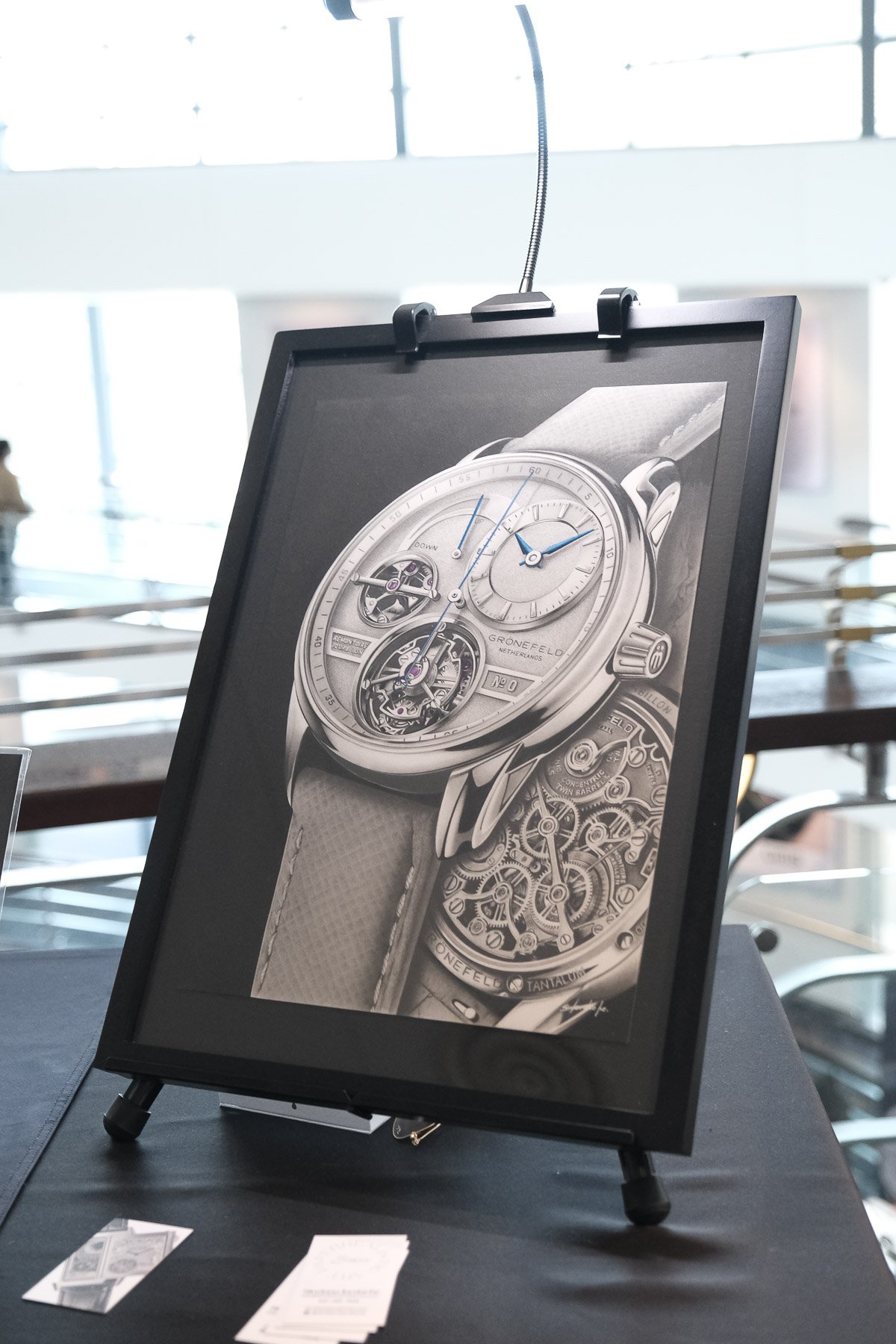
The presence of hyperrealist artist Sinziana Iordache, whose intricate drawings were featured, sparked an early dialogue. Her collaboration with Christopher Ward highlighted a generational disconnect: a child initially mistook her meticulously hand-drawn artwork for AI-generated output. This anecdote resonated throughout the weekend, culminating in a particularly telling moment when a young attendee, no older than ten, exclaimed to his father, "This was made by hand?!"
His father’s response, "Yes, I think everything in this room is made by the hands of the people here," underscored the show’s emphasis on human skill and dedication. This sentiment was echoed by the author, who, while fulfilling their duties as the show’s photographer, observed the enduring astonishment on the child’s face as they moved through the venue. This interaction served as a powerful reminder of the tangible value of handcrafted creations in an increasingly automated world.
Handcrafted Excellence Takes Center Stage
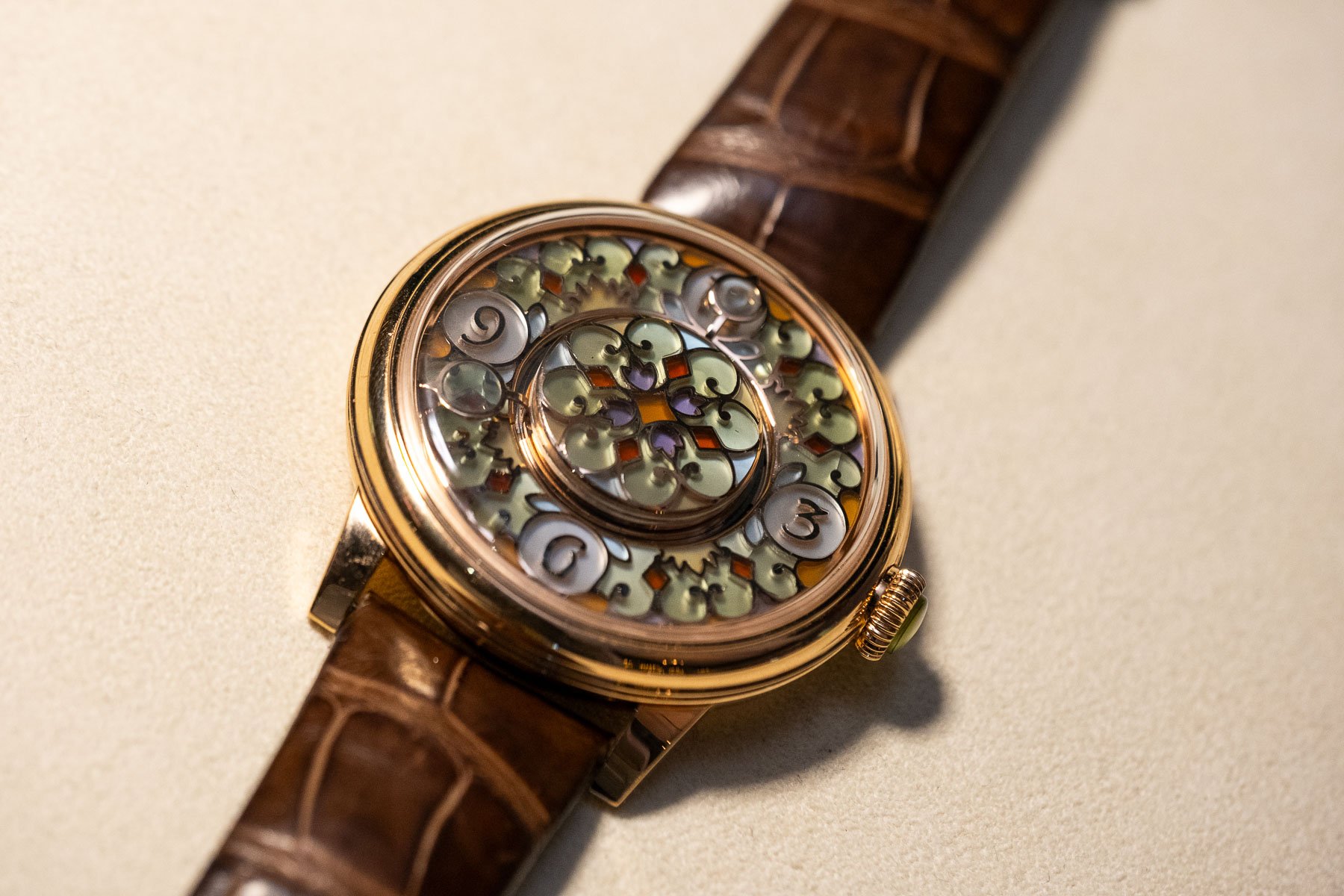
The Toronto Timepiece Show 2026 was a testament to the enduring appeal of meticulous craftsmanship, with several brands and individual watchmakers drawing significant crowds. Beauregard, a brand with roots in Montreal and Switzerland, captivated attendees with its Ulysse Saint-Pétersbourg collection. However, it was the Dahlia model that consistently drew admiration, prompting smiles and prolonged attention from visitors. The brand also used the event to gauge audience reaction to potential new offerings, such as necklaces, hinting at future diversification.
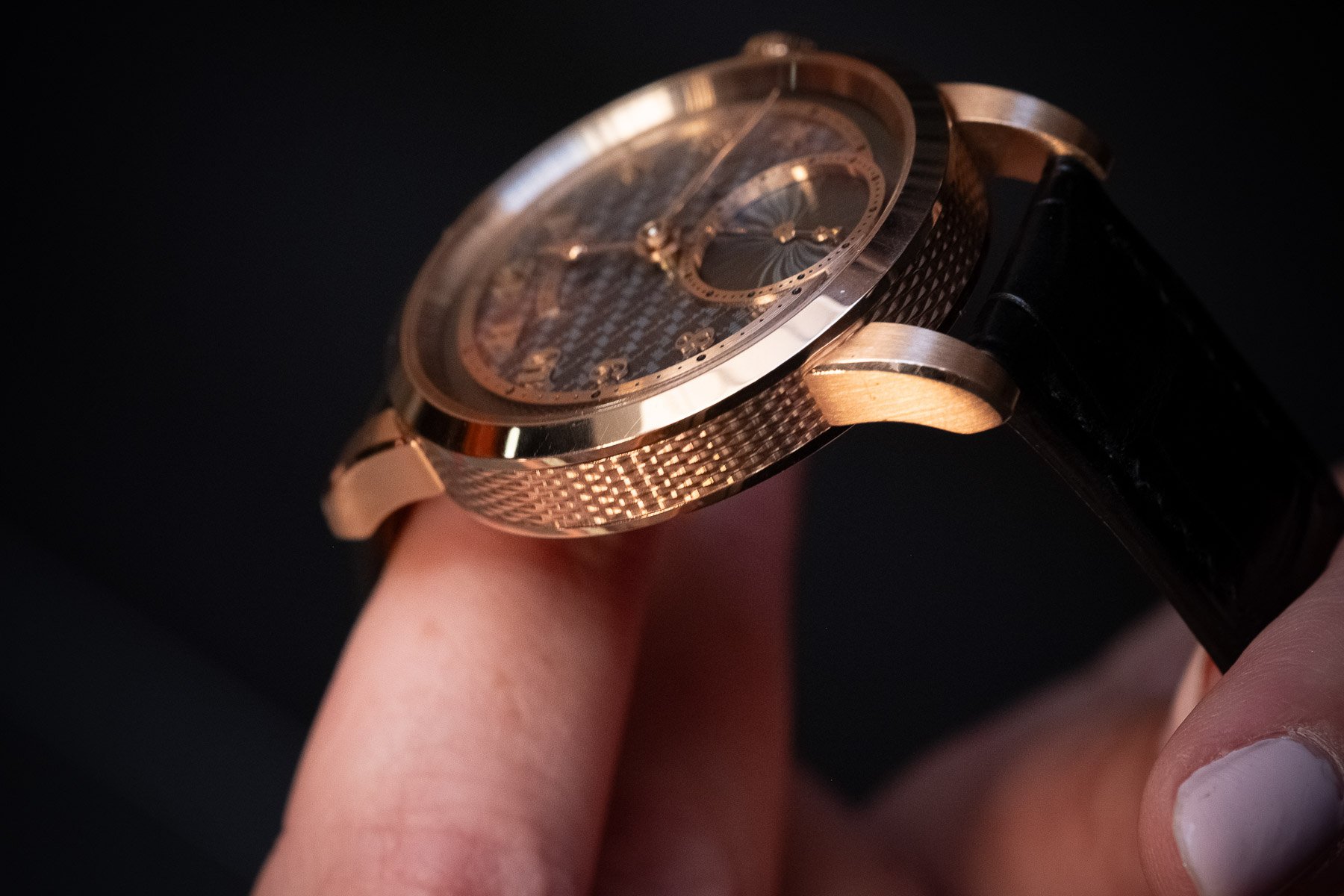
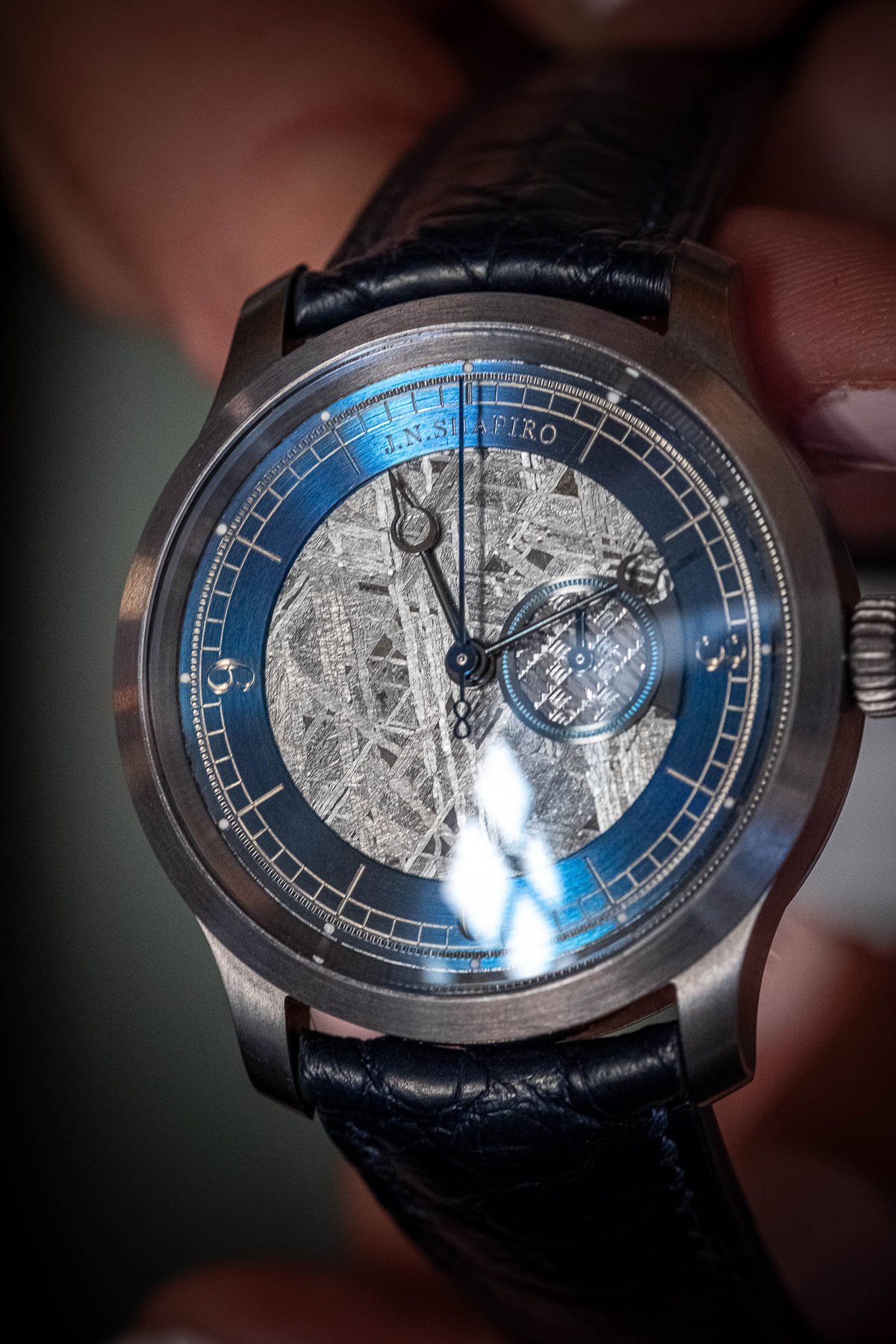
J.N. Shapiro, a notable newcomer to the Toronto show, presented its highly acclaimed Infinity and Resurgence series, offering enthusiasts their first in-person glimpse of these intricate timepieces. While founder Stephen Shapiro was unable to attend, Nicole Gazin, the brand’s Director of Sales and Client Relations, conveyed the brand’s dedication and expertise, inspiring awe among those who admired the complex mechanics and design.
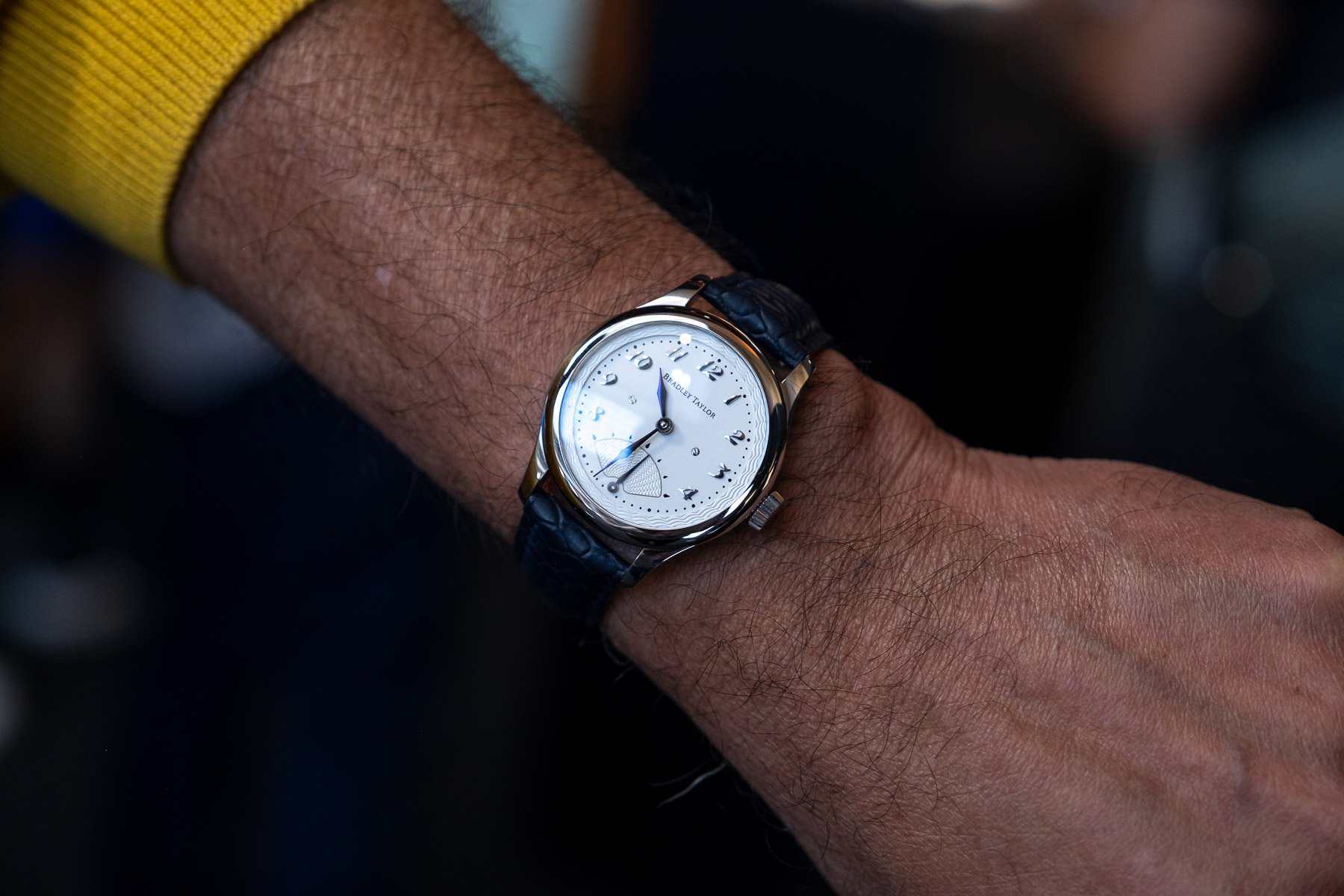
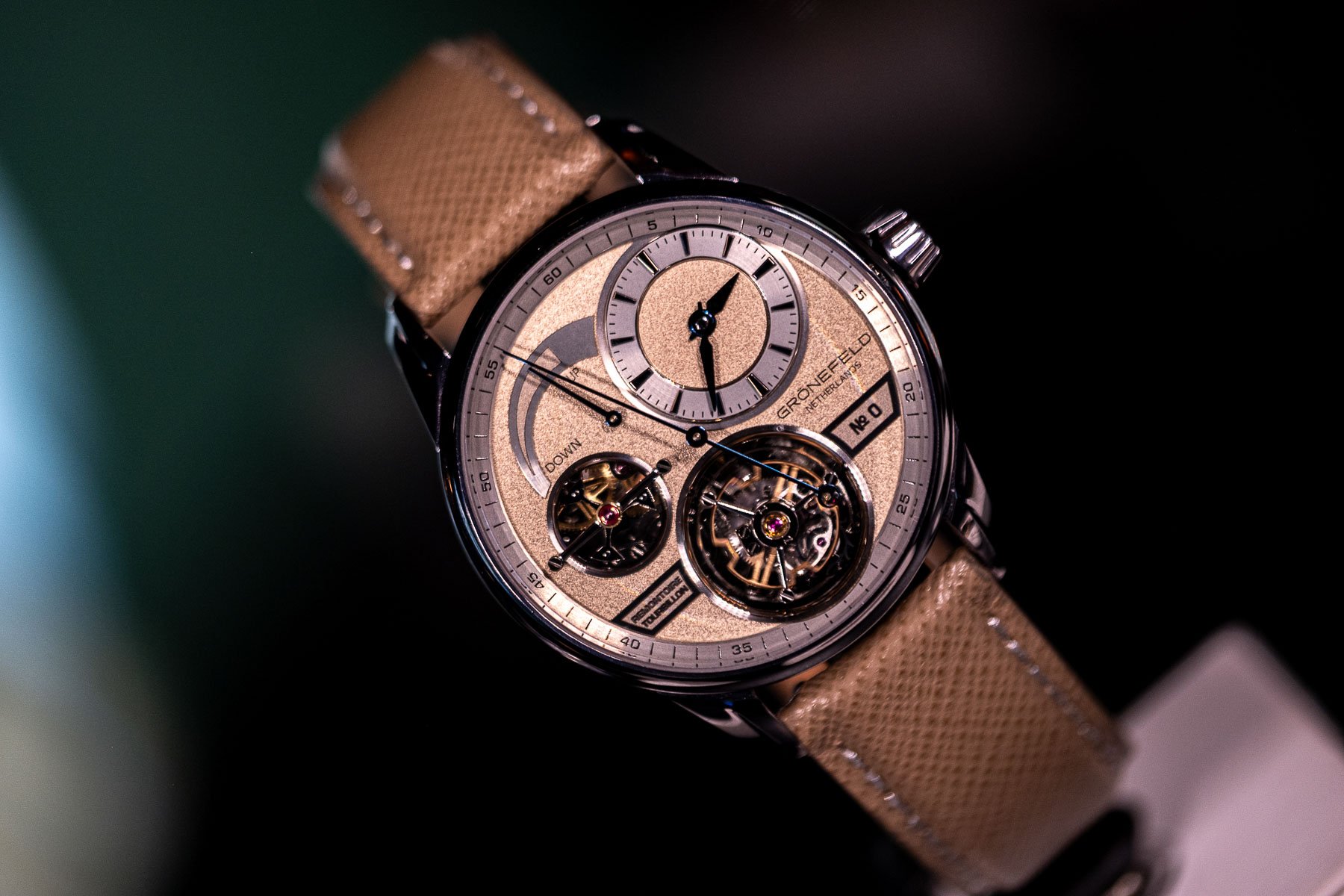
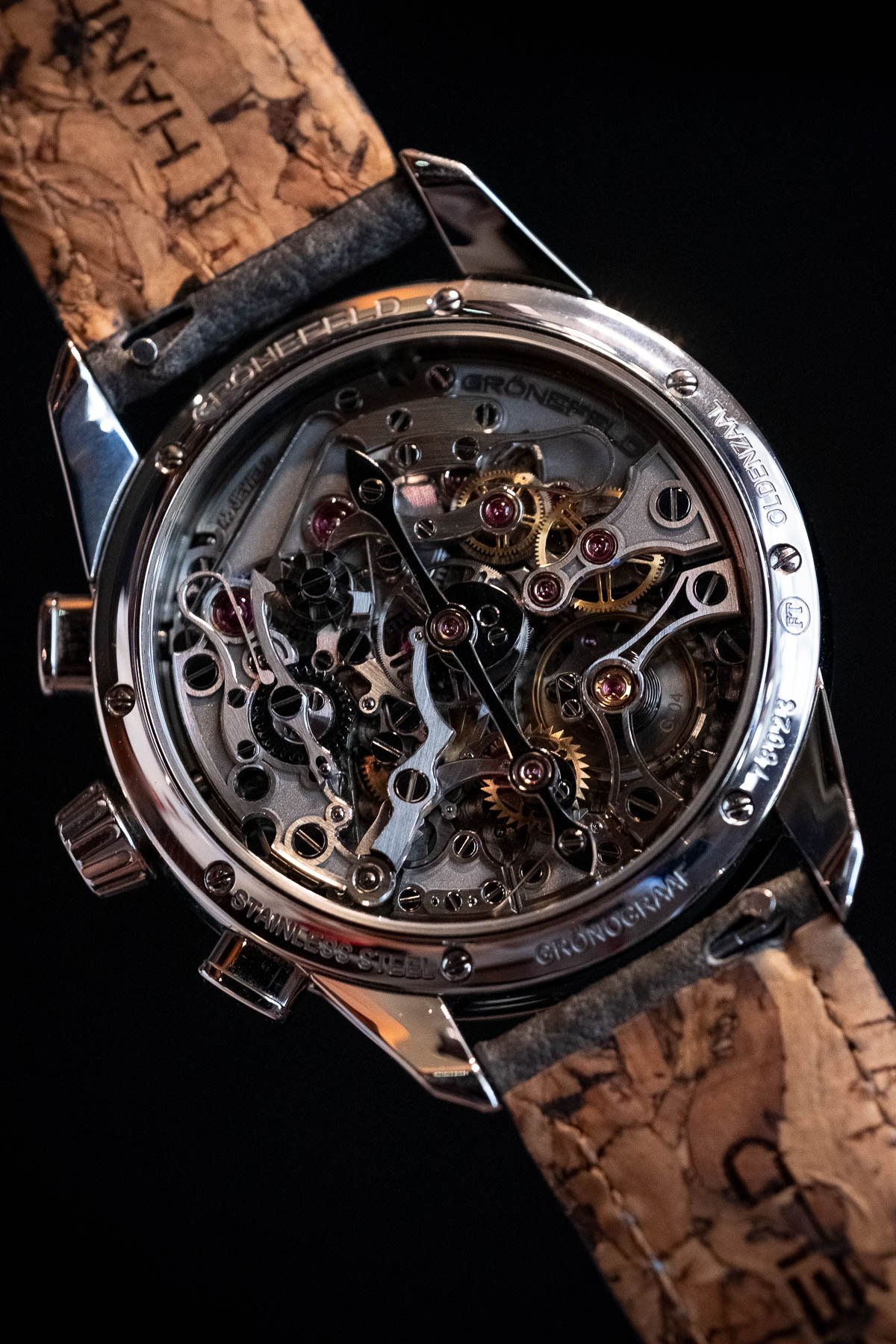
However, it was the presence of Grönefeld, represented by master watchmaker Bart Grönefeld and his daughter Lynn, alongside Canada’s own acclaimed watchmaker Bradley Taylor, that truly stole the show. Both had unwavering lines of enthusiasts eager to witness their handcrafted masterpieces firsthand. Attendees not only admired the watches but also sought personal interactions, requesting photographs and autographs on their programs, a clear indication of the deep respect and admiration for their skills.
Bart Grönefeld’s distinctive, hearty laughter, often sparked by conversations surrounding his work, notably the Grönefeld 1941 Quadrivium, created an infectious atmosphere. The audience was mesmerized by the intricate movement of the Quadrivium and the deep, sculpted aventurine dial of the 1944 Tanfana. Lynn Grönefeld’s calm and knowledgeable explanations, mirroring the approach of Bradley Taylor at the adjacent booth, confirmed the presence of generational talent and profound horological expertise.
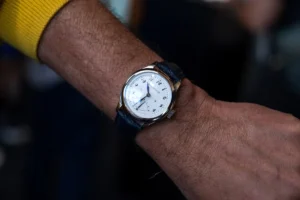
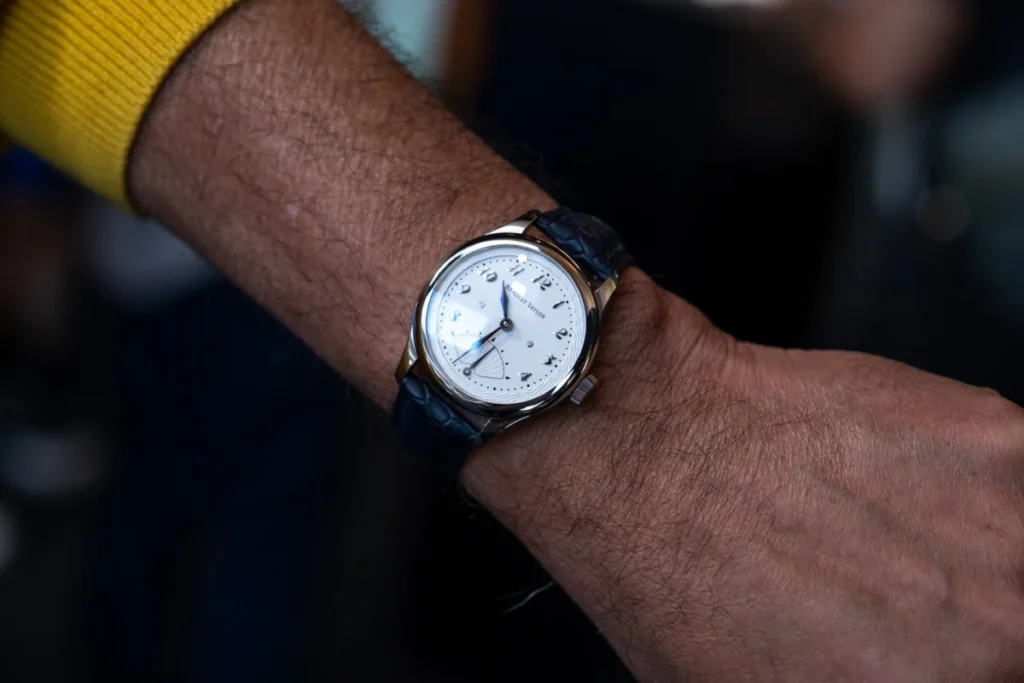
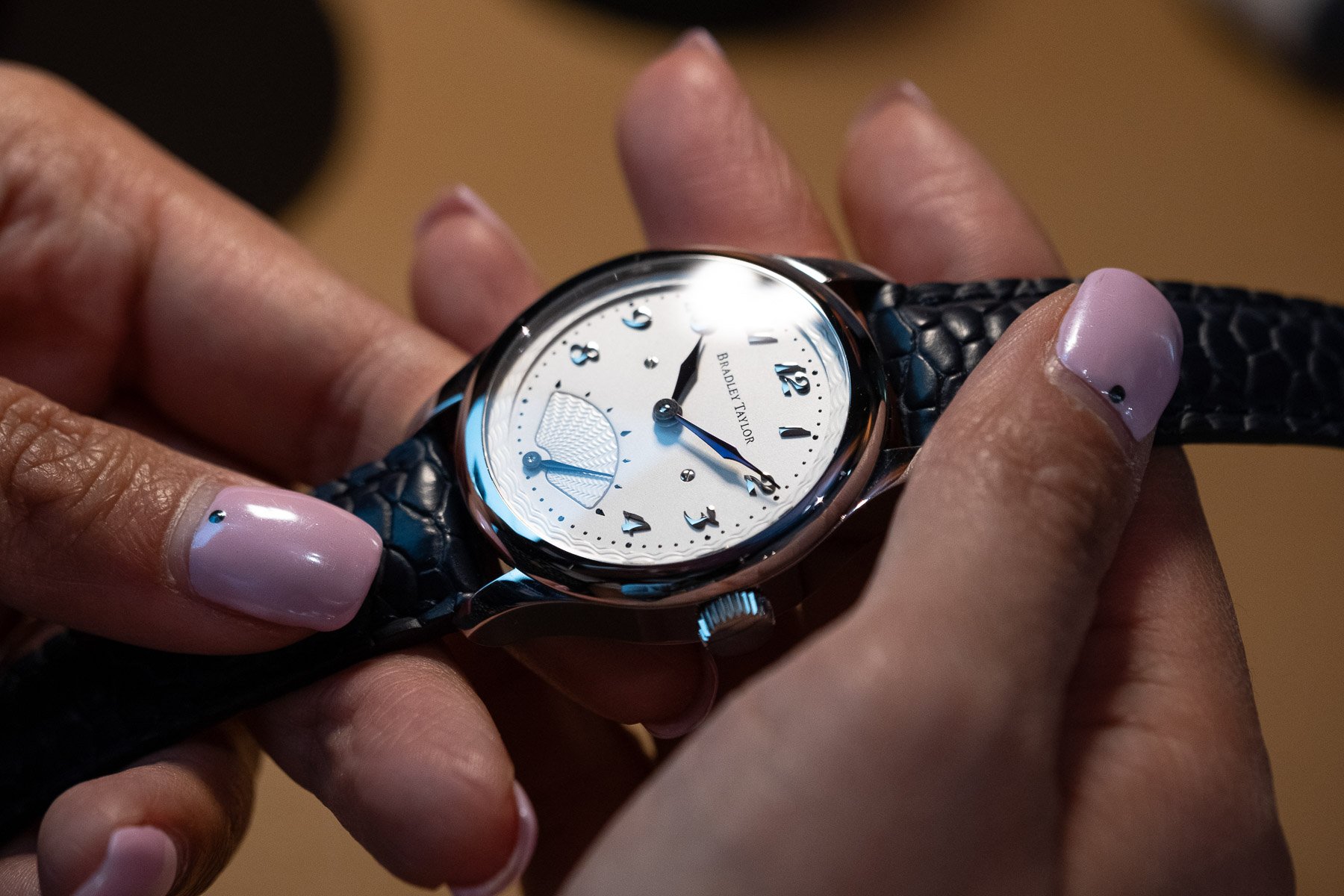
Bradley Taylor’s third model, the Ardea, was a particular highlight. The retrograde seconds hand, completing 1,440 movements daily, along with the dial’s delicate details and depletion-gilded surface, captivated onlookers. The Zapon-lacquer-shielded landscape of the dial shimmered under the venue’s lighting, showcasing an exceptional level of finishing. The pride of attendees and even show staff in Taylor’s work was evident, with many expressing anticipation to learn more about his workshop in North Vancouver.
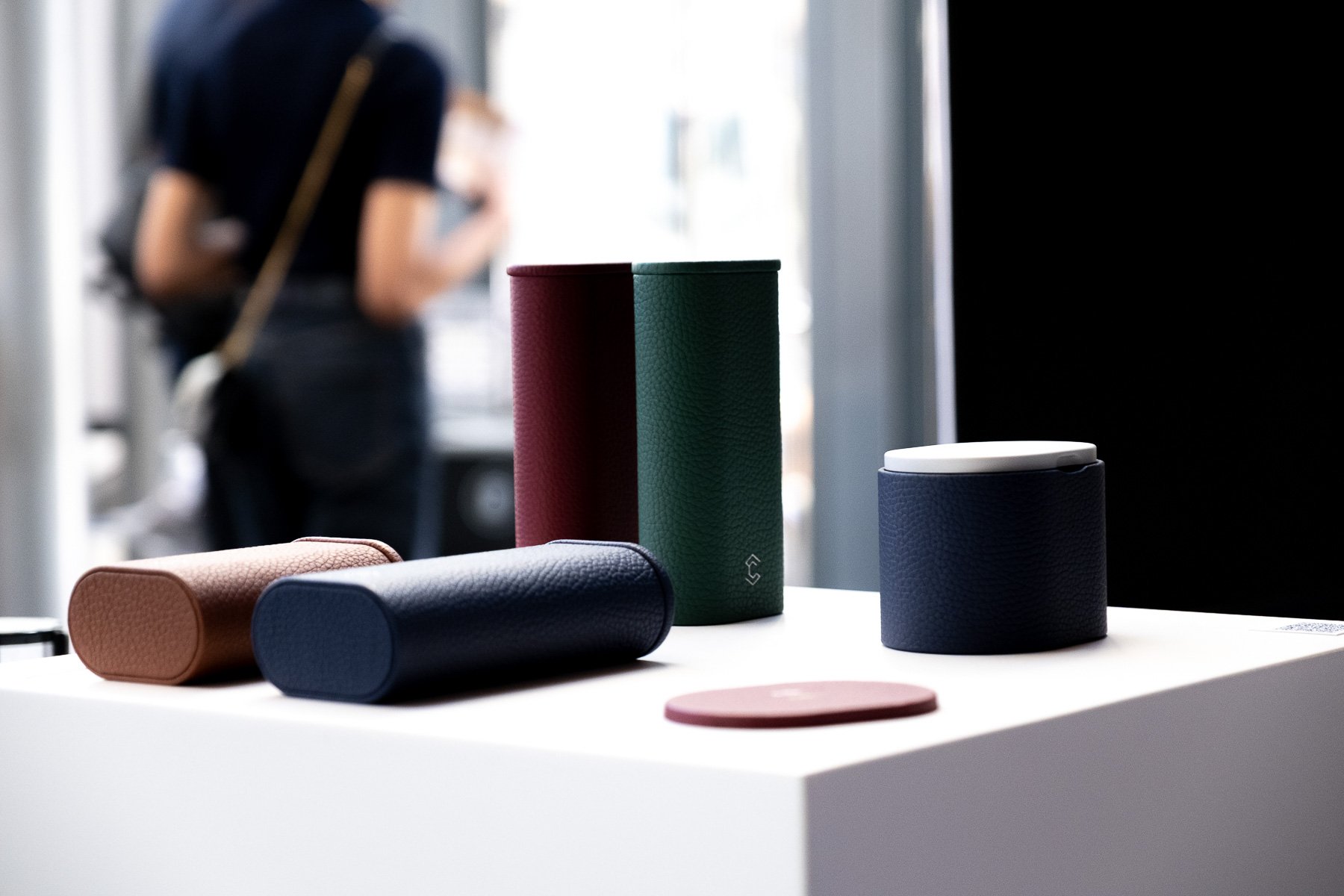
Complementing the watchmakers in the artisanal section was Charles Simon, a Montreal-based maker of watch cases and luggage. Their focus on integrating aircraft engineering principles with seamless leatherwork was evident. The durability of their Oscar 1 Watch Roll, a personal item brought by the author for comparison, showed no signs of wear against the new display models, a testament to their quality. The presence of these Canadian artisans—Beauregard, Taylor, and Charles Simon—instilled a palpable sense of national pride among visitors.
Navigating a Crowded Market: Over 90 Exhibitors and Emerging Trends
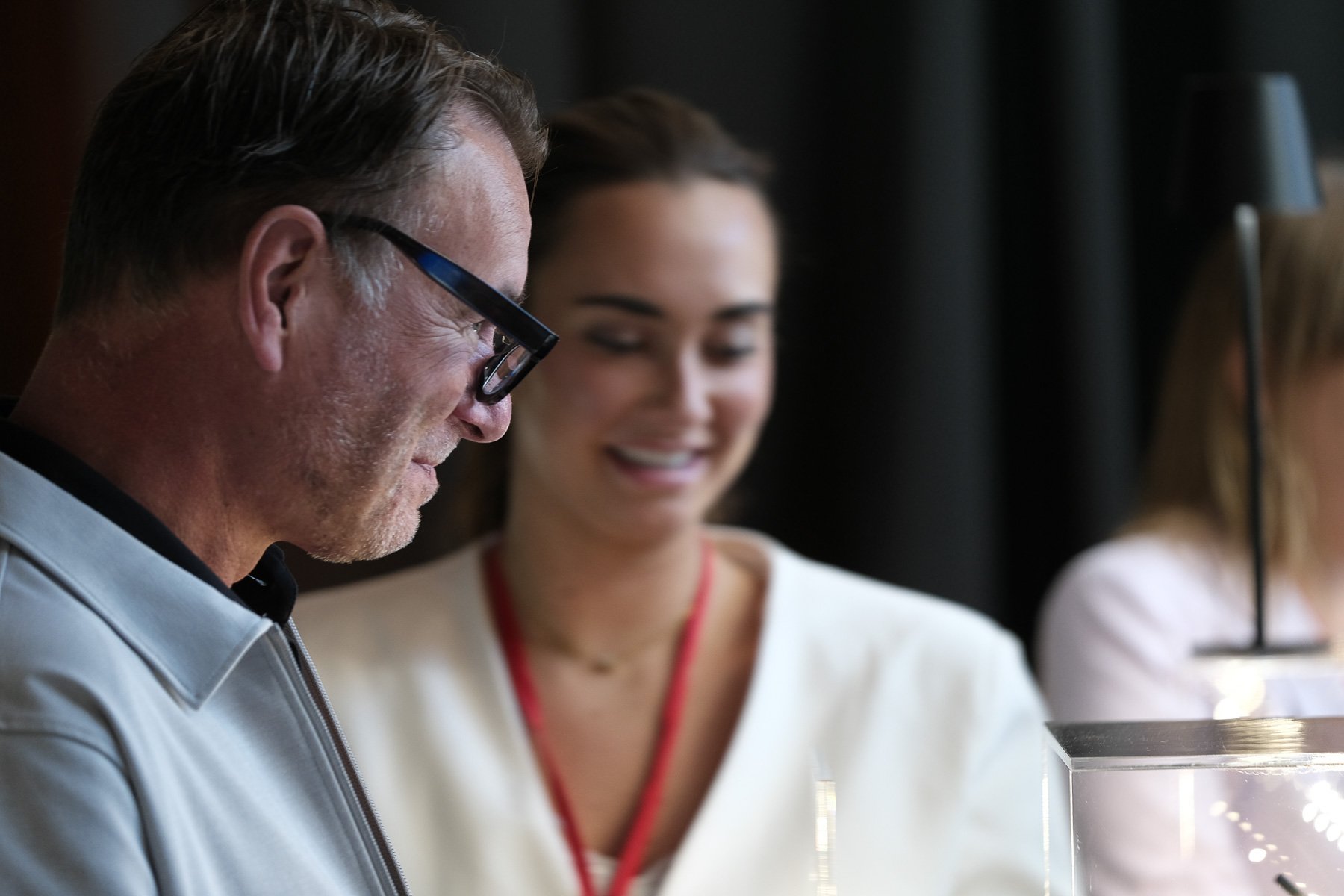
Beyond the concentrated artistry of the Artisanal Room, the main exhibition hall buzzed with activity, featuring over 90 exhibitors. This sheer volume of brands, particularly new entrants, reflects a post-pandemic global manufacturing landscape that has enabled previously unattainable production capabilities. However, this surge has also led to a homogenization of offerings, with many new brands utilizing standardized cases, clasps, and components. Similarly, the proliferation of stone dials is largely attributed to state-backed mining operations investing heavily in global infrastructure.
In light of these trends, the author’s focus narrowed to brands with genuinely distinct offerings and established Canadian companies with over a decade of market presence. This selective approach aimed to highlight innovation and enduring quality amidst a rapidly expanding market.
Affordable Innovation and Canadian Resilience
Several brands stood out for their unique approaches and value propositions. Tessé Watches, founded by Thomas Brissiaud, garnered attention for its Architect models and the AndoAndoAndo collaboration. Brissiaud’s hands-on approach, including hand-brushing each of the 23 individual pieces that constitute the Architect’s dial, underscores a commitment to artisanal detail. The limited-edition AndoAndoAndo x Tessé collaboration, priced under $1,000, was a particular standout, showcasing a clear familial design language and impressive attention to detail across all aspects, including the straps.
Worden, a Canadian brand based in Guelph, Ontario, distinguished itself with its unique, quirky rectangular cases. The latest release, the Night Drift, inspired by late-night urban landscapes, exemplified their distinctive design ethos. This brand’s commitment to originality in a market often dominated by conventional designs made it a notable presence.
Taiwanese brand 22Studio also attracted attention for its innovative use of concrete in its timepieces, writing instruments, and other products. This material choice provides a unique aesthetic and tactile experience, setting them apart from traditional watchmaking materials.

Established Canadian Watch Brands
Two Canadian brands, Ferro & Company and Redwood Watches, have solidified their positions as stalwarts in the independent watchmaking scene. Ferro & Company, now in its 12th year, continues to offer a diverse range of affordable timepieces across various genres, excluding dive watches, maintaining a consistent presence in the market.
Redwood Watches, a family-owned business founded in 2014, focuses on reviving vintage military designs from the 20th century. Their watches combine historical aesthetics with modern durability, incorporating quartz and solar movements, all priced under $1,000. This commitment to accessible, historically inspired timepieces has resonated with a dedicated customer base.
The Canadian Consumer: Prudent and Informed
According to show organizer James Hutton and other industry veterans, Canadian consumers tend to be more circumspect with their purchasing decisions, necessitating thorough research before committing to a significant acquisition. This observation was reflected at the show, where items priced under $500, such as a ballpoint pen purchased by the author from 22Studio, experienced strong sales. This market dynamic highlights the need for brands to adapt their strategies, recognizing that in certain regions, trade shows serve as crucial platforms for product experience and brand engagement rather than solely as direct sales channels. The expectation for immediate break-even or significant point-of-sale revenue may lead to disappointment in markets characterized by more conservative spending habits.
A Renewed Appreciation for Humanity in the Digital Age
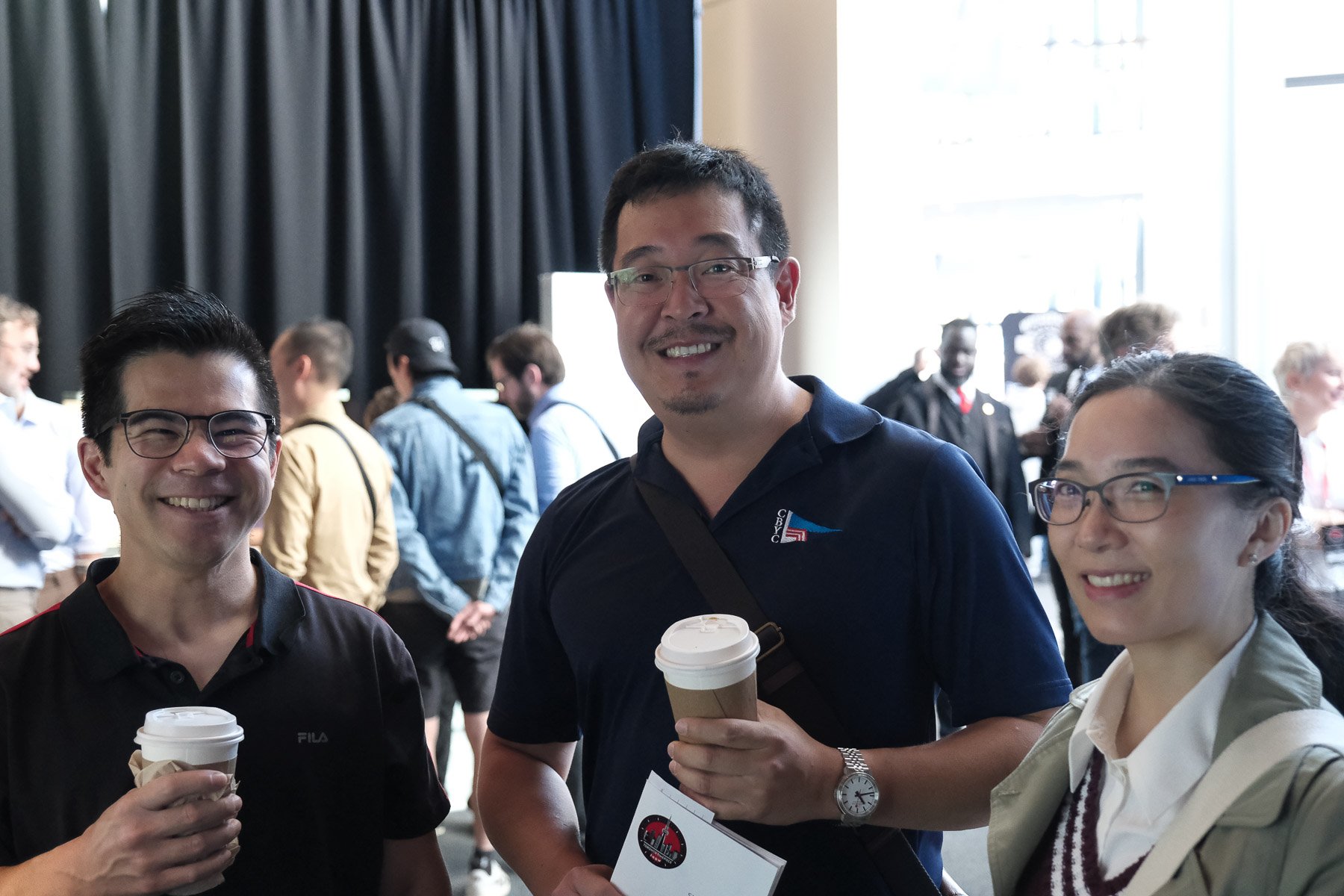
The overarching sentiment derived from the 2026 Toronto Timepiece Show was a profound appreciation for the human element within the watch industry. In an era increasingly defined by digital saturation and the pervasive influence of AI, the meticulous care and passion invested in handcrafted timepieces serve as a powerful anchor to our shared humanity. For a generation that has grown up immersed in the digital world, navigating a landscape where authenticity is constantly questioned, the tangible reality of these mechanical marvels and the individuals who create them offers a vital connection.
The overwhelming response from hundreds of attendees, who marveled not only at the aesthetic beauty of the watches but also at the inspiring dedication of the people behind them, underscored this point. The show served as a powerful reminder that in a world grappling with the complexities of artificiality, the dedication, skill, and passion of human artisans provide a compelling and deeply human connection. The event, orchestrated by James Hutton, facilitated this crucial intersection of craftsmanship and human experience, highlighting the enduring power of timepieces to connect us to our past, our present, and the people who shape our world. The Toronto Timepiece Show 2026, therefore, was more than an exhibition; it was a testament to the enduring value of human ingenuity and the profound connections forged through the art of watchmaking.