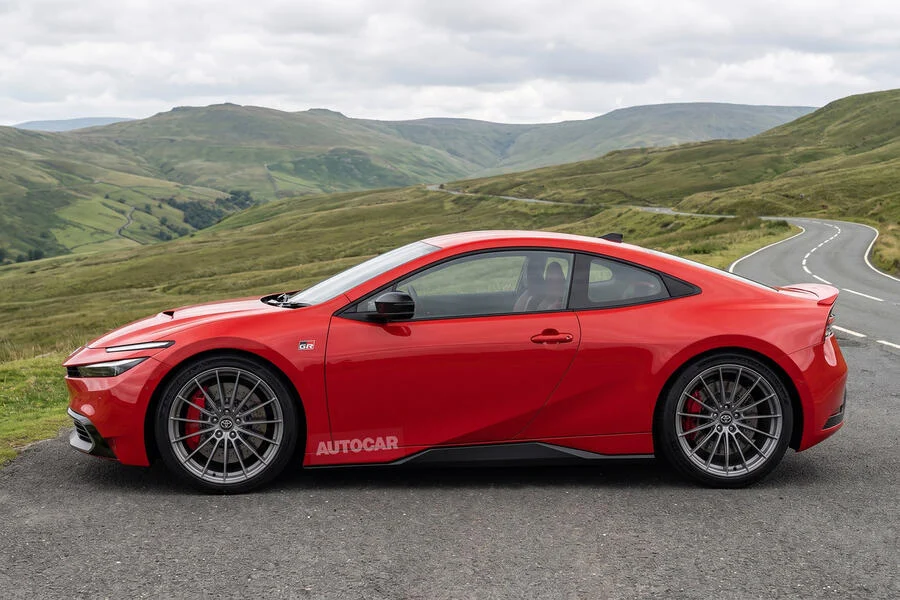
Toyota is reportedly on the cusp of resurrecting the legendary Celica nameplate, ushering in an eighth generation that will serve as an accessible entry point into its burgeoning GR performance brand. This strategic move comes more than two decades after the beloved sports coupe last graced public roads, fulfilling a long-held ambition of Toyota Chairman Akio Toyoda to reunite the "three brothers" – the Supra, MR2, and Celica – under the performance banner. With the Supra already enjoying a successful revival through a partnership with BMW, and concrete plans emerging for the return of the mid-engined MR2, the Celica is strategically positioned to be the next in line to rejoin Toyota’s performance lineup.
The revival of the Celica is intrinsically linked to Toyota’s commitment to motorsport, particularly its formidable presence in the World Rally Championship (WRC). Recent sightings of a test mule for Toyota’s 2027 WRC contender, sporting a radical new two-door body, have fueled speculation. While the upcoming WRC regulations will decouple homologation requirements from existing road car models, the strategic advantage for Toyota to utilize this new rally car as a platform to showcase a forthcoming Celica is undeniable. This would mark a significant return to form for the Japanese manufacturer, which boasts a rich heritage in rallying with various iterations of its coupe serving as the foundation for factory rally cars, including championship-winning campaigns in 1993 and 1994.
A New Era for the Celica: Design and Powertrain
While Toyota has yet to officially confirm a definitive timeline for the Celica’s return, the visual cues from the WRC test mule strongly suggest a distinctively sporty, two-door silhouette. Internally, the new model is reportedly referred to as the "Celica Sport," indicating a clear focus on performance and driving dynamics. The powertrain is anticipated to be a key differentiator, drawing inspiration from the GR Yaris M concept, which is currently being utilized as a development mule for the new MR2. This suggests a shared 2.0-liter engine, albeit with a front-wheel-drive configuration, aligning with the Celica’s historical front-engine layout.
However, the exact configuration of this powertrain remains a subject of active development and strategic consideration. While the WRC’s 2027 regulations mandate a 1.6-liter engine, and an evolution of the GR Yaris’s current three-cylinder unit is expected for the rally car, Toyota faces the challenge of meeting stringent emissions regulations for road-going models. Mikio Hayashi, marketing manager for Toyota’s GR division, has previously acknowledged that the three-cylinder engine might not be sufficient for future emissions standards, necessitating the exploration of a larger, 2.0-liter displacement for the road-going Celica.
Furthermore, the decision regarding the powertrain’s electrification is still pending. The Corolla platform, which is expected to underpin the new Celica, will offer both hybrid and plug-in hybrid options. This flexibility allows Toyota to tailor the Celica’s powertrain to various market demands and performance objectives. The aim is to utilize an engine that is as compact as possible, enabling a low-slung body profile and a more spacious interior, crucial elements for a desirable sports coupe. This approach mirrors the development philosophy for the new MR2, further solidifying the shared platform strategy within Toyota’s performance division.
Strategic Positioning within the GR Lineup
The introduction of the Celica Sport is poised to fill a crucial gap in Toyota’s GR lineup, offering a less extreme and potentially more affordable entry point compared to the halo models like the V8-engined GR GT supercar. This strategic positioning aims to broaden the appeal of the GR brand, attracting a wider demographic of enthusiasts. By leveraging the established Corolla platform, Toyota can achieve economies of scale, making the Celica a more competitive offering in its segment.
This move directly positions the new Celica as a rival to similarly conceived vehicles such as the Honda Prelude, which is based on the Civic platform. The resurgence of these compact, sporty coupes signifies a potential revival of a popular segment in the automotive market, catering to consumers seeking engaging driving experiences without the prohibitive costs often associated with larger, more powerful sports cars. The Celica’s legacy as a capable and attainable sports coupe provides a strong foundation for its return, tapping into nostalgia while embracing modern performance and technology.
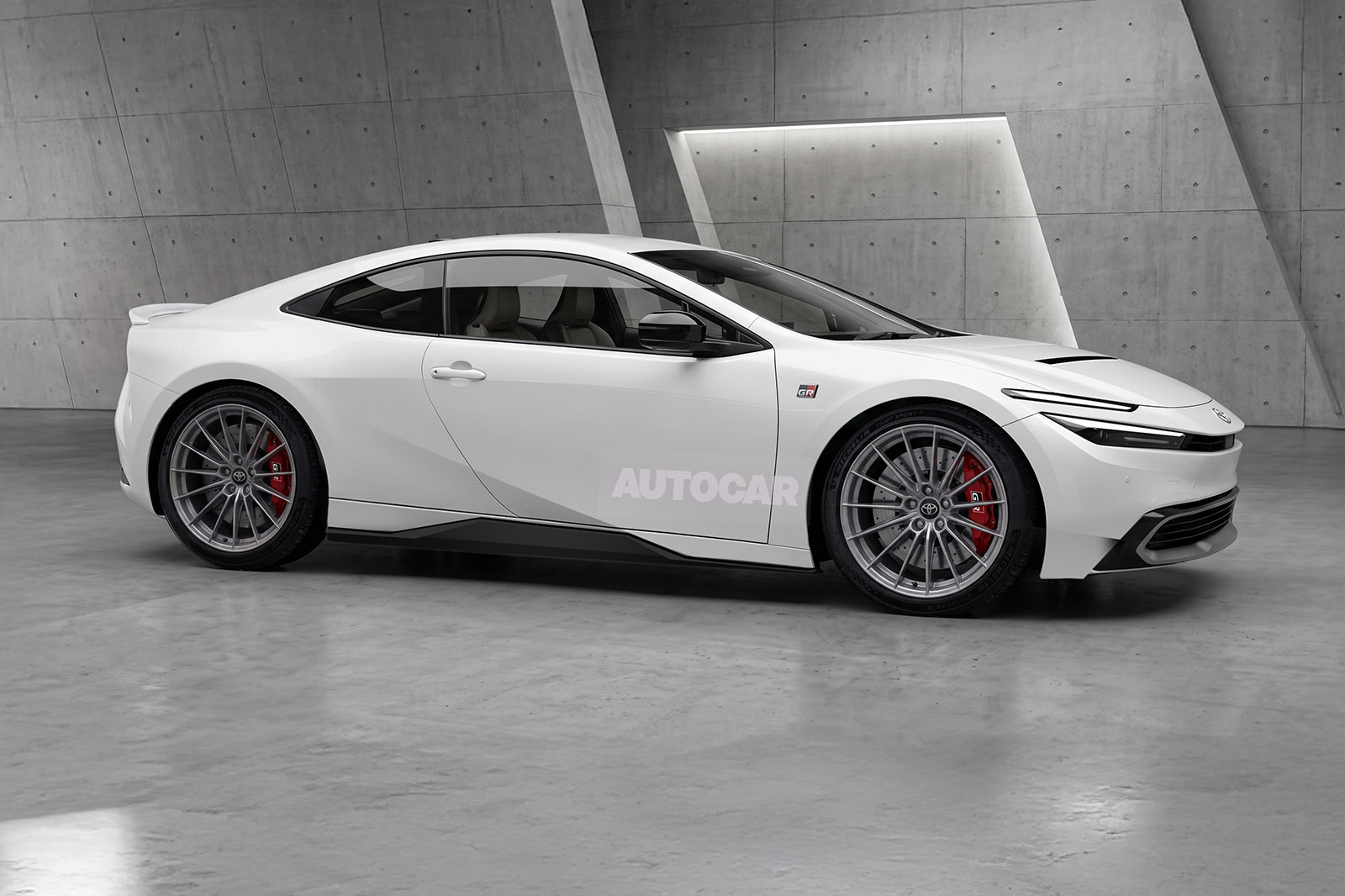
A Nod to Rallying Heritage and Future Ambitions
Toyota’s deep-rooted connection with rallying is a significant factor in the Celica’s impending return. The marque has a storied history of success in the WRC, with the Celica playing a pivotal role in its championship campaigns. The development of a new WRC contender with a distinctive two-door body provides an opportune moment to reintroduce the Celica to a global audience, leveraging the excitement and prestige of motorsport.
The decision to base the new Celica on the rakish new Corolla, previewed by a futuristic concept at last year’s Tokyo Motor Show, suggests a design philosophy that blends practicality with sporting intent. A two-door variant of the popular Corolla hatchback would offer a compelling blend of everyday usability and performance-oriented aesthetics, appealing to a broad range of buyers. This approach allows Toyota to tap into the established goodwill and widespread recognition of the Corolla nameplate while injecting a dose of sporting flair.
Supporting Data and Market Context
The automotive industry has witnessed a renewed interest in performance-oriented compact cars. The success of models like the GR Yaris, despite its niche appeal, demonstrates a market appetite for engaging driving dynamics and unique propositions. Toyota’s GR division has been instrumental in cultivating this interest, delivering vehicles that prioritize driver engagement and motorsport-derived technology.
The global automotive market for sports coupes, while not as dominant as SUVs, remains a significant segment, particularly for brands with a strong heritage and performance credentials. The return of iconic nameplates often generates considerable consumer interest, fueled by nostalgia and the promise of modern engineering. Toyota’s strategic decision to revive the Celica aligns with this trend, aiming to capitalize on brand equity while introducing a fresh, contemporary offering.
Potential Timeline and Development Milestones
While no official timeline has been announced, the recent sighting of the WRC test mule suggests that development is well underway. Industry analysts anticipate a potential reveal within the next two to three years, with a market launch targeting the 2027 model year. This timeline aligns with the introduction of new WRC regulations, allowing Toyota to synchronize its motorsport efforts with the launch of its new road-going performance car.
Key development milestones likely include the finalization of the powertrain, chassis tuning for optimal handling, and the refinement of the exterior and interior design. The integration of hybrid technology, as hinted by the Corolla platform, will also be a crucial aspect of development, ensuring the Celica meets evolving emissions standards while delivering exhilarating performance.
Broader Impact and Implications
The return of the Toyota Celica carries significant implications for the automotive landscape. Firstly, it signals a continued commitment from Toyota to the performance segment, reinforcing its GR brand as a credible contender against established performance marques. Secondly, it could inspire further revivals of iconic nameplates, as manufacturers recognize the commercial and emotional appeal of their heritage models.
For enthusiasts, the prospect of a new Celica represents the return of a beloved sports coupe that offered an engaging driving experience at an accessible price point. Its potential to serve as an entry-level GR model would democratize performance, making Toyota’s performance division more approachable. This strategic move is not merely about nostalgia; it is a calculated effort to expand Toyota’s market reach and solidify its position as a manufacturer of desirable and dynamic vehicles across all segments. The Celica’s resurrection is poised to be more than just a product launch; it is a statement of intent, reaffirming Toyota’s dedication to driving pleasure and motorsport prowess.