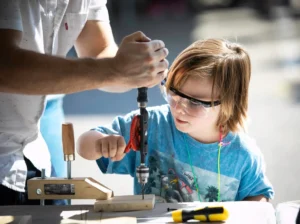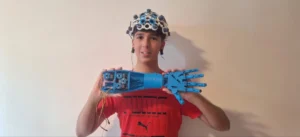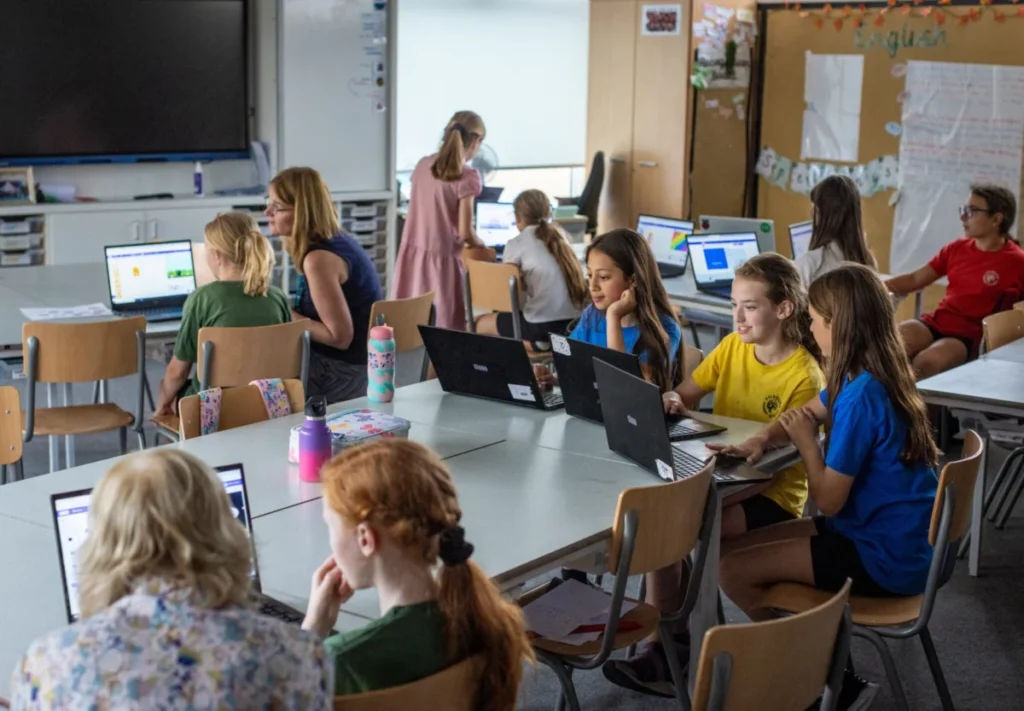
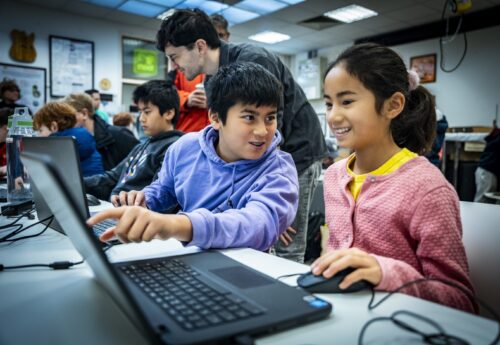
The United Kingdom’s Department for Education has formally acknowledged Code Club as a primary resource within its newly established enrichment framework for schools and colleges, marking a significant milestone for the non-formal education sector. This recognition comes at a pivotal moment as the British educational system grapples with the rapid integration of artificial intelligence and a growing demand for digital proficiency in the modern workforce. Code Club, a global initiative managed by the Raspberry Pi Foundation, provides a structured yet flexible environment where young people aged 9 to 13 can explore computer programming, hardware interfacing, and digital creativity outside the traditional constraints of the classroom.
The government’s endorsement confirms long-standing anecdotal evidence from educators and rigorous independent research suggesting that extracurricular computing activities are instrumental in fostering not only technical expertise but also essential "soft skills." By including Code Club in the Enrichment Framework for Schools and Colleges, the government aims to encourage educational institutions to provide high-quality, accessible digital opportunities that supplement the National Curriculum. This move is designed to ensure that students from all socioeconomic backgrounds have the opportunity to engage with technology in a way that is self-directed and play-based, rather than purely academic.
The Evolution of Code Club: From Grassroots Movement to Global Standard
Founded in 2012 by Clare Sutcliffe and Linda Sandvik, Code Club began as a volunteer-led movement in the United Kingdom with the simple goal of giving every child the chance to learn how to code. Its growth was meteoric, driven by a community of passionate teachers and industry professionals who recognised that the formal school system was often slow to adapt to the fast-paced changes in the tech sector. In 2015, Code Club merged with the Raspberry Pi Foundation, a move that provided the organizational infrastructure and financial stability needed to scale the program globally.
Today, Code Club operates in thousands of locations across the world, including significant hubs in Kenya, South Africa, and India. The program’s model relies on a network of free, volunteer-led clubs hosted in schools, libraries, and community centres. The Raspberry Pi Foundation provides these clubs with a comprehensive library of projects—ranging from basic Scratch animations to advanced Python programming and web development—all designed to be engaging and easy to follow without prior specialist knowledge from the adult facilitators.
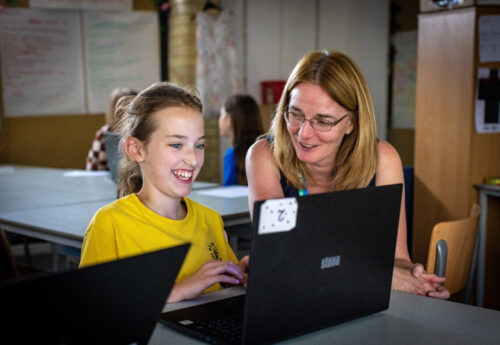
The recent 2025 Code Club Annual Survey Report highlights the scale of this impact. According to the report, the majority of club leaders noted a marked improvement in students’ confidence and their ability to collaborate on complex tasks. This data underscores the program’s dual-purpose mission: narrowing the digital divide while simultaneously building the cognitive resilience required for a future dominated by algorithmic thinking.
Pedagogy and the Development of Holistic Life Skills
One of the most compelling aspects of the Code Club model is its departure from the high-stakes testing environment of the standard classroom. In a Code Club session, failure is not penalized; rather, it is viewed as a necessary step in the debugging process. This "tinkering" approach is central to the development of resilience. When a young person encounters a bug in their code, they are encouraged to investigate the cause, consult with peers, and experiment with different solutions.
Research conducted by independent educational psychologists has shown that this collaborative problem-solving environment yields benefits far beyond the screen. Participants often report increased self-esteem when they successfully present their projects to an audience of peers and parents. This "finding of one’s voice" is a critical component of the Code Club experience. Furthermore, the clubs serve as a social equalizer. By being completely free to attend and utilizing existing hardware in schools and libraries, Code Club removes the financial barriers that often prevent underprivileged youth from accessing high-quality STEM (Science, Technology, Engineering, and Mathematics) education.
Addressing the Artificial Intelligence Paradigm Shift
The emergence of generative artificial intelligence has sparked a global debate regarding the continued relevance of traditional coding skills. Critics argue that as AI becomes more capable of writing its own code, the need for human programmers will diminish. However, the Raspberry Pi Foundation and the UK government maintain a contrary view: that the age of AI makes digital literacy more critical than ever.
The Raspberry Pi Foundation’s stance is that children must not merely be consumers of AI but must understand the underlying logic of the systems that increasingly govern their lives. To this end, Code Club has recently introduced a new suite of resources specifically focused on AI and data science. These projects are designed to demystify how machine learning models are trained, how data bias can affect outcomes, and how AI can be used ethically as a tool for creative expression.
By learning to code, students gain a foundational understanding of logic and sequence, which allows them to "peek behind the curtain" of AI tools. This agency is vital for the next generation to question and shape technology rather than being passive subjects to it. The government’s recognition of Code Club as an enrichment resource reflects a strategic desire to cultivate a "tech-literate" citizenry capable of navigating the ethical and practical complexities of an AI-integrated society.
A Strategic Ambition: National Coverage and Growth Partnerships
In a bold expansion of its mission, the Raspberry Pi Foundation has announced an ambition to establish a Code Club in every school and library across the United Kingdom. To achieve this, the organization is pivoting toward a "growth partner" model, targeting UK Multi-Academy Trusts (MATs) and local authorities. This strategy acknowledges that while individual clubs are effective, systemic change requires top-down support from regional educational leaders.
The newly announced support package for growth partners is designed to remove the administrative and logistical hurdles associated with launching multiple clubs simultaneously. Organizations that join as growth partners will receive:
- Customized Onboarding and Training: Specialized webinars and workshops for staff and volunteers to ensure they feel confident in facilitating technical sessions.
- Data and Impact Reporting: Access to localized data that allows trusts and local authorities to measure the impact of the clubs on student engagement and skill acquisition.
- Branded Resources and Marketing Support: Assets to help promote the clubs within the community and attract volunteer mentors.
- Ongoing Technical Assistance: Direct access to the Raspberry Pi Foundation’s support team to troubleshoot hardware or software issues.
This partnership model is already seeing early success in regions where local authorities have prioritized digital skills as a means of future-proofing their local economies. By integrating Code Club into the broader regional educational strategy, these partners are creating a sustainable pipeline of talent that starts in primary school and continues through to vocational or higher education.
Economic and Social Implications: Bridging the Digital Gap
The economic argument for widespread coding education is robust. The UK’s digital sector is growing nearly six times faster than the rest of the economy, yet a significant skills gap remains. According to industry reports, thousands of roles in software engineering, data analysis, and cybersecurity remain unfilled annually. Code Club acts as an early-intervention program that can spark an interest in these fields long before students make their GCSE or A-Level choices.
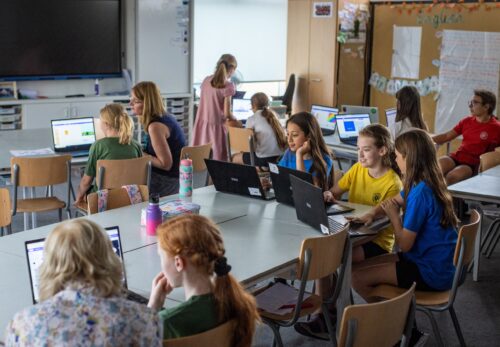
Beyond the economy, the social implications are equally profound. There is a persistent "digital divide" in the UK, where children from lower-income households are less likely to have access to high-speed internet, personal computers, or digital mentorship. By centering Code Club in libraries and state schools, the program ensures that geography and household income do not dictate a child’s digital future.
Furthermore, the program has made significant strides in addressing the gender gap in technology. Through inclusive project themes—such as environmental conservation, music production, and digital art—Code Club has successfully attracted a higher-than-average percentage of girls compared to traditional computer science electives.
Chronology of Key Milestones in the UK Coding Movement
The trajectory of non-formal computing education in the UK has been marked by several key turning points over the last decade:
- 2012: Launch of Code Club UK as a volunteer-led initiative.
- 2014: The UK becomes one of the first countries in the world to mandate computer science education for all children from age 5 to 16.
- 2015: Merger of Code Club and the Raspberry Pi Foundation, creating a global powerhouse for digital education.
- 2018-2022: Rapid international expansion, with the "Coolest Projects" showcase becoming a global platform for young creators to display their work.
- 2023: The Raspberry Pi Foundation launches its "AI for Schools" initiative, integrating machine learning concepts into the Code Club curriculum.
- 2024: The UK government formally includes Code Club in the National Enrichment Framework, signaling a shift toward recognizing non-formal learning as equal in importance to classroom instruction.
Conclusion: Future Outlook
The formal recognition of Code Club by the UK government is more than a mere administrative update; it is a validation of a pedagogical philosophy that prioritizes creativity, community, and curiosity. As the educational landscape continues to shift under the influence of AI, the importance of adaptable, non-formal learning environments will only grow.
The Raspberry Pi Foundation’s goal of a Code Club in every school and library is an ambitious one, but with the support of the government and the new growth partner initiatives, it is increasingly attainable. For the thousands of young people currently attending sessions every week, the club is not just a place to learn Python or HTML; it is a space where they can envision themselves as the architects of the future. The message from both the government and the community is clear: in the age of AI, the most valuable skill a child can learn is the ability to create, problem-solve, and innovate using the digital tools at their disposal.