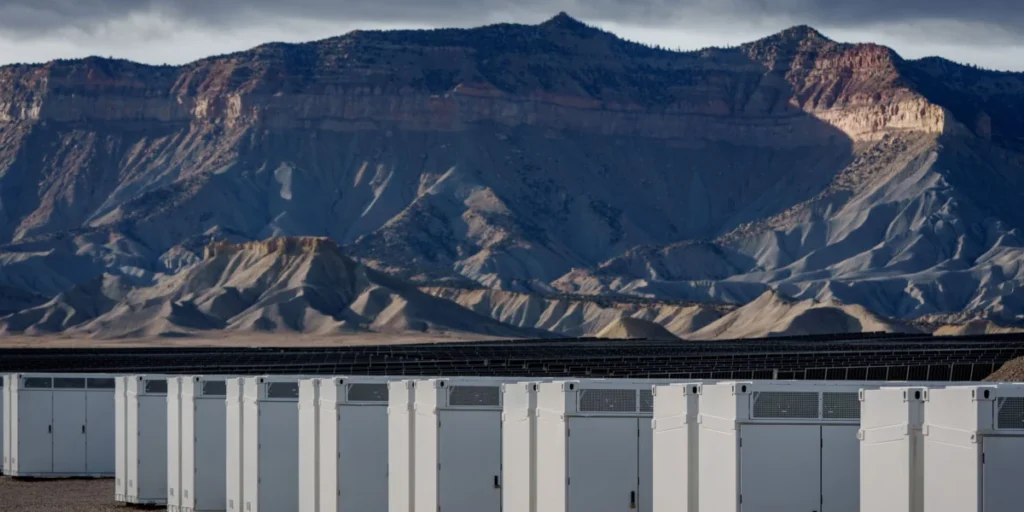
The United States has achieved a significant milestone in its clean energy transition, surpassing the capacity to generate enough solar electricity to power more than 50 million homes by the second quarter of 2026. This landmark figure, representing over one-third of all U.S. households, underscores the dramatic expansion of solar power across the nation, driven primarily by large-scale projects and a surprising surge in adoption within traditionally conservative regions.
The impressive feat was detailed in the latest U.S. Solar Market Insight report, a joint publication by the Solar Energy Industries Association (SEIA) and Wood Mackenzie. The report indicates that the U.S. solar industry installed a remarkable 11.4 gigawatts direct current (GWdc) of new capacity in Q2 2026 alone. This represents a substantial 45% increase year-over-year and a 43% jump from the first quarter of the same year, signaling a robust acceleration in solar deployment.
"Solar and storage have grown to a scale most Americans have yet to fully realize, and we simply can’t meet America’s growing energy needs without these technologies," stated SEIA CEO Tim Pawlenty. His comments highlight the increasing indispensability of solar and battery storage solutions in meeting the nation’s escalating electricity demands while navigating the complexities of climate change mitigation.
Utility-Scale Dominance Fuels Q2 Surge
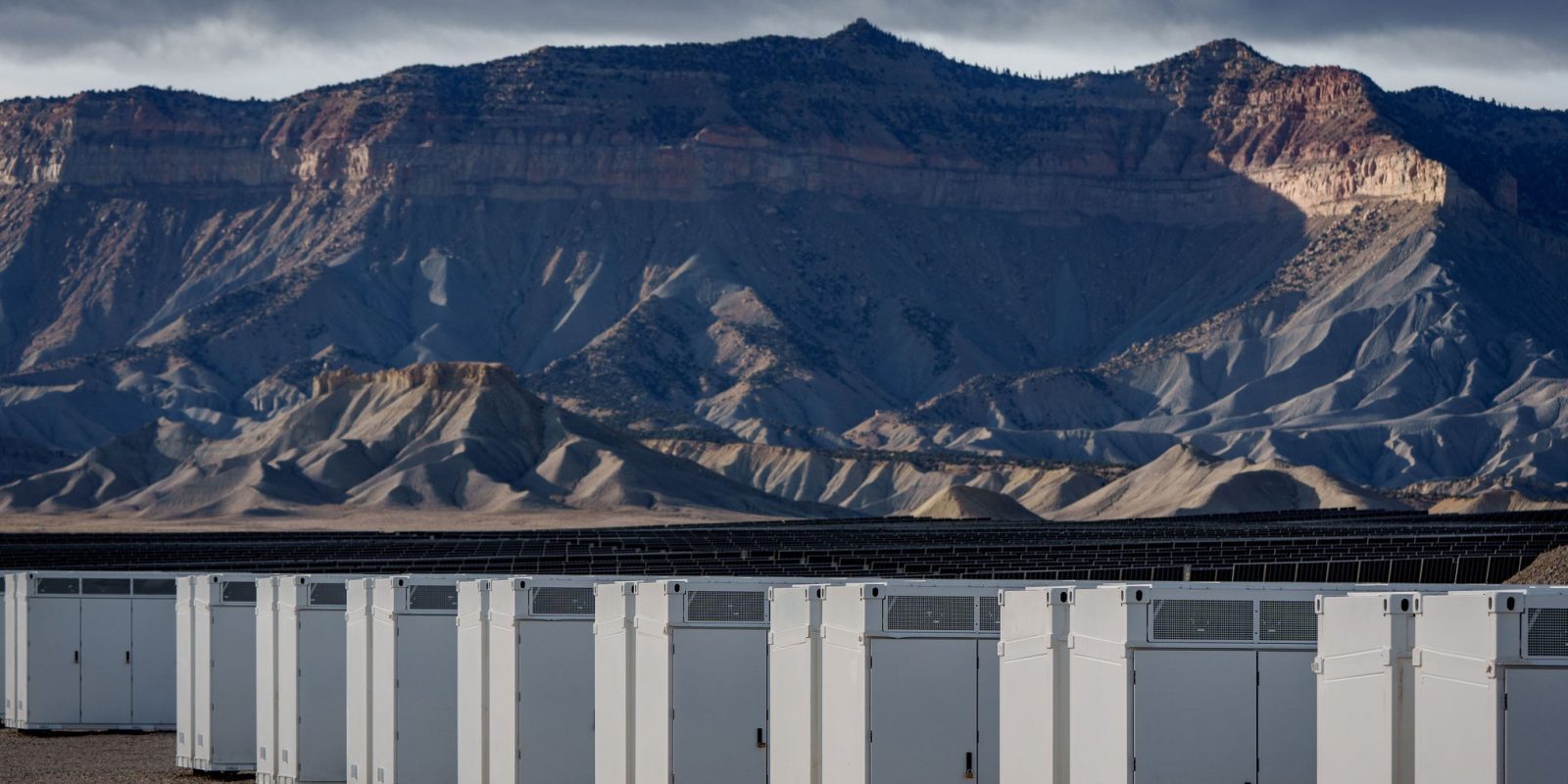
The lion’s share of this new capacity—9.6 GWdc—was contributed by utility-scale solar farms. This segment experienced a significant 61% year-over-year growth, largely attributed to developers’ efforts to capitalize on federal tax credits before a critical July 2026 safe harbor deadline. This deadline incentivized the rapid advancement and completion of large-scale solar projects, which are crucial for meeting the energy needs of entire communities and utility grids.
The strategic importance of these large projects cannot be overstated. Utility-scale solar, when paired with battery storage, is becoming a cornerstone of grid reliability and resilience. Together, solar and battery storage accounted for an impressive 70% of all new U.S. power capacity added in the first half of 2026. This trend is particularly vital as electricity demand continues its rapid ascent, driven by factors such as increased electrification of transportation and industry, and the growing adoption of energy-intensive technologies. Solar’s advantages in cost-effectiveness, rapid deployment timelines, and environmental benefits position it as a key solution to meet this burgeoning demand.
An Unforeseen Political Tailwind: Red States Lead the Charge
Perhaps one of the most striking revelations from the Q2 2026 data is the unexpected political alignment in solar adoption. Despite efforts by the Trump administration and some Republican lawmakers to curtail solar incentives, the enthusiasm for solar energy among their constituents has remained undeterred. The report reveals that states that voted for Donald Trump in the 2024 presidential election were responsible for a substantial 71% of all solar capacity installed in the first half of 2026. Furthermore, eight of the top ten states leading in new solar installations are predominantly "red states."
This phenomenon can be attributed to several factors. For many rural and conservative communities, solar offers a tangible path to energy independence and economic development. The decline in solar panel costs, coupled with the increasing awareness of the long-term financial benefits of renewable energy, has made solar installations an attractive proposition, regardless of party affiliation. Moreover, the visibility of large-scale solar projects and their potential to create local jobs and tax revenue can resonate with voters who prioritize economic growth and self-sufficiency.

A Robust Project Pipeline for the Coming Years
The outlook for utility-scale solar remains exceptionally strong, with a substantial project pipeline poised to sustain growth for the foreseeable future. Wood Mackenzie forecasts that the U.S. will add approximately 44 GWdc of solar capacity annually through 2031. This projection suggests that the nation’s total solar capacity could nearly double within the next five years, further solidifying solar’s role in the national energy mix.
However, challenges persist. Caitlin Connelly, a senior analyst at Wood Mackenzie, pointed to "permitting and the post-ITC transition" as significant headwinds. Streamlining the permitting process for new solar projects remains a critical bottleneck, often involving complex regulatory hurdles and local opposition. Additionally, the phasing out of the Investment Tax Credit (ITC) and the subsequent adjustments in the market will require careful navigation to maintain momentum.
Residential Solar Faces New Hurdles
In contrast to the booming utility-scale sector, the residential solar market is experiencing a more challenging period. The expiration of the federal Residential Clean Energy Credit—which previously covered 30% of the cost of qualifying home solar and battery installations—after December 31, 2025, has created a significant disincentive for homeowners. This tax credit was instrumental in making solar accessible and affordable for a broader segment of the population.
Despite this setback, Wood Mackenzie anticipates that residential solar and storage installations will resume growth in 2027. The underlying drivers for home solar adoption—namely, the desire to reduce electricity bills and enhance home resilience during power outages—remain strong. As energy prices continue to fluctuate and the frequency of extreme weather events increases, homeowners are increasingly looking for long-term solutions to manage their energy costs and ensure a reliable power supply. The perceived value of energy independence and self-sufficiency is likely to drive continued interest in residential solar, even without the immediate financial boost of the federal credit.

The Broader Impact: A Shifting Energy Landscape
The milestone of powering over 50 million homes with solar electricity is more than just a statistical achievement; it signifies a profound shift in the American energy landscape. The increasing reliance on solar power has tangible implications for grid modernization, energy security, and environmental sustainability.
Grid Modernization: The integration of vast amounts of intermittent solar power necessitates significant investments in grid infrastructure. This includes upgrading transmission lines, developing advanced grid management technologies, and enhancing the capacity of energy storage systems. The growth in solar is pushing utilities and grid operators to adopt more dynamic and responsive operational strategies.
Energy Security: A diversified energy portfolio that includes a substantial contribution from solar reduces the nation’s dependence on volatile fossil fuel markets and foreign energy sources. This enhances national energy security and provides greater price stability for consumers.
Environmental Sustainability: The displacement of fossil fuel-based electricity generation by solar power directly contributes to the reduction of greenhouse gas emissions, playing a crucial role in mitigating climate change. The environmental benefits extend beyond carbon emissions to include improvements in air and water quality.

Economic Opportunities: The burgeoning solar industry is a significant source of job creation, spanning manufacturing, installation, project development, and maintenance. The continued expansion of solar capacity is expected to fuel further economic growth and innovation.
Looking Ahead: Continued Growth and Evolving Challenges
The trajectory of solar energy in the United States appears robust, driven by both economic imperatives and growing environmental awareness. The data from Q2 2026 provides a compelling snapshot of a sector that is not only meeting but exceeding expectations. While challenges related to permitting and policy transitions are present, the underlying demand for clean, affordable, and reliable energy suggests that solar power will continue its ascent.
The unexpected political resilience of solar adoption in conservative regions is a testament to its growing appeal as a pragmatic solution for energy needs and economic development. As the nation continues to navigate its energy future, the continued expansion of solar, complemented by advancements in battery storage, will be critical in achieving energy independence, fostering economic prosperity, and building a more sustainable future for all Americans. The achievement of powering over 50 million homes is a significant marker, but it is also a clear indicator of the immense potential that still lies ahead for solar energy in the United States.