The Million-Unit Milestone and Its Broader Significance
Surpassing one million units produced is a monumental achievement for any automotive manufacturing plant, signifying consistent demand, operational efficiency, and a robust production infrastructure. For Volkswagen Chattanooga, this milestone represents more than just a number; it symbolizes the successful integration of the Atlas and its coupe-styled sibling, the Atlas Cross Sport, into the fabric of American car culture. Since the original Atlas began assembly in December 2016, the Chattanooga plant has become the exclusive North American production hub for these popular mid-size SUVs. This consistent output reflects a strong consumer preference for larger, family-friendly vehicles in the United States, a trend Volkswagen strategically tapped into with the introduction of the Atlas. The celebration, attended by the dedicated workforce of over 4,000 employees, community leaders, and elected officials, served as a testament to the collective effort and the economic impact the plant has had on the greater Chattanooga area and the state of Tennessee. The production volume not only meets market demand but also supports a vast network of suppliers, further amplifying its economic ripple effect.
Evolution of the Atlas: A New Chapter for 2027
The initiation of assembly for the redesigned 2027 Atlas signals Volkswagen’s continuous commitment to refreshing its product lineup and adapting to evolving consumer expectations. While the original Atlas, launched for the 2018 model year, quickly established itself as a strong contender in the three-row SUV segment due to its spacious interior, robust design, and competitive pricing, the 2027 model introduces a suite of enhancements aimed at elevating its appeal.
Key among the specifications released for the 2027 Atlas is its powertrain. The new model will be powered by a 2-liter turbocharged engine, engineered to deliver a robust 282 horsepower. This represents a notable increase in power compared to the previous base engine, promising improved acceleration and overall driving dynamics while maintaining fuel efficiency crucial for the family SUV segment. The updated engine reflects Volkswagen’s ongoing strategy to provide a compelling blend of performance and practicality. Beyond the engine, the redesign is expected to encompass significant updates to the exterior styling, interior ergonomics, and technological features, aligning the Atlas with Volkswagen’s latest design language and advanced driver-assistance systems. The vehicle is poised to begin arriving at dealerships across the country presently, allowing consumers to experience the enhancements firsthand.
A Decade of Investment: Volkswagen’s Chattanooga Footprint
Volkswagen’s journey in Chattanooga began long before the Atlas. The decision to establish a manufacturing plant in the southeastern United States was a strategic one, aimed at localizing production for the North American market and reducing exposure to currency fluctuations and import tariffs. The Chattanooga plant officially opened its doors in 2011, initially producing the Volkswagen Passat sedan.
The genesis of the Atlas production line followed a substantial financial commitment. In 2014, Volkswagen announced a massive $900 million expansion of the Chattanooga facility specifically to accommodate the production of a new mid-size SUV tailored for the American market. This investment transformed the plant, adding new assembly lines, a dedicated body shop, and significant logistical upgrades. The expansion also created thousands of new jobs, solidifying Volkswagen’s role as a major employer in the region. The groundbreaking for the Atlas production line took place shortly after, culminating in the first original Atlas rolling off the assembly line in December 2016. This timeline underscores a deliberate and well-executed strategy to penetrate the lucrative SUV segment, which was rapidly expanding at the time. The subsequent addition of the ID.4 electric SUV production in 2022 further diversified the plant’s capabilities, showcasing its adaptability to future automotive trends.
Economic Engine: Impact on Chattanooga and Tennessee
The Volkswagen Chattanooga operation is far more than just a car factory; it is a critical economic engine for the region. With over 4,000 employees, the plant provides stable, high-quality jobs, significantly contributing to the local and state economies through wages, taxes, and indirect employment in supporting industries. Each direct job at an automotive plant is estimated to support multiple indirect jobs in the supply chain, logistics, and service sectors.

Local officials and community representatives frequently highlight the positive relationship with Volkswagen. Henning Habicht, head of Volkswagen Chattanooga operations, emphasized this synergy, stating, "Starting assembly of the all-new 2027 Atlas is an exciting milestone for our Chattanooga team. This achievement reflects the skill, dedication, and commitment of our workforce, whose craftsmanship and attention to detail are at the heart of every vehicle we assemble." Such sentiments are echoed by local government and business leaders, who recognize the plant as a cornerstone of industrial development. The presence of a major international automaker like Volkswagen has also spurred further investment in infrastructure, education, and workforce development programs in the region, aimed at nurturing a skilled labor pool capable of meeting the demands of modern manufacturing. The plant’s engagement in local community initiatives and educational partnerships further cements its role as a responsible corporate citizen.
Strategic Pillars: Volkswagen’s North American Vision
The continued investment in the Atlas and its local production in Chattanooga is a fundamental component of Volkswagen’s broader North American strategy. For years, Volkswagen faced challenges in fully capturing the American market share, partly due to a product portfolio that was sometimes perceived as less aligned with American consumer preferences for larger vehicles. The Atlas was specifically designed to address this gap, offering ample space, a commanding road presence, and competitive features that resonated with families and adventure-seekers alike.
By producing the Atlas and Atlas Cross Sport in Chattanooga, Volkswagen demonstrates its commitment to "building where it sells," which allows for quicker adaptation to regional tastes, more efficient supply chains, and a stronger connection with the local market. This strategy is crucial in a highly competitive automotive landscape dominated by domestic and Asian manufacturers. While Volkswagen is simultaneously investing heavily in its electrification strategy, with the ID.4 electric SUV also being produced in Chattanooga, the continued development and production of internal combustion engine (ICE) vehicles like the Atlas underscores a balanced approach to market demands. The company acknowledges that the transition to electric vehicles will take time, and a robust ICE lineup remains essential for sustained profitability and market relevance in the interim. The Atlas, therefore, serves as a vital bridge, ensuring Volkswagen’s continued success while it navigates the future of mobility.
The Art of Assembly: Engineering and Workforce Excellence
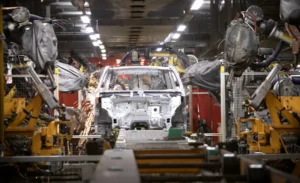
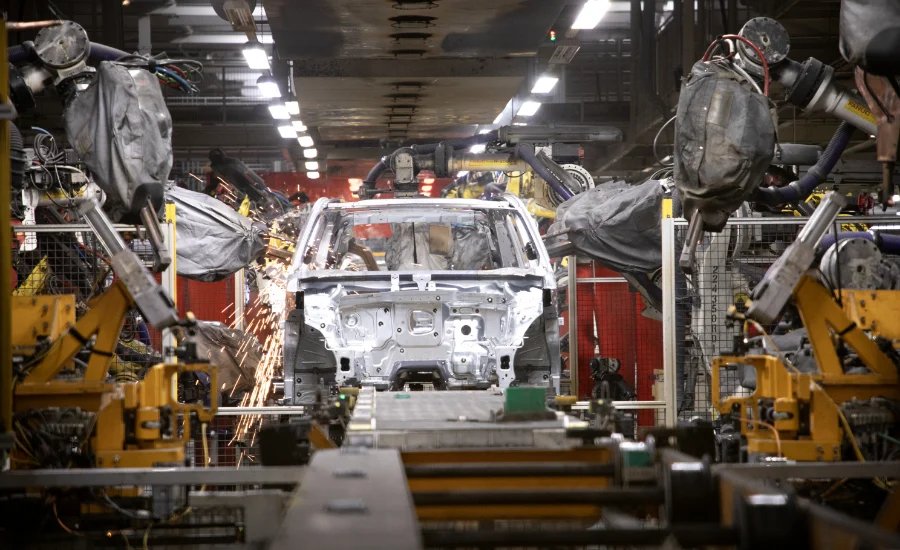
The process of assembling a modern vehicle like the Volkswagen Atlas is a complex dance of advanced robotics, precision engineering, and highly skilled human craftsmanship. The Chattanooga plant utilizes state-of-the-art manufacturing techniques, including sophisticated automation for tasks like welding and painting, complemented by human expertise for intricate assembly steps, quality checks, and final finishing. This hybrid approach ensures both efficiency and the high-quality standards expected of a Volkswagen vehicle.
The quote from Henning Habicht highlights the critical role of the workforce. The dedication, skill, and attention to detail of the Chattanooga employees are paramount to the success of each vehicle produced. From the initial stamping of metal panels to the final inspection before a vehicle leaves the factory, every step is meticulously managed. Continuous training and development programs are in place to ensure that the workforce remains at the forefront of manufacturing technology and best practices. This commitment to excellence in assembly is what allows Volkswagen to consistently deliver vehicles that meet stringent quality and safety standards, building consumer trust and brand loyalty.
Looking Ahead: Market Dynamics and Future Prospects
The launch of the 2027 Atlas into the market comes at a dynamic time for the automotive industry. While the overall trend leans towards electrification, the SUV segment, particularly mid-size family SUVs, continues to be a dominant force in sales. The Atlas competes in a fiercely contested segment against established players from various global automakers. Volkswagen’s ability to refresh its offering with improved performance, updated technology, and a refined design is crucial for maintaining its competitive edge.
The continued success of the Atlas line, as evidenced by the one-million-unit milestone and the investment in a new generation, solidifies Volkswagen’s position in the North American market. It demonstrates the brand’s adaptability and its commitment to meeting diverse consumer needs. For the Chattanooga plant, this new production cycle ensures long-term operational stability and continued employment for its thousands of workers, reinforcing its status as a vital part of Volkswagen’s global manufacturing network. As the automotive landscape continues to evolve, the Chattanooga facility, with its capacity for both traditional and electric vehicle production, is strategically positioned to play an enduring role in Volkswagen’s future success.