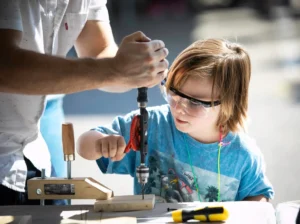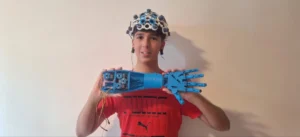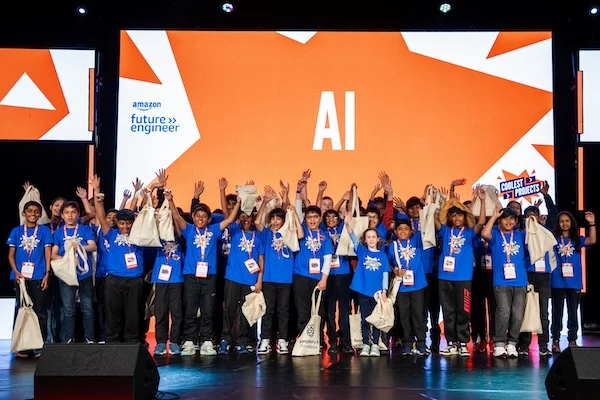
The city of Bradford served as a focal point for the next generation of technological pioneers this May as Coolest Projects UK returned to the region, drawing more than 200 young participants from across the country to demonstrate their prowess in digital design and engineering. Organized by the Raspberry Pi Foundation, the event transformed its venue into a vibrant exhibition of youth-led innovation, where creators aged 7 to 18 presented a diverse array of projects ranging from rudimentary coding exercises to sophisticated artificial intelligence applications. The showcase highlighted not only the technical capabilities of the participants but also the growing importance of digital literacy and creative problem-solving in the modern educational landscape.
Throughout the day-long event, visitors and industry professionals explored a vast spectrum of categories, including Scratch-based animations, Python programming, web design, hardware builds, and immersive game development. Each participant was afforded the opportunity to present their work to a panel of judges and industry experts, receiving constructive, personalized feedback designed to bridge the gap between amateur hobbyism and professional standards. Beyond the competitive and exhibition elements, the event served as a networking hub, allowing young creators to connect with peers who share a common interest in using technology to solve real-world problems or provide entertainment.
The Evolution of Digital Creativity in the UK
The 2026 iteration of Coolest Projects UK comes at a critical time for the British technology sector. As the demand for STEM (Science, Technology, Engineering, and Mathematics) skills continues to outpace the supply of qualified professionals, initiatives like Coolest Projects play a vital role in early-stage engagement. By providing a platform where young people are encouraged to see themselves as creators rather than mere consumers of technology, the event addresses the "digital skills gap" through hands-on, interest-led learning.
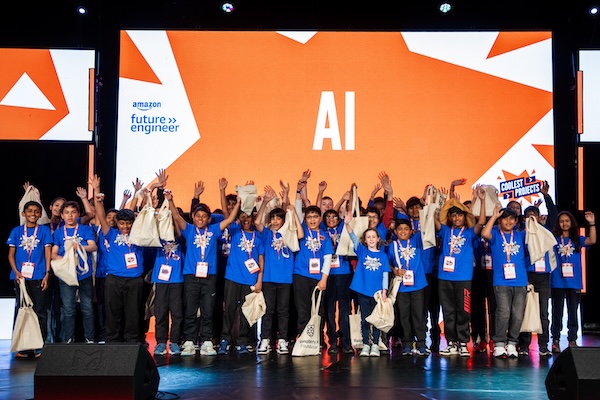
The participants at this year’s event represented a broad cross-section of the UK’s informal and formal education ecosystems. Many creators arrived from established Code Clubs and CoderDojos—free, volunteer-led coding clubs for children—while others represented school-based initiatives, Scout groups, or independent learning environments. This diversity in background underscores the accessibility of modern coding tools, which have evolved to allow even those with minimal formal training to build functional, impactful digital products.
The event was characterized by a palpable sense of collaboration. While individual projects were celebrated, the day was punctuated by collective activities designed to stimulate creative thinking. These hands-on workshops encouraged participants to work together on rapid-prototyping challenges, further reinforcing the idea that technology is a collaborative tool rather than an isolating one.
Strategic Preparation and Local Impact in Bradford
The success of the May showcase was bolstered by a series of preliminary workshops held throughout Bradford in the months leading up to the main event. These local sessions were strategically designed to lower the barrier to entry for first-time participants. By providing access to hardware, software, and mentorship, the workshops ensured that young people from varied socioeconomic backgrounds in the Bradford area could gain the confidence necessary to present their work on a national stage.
Bradford’s role as a host city is significant. As a region with a growing digital economy, the city provides an ideal backdrop for fostering local talent. The involvement of local schools and community centers in the lead-up to Coolest Projects UK ensured that the event left a lasting legacy within the community, inspiring a new cohort of Bradford-based youth to pursue digital making.
Integration with the Scouting Movement
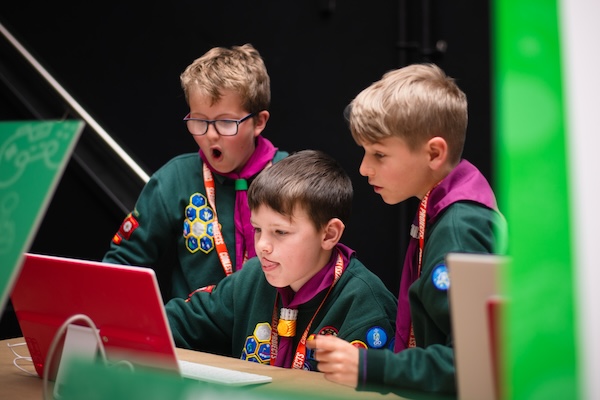
A notable highlight of the 2026 showcase was the significant participation of the Scouts. Fifty-seven young people from six Yorkshire-based Scout groups took part in dedicated digital making workshops integrated into the event. This partnership illustrates a modernizing trend within traditional youth organizations, as they incorporate digital skills into their core curriculum of life skills and outdoor education.
During these specialized sessions, the Scouts utilized Scratch and AI-powered facial recognition tools to develop custom "selfie filters." This exercise was more than a creative novelty; it served as the practical requirement for earning the DM1 Digital Maker badge. For many of these participants, the workshop represented their first formal introduction to artificial intelligence. By successfully exhibiting their projects alongside more experienced creators, the Scouts demonstrated the rapid learning curve associated with modern block-based coding and AI interfaces. This integration of digital badges into the Scouting experience highlights a shift toward recognizing technical proficiency as a fundamental competency for the 21st century.
Project Spotlights: From Robotics to Public Health Education
The projects displayed at Coolest Projects UK 2026 were as varied as the interests of the participants themselves. Three specific projects garnered significant attention for their technical execution and thematic depth.
Seth: The "Pop Bot" Hardware Integration
Seth, a young creator focused on the intersection of hardware and AI, presented "Pop Bot," a sophisticated robotic reminder system. The project utilized a combination of physical sensors, lights, and moving parts built from recycled materials, such as boxes and tubes, integrated with a camera system. The core functionality of Pop Bot relied on facial recognition software to identify specific individuals and deliver personalized audio reminders.
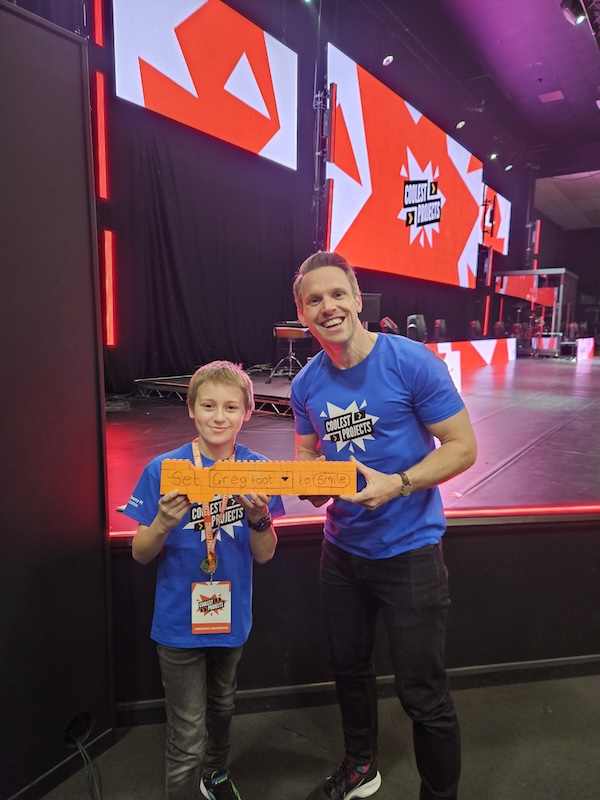
Seth’s project was particularly noteworthy for its iterative development process. During his presentation, he explained the technical hurdles he encountered with his facial recognition model. "Our facial recognition system kept getting confused, so we took more photos to help it recognize better," Seth noted. He detailed how variations in lighting, clothing, and backgrounds were used to retrain the model, a process that mirrors professional machine learning workflows. His dedication was also personal; Seth created a custom physical "Scratch block" from Lego and modeling clay to present to the event’s host, BBC science presenter Greg Foot, demonstrating a blend of technical skill and community spirit.
Chinemerem: "Immune System Defence"
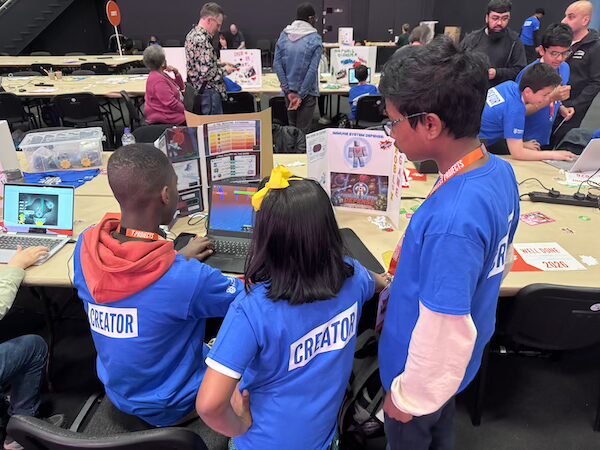
In the Games category, Chinemerem showcased "Immune System Defence," a project developed within the Roblox environment. The game functions as a tower defense simulation where players must protect a human heart from viral infections using white blood cells and vitamin boosts. The project was inspired by Chinemerem’s school science curriculum, specifically lessons regarding the circulatory and immune systems.
The project highlights the potential of "gamified" education. By translating biological functions into game mechanics, Chinemerem created a tool that teaches players about health and science through active engagement. The use of a QR code during the event allowed visitors to play the game in real-time, providing the creator with immediate user feedback and data on player behavior.
Gabriel: "Fossil Roulette"
Gabriel utilized the Scratch platform to develop "Fossil Roulette," an interactive game designed to illustrate the statistical rarity of the fossilization process. Inspired by a visit to the Fossil Festival in Lyme Regis, Gabriel’s game requires players to navigate through various geological stages, represented by spinning roulette wheels.
The technical challenge for this project lay in the physics of the animation. Gabriel explained that he had to code the wheels to simulate realistic friction, starting at a high velocity and gradually slowing down to a stop. This required a grasp of variables and timing within the Scratch environment. The project’s popularity was evidenced by the consistent queues of visitors eager to test their luck at the virtual fossil hunt.
The Role of Public Engagement and Mentorship
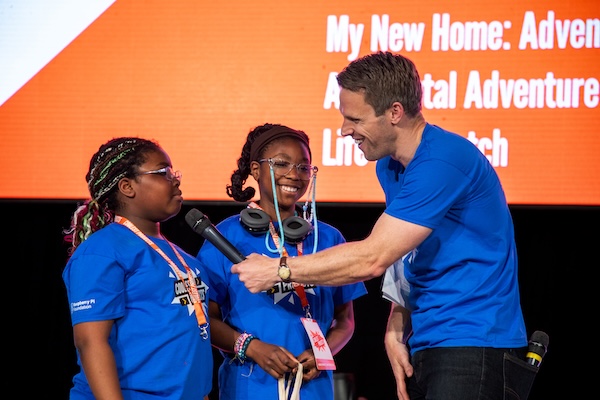
The presence of Greg Foot, a well-known BBC science presenter, added a layer of professional validation to the event. Foot spent the day interviewing creators on stage, probing the logic behind their code and the inspiration for their builds. This public engagement is a crucial component of the Coolest Projects experience, as it forces young makers to articulate their ideas clearly—a skill that is as important in the tech industry as the ability to write code.
The celebration ceremony that concluded the day was designed to be inclusive. While specific "judges’ favorites" were recognized with awards, every participant received a medal and recognition for their contribution. This approach reinforces a growth mindset, emphasizing the value of the journey from an initial idea to a finished, public-facing project.
Broader Implications for the UK Tech Landscape
The success of Coolest Projects UK 2026 provides a data point for the effectiveness of informal education. Research suggests that young people who participate in extracurricular digital making are more likely to pursue computer science at the GCSE and A-level stages. By fostering a sense of belonging in the tech community at a young age, the Raspberry Pi Foundation and its partners are actively working to diversify the pipeline of talent entering the industry.
Furthermore, the focus on AI in this year’s projects reflects the rapid integration of large language models and computer vision into the tools available to children. The fact that primary-school-aged children are now comfortable discussing "training data" and "model accuracy" suggests that the next generation will enter the workforce with a native understanding of artificial intelligence that far exceeds that of previous cohorts.
Future Outlook and Global Context
While the UK showcase in Bradford has concluded, the Coolest Projects initiative continues on a global scale. Similar events are scheduled throughout the year in various international locations, including Ireland, the United States, and online through the Coolest Projects Global virtual showcase. This international network allows creators to see their work as part of a worldwide movement of young makers.
For those inspired by the event, the Raspberry Pi Foundation continues to support a network of thousands of free Code Clubs globally. These clubs provide the infrastructure for young people to continue their digital journey year-round, ensuring that the momentum generated at the Bradford showcase is translated into long-term skill development.
In conclusion, Coolest Projects UK 2026 was more than a mere exhibition; it was a testament to the creative potential of the UK’s youth when provided with the right tools and platform. As these young creators return to their schools and communities, they carry with them not only medals and badges but also the confidence to shape the digital world of tomorrow. The event stands as a model for how industry, non-profits, and community groups can collaborate to inspire the next generation of innovators.