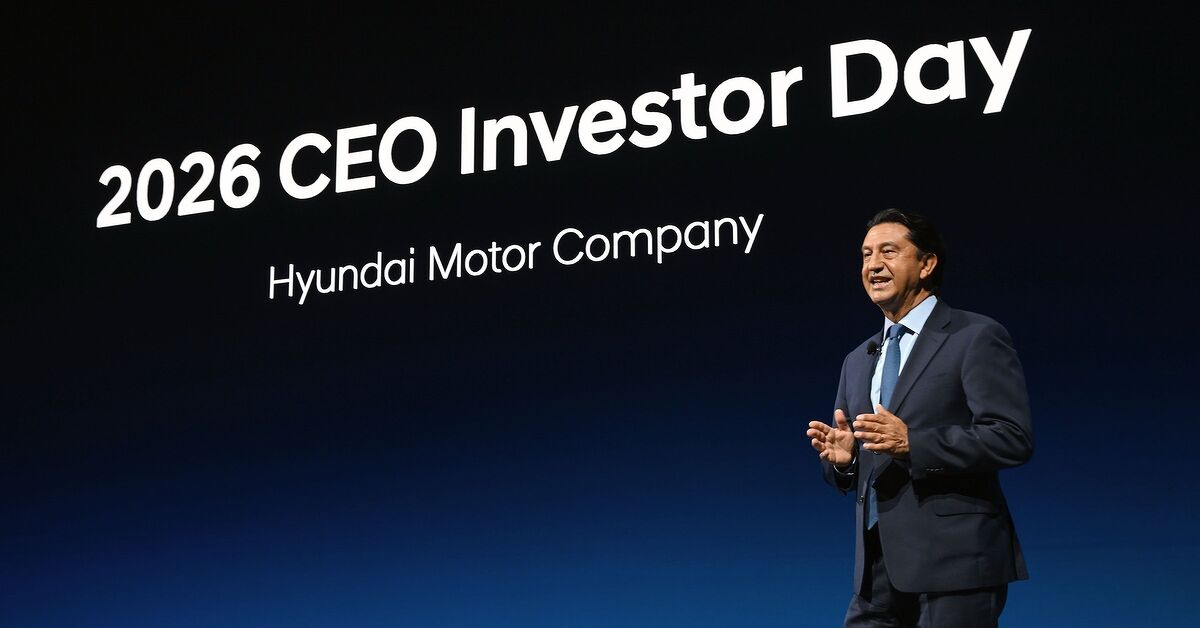
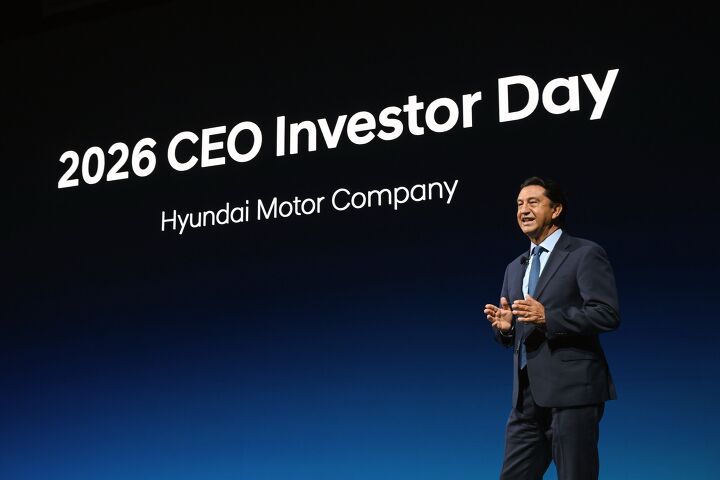
Hyundai has officially announced its foray into the extended-range electric vehicle (EREV) segment, with the brand’s first EREV model slated to be the redesigned Santa Fe SUV. This strategic move, revealed during Hyundai’s annual CEO Investor Day in Seoul, aims to address range anxiety and appeal to a broader spectrum of consumers by bridging the gap between traditional internal combustion engine vehicles and full battery-electric offerings. The announcement signals a significant recalibration of Hyundai’s electrification strategy, emphasizing a more diversified approach to sustainable mobility.
The EREV Concept: A Hybrid Approach to Electrification
For consumers unfamiliar with the technology, an Extended-Range Electric Vehicle operates fundamentally like a battery-electric vehicle (BEV) in its daily driving experience. Power is delivered by electric motors, providing instant torque and a smooth, quiet ride. However, unlike a pure EV, an EREV incorporates a small, internal combustion engine that acts solely as a generator. This generator’s primary purpose is to recharge the battery pack when it becomes depleted or to provide supplementary power, effectively extending the vehicle’s overall range. This architecture allows for a smaller battery than a typical BEV, potentially leading to cost savings and reduced charging times, while still offering the convenience of electric propulsion.
The EREV concept is not entirely new, having seen limited application in the automotive industry. Notable examples include the BMW i3 REx (Range Extender) and, more recently, conceptual vehicles from nascent brands like Scout. While the underlying principle has been demonstrated, the commercial success and long-term viability of EREV models have been a subject of market debate. Hyundai’s entry, however, leverages a well-established platform and a proven manufacturer, suggesting a more robust attempt to capture market share in this niche.
Santa Fe EREV: A Bold Step in a Familiar Package
The upcoming Hyundai Santa Fe EREV will retain the distinctive, boxy styling of its redesigned predecessor, a design that has already garnered attention for its rugged and utilitarian aesthetic. This familiar silhouette is crucial, as it allows Hyundai to introduce its new EREV technology within a model that already has a recognized presence and a loyal customer base.
Hyundai Motor Co. President and CEO, José Muñoz, projected an impressive maximum range of 600 miles for the Santa Fe EREV without the need for refueling. This substantial figure is a direct challenge to the pervasive "range anxiety" that often deters consumers from fully embracing electric vehicles. By offering a range comparable to or exceeding many gasoline-powered SUVs, Hyundai aims to make the transition to electrified driving more palatable and practical for a wider audience.
Currently, the Santa Fe lineup includes variants with a turbocharged four-cylinder engine and a conventional gasoline-electric hybrid powertrain. The EREV model will be positioned as a premium offering within this range, utilizing a dual-electric-motor setup to deliver all-wheel drive capability. This configuration is expected to provide enhanced traction and performance, aligning with the SUV’s adventurous persona.
A Strategic Timeline and Domestic Production
The arrival of the Santa Fe EREV is anticipated in the first half of 2027, likely to be badged as a 2028 model year vehicle. This timeline suggests a deliberate and phased approach to product development and market introduction. Production is slated to occur at Hyundai’s manufacturing facility in Montgomery, Alabama. This decision is significant as it ensures domestic production for a key electrified model, aligning with potential government incentives and consumer preferences for locally manufactured vehicles. The Alabama plant already assembles the Santa Fe, streamlining the transition and minimizing logistical complexities.
Under the Hood: Proprietary Battery Technology
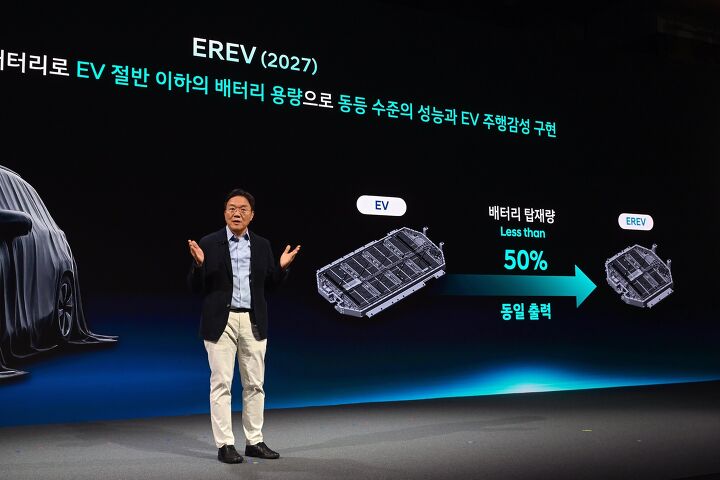
Beyond the impressive range figures, the engineering advancements powering the Santa Fe EREV are particularly noteworthy. These EREVs will be equipped with Hyundai’s new proprietary battery technology. This new pack utilizes high-performance cells with a Mid-nickel NCM (Nickel-Cobalt-Manganese) chemistry. Hyundai claims that this battery, despite having less than half the capacity of the Ioniq 5’s battery, can match its power output.
This technological breakthrough promises several tangible benefits. Hyundai estimates that these new battery packs will be approximately 30% cheaper to produce compared to existing technologies. Furthermore, charging times are projected to be reduced by a significant 40%. Mass production of these advanced batteries is expected to commence by mid-2027, coinciding with the vehicle’s launch.
The implications of these cost and charging improvements are far-reaching. For automakers, reducing battery production costs is a critical hurdle in making EVs more affordable and competitive. Faster charging addresses a key pain point for EV owners, making longer journeys more feasible and reducing downtime. If Hyundai’s projections hold true, these advancements could represent a significant competitive advantage, impacting not only their margins but also accelerating the broader adoption of electric and electrified vehicles across the industry.
Genesis Joins the EREV Offensive
Hyundai’s luxury division, Genesis, will also be participating in this EREV push. The company confirmed that a GV70 EREV will debut in early 2027, boasting an even more ambitious range of over 640 miles. This 40-mile advantage over the Santa Fe EREV positions the Genesis model as the premium performance-oriented EREV offering within the Hyundai Motor Group. While further details on the GV70 EREV are scarce, its introduction underscores the group’s commitment to a diversified electrification strategy across its brands.
A Broader Electrification Pivot: Hybrids and the Future
The introduction of the Santa Fe EREV is part of a larger, more nuanced electrification strategy for Hyundai. While the company has invested heavily in its Ioniq line of dedicated battery-electric vehicles, recent pronouncements suggest a more pragmatic approach to achieving its sustainability goals.
Muñoz stated that Hyundai plans to significantly expand its hybrid offerings in the U.S. market, aiming to have more than 10 hybrid models available by 2030. The company anticipates that hybrids of all types will constitute approximately half of its total sales in the U.S. by the end of the decade.
This strategic pivot from an exclusively BEV-centric future to a more hybrid-inclusive one reflects a growing acknowledgment within the automotive industry that the transition to full electrification may be more gradual and complex than initially anticipated. Market dynamics, consumer preferences, charging infrastructure development, and economic factors all play a role in shaping the pace of adoption.
The Santa Fe EREV, therefore, represents more than just a new model; it is a tangible manifestation of Hyundai’s strategic recalibration. It signifies a commitment to providing compelling, practical, and accessible electrified options that cater to a wider range of consumer needs and concerns. By offering a compelling blend of electric driving with the long-distance convenience of a gasoline generator, Hyundai is positioning itself to capture a significant segment of the evolving automotive landscape. The success of these EREV models, particularly their ability to deliver on range, efficiency, and cost, will be closely watched as a key indicator of the future direction of electrified mobility.