After a closet cleanout, the options for recycling old threads are remarkably few. Beyond simply donating used clothes, a robust, widespread process for true textile-to-textile recycling, akin to that for bottles and cans, remains largely absent. This critical gap contributes significantly to an escalating environmental crisis: the average American discards approximately 81 pounds of clothing each year, culminating in over 11 million tons of textiles annually directed to landfills or incinerators. This colossal waste stream, largely composed of synthetic and blended fabrics, presents a formidable challenge to sustainability efforts worldwide.
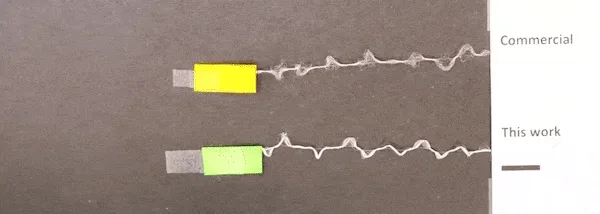
However, a groundbreaking innovation from MIT engineers offers a potent glimmer of hope, aiming to drastically reduce this burgeoning mountain of textile waste. The team has successfully designed and demonstrated a novel, recyclable yarn crafted from polyethylene, a form of plastic ubiquitous in everyday items such as milk bottles and grocery bags. This new yarn, possessing a tactile quality akin to traditional sewing thread, can be seamlessly woven into flexible, lightweight garments. Crucially, the researchers envision a future where, at the end of its useful life, a garment spun from this polyethylene yarn could be melted down, redrawn into new yarn, and subsequently rewoven into fresh clothing or even repurposed into other plastic products like buttons and belt buckles, thereby closing the loop on textile consumption.
The Unraveling Problem: A Mountain of Textile Waste
The scale of textile waste is staggering and growing. The United States alone is responsible for a significant portion of the global textile waste problem. The 11 million tons of textiles dumped annually represents a colossal volume of material, much of which is non-biodegradable and laden with dyes and chemicals that can leach into soil and groundwater. Incineration, while reducing volume, releases greenhouse gases and other pollutants into the atmosphere, contributing to climate change and air quality degradation.
This modern dilemma is largely a byproduct of the "fast fashion" phenomenon, characterized by rapid production cycles, low prices, and fleeting trends. Consumers are encouraged to purchase more frequently and dispose of items quickly, leading to an ever-increasing throughput of textiles. While cotton and other natural fibers can eventually biodegrade, synthetic materials like polyester, nylon, and particularly spandex, which are increasingly prevalent in contemporary clothing, persist in the environment for hundreds of years. The rise of performance wear and athleisure, heavily reliant on stretchy, blended fabrics, has exacerbated this issue, creating garments that are comfortable and durable for wearers but a nightmare for recyclers.
Globally, the Ellen MacArthur Foundation reports that less than 1% of clothing is recycled into new clothing. The vast majority of textile waste is either incinerated or landfilled. Even items donated to charities often end up in landfills or are shipped to developing countries, where they can overwhelm local economies and infrastructure, creating secondary waste problems. This linear "take-make-dispose" model of consumption is unsustainable, demanding continuous extraction of virgin resources and generating immense waste.
The Spandex Barrier: A Chemical Conundrum
At the core of the unrecyclability of many modern textiles lies the widespread use of elastic fibers, primarily spandex (also known as Lycra or elastane). Spandex, a polyurethane-based synthetic fiber, is celebrated for its exceptional elasticity but lacks inherent strength. To create durable, stretchy fabrics, spandex is typically integrated as a core thread, then wrapped or sheathed with tougher fibers like polyester or nylon. This composite structure imbues garments with the desired stretch and resilience, making them ideal for everything from activewear to everyday apparel.
However, this very combination of dissimilar materials creates an insurmountable hurdle for conventional recycling processes. The chemical disparity between the spandex core and its polyester or nylon sheath means they cannot be melted down and reformed together. Separating these components requires complex and costly chemical treatments, often involving harsh solvents that pose their own environmental and economic challenges. As Svetlana Boriskina, a research scientist in MIT’s Department of Mechanical Engineering, highlights, "Eighty percent of textiles on the U.S. market currently contain some amount of spandex, which makes them nonrecyclable. There’s no widely adopted technology now that recycles textiles into textiles. With our new yarn, we hope to change that."
Boriskina further elaborates on the practical implications: "Even though chemical separation technologies exist, they add extra cost and complexity, and usually require toxic chemicals that are harmful to the environment. That’s why most stretchy garments go to the dump." The absence of a viable, economical, and environmentally friendly method for recycling spandex-blend textiles has left a significant portion of the global wardrobe destined for incineration or landfill, fueling the escalating textile waste crisis.
MIT’s Innovative Thread: A Polyethylene Solution
The MIT team’s breakthrough is built upon prior research and a deep understanding of material science. In 2021, Boriskina’s group had already made strides in developing a new type of yarn from polyethylene. Polyethylene, the world’s most common plastic, is a thermoplastic, meaning it can be melted and reshaped without significant degradation. This inherent recyclability makes it an attractive candidate for sustainable materials. In their earlier work, the researchers demonstrated polyethylene yarn’s potential for moisture-wicking, stain-resisting, and cooling properties, challenging the traditional perception of polyethylene primarily as a packaging material.
Building on this foundation, the current study, detailed in a paper published in the journal ACS Materials Letters, specifically aimed to engineer polyethylene yarn to replicate the strength and flexibility characteristic of spandex, while crucially ensuring its full recyclability. The team, including first author SeongHyeon Kim, Duo Xu, Volodymyr Korolovych, Domingo Flores-Hernandez, Kaniz Moriam, and Daniel Braconnier, embarked on a systematic exploration of polyethylene-based copolymers.
Their approach involved identifying specific formulations of stretchy, polyethylene-based resins suitable for the elastic core of the yarn, and separately engineering stiffer polyethylene yarns to serve as the sturdy sheath. Through extensive literature review and analysis of industrial reports, the team evaluated numerous chemical variations of polyethylene. Boriskina explains the versatility of polyethylene: "The chemical structure of polyethylene is like Christmas garland — a backbone of carbon, carbon, carbon, and also these dangling ‘decorations’ of hydrogen atoms or short branches with the same structure as a backbone. How these chains are arranged can change the properties of the whole structure." SeongHyeon Kim adds, "Polyethylene can give us a wide range of properties, depending on how you make it."
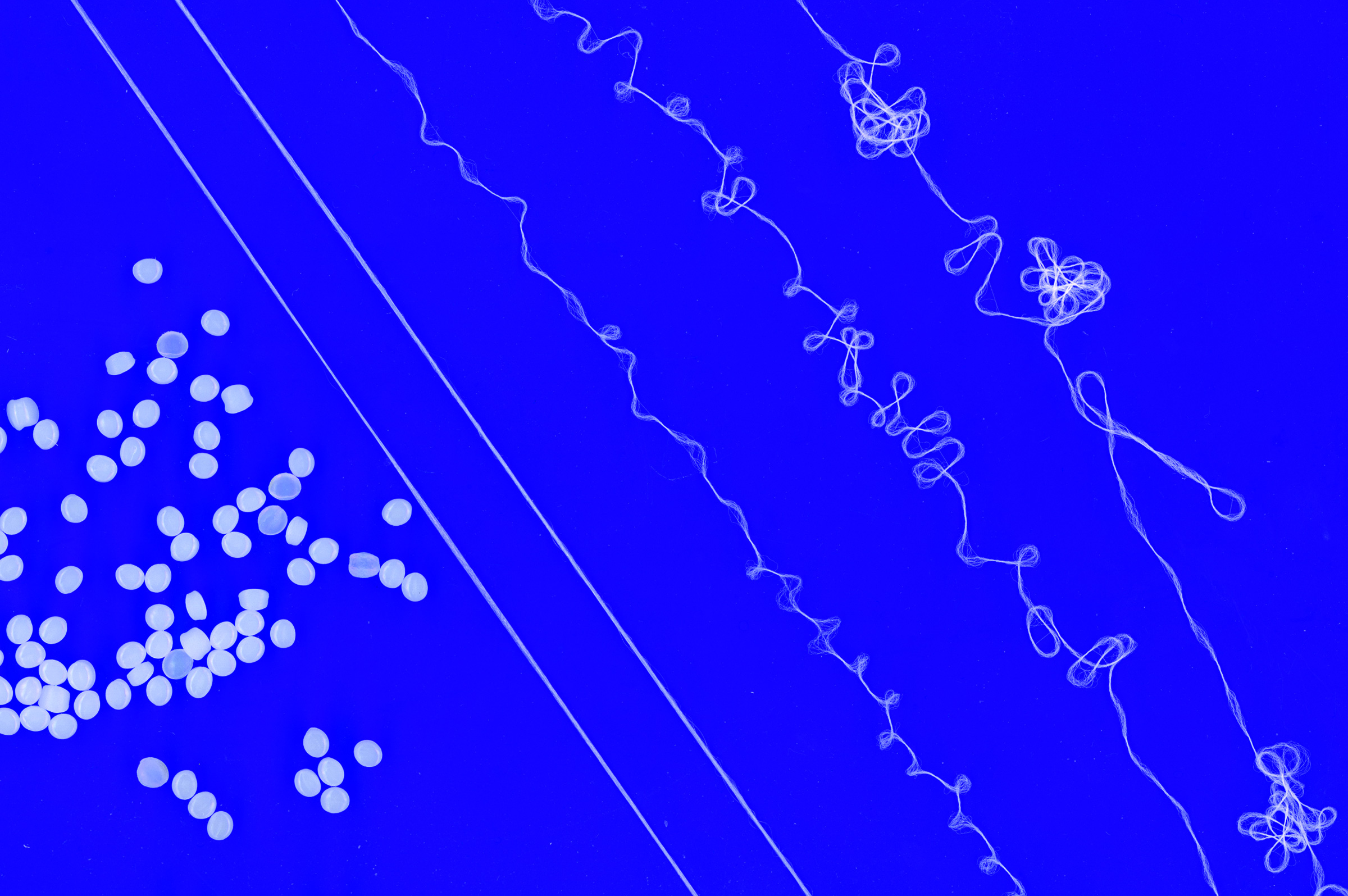
For the yarn’s core, the researchers selected a polyethylene-based resin engineered to produce a more elastic fiber. For the sheath, a second, stiffer resin from the same chemical family was chosen. The fabrication process began with pellets of each resin obtained from a chemical manufacturer. These pellets were then heated to approximately 350 degrees Fahrenheit, exceeding their melting temperature. The resulting molten polyethylene was subsequently extruded through fine dies to create hair-thin fibers, a process Kim likens to a "spaghetti machine." An industrial yarn spinner was then utilized to precisely wind the sheath fibers around the core fiber, culminating in the creation of the final elastic yarn.
The key to this innovation’s recyclability lies in the fact that both the core and the sheath of the new yarn are derived from the same chemical family of polyethylene. This eliminates the need for complex and costly chemical separation steps, unlike spandex-based elastic yarns. The entire polyethylene yarn can be melted down as a single unit and reformed into new yarn or other plastic products, fundamentally altering the recycling paradigm for stretchy textiles. "Because they are exactly the same chemistry, they play nicely together," Boriskina affirms. "That’s what makes this yarn very recyclable."
Demonstrating Durability and Recyclability
To rigorously validate the yarn’s recyclability and mechanical integrity, the MIT team conducted a compelling demonstration. They twisted an elastic core-sheath yarn, then subjected it to a cycle of melting and re-spinning, repeating this process a remarkable 10 times. After each cycle, the recycled yarn’s mechanical properties were meticulously assessed. Researchers precisely stretched a thread, measuring the force required to break it. The results were highly encouraging: even after 10 cycles, the recycled versions of the yarn exhibited strength and flexibility comparable to the original sheath yarn. These recycled polyethylene yarns can then be used to create new stretchy yarns by being twisted around a newly spun elastic core, completing the circular journey.
This robust demonstration underscores the material’s potential for sustained use within a circular economy model. The ability to repeatedly recycle the material without significant degradation of its performance properties is a critical factor for its widespread adoption in industries seeking truly sustainable solutions. The next phase for the team involves transitioning from laboratory-scale production to larger-scale manufacturing. "Now we have something that can be knitted and woven," Boriskina notes. "That is the next stage."
Broader Implications: Weaving a Sustainable Future
The development of this recyclable polyethylene yarn carries profound implications across multiple sectors, promising a significant shift towards a more sustainable textile economy.
Impact on the Fashion Industry: The fashion industry is under immense pressure to reduce its environmental footprint. Brands are increasingly seeking sustainable materials and circular production models. This MIT innovation offers a viable, high-performance alternative to traditional spandex-polyester and spandex-nylon blends, which currently dominate the activewear and stretch-fabric markets. Its adoption could enable brands to create "circular collections" where garments are designed from the outset for end-of-life recycling, reducing reliance on virgin materials and mitigating waste. This could revolutionize product design, supply chain management, and ultimately, consumer choice.
Environmental Benefits: The most direct and impactful benefit is the potential for a drastic reduction in textile waste ending up in landfills and incinerators. By enabling true fiber-to-fiber recycling for a significant portion of synthetic garments, the technology could:
- Reduce Landfill Burden: Less textile waste means less pressure on limited landfill space.
- Lower Emissions: Decreased incineration would lead to a reduction in greenhouse gas emissions and air pollutants.
- Conserve Resources: Recycling polyethylene reduces the demand for new petroleum-based plastics, conserving fossil fuels and lowering the environmental impact associated with extraction and manufacturing.
- Mitigate Microplastic Pollution: While polyethylene is still a plastic, its ability to be fully contained within a closed-loop system for garment production and recycling could potentially reduce the release of microplastic fibers into waterways compared to constantly producing new, short-lived synthetic textiles.
Economic Opportunities: A shift towards a circular textile economy, facilitated by innovations like this yarn, could unlock new economic opportunities.
- New Recycling Infrastructure: The need for facilities capable of collecting, sorting, melting, and re-spinning polyethylene textiles would spur investment and job creation in the recycling sector.
- Material Cost Savings: For manufacturers, relying on recycled content could, in the long run, offer more stable and potentially lower material costs compared to fluctuating virgin material prices.
- Innovation and Competitiveness: Companies adopting this technology early could gain a competitive edge, appealing to environmentally conscious consumers and meeting future regulatory demands.
Challenges and Hurdles: Despite its promise, the path from laboratory to widespread adoption will involve significant challenges.
- Scalability: Translating laboratory success into industrial-scale production of kilometers of yarn for weaving a single garment requires substantial investment in manufacturing infrastructure.
- Industry Adoption: The fashion industry is complex and often slow to change. Convincing manufacturers and brands to switch from established supply chains and materials to a new one will require economic incentives, proven performance, and seamless integration.
- Consumer Behavior: While consumers are increasingly aware of sustainability, clear labeling and accessible recycling programs will be crucial to ensure garments made from this new yarn are indeed returned for recycling.
- Initial Investment: The upfront costs for developing new machinery, processes, and recycling infrastructure could be considerable.
Policy and Regulation: Governments and regulatory bodies could play a vital role in accelerating the adoption of such innovations. Policies that incentivize the use of recyclable materials, establish extended producer responsibility for textile waste, or fund research and development in circular economy technologies could significantly support the transition.
The Road Ahead: From Lab to Loom
The MIT team envisions their new recipe for polyethylene yarn scaling up to industrial-sized spools, mirroring the production capacity of conventional fiber manufacturers. Just as kilometers of traditional spandex fibers are required to weave a single textile, the same will be true for this new material. However, the critical difference lies in the end-of-life scenario: once woven into a garment and used, the team envisions that a polyethylene garment could conceivably be collected in a dedicated recycling bin, sent to a specialized facility, melted down, and re-spun into new yarn. This fundamental shift would enable a truly sustainable, circular fashion and textile economy.
"Hopefully it will prevent the need for making more and more textile materials, because you can keep recycling a large portion of it," Boriskina concludes. This work, supported in part by the DEVCOM Soldier Center through the U.S. Army Research Office, the Office of Naval Research Global via Tecnologico de Monterrey, and the MIT Portugal Program, represents a pivotal step towards reimagining how textiles are produced, consumed, and ultimately, valued. It underscores the power of material science and engineering to address some of the most pressing environmental challenges of our time, weaving a future where fashion and sustainability are inextricably linked. The journey from innovative lab concept to widespread market integration will be complex, but the potential rewards—a cleaner planet and a more sustainable industry—are immeasurable.