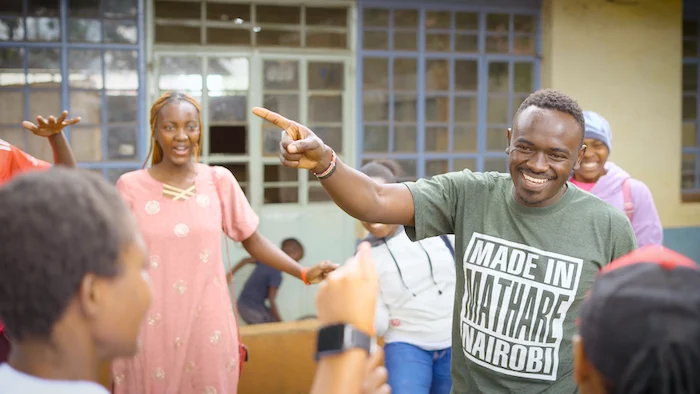
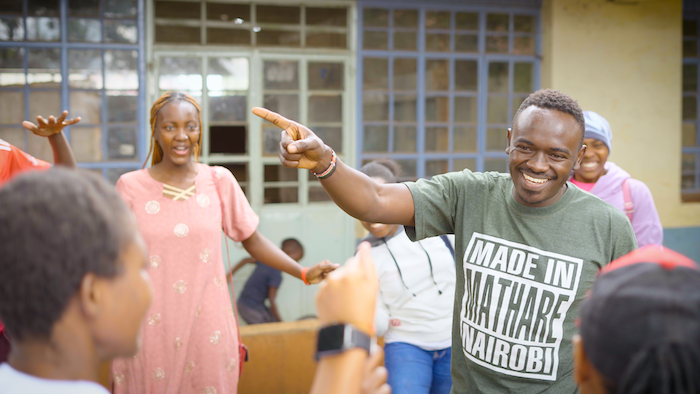
In the heart of Mathare, one of Nairobi’s oldest and largest informal settlements, a quiet revolution is taking place, powered not by traditional industry, but by the rhythmic clicking of keyboards and the logic of computer programming. Oasis Mathare, a community-led organization, has emerged as a critical bridge across the digital divide, providing young residents with the technical skills necessary to navigate and succeed in a rapidly evolving global economy. Led by its founder and director, Douglas, the initiative demonstrates how targeted technological education can disrupt the cycle of poverty and offer a viable alternative to the limited opportunities often found in underserved urban environments.
The story of Oasis Mathare is not merely one of charity, but of strategic empowerment through the "Code Club" model, supported by the Raspberry Pi Foundation. By integrating structured learning pathways with a localized mentorship program, the organization is proving that technology, when made accessible, serves as a universal equalizer. In a community where formal education often remains an unfinished journey for many, these coding clubs provide a secondary, skill-based path to professional viability and personal growth.
The Socio-Economic Context of Mathare
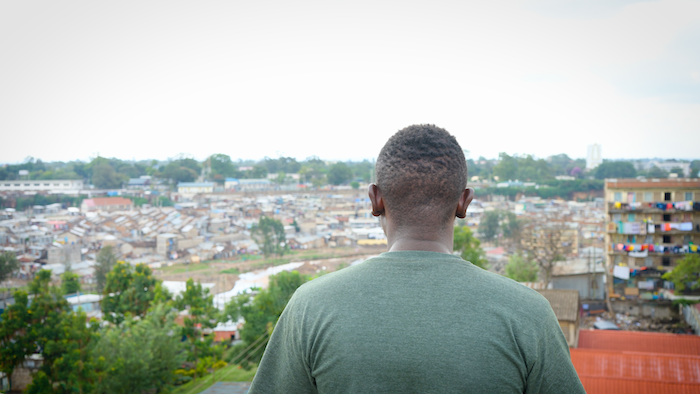
To understand the impact of Oasis Mathare, one must first look at the environment in which it operates. Mathare is home to an estimated 500,000 people living in high-density, informal housing. It is a community characterized by significant socio-economic challenges, including high rates of youth unemployment, limited access to clean water and sanitation, and a lack of formal educational infrastructure. According to various NGO reports, a substantial percentage of youth in such settlements drop out of school before completing their secondary education, often due to financial constraints or the need to contribute to household income.
In this context, the "digital divide" is not a theoretical concept but a physical reality. While Kenya has earned the nickname "Silicon Savannah" due to its burgeoning tech hub in Nairobi and the success of mobile money platforms like M-Pesa, the benefits of this digital transformation often bypass those in informal settlements. Without access to hardware, reliable internet, or structured training, the youth of Mathare are frequently excluded from the very sector driving the nation’s economic growth. Oasis Mathare was founded specifically to address this exclusion, transforming "idleness" into an opportunity for innovation.
The Visionary: Douglas and the Philosophy of Skill-Based Learning
The foundation of Oasis Mathare is rooted in the personal history of its director, Douglas. Growing up in the settlement, Douglas recognized early on that the traditional educational route was fraught with barriers. His own trajectory was altered not in a classroom, but in a local internet cafe. It was there, through independent exploration and curiosity, that he mastered basic graphic design—a skill that led to his first employment without the need for a formal degree.
This experience formed the cornerstone of his philosophy: technology knows no boundaries of race, gender, or social status. "As long as you have access to a computer, you have access to the internet, and you’re being guided, the opportunities are limitless," Douglas observes. His journey serves as a proof of concept for the youth he now serves. He posits that in the modern economy, "decent livelihoods" can be secured through demonstrable skills, providing a pragmatic alternative for those who cannot navigate the traditional academic system.
The Mechanics of the Code Club: Bridging the Gap
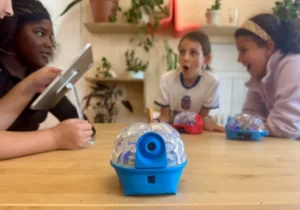
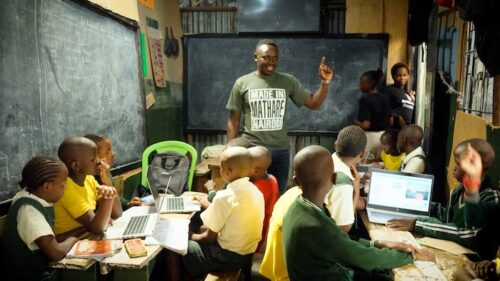
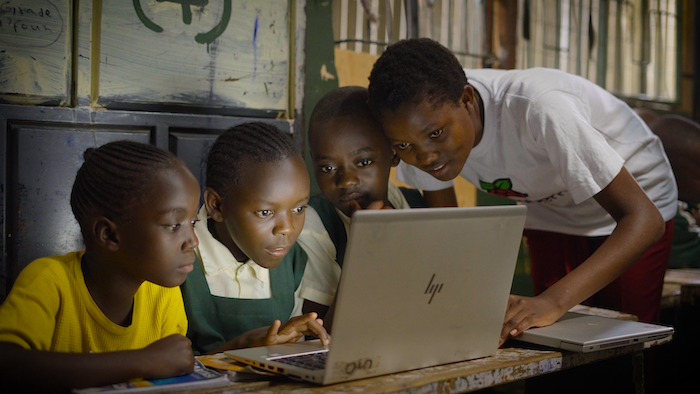
Oasis Mathare operates its Code Clubs both within local schools and at its dedicated community center. The curriculum is built upon the Raspberry Pi Foundation’s learning pathways, which offer a structured yet creative approach to programming. Before adopting these pathways, the organization faced challenges in maintaining a consistent and comprehensive curriculum. The integration of the Foundation’s resources provided the "missing pieces," allowing for a scalable model that introduces children to programming languages like Scratch, Python, and HTML/CSS at an early age.
The choice of coding as a primary tool is strategic. Coding teaches more than just syntax; it fosters computational thinking, logical reasoning, and problem-solving skills. These are transferable competencies that apply to various industries beyond software development. By demystifying technology, the program shifts the students’ perspective from being passive consumers of digital content to being active creators and architects of their digital environment.
The Mentorship Pipeline: From Learners to Leaders
One of the most significant developments within Oasis Mathare is the emergence of a sustainable mentorship ecosystem. The program has successfully created a "pipeline" where former students return to the clubs as volunteer mentors. This peer-to-peer learning model is essential for the program’s cultural relevance and sustainability.
Mentors like Keziah and Hope represent the success of this model. Keziah joined the Code Club to avoid the negative influences of "being idle around the community," seeking instead a path toward career growth and community connection. For Hope, the reward is seeing the immediate impact on the younger participants. "The moment the kids realize they belong to a Code Club is when I see their face light up when their projects run," she explains. This cycle of empowerment not only provides role models for the children but also hones the communication and leadership skills of the mentors, preparing them for the professional world—what Douglas calls "greener pastures."
Faith, another student-turned-mentor, highlights the psychological shift that occurs within the program. Initially believing that coding was reserved for "genius kids," she discovered that the field is accessible and, more importantly, engaging. This breakdown of perceived intellectual barriers is crucial in communities where students are often told, implicitly or explicitly, that high-tech careers are beyond their reach.
Data and the Broader Impact on Kenya’s Tech Ecosystem
The work being done in Mathare aligns with broader national trends in Kenya. The ICT sector has been a significant driver of Kenya’s GDP, contributing approximately 7% in recent years. However, the government’s "Digital Masterplan 2022-2032" emphasizes the need for digital literacy at all levels of society to ensure inclusive growth. Organizations like Oasis Mathare are the "last-mile" providers of this vision, reaching populations that government initiatives may not yet fully cover.
The impact of such programs can be measured in both qualitative and quantitative terms. Qualitatively, there is a marked increase in self-esteem and community engagement among participants. Quantitatively, the acquisition of digital skills directly correlates with increased employability in Nairobi’s gig economy and tech sector. By providing a safe space for learning, Oasis Mathare also acts as a social stabilizer, reducing the likelihood of youth involvement in crime or other high-risk activities prevalent in informal settlements.
Analysis of Implications: A Model for Digital Equity
The success of Oasis Mathare offers a blueprint for digital equity in the Global South. It suggests that the solution to the digital divide is not merely the distribution of hardware—a common mistake in early "one laptop per child" initiatives—but the provision of a supportive environment that includes structured curriculum and relatable mentorship.
Furthermore, the initiative highlights the importance of "hyper-local" leadership. Douglas’s intimate knowledge of Mathare’s social fabric allows the organization to build trust with parents and community leaders, ensuring that the technology is seen as a tool for community advancement rather than an outside imposition. The collaboration with international partners like the Raspberry Pi Foundation provides the technical rigor, while the local leadership provides the contextual relevance.
Challenges and Future Outlook
Despite its successes, Oasis Mathare faces ongoing challenges common to grassroots organizations. Maintaining hardware in a dusty, high-density environment, ensuring a stable internet connection, and securing consistent funding for expansion are perpetual concerns. However, the organization’s move toward a self-sustaining mentorship model mitigates some of the personnel costs and ensures that the knowledge remains within the community.
Looking forward, Douglas remains optimistic about the scalability of the Oasis Mathare model. His message to young people in underserved communities globally is one of radical possibility: "It is really possible to change your life, as long as you have a positive mind, you have hope, and you’re working hard."
The story of Douglas and the Code Clubs in Mathare is a testament to the fact that talent is distributed equally, even if opportunity is not. Through the strategic use of technology and the power of community mentorship, Oasis Mathare is not just teaching children how to code; it is teaching them how to rewrite their own futures. As these young programmers continue to build projects that run, they are simultaneously building a new narrative for Mathare—one defined by innovation, resilience, and a future without boundaries.