The Raspberry Pi Foundation has officially announced a significant expansion of its global "Experience AI" initiative, targeting the educational landscapes of Australia and Aotearoa New Zealand. Supported by a generous $1.2 million grant from Google.org, the philanthropic arm of Google, the program aims to equip 5,000 educators with specialized artificial intelligence (AI) training. This ambitious scaling of the initiative is projected to reach an estimated 150,000 students across both nations by 2028, addressing a critical gap in digital literacy and preparing the next generation for a workforce increasingly defined by automated technologies.
The expansion comes at a pivotal moment as governments and educational institutions worldwide grapple with the rapid integration of generative AI in daily life. By collaborating with local educational organizations, the Raspberry Pi Foundation intends to provide young people with a foundational understanding of AI technologies, focusing not only on technical proficiency but also on the profound social and ethical implications of these systems.
The Foundation of Experience AI
Experience AI was conceptualized as a response to the growing complexity of artificial intelligence and its pervasive influence on information access, problem-solving, and professional environments. Developed in partnership with Google DeepMind—one of the world’s leading AI research laboratories—the program provides a comprehensive suite of free educational resources. These include structured lesson plans, classroom materials, and hands-on activities designed to demystify how AI systems function.
The curriculum is built on the philosophy that young people require more than just the ability to use AI tools as passive consumers. Instead, the program emphasizes the development of critical thinking, the capacity to identify bias in data, and the confidence to design original AI-based solutions. This pedagogical shift from "using" to "understanding and creating" is central to the Raspberry Pi Foundation’s mission of democratizing technology education.
Since its inception, Experience AI has established a formidable global footprint. The program is currently utilized in over 195 countries and has been translated into 22 languages. To date, the global network of partners has trained more than 50,000 educators, reaching an estimated 4.8 million young people worldwide. This success was recently recognized on the international stage when Experience AI was named a laureate of the 2025 UNESCO King Hamad Bin Isa Al-Khalifa Prize for the Use of ICT in Education, an award that highlights innovations that leverage technology to improve learning outcomes.
Strategic Partnerships in Australia
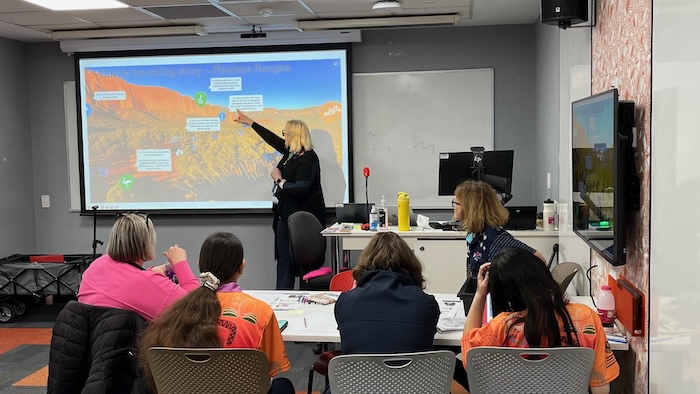
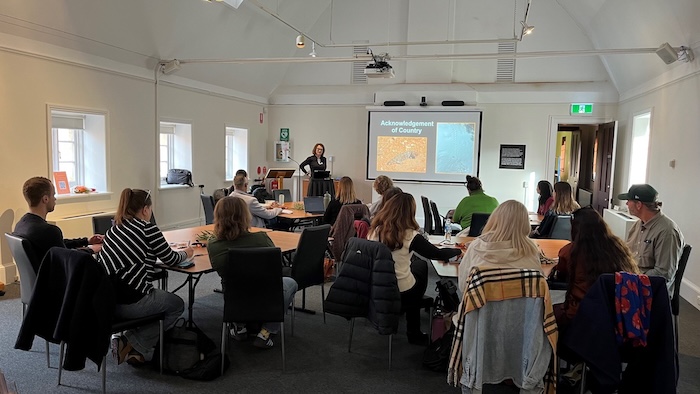
In Australia, the Raspberry Pi Foundation has entered into a strategic partnership with the Computer Science Education Research Group (CSER) at the University of Adelaide. CSER is widely recognized for its leadership in digital technologies education and its role in supporting Australian teachers through professional development.
Professor Katrina Falkner, Pro-Vice-Chancellor of Learning and Teaching at the University of Adelaide, emphasized the necessity of this initiative in the current educational climate. According to Professor Falkner, providing teachers with a deep understanding of AI is essential for fostering self-regulated learning skills in students. She noted that educators serve as the primary bridge between technological advancement and human-centric values.
"Educators can play a critical role in ensuring that a human lens of critical thinking, ethical judgement, creativity, and meaningful human connection remain at the heart of AI education and adoption," Professor Falkner stated. The partnership aims to prepare students for future careers where collaboration with AI tools will be a standard requirement, ensuring that the human element of critical oversight remains a priority.
Indigenous-Led Innovation in Aotearoa New Zealand
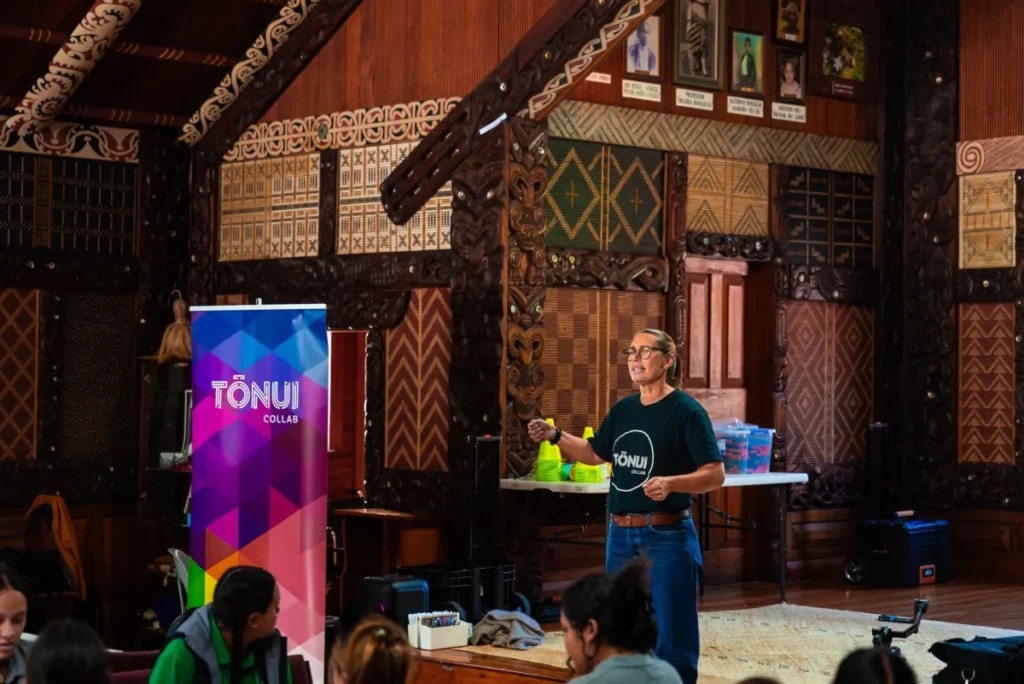
In Aotearoa New Zealand, the program takes on a culturally contextualized approach through a partnership with the Tōnui Collab Charitable Trust. Tōnui Collab is a Māori-led organization that focuses on creating innovative STEM (Science, Technology, Engineering, and Mathematics) learning opportunities that resonate with indigenous perspectives and local values.
Shanon O’Connor, Director of Tōnui Collab, highlighted that the introduction of Experience AI in New Zealand is not merely about teaching code or catering to technology enthusiasts. Instead, it is a targeted effort to foster digital equity and prevent the "digital divide" from widening into a "digital chasm" for rangatahi (young people).
A unique aspect of the New Zealand implementation is the focus on "tech tikanga"—the integration of Māori protocols and ethical frameworks into the use of technology. The program will facilitate robust discussions regarding data bias and the specific impacts these biases have on Māori communities. By creating space for "kōrero" (conversation) about collective responsibilities, the partnership ensures that AI education is culturally relevant and socially responsible.
Chronology of AI Educational Development
The expansion into the Oceania region represents a new chapter in the timeline of AI literacy efforts.
- 2023: The Raspberry Pi Foundation and Google DeepMind launched Experience AI to address the lack of high-quality, free AI resources for secondary school teachers.
- 2024: The program saw rapid international adoption, reaching tens of thousands of educators across Europe, Africa, and Asia.
- Early 2025: Experience AI received the UNESCO King Hamad Bin Isa Al-Khalifa Prize, cementing its status as a premier global educational tool.
- Mid 2025: Google.org committed $1.2 million in funding specifically for the Australia and New Zealand expansion.
- 2025-2028: The implementation phase will see the rollout of localized workshops, the adaptation of resources for the Australian and New Zealand curricula, and the training of the targeted 5,000 educators.
Supporting Data and the Digital Literacy Gap
The push for AI literacy is backed by significant economic and educational data. According to reports from the OECD, nearly 27% of jobs in member countries are in occupations at high risk of automation. Furthermore, the Australian government’s Digital Economy Strategy identifies digital literacy as a primary driver of future economic growth, estimating that the country will need 1.2 million additional digital workers by 2030.
In New Zealand, the "Digital Strategy for Aotearoa" emphasizes the importance of "Mahi Tahi" (working together) to ensure that no community is left behind by the digital transformation. Data suggests that while AI adoption in the corporate sector is high, the educational sector often lags due to a lack of resources and teacher confidence. By providing free, high-quality training, the Experience AI program directly addresses this resource gap.
The $1.2 million investment from Google.org is part of a broader commitment to AI responsibility. Research indicates that when teachers are trained in AI fundamentals, student engagement in STEM subjects increases by up to 40%. By focusing on 150,000 students, the program is setting a foundation for a significant portion of the future regional workforce.
Broader Impact and Ethical Implications
The implications of this program extend beyond the classroom. As AI systems become more integrated into healthcare, finance, and governance, the ability of the general citizenry to understand these systems is vital for the health of democratic societies. Experience AI teaches students to question how algorithms make decisions, how data is collected, and how to identify "hallucinations" or misinformation generated by AI.
The focus on ethics is particularly relevant given the rise of deepfakes and automated bias. By training students to look at AI through a "human lens," as Professor Falkner suggested, the program encourages a generation of developers and users who prioritize safety and transparency.
In the context of Australia and New Zealand, the program also serves as a model for how global technology initiatives can be adapted to local contexts. Whether it is aligning with the Australian Curriculum’s Digital Technologies learning area or integrating Māori worldviews in New Zealand, the localized delivery ensures that the technology does not overwrite local culture but rather provides a new tool for its expression and preservation.
Looking Toward 2028
As the Raspberry Pi Foundation and its partners begin the work of training the first cohorts of educators under this new grant, the focus remains on sustainability. By building "trusted partnerships" with local organizations like CSER and Tōnui Collab, the program ensures that the knowledge remains within the community long after the initial training sessions are complete.
The ultimate goal of the 2028 vision is to create a self-sustaining ecosystem of AI literacy. As these 150,000 students graduate and enter the workforce or higher education, they will carry with them a sophisticated understanding of one of the most transformative technologies in human history.
With the continued support of Google.org and the global expertise of the Raspberry Pi Foundation, Australia and Aotearoa New Zealand are positioned to become leaders in the responsible and equitable adoption of artificial intelligence in education. Interested educators and schools are encouraged to explore the available resources and join the global network at experience-ai.org, as the program continues to expand its reach and impact.