A return visit to Swatch’s advanced manufacturing facilities reveals the intricate processes behind their most celebrated collaborations, offering a fresh perspective on the intersection of industrial prowess and horological innovation. This exploration delves into the Sistem51 factory in Boncourt and the Bioceramic production hub in Grenchen, Switzerland, highlighting the technologies and methodologies that enable Swatch to consistently deliver iconic timepieces, most notably in the wake of the highly anticipated Swatch x Audemars Piguet "Royal Pop" collection.

A Year of Innovation and Unexpected Collaborations
Just over a year after an initial visit to Swatch’s Sistem51 factory, the author found himself back in the picturesque Swiss landscape, this time with a renewed purpose. The initial visit, documented in a previous report, offered a rare glimpse into the industrialized side of watchmaking, a stark contrast to the traditional, artisanal approach typically showcased by heritage brands. This industrial art form, with its unique philosophies of construction and finishing, proved to be one of the most captivating manufacturing sites encountered. The return trip was prompted by the significant development of a collaboration between Swatch and the esteemed Audemars Piguet, a partnership that has since manifested in the striking "Royal Pop" collection. This new venture necessitated a re-examination of the production lines, particularly to observe how the integration of such a high-profile product might have influenced operations.
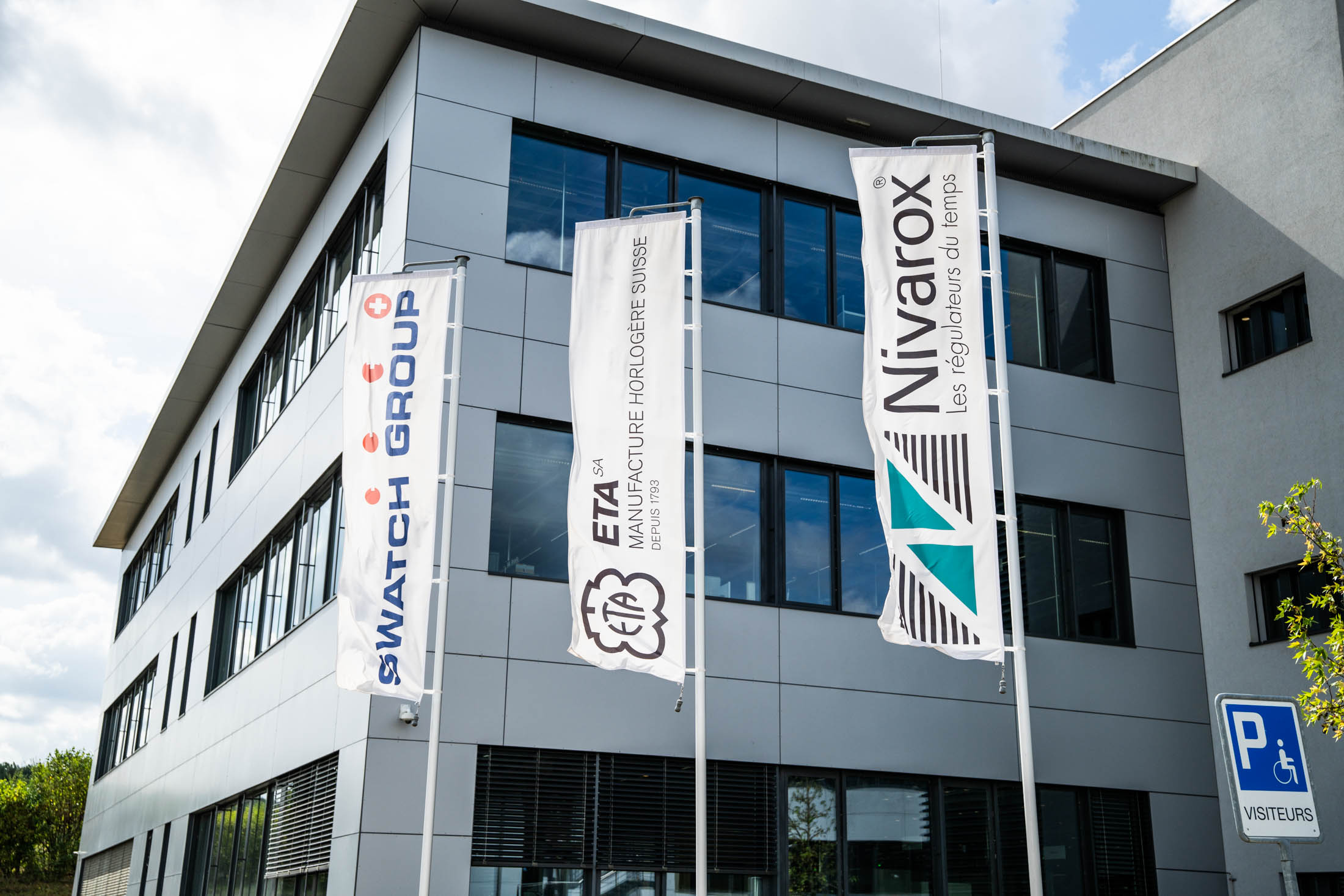
The journey began, as before, with a tour of the Swatch Museum, a place described as one of the most enjoyable watch museum experiences available, and a stop at the unique Swatch Drive-Through shop, conveniently located near Swatch headquarters. However, the core of the expedition lay in revisiting the factory sites nestled within the Swiss countryside, now with the specific objective of understanding the production of the "Royal Pop" and its potential impact on manufacturing.

Revisiting the Sistem51 Factory: Evolution of an Industrial Marvel
The first stop was the Sistem51 factory in Boncourt, designated as W35 by ETA, the manufacturing arm of Swatch Group. This facility, renowned for its fully automated, laser-assembled mechanical movements, presented a familiar yet evolving picture. The core processes observed during the previous visit, focused on the production of automatic Sistem51 calibers, remained largely consistent. These movements, characterized by their fifty components, robust construction, and accessible price point, have been a cornerstone of Swatch’s innovative strategy since their introduction.
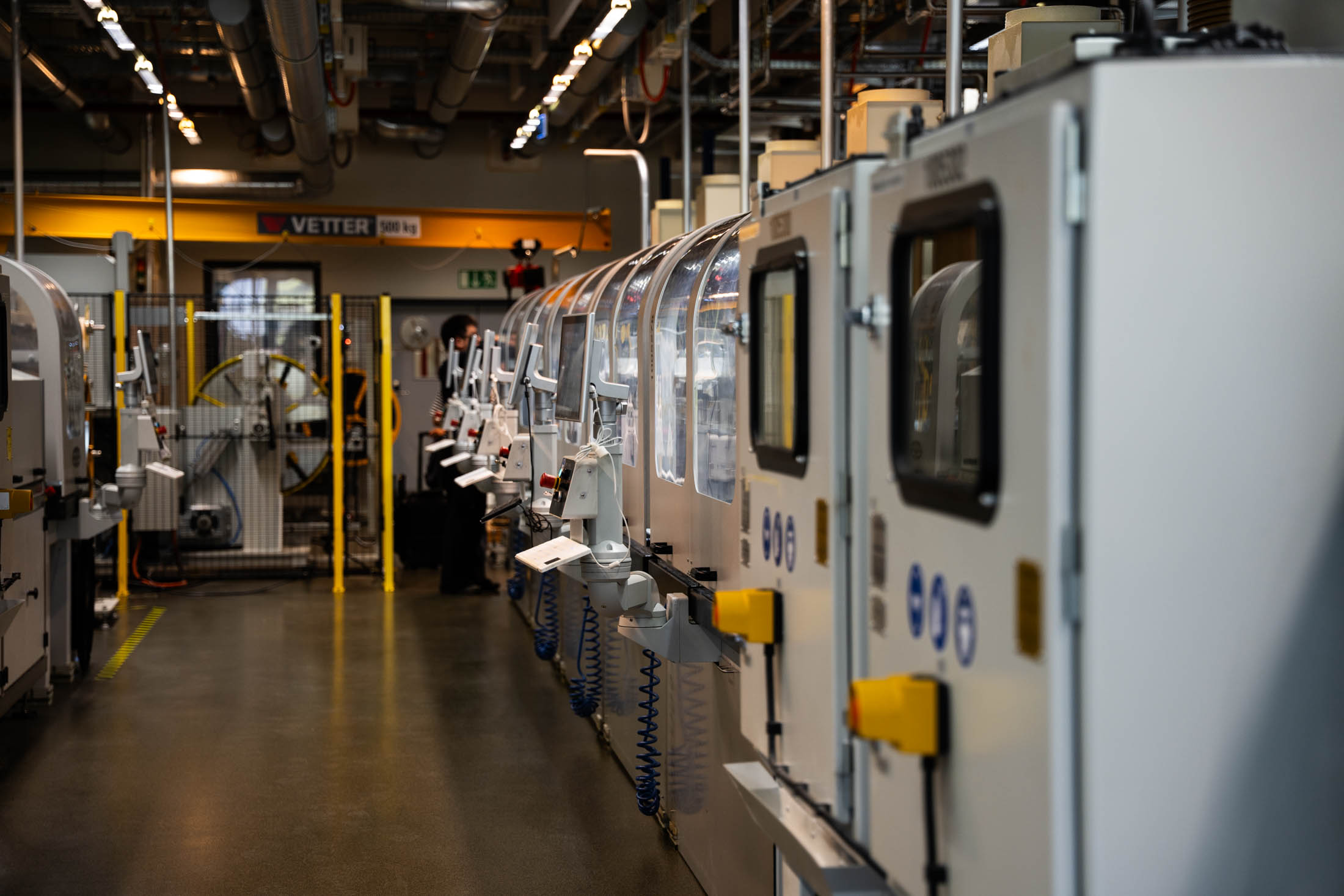
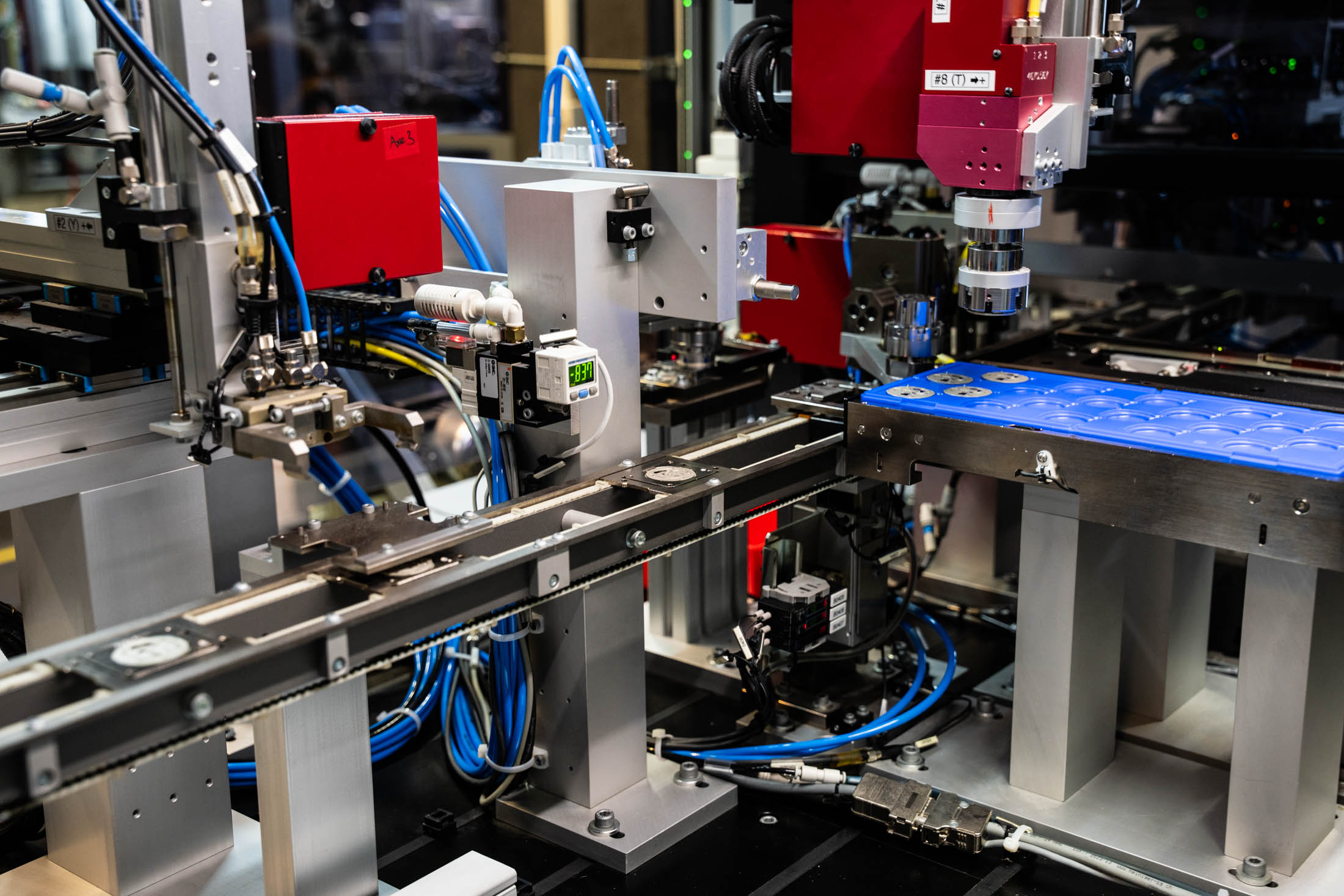
The factory floor buzzed with the quiet efficiency of automated assembly lines. Robotic arms meticulously placed components, while lasers performed precise welding and adjustments, creating a symphony of controlled movement and technological advancement. The previous visit had captured the production of the Fifty Fathoms-themed automatic Sistem51 calibers, a testament to Swatch’s ability to blend accessible technology with iconic design. This report, however, aimed to explore the adaptation of these lines to accommodate new calibers, specifically those designed for the "Royal Pop" collection.
The New Manually Wound Calibers for the Royal Pop
A significant development observed was the introduction of new manually wound calibers for the "Royal Pop" watches. This transition was not a simple matter of omitting a rotor. The production team at ETA explained that two distinct manually wound Sistem51 calibers have been developed:
- Caliber 1: This caliber features a small-seconds subdial and a crown positioned at 3 o’clock. It powers two of the "Royal Pop" colorways: the vibrant blue Lan Ba and the multi-colored OTG ROZ.
- Caliber 2: A simpler two-hand configuration with the crown at 12 o’clock, this caliber is utilized for the remaining color variants of the collection.
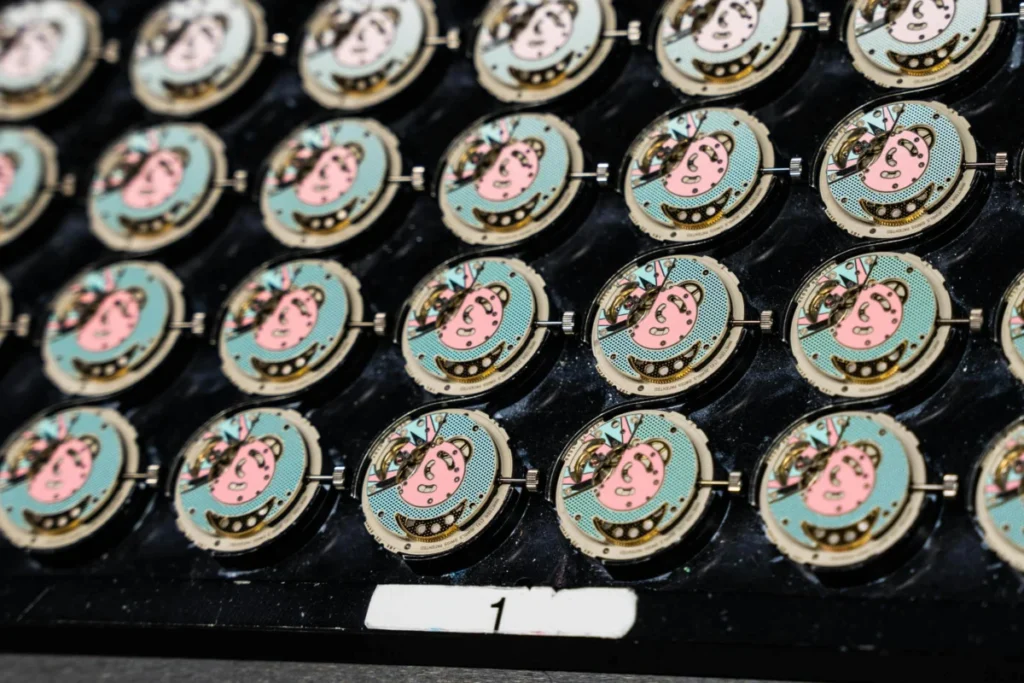
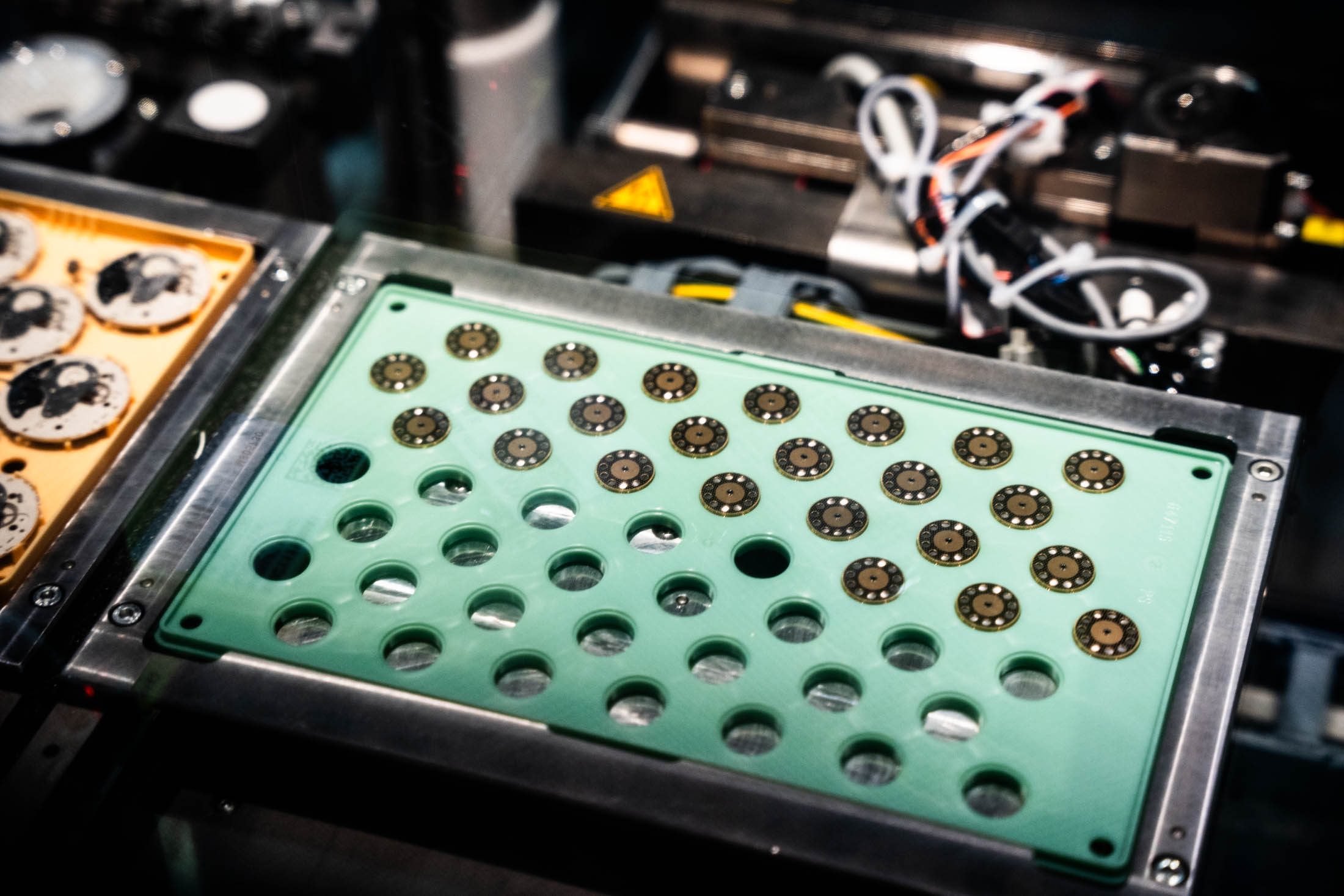
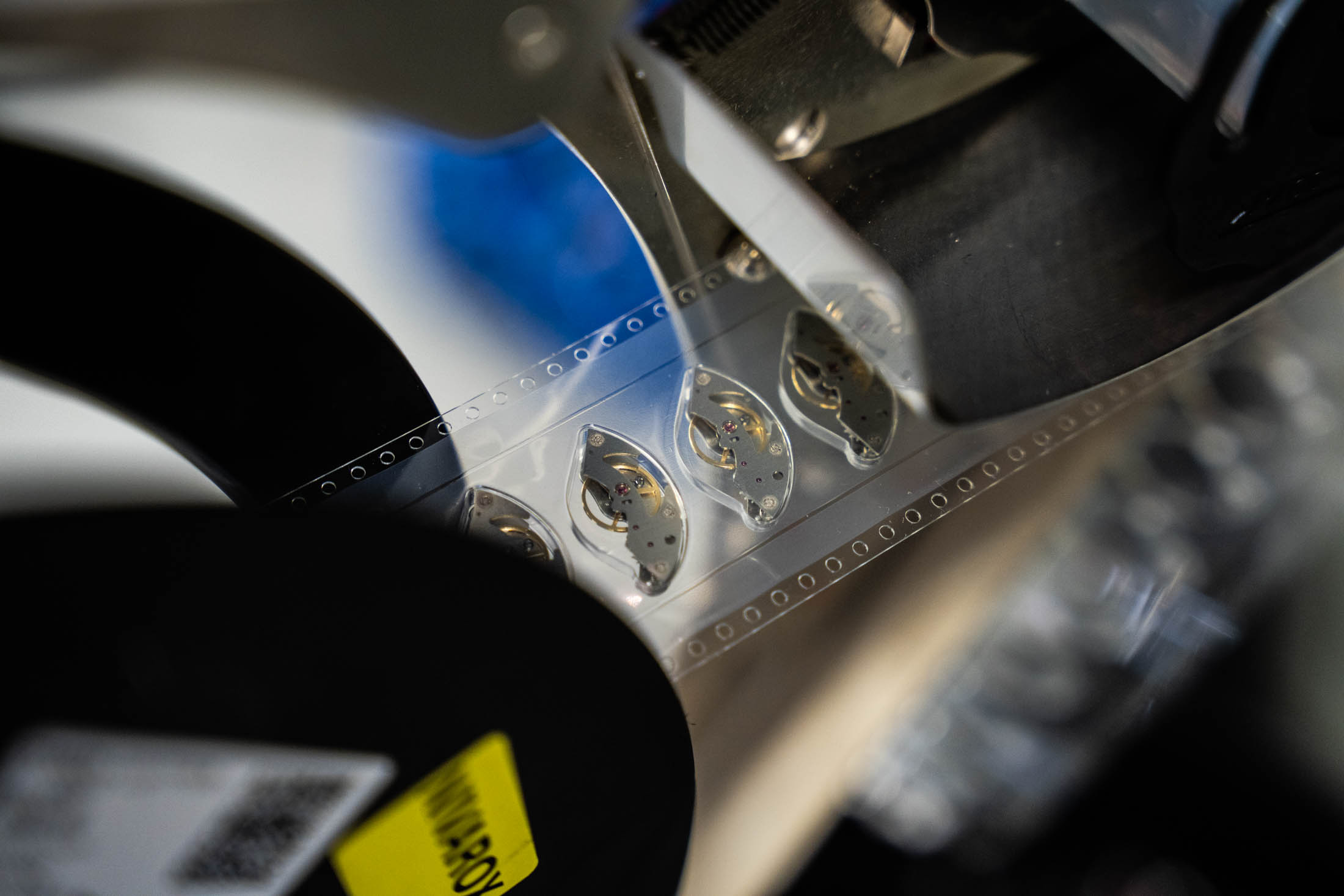
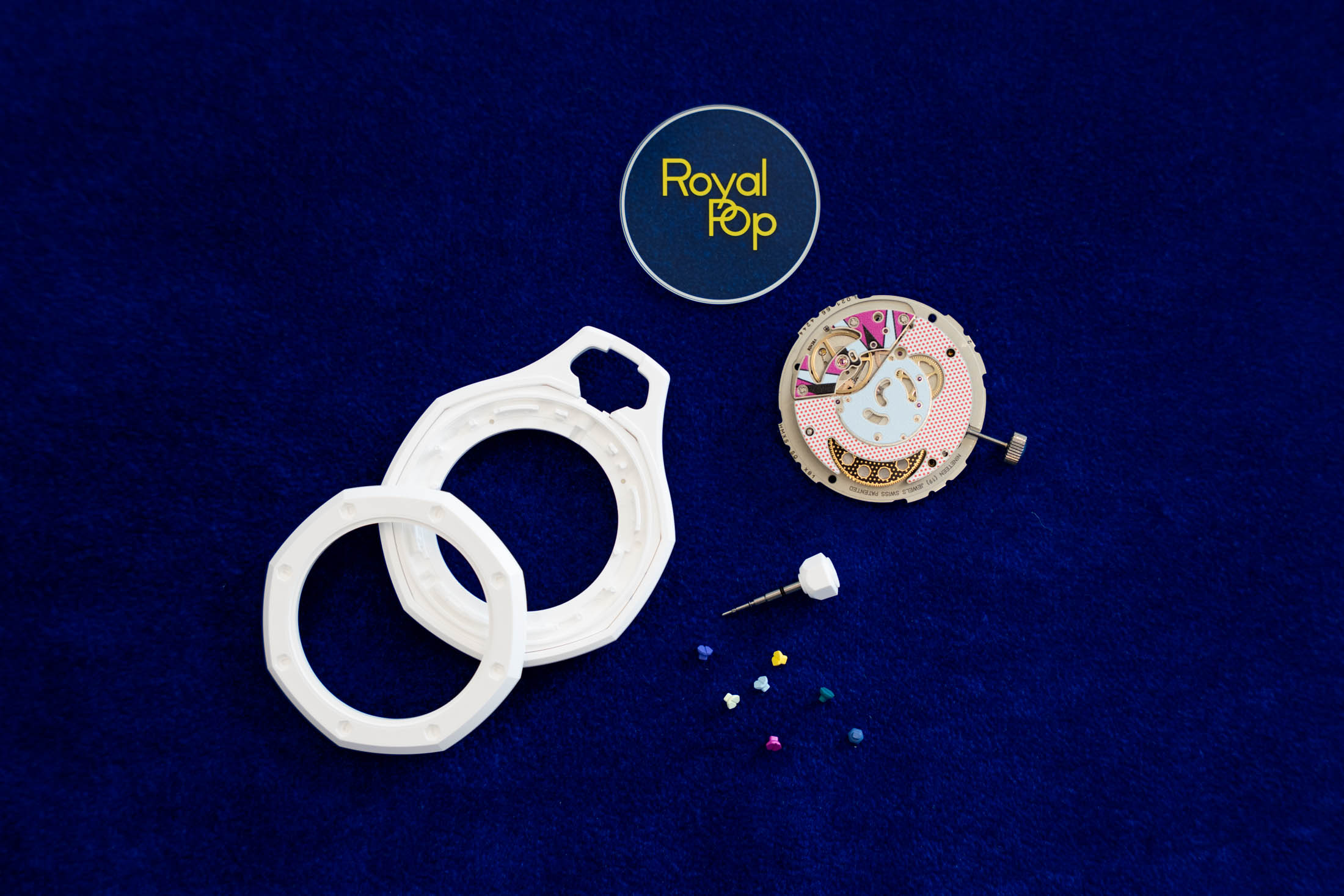
The internal modifications to these calibers, involving approximately 15 new patents, are largely concealed. However, a visually striking innovation is the new skeletonized barrel design. The exposed mainspring, visible through decorative holes in the barrel cover, is enhanced by UV-printed embellishments applied before assembly. These covers, adorned with Ben-Day dots prior to their integration into the movement, provide a captivating visual contrast to the typically utilitarian components found on other assembly trays. This detail underscores Swatch’s commitment to aesthetic appeal, even in the most industrial of processes.
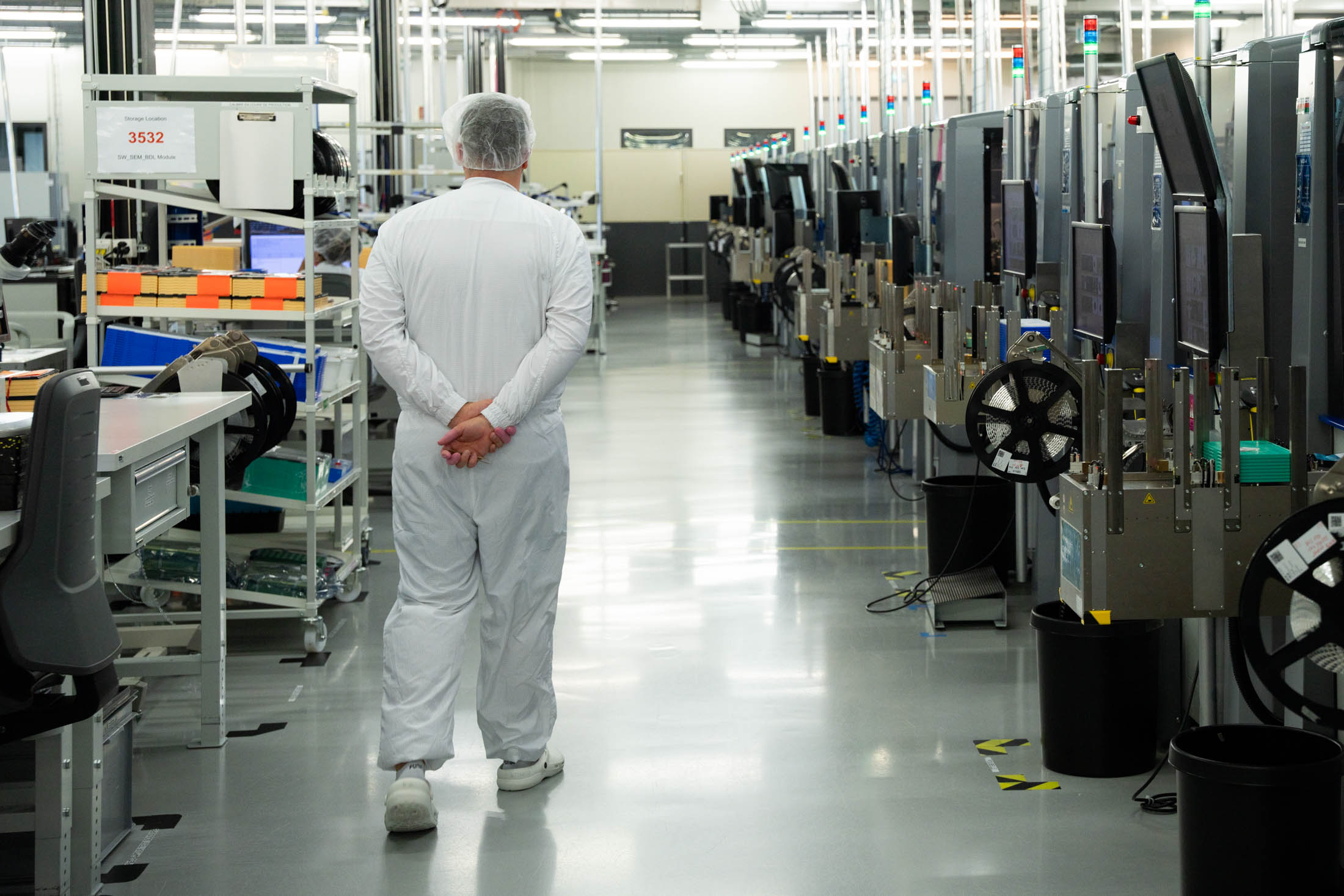
Crucially, no new machinery was installed to bolster capacity for the Sistem51 movements, despite the addition of these two new variants and the anticipated demand for the "Royal Pop." Instead, the factory operates on a highly adaptable system where all movement variations are processed through the same production lines. A specific program is entered for each batch, enabling the machinery to seamlessly switch between producing different caliber types. This flexibility is a hallmark of Swatch’s manufacturing philosophy, allowing for efficient adaptation to evolving product lines without significant capital investment in dedicated new equipment.
The Art of UV Printing: Bringing Color to the Movement
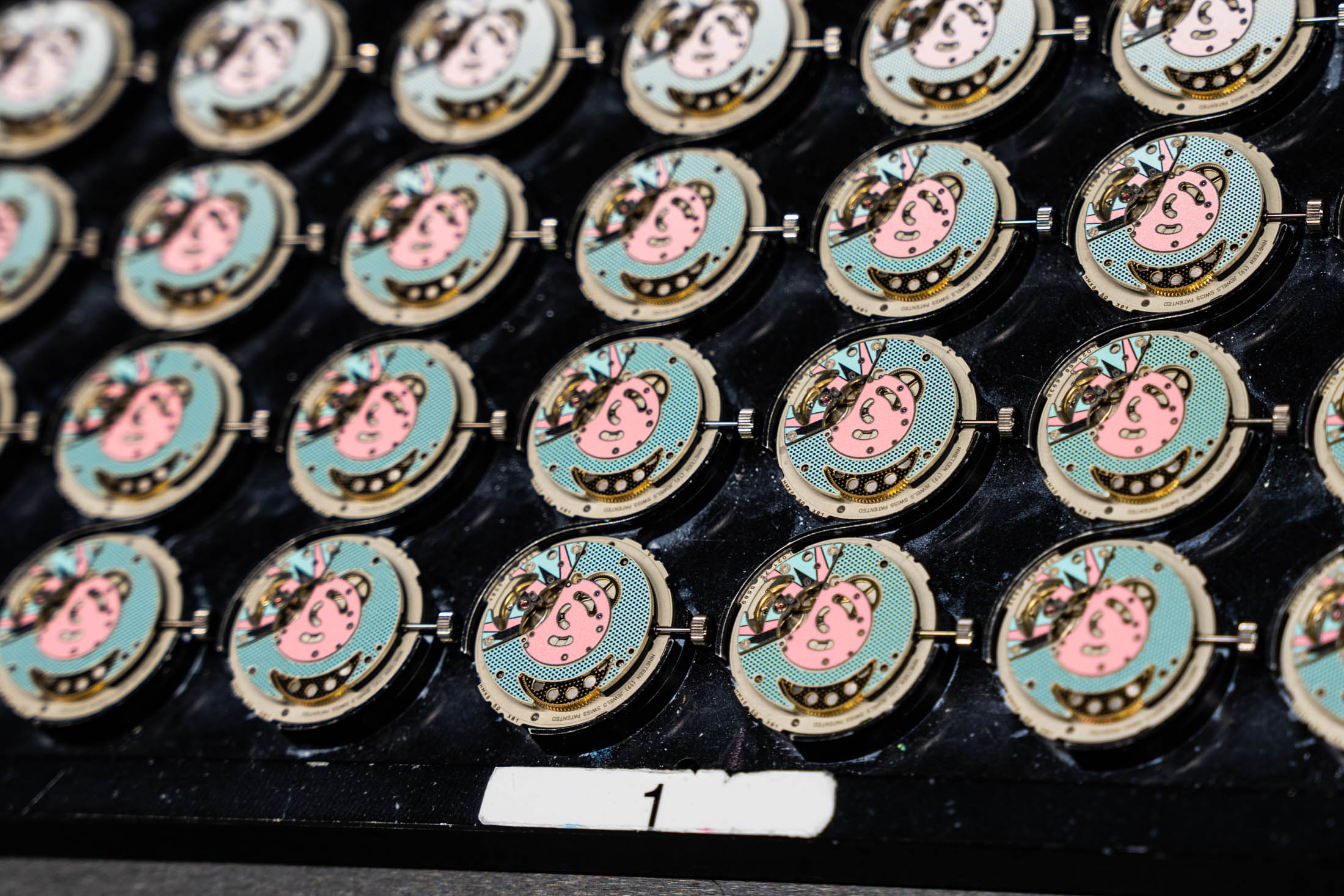
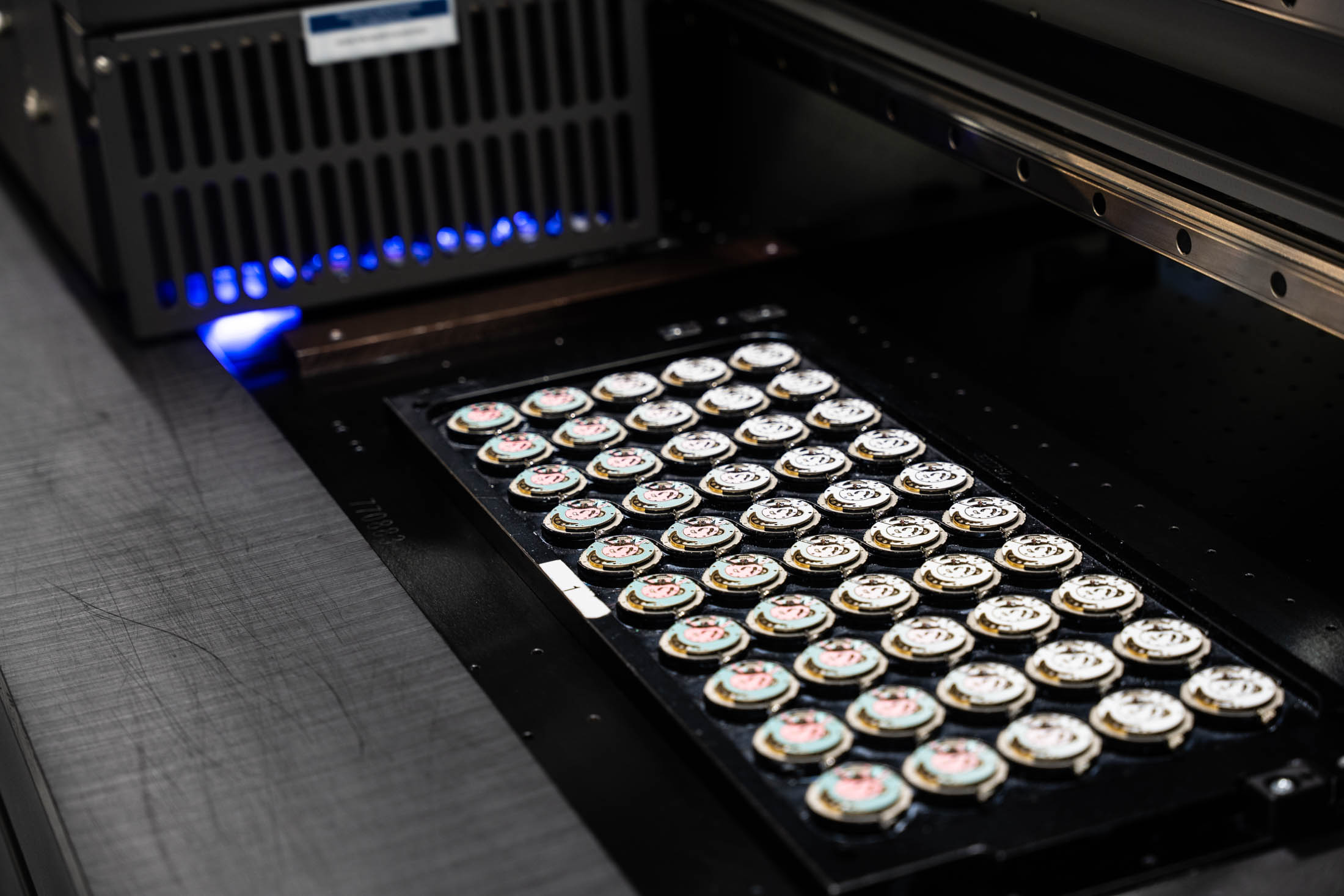
A particularly novel aspect of the "Royal Pop" caliber production was the application of vibrant, pop-art inspired decoration to the entire movement, visible through the sapphire caseback. This intricate decorative process is achieved through UV printing, utilizing large industrial printers capable of handling a tray of 50 movements simultaneously. The inks are applied layer by layer onto the fully assembled calibers and then cured under ultraviolet light.
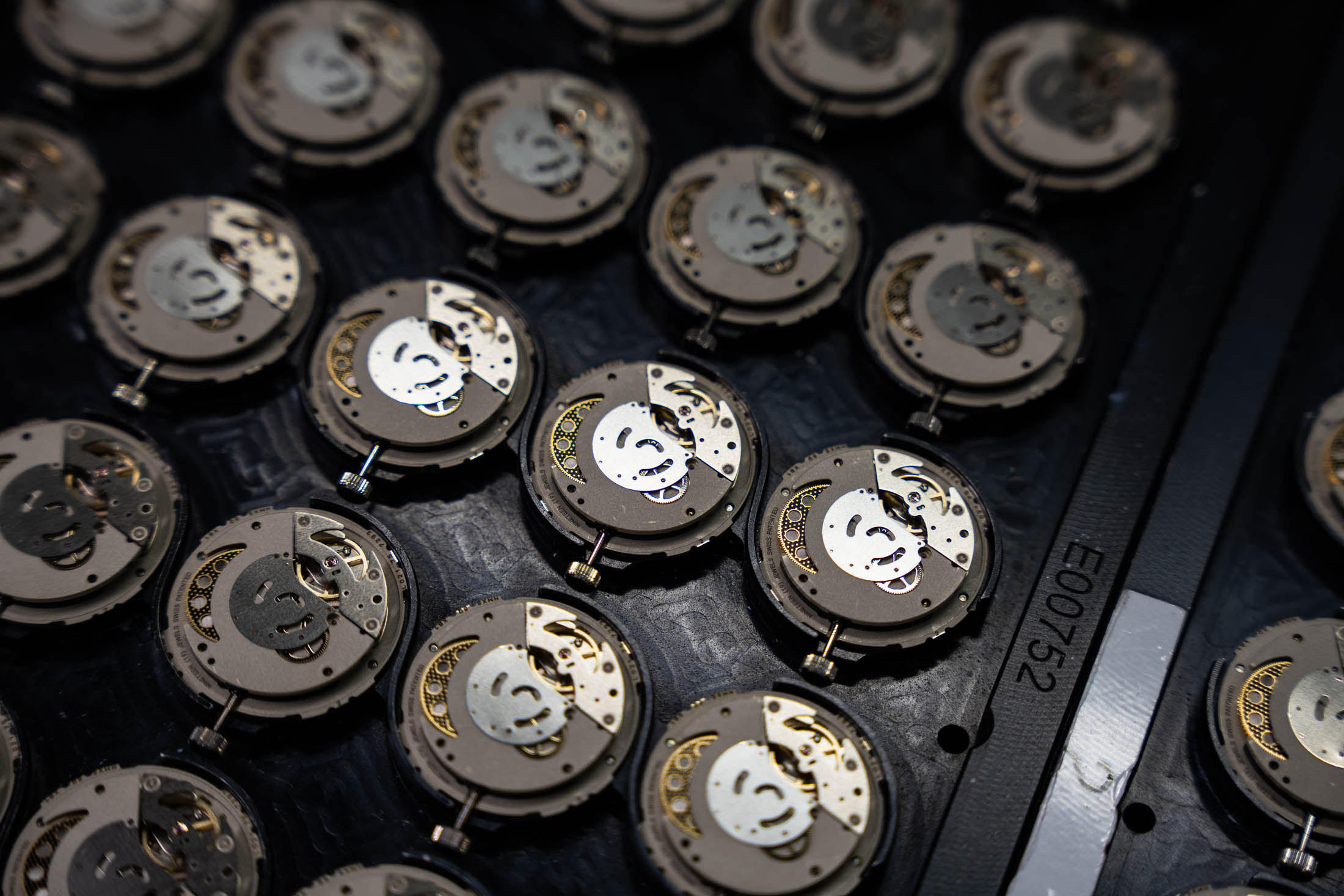
The printing process itself is a fascinating spectacle. It begins with a priming coat of white ink, followed by successive passes of color. The printer head moves back and forth, gradually bringing the ultra-saturated artwork to life. This method, reminiscent of watching a Polaroid photograph develop, allows for the precise application of different colors and finishes to specific segments of the movement. The result is a visually stunning and playful aesthetic that perfectly embodies the Swatch spirit. The contrast between the raw, unprinted movements and their fully decorated counterparts is dramatic, showcasing the transformative power of this advanced printing technology.
The Bioceramic Site in Grenchen: Crafting the Future of Materials
The second major stop on the tour was ETA’s W18 facility in Grenchen. This site plays a pivotal role in producing many of the external components for Swatch watches, focusing on the innovative Bioceramic composite material and precision injection molding. Unlike the Boncourt facility, which is dedicated to mechanical movements, Grenchen’s operations are more diversified, encompassing the creation of cases, crystals, and dials.
Bioceramic Production: A Blend of Science and Sustainability
The first floor of the Grenchen facility is dedicated to the production of Swatch’s proprietary Bioceramic composite. This material, defined by Swatch as a fusion of two-thirds zirconium oxide ceramic powder and one-third bio-sourced material derived from castor oil, represents a significant step towards sustainable material innovation in watchmaking.
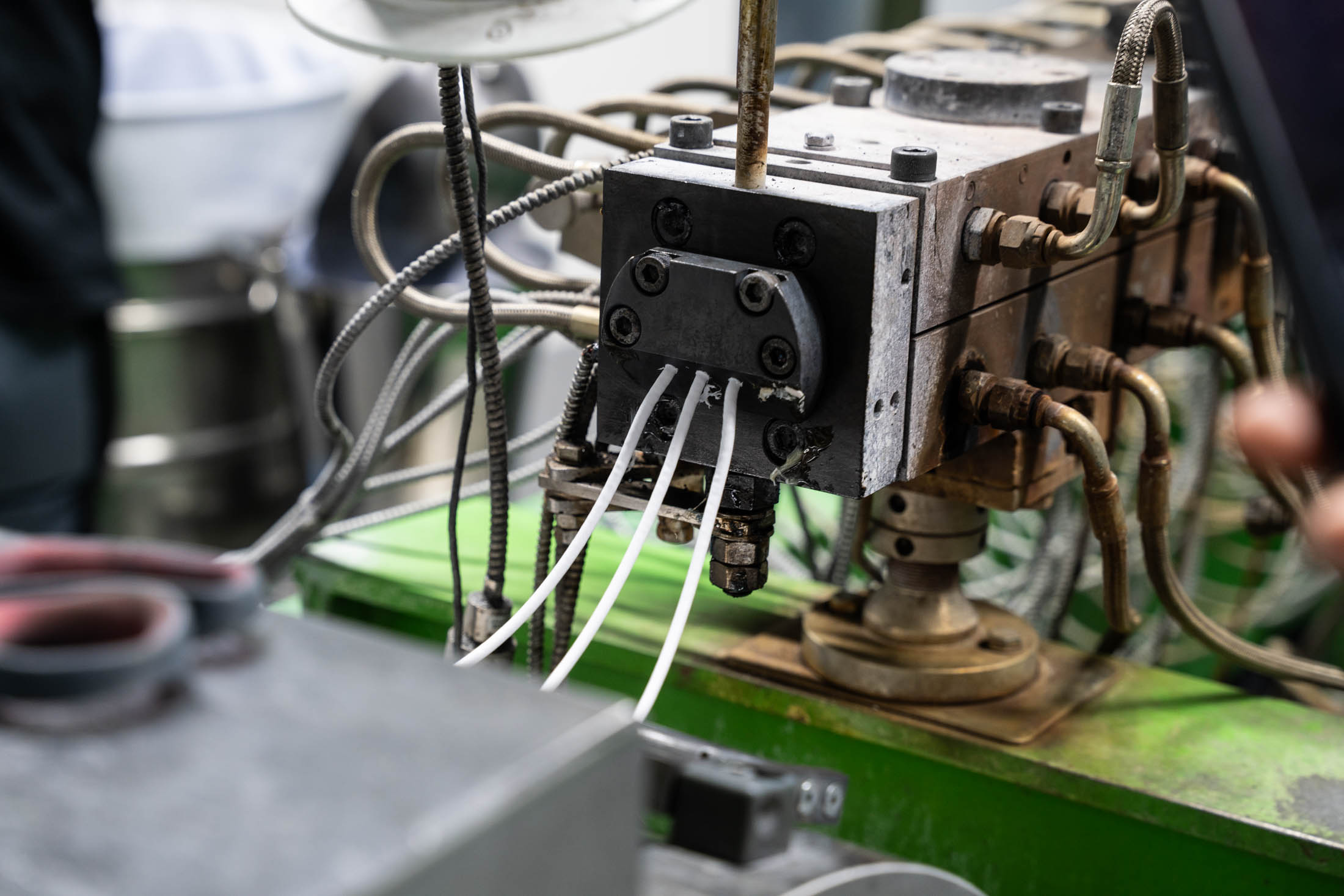
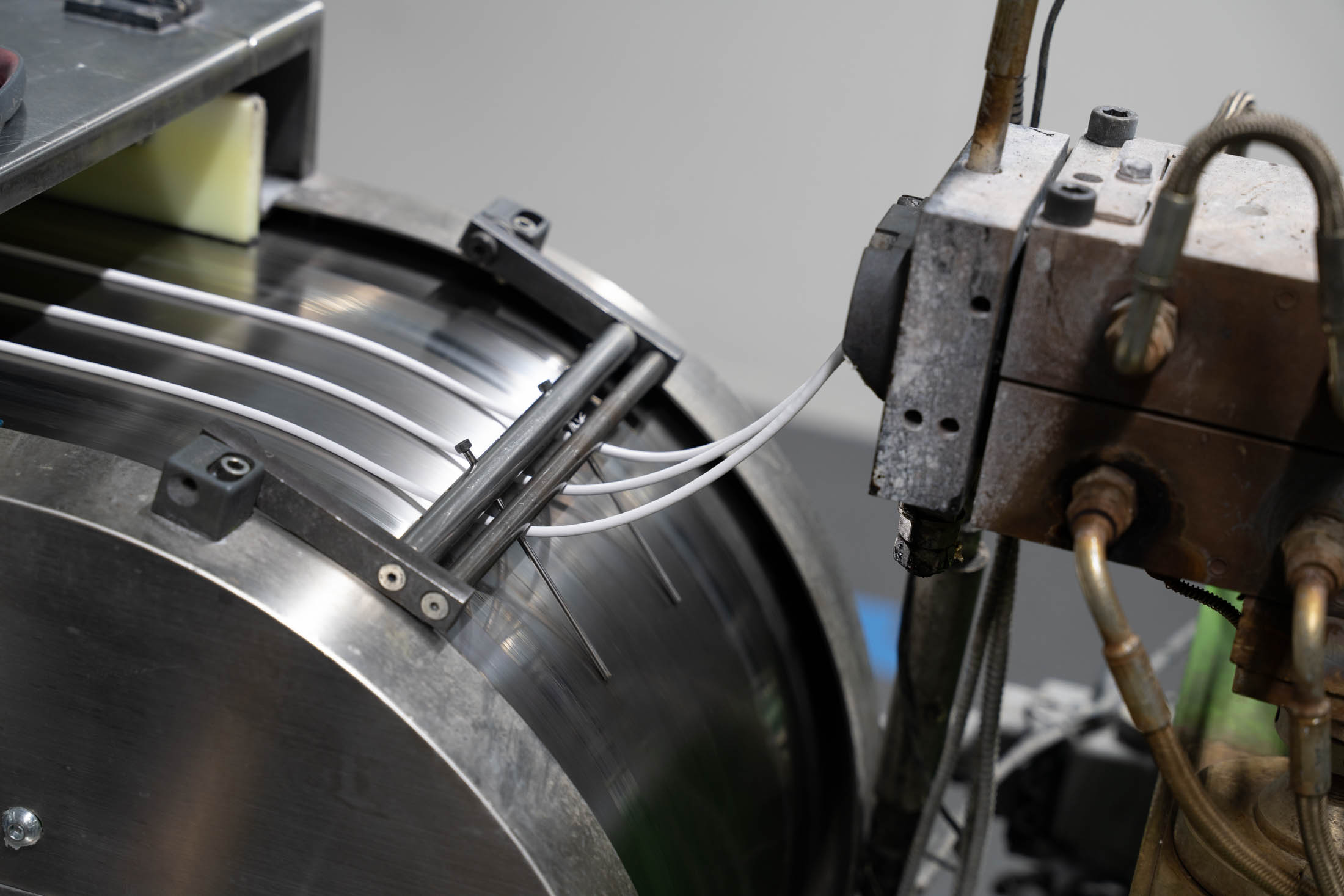
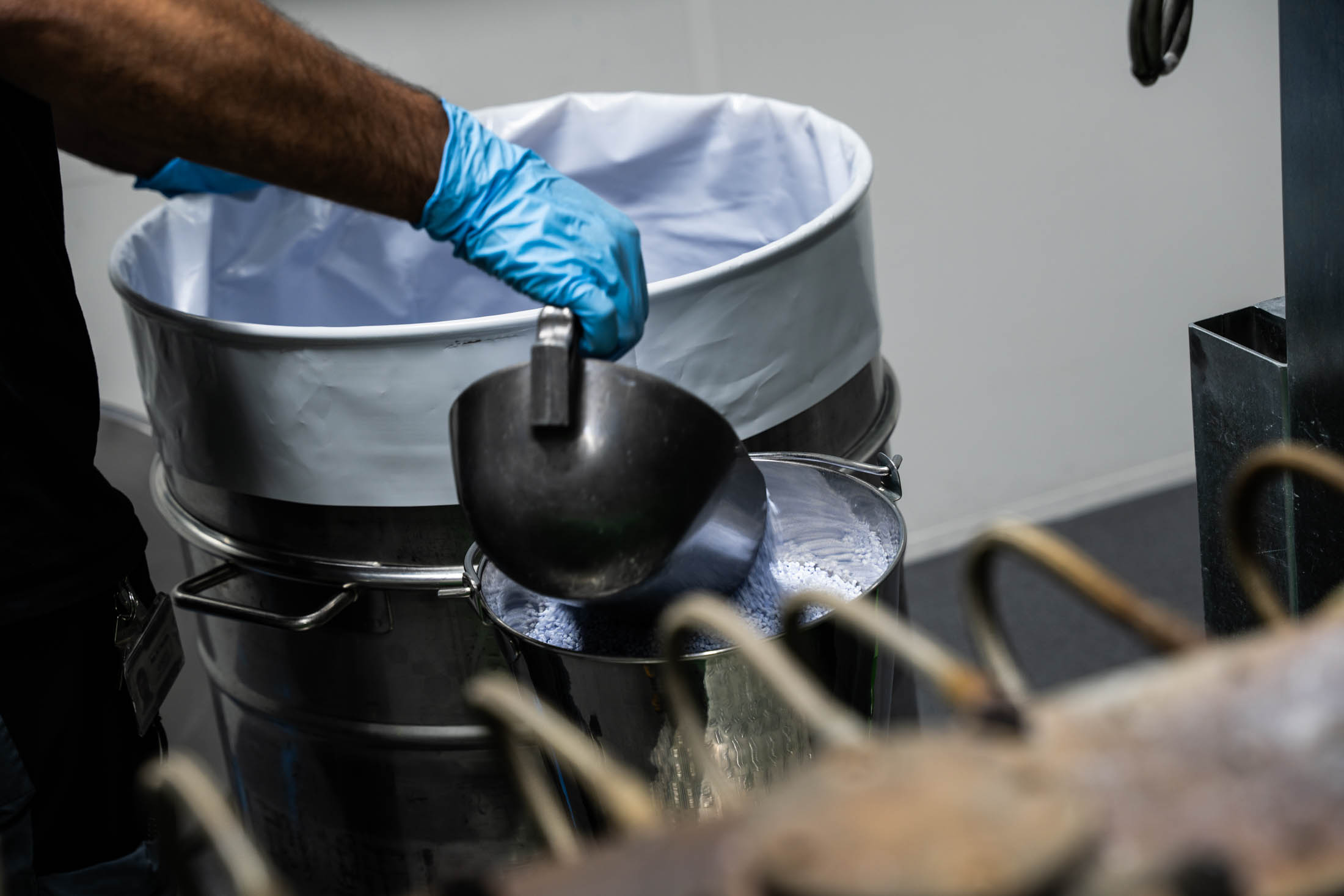
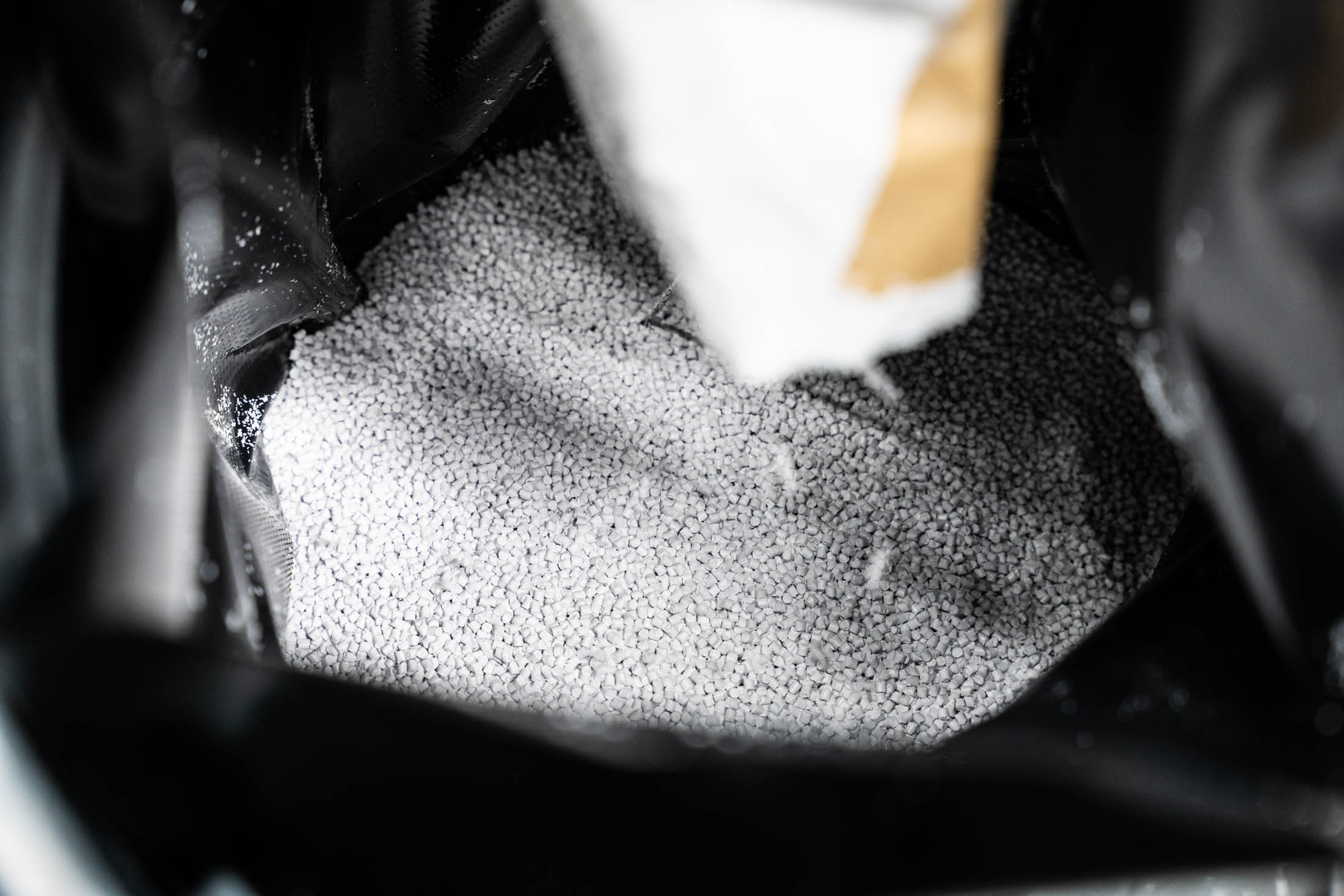
The process begins in a series of rooms where pelletizer machines prepare the final Bioceramic pellets. In a central mixing area, employees add the components of the blend—ceramic powder, bio-sourced material, and pigments—to a hopper. This mixture is then fed into a double-screw mixer that heats and homogenizes the elements. The resultant composite is then extruded into long, noodle-like strands, which are subsequently cooled and broken down into pellets. These pellets serve as the raw material for a wide range of watch components.
While the production of the white Bioceramic composite might appear less visually stimulating, the smaller-scale setups in this area are crucial for rapid prototyping and color development. This agility allows Swatch to quickly introduce new shades of Bioceramic for future releases, even within accelerated development timelines. Intriguingly, the facility was working on a new, undisclosed color for an upcoming release, hinting at the continuous innovation driving the brand.
Precision Injection Molding: Shaping Iconic Designs
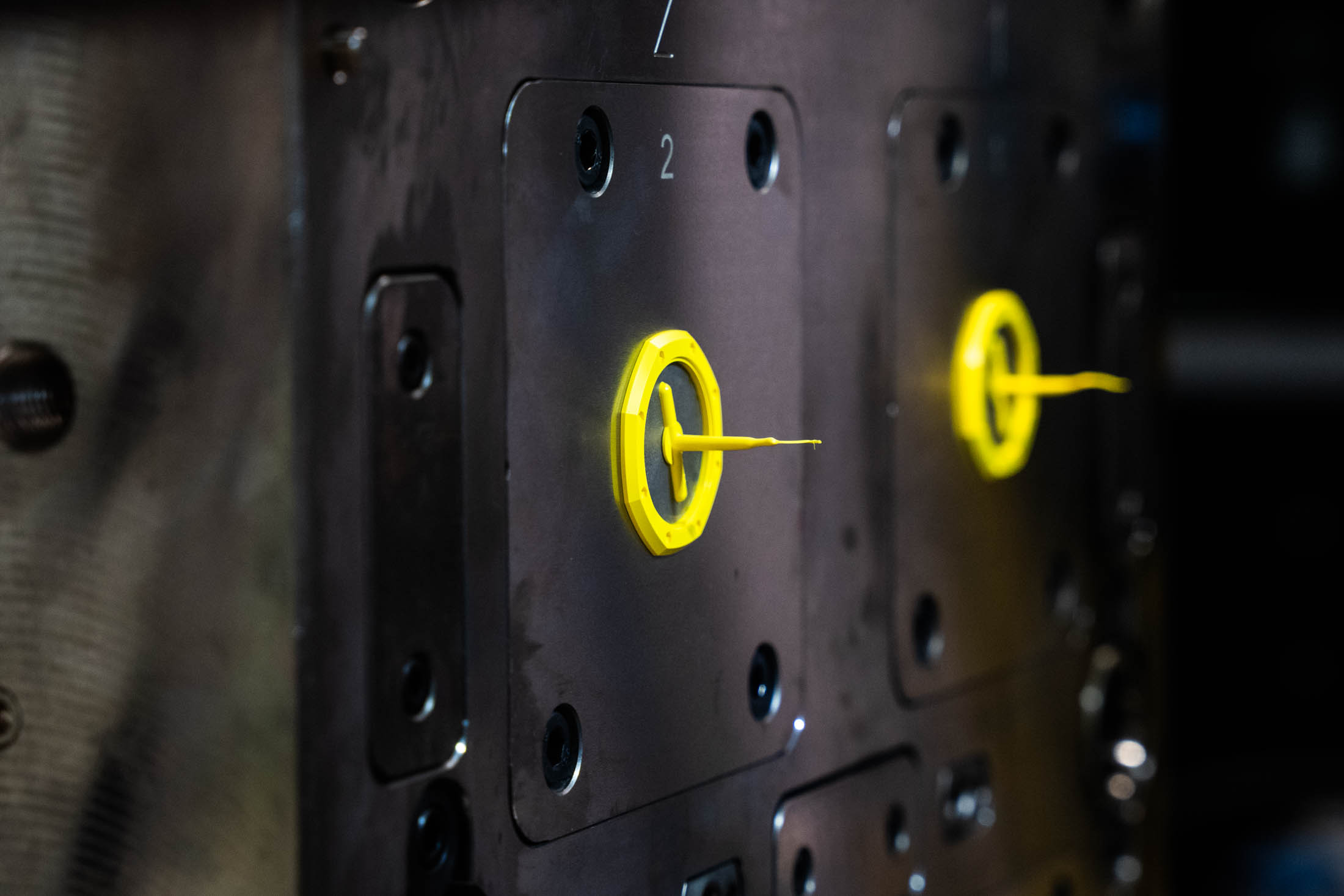
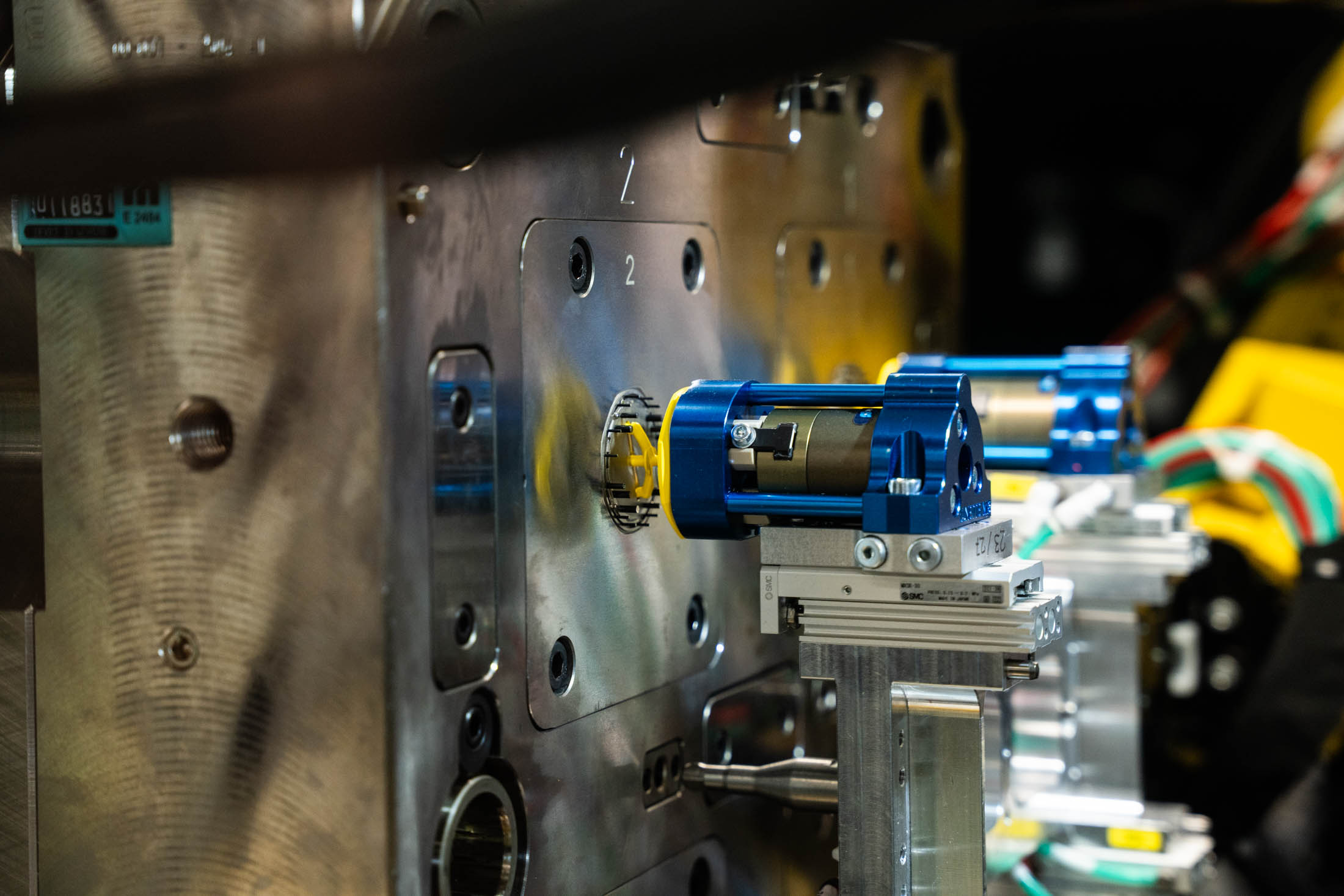
The Grenchen facility also houses sophisticated injection molding machinery, responsible for crafting the cases, bezels, and plastic crystals for many Swatch models. The process, a standard in industrial manufacturing, involves injecting heated liquid material into precision molds. Upon cooling, the finished components are ejected and prepared for subsequent assembly.
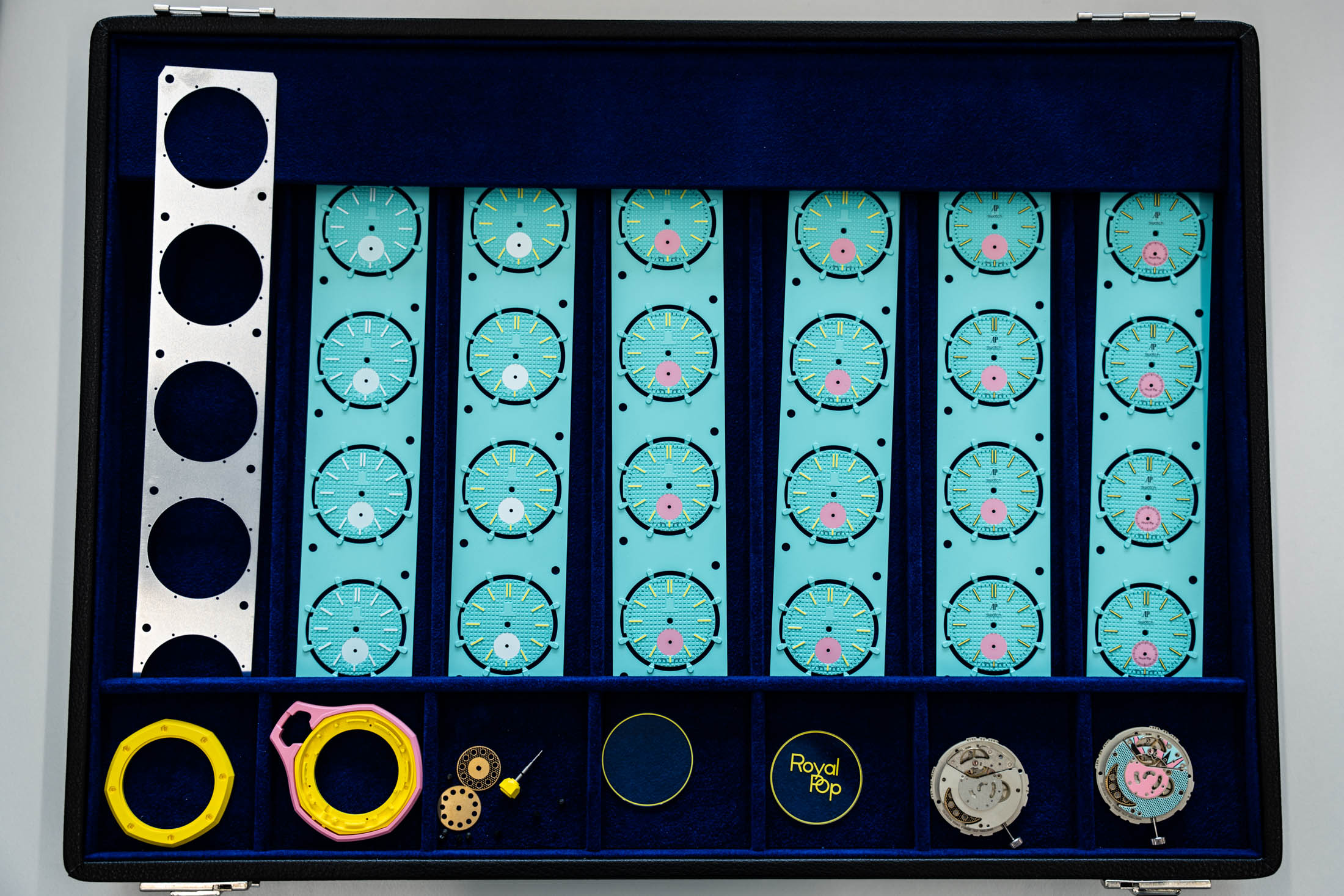
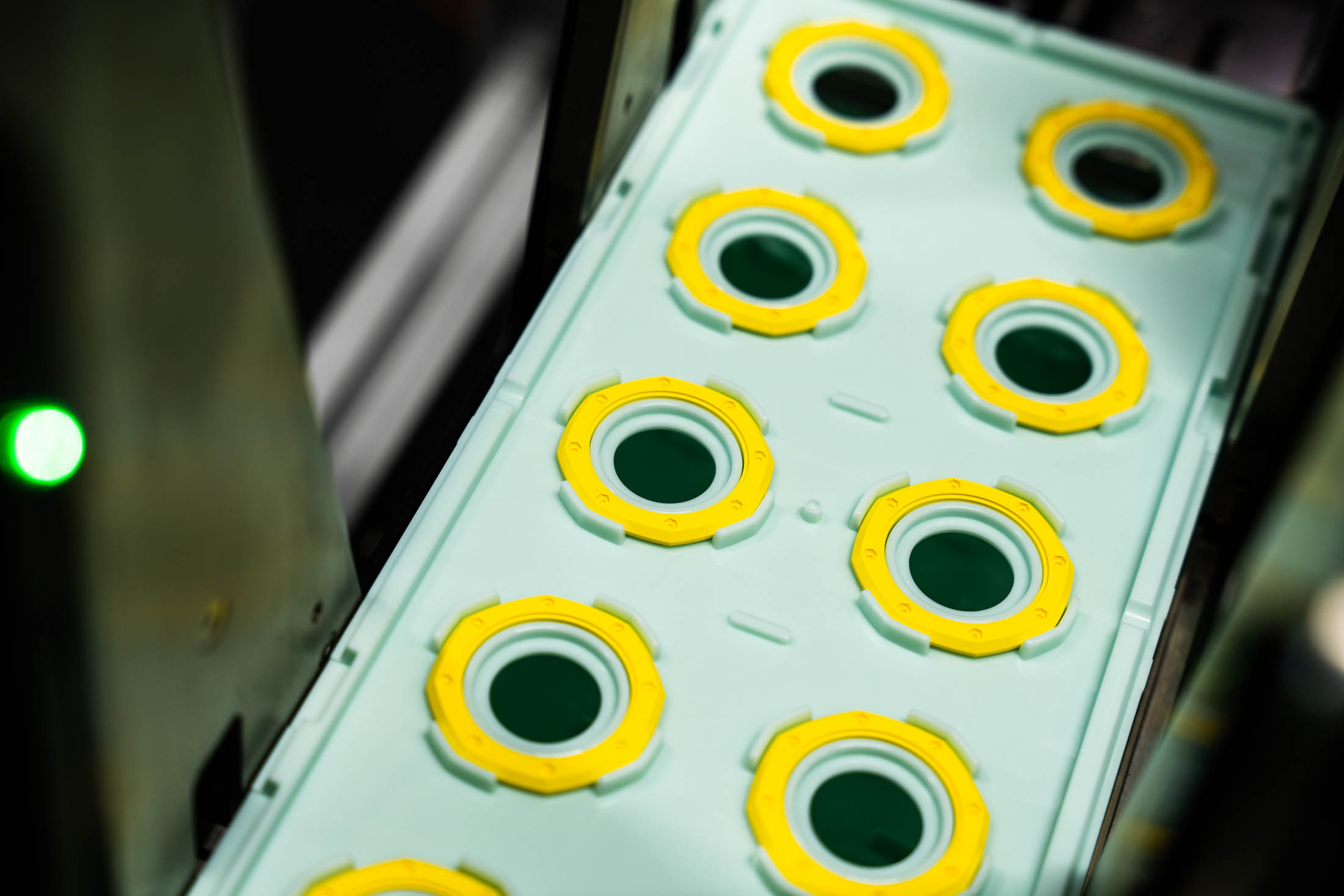
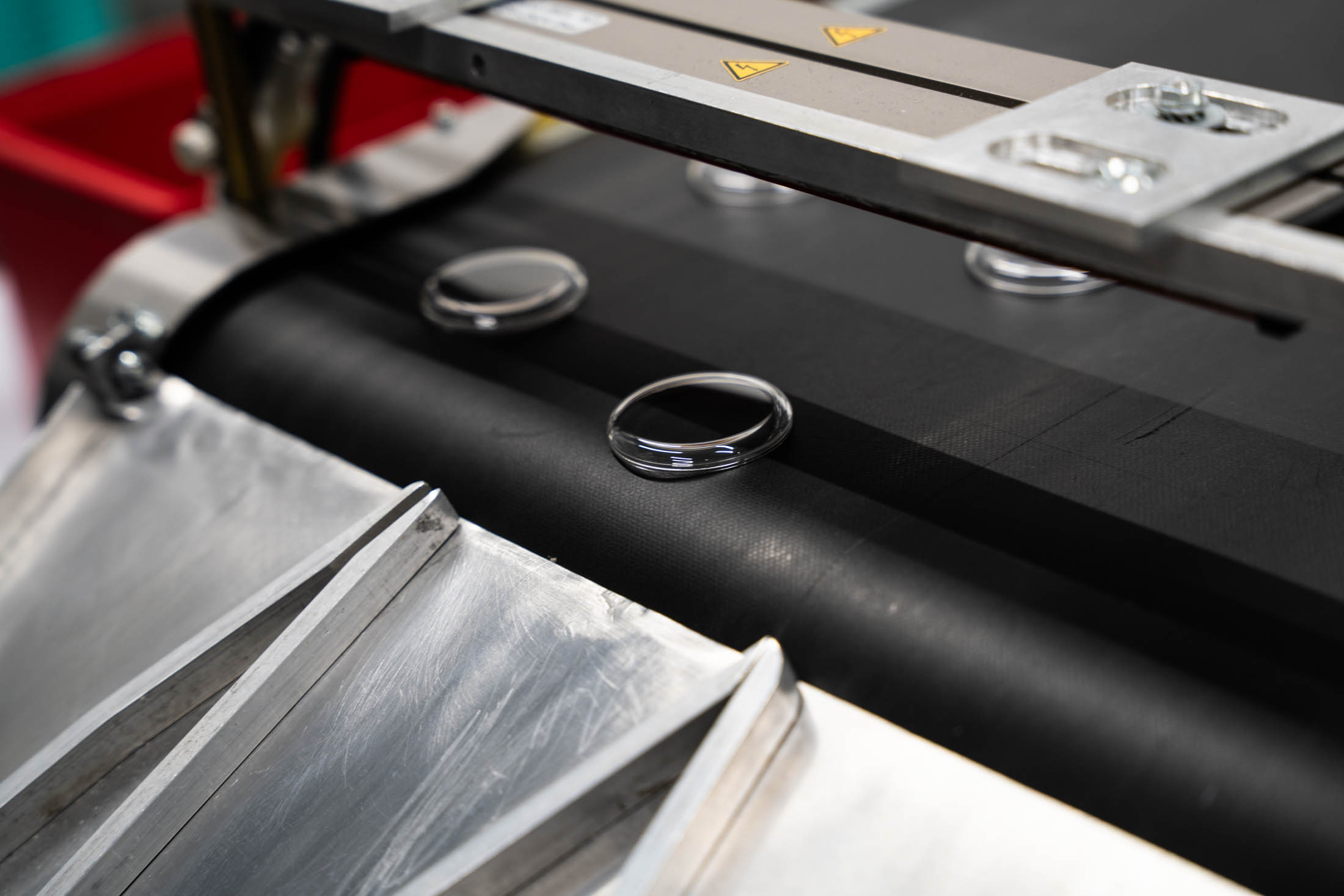
A particularly captivating sight was the production of the iconic octagonal bezel for the "Royal Pop" collection. Witnessing these instantly recognizable shapes emerge in vibrant colors like yellow from the injection molding machines underscored the fusion of design and industrial capability. The facility also produces plastic crystals, which undergo rigorous optical inspection via a lightbox and conveyor system to ensure flawless quality before being vacuum-sealed onto trays. This meticulous quality control, a common thread across both the Sistem51 and Bioceramic facilities, highlights Swatch’s commitment to delivering reliable and aesthetically pleasing products.
The Artistry of Dial Making
The dial-making process at Grenchen is equally impressive, serving as the production hub for the dials of all three major Swatch collaboration projects: "Royal Pop," "MoonSwatch," and "Scuba Fifty Fathoms." Swatch employs a diverse range of techniques, including lacquer painting, UV printing, pad printing, and injection molding, to achieve the distinctive aesthetics of these dials.
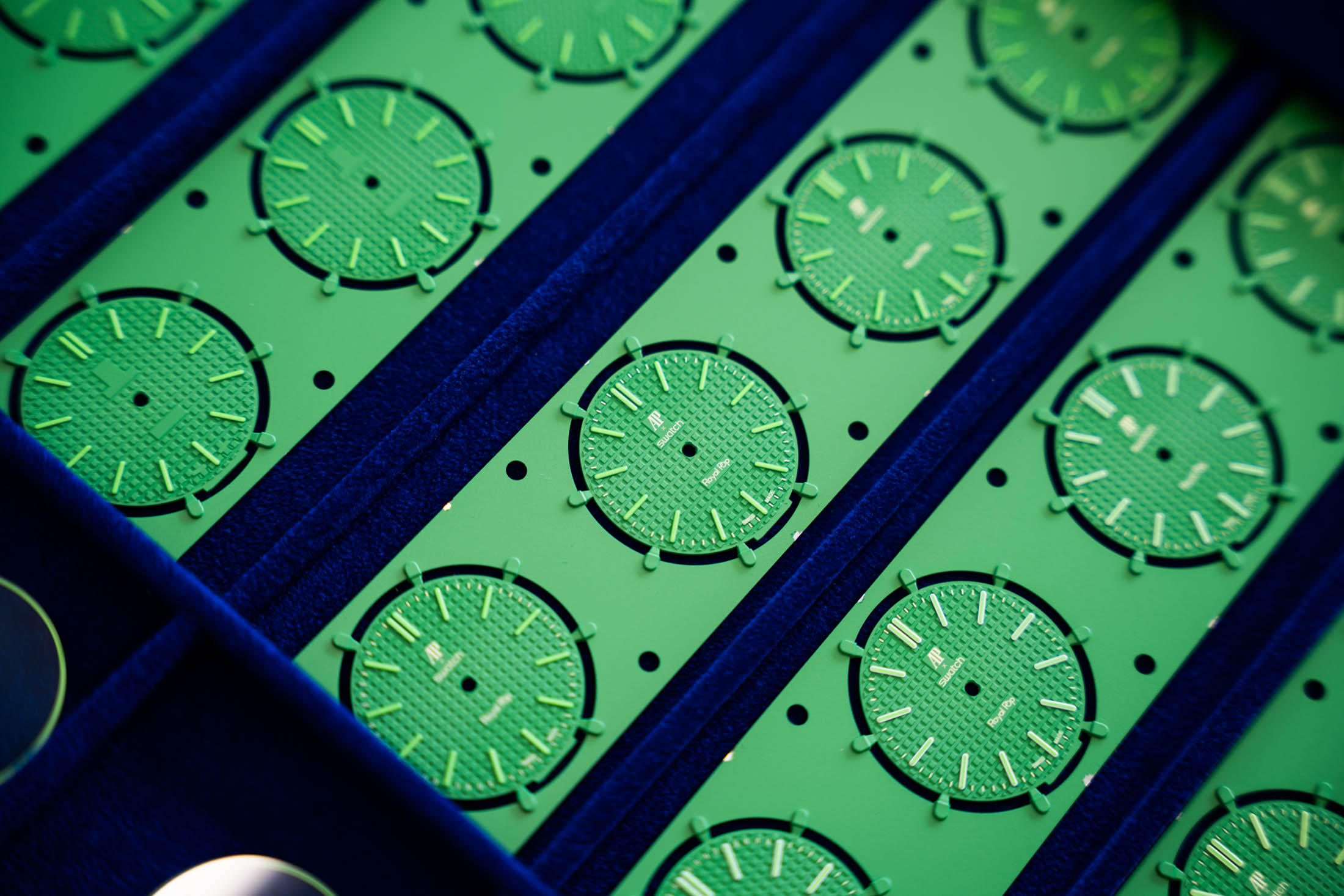
For the "Royal Pop" collection, the dials are injection-molded onto metal support frames, utilizing Bioceramic material. These dials are then meticulously finished with multiple coats of lacquer paint. The intricate petite tapisserie pattern, reminiscent of traditional haute horlogerie, is achieved through advanced molding techniques. The process of creating the negative mold for these dials was described as "mind-blowing," illustrating the sophisticated engineering behind their seemingly simple appearance.
The "MoonSwatch" and "Scuba Fifty Fathoms" collaborations utilize metal dials, produced through various printing and finishing techniques. During the visit, dials for the "Mission to the Sun" and "Mission to Earthphase" MoonSwatch models were observed, showcasing the vibrant colors and detailed finishes that have captivated watch enthusiasts worldwide.
The Final Assembly and the Swatch Ethos
While the specific location for the final assembly of the "Royal Pop" collection remains undisclosed, it is understood to be an ETA facility in southern Switzerland. This is where the meticulously crafted Sistem51 movements and the precisely manufactured external components converge.
The "Royal Pop" collection notably features sapphire crystals on both the front and back, a departure from the plastic crystals used in some other Swatch models. These sapphire components are sourced from a specialized supplier. The sapphire casebacks are then adorned with the "Royal Pop" logo through pad printing, a process observed on a carousel of specialized machines.
A curious detail about the "Royal Pop" bezel installation, particularly the Huit Blanc model with its rainbow screw colors, was addressed. While many assumed this would lead to repeating screw patterns, it was revealed that the randomness is algorithmically controlled, preventing such occurrences and maintaining a degree of controlled variation. This detail, while minor, speaks to the meticulous planning and execution behind Swatch’s creative endeavors.
Conclusion: A Testament to Industrial Ingenuity
The return visit to Swatch’s manufacturing facilities offers a profound appreciation for the company’s dedication to industrial innovation and its ability to translate ambitious design concepts into mass-produced realities. From the automated precision of the Sistem51 factory to the material science and molding expertise at the Bioceramic site, Swatch demonstrates a mastery of modern manufacturing. The success of collaborations like the "Royal Pop" is not merely a testament to clever design, but to the sophisticated infrastructure and forward-thinking approach that underpins every brightly colored, lighthearted timepiece that emerges from their factories. In an era where the value of traditional craftsmanship is often debated, Swatch offers a compelling counterpoint: the beauty and ingenuity found in the large-scale, technically complex art of industrial production. The brand’s enduring appeal lies not just in its playful designs, but in its unwavering commitment to pushing the boundaries of what is possible in watchmaking, proving that even in the twenty-first century, there is a unique and captivating beauty in the efficiency of modern production lines crafting the watches of today.