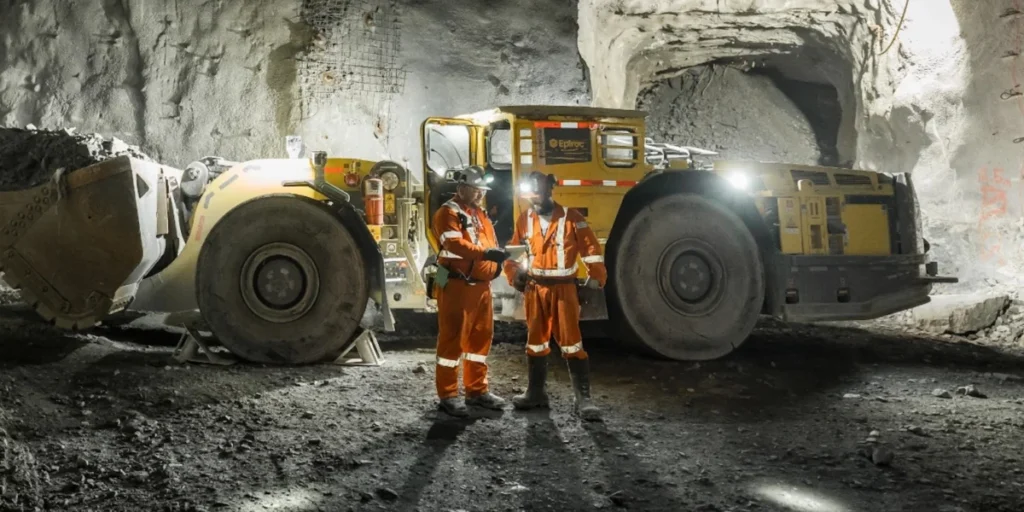
Sudbury, Ontario – Glencore Canada has achieved a pivotal milestone at its Onaping Depth project, located at the Craig Mine in Sudbury, Ontario. This significant advancement marks the first time the company has successfully accessed a new, high-grade nickel and copper orebody located approximately 8,500 feet below the surface. The project’s progress was celebrated recently with a visit from Ontario Premier Doug Ford, alongside a distinguished group of political, Indigenous, industry, and community leaders. This development is particularly noteworthy for its commitment to utilizing cutting-edge, emission-free electric equipment, positioning Glencore Canada at the forefront of sustainable mining practices and contributing to Canada’s ambitious net-zero emissions goals.
The Onaping Depth project represents a substantial investment and a strategic move by Glencore Canada to secure its long-term presence and operational capacity within the economically vital Sudbury Basin. The successful development of the shaft infrastructure has now unlocked access to a rich deposit of essential metals, crucial for the burgeoning global demand driven by the electric vehicle (EV) and clean energy sectors. The integration of battery-electric vehicles (BEVs) into this deep-level mining operation is not merely an operational upgrade but a fundamental shift in how resource extraction can be conducted with a significantly reduced environmental footprint.
A Deep Dive into the Onaping Depth Project: Milestones and Mechanization
The recent shaft development milestones are the culmination of extensive planning and engineering efforts. The Onaping Depth project is designed to tap into a significant new orebody, extending the life of mining operations in the Sudbury Basin for decades to come. The depth of this new deposit, reaching nearly 8,500 feet, presents unique operational challenges that Glencore Canada is addressing through innovative technological solutions, most notably the widespread adoption of battery-electric mining equipment.
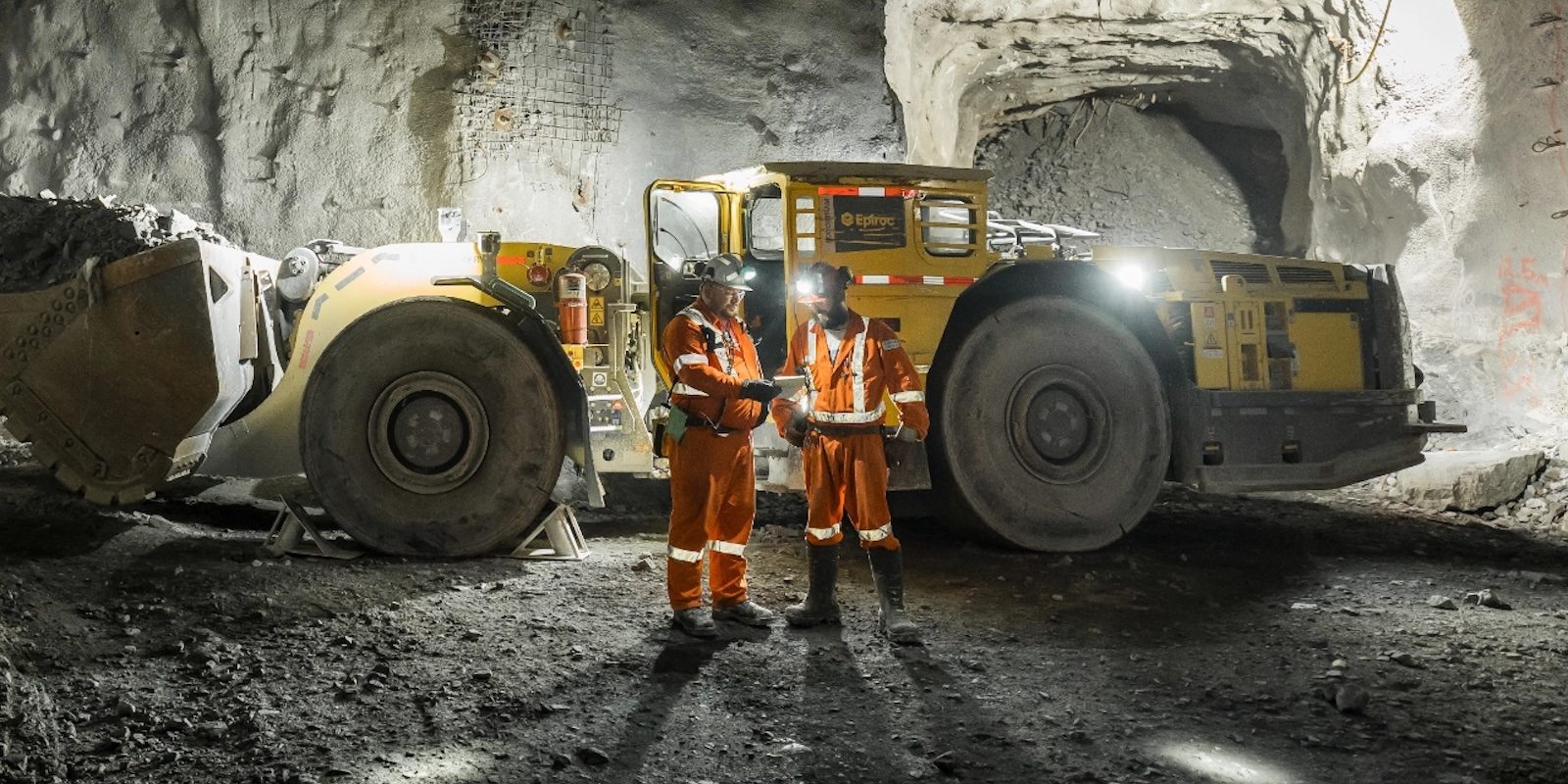
This commitment to electrification is a cornerstone of the Onaping Depth project. Glencore Canada has invested in a comprehensive fleet of 23 battery-electric machines from Epiroc, a global leader in mining and infrastructure equipment. This substantial order makes the Onaping Depth project a significant showcase for Epiroc’s advanced electric offerings and underscores Glencore’s dedication to sustainable mining. The fleet is engineered to handle virtually every aspect of the underground mining cycle, from initial ore extraction to transportation and ground support.
The deployed BEV fleet includes:
- Epiroc Scooptram ST14 SG Battery-Electric Loaders: These machines are critical for loading and efficiently transporting broken ore from the mining face to designated haulage points. Their electric powertrains ensure zero tailpipe emissions during operation.
- Epiroc Minetruck MT42 Battery Underground Haul Trucks: With a remarkable capacity of 42 tonnes, these haul trucks are designed for the arduous task of moving large volumes of ore from the mine’s deepest levels to surface processing facilities. Their battery power significantly reduces the heat and air quality challenges associated with diesel haul trucks in underground environments.
- Epiroc Boomer E2 Battery Development Drills: Essential for the initial stages of mine development, these drills are responsible for creating blast holes at the mining face, enabling access to new sections of the orebody.
- Epiroc Boltec Rock-Reinforcement Machines: Ensuring the safety and stability of underground excavations is paramount. The Boltec machines automate the process of rock bolting, reinforcing the mine’s infrastructure and mitigating geological risks.
- Epiroc Cabletec Machines: These specialized units are employed for drilling and installing cables, further enhancing ground support and mine safety.
- Epiroc Simba Production Drills: These drills are utilized for long-hole drilling, a crucial method for efficiently extracting ore from large, contiguous sections of the deposit.
The strategic deployment of this comprehensive electric fleet is not only about environmental responsibility but also about operational efficiency and cost savings.
The Environmental and Economic Imperative of Electrification
Peter Xavier, Chief Operating Officer of Glencore Canada, highlighted the multifaceted benefits of embracing battery-electric technology. "Eliminating diesel emissions means less ventilation and cooling requirements, which are traditionally among the largest energy demands in underground mining," Xavier explained. This statement points to a critical operational advantage: diesel engines generate significant heat and require extensive ventilation systems to maintain air quality and manageable temperatures. By switching to BEVs, Glencore can drastically reduce these energy-intensive ancillary systems, leading to substantial energy savings and lower operational costs.
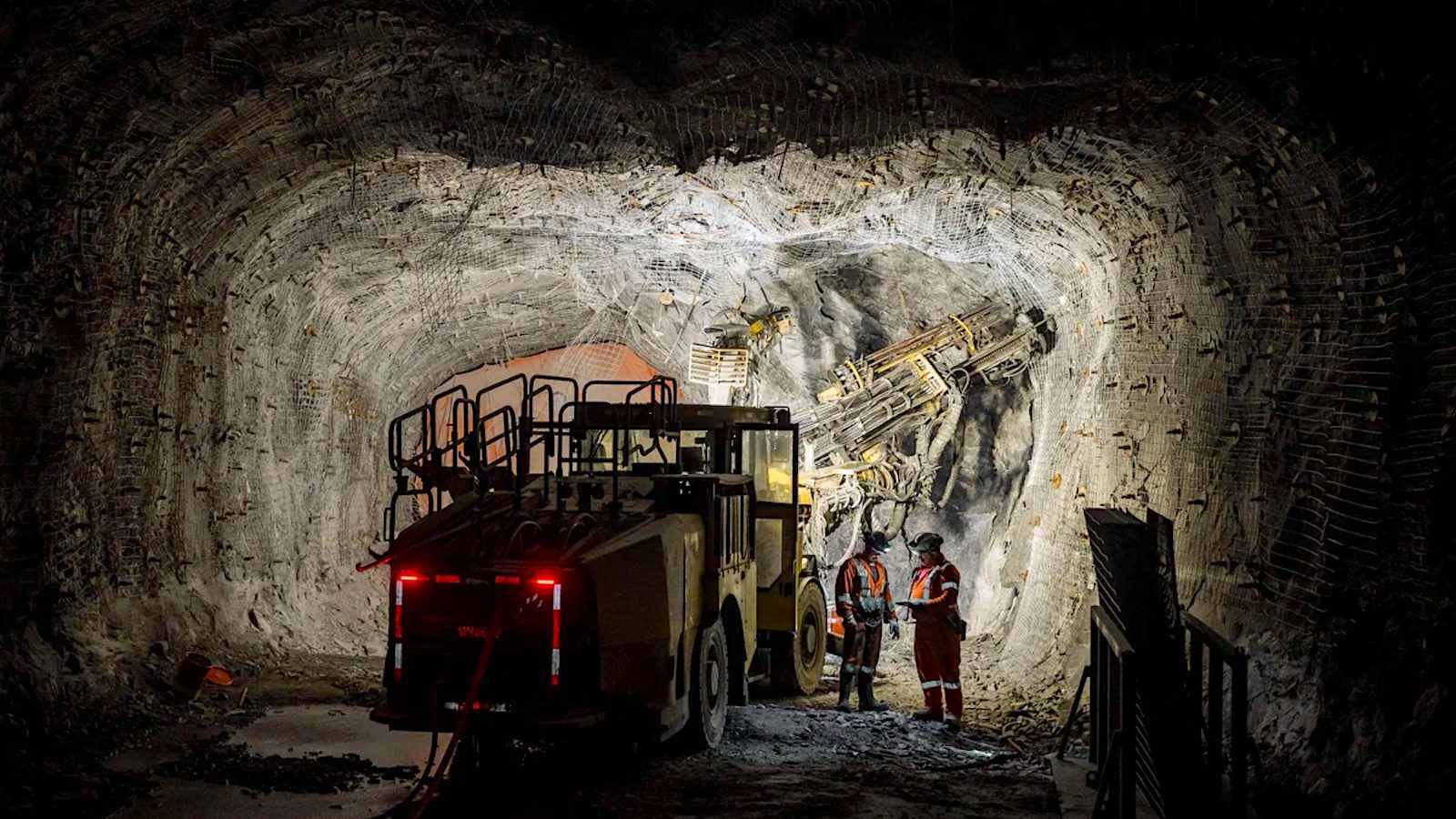
Furthermore, the reduction in diesel particulate matter and other harmful emissions directly improves the working environment for miners, enhancing safety and health outcomes. The long-term sustainability of mining operations is intrinsically linked to their environmental performance, and the Onaping Depth project is a clear demonstration of Glencore’s commitment to aligning its operations with global climate objectives. Xavier further stated, "The use of battery electric vehicles and the benefits they bring is helping to support both Glencore’s broader sustainability objectives and Canada’s net zero ambitions." This direct link to national climate targets underscores the project’s significance beyond the company’s immediate operational concerns.
A Deeper Look at the Economic Impact and Future Outlook
The $2 billion Onaping Depth project is more than just a technological advancement; it represents a significant economic investment in the region and a commitment to its future. Beyond the substantial capital expenditure, the project is poised to create and sustain hundreds of well-paying jobs. Once fully operational, the mine is projected to support over 400 permanent positions, providing long-term employment opportunities for skilled workers in Sudbury and surrounding communities.
This sustained employment is crucial for the economic vitality of the Sudbury Basin, an area with a rich mining heritage. By extending nickel production in the region beyond 2040, the Onaping Depth project ensures the continued relevance and prosperity of the local mining industry. This longevity is vital for community development, infrastructure investment, and the overall economic stability of Northern Ontario. The project’s success also reinforces Canada’s position as a leading global supplier of critical minerals essential for the transition to a low-carbon economy.
Background and Context: The Sudbury Basin’s Enduring Significance

The Sudbury Basin is one of the world’s most significant geological formations for nickel and copper deposits, formed by a massive meteorite impact millions of years ago. For over a century, the region has been a cornerstone of Canada’s mining industry, producing a substantial portion of the world’s nickel, copper, and platinum-group metals. These metals are fundamental to a vast array of modern technologies, including stainless steel, batteries for electric vehicles, renewable energy infrastructure, and telecommunications.
Historically, mining in Sudbury has been characterized by deep-level operations, requiring significant technological innovation to overcome geological challenges and extract resources efficiently and safely. The transition to all-electric operations at the Onaping Depth project represents the latest chapter in this ongoing evolution, demonstrating how the industry is adapting to environmental imperatives and technological advancements.
Timeline of Development (Inferred)
While specific dates for the entire project lifecycle are not provided in the source material, a general timeline can be inferred:
- Early Stages (Years Prior to 2026): Extensive geological surveys, feasibility studies, and initial exploration of the Onaping Depth orebody. Planning for shaft construction and the procurement of specialized mining equipment would have commenced.
- Shaft Development (Recent Years Leading up to 2026): The primary focus of this phase was the excavation and construction of the main shaft to reach the target depth of 8,500 feet. This complex engineering feat involves securing the shaft walls, installing hoists, and preparing for underground access.
- Milestone Achievement (Leading up to September 2026): The recent announcement signifies the successful completion of key shaft development milestones, granting access to the new orebody. This would involve the operationalization of the shaft for transporting personnel, equipment, and initial ore.
- Fleet Deployment and Operational Ramp-Up (2026 onwards): The introduction and integration of the 23-unit battery-electric fleet from Epiroc. This phase involves commissioning the equipment, training personnel, and commencing initial extraction and processing operations.
- Full Operational Capacity (Future): As the project matures, it will reach its full production capacity, supporting over 400 permanent jobs and significantly contributing to Glencore’s global nickel and copper output.
Official Responses and Stakeholder Engagement

The presence of Ontario Premier Doug Ford at the milestone event highlights the project’s significance to the provincial government and its commitment to supporting resource development in Northern Ontario. Such visits often signal government endorsement and potential support for infrastructure or regulatory frameworks that facilitate such large-scale projects. The inclusion of Indigenous leaders is also a critical component, reflecting the importance of Indigenous partnerships and consultation in modern resource development, ensuring that projects are undertaken in a manner that respects Indigenous rights and fosters shared benefits.
The participation of other political, industry, and community leaders underscores the broad impact of the Onaping Depth project. It signifies a collective recognition of the project’s contribution to economic growth, technological innovation, and environmental stewardship within the region and beyond.
Broader Impact and Implications: A Model for Future Mining
The success of Glencore Canada’s Onaping Depth project has far-reaching implications for the mining industry globally. It serves as a compelling case study for how deep-level mining operations can be transitioned to sustainable, low-emission practices. The project demonstrates that significant operational efficiencies and economic benefits can be realized through the adoption of advanced electric technologies.
The environmental advantages are particularly significant. By eliminating diesel emissions, the project contributes to cleaner air quality underground and reduces the overall carbon footprint of mining. This is crucial as the world increasingly demands responsibly sourced materials for the green energy transition. The reduction in ventilation and cooling needs also translates into lower energy consumption, a critical factor in the operational costs and environmental impact of deep mines.

Moreover, the Onaping Depth project reinforces Canada’s strategic position in the global supply chain for critical minerals. As demand for nickel and copper continues to surge due to the EV revolution and the expansion of renewable energy infrastructure, projects like this ensure a stable and responsible supply of these essential commodities. The long-term job creation and economic benefits also highlight the positive societal impact of investing in advanced mining technologies and sustainable practices.
The Onaping Depth project is poised to become a benchmark for future underground mining operations, showcasing that profitability and environmental responsibility can indeed go hand in hand. It is a testament to Glencore Canada’s forward-thinking approach and its commitment to shaping a more sustainable future for the mining industry.
Sources:
- Glencore
- Mining Weekly