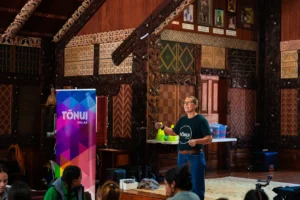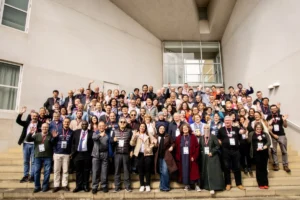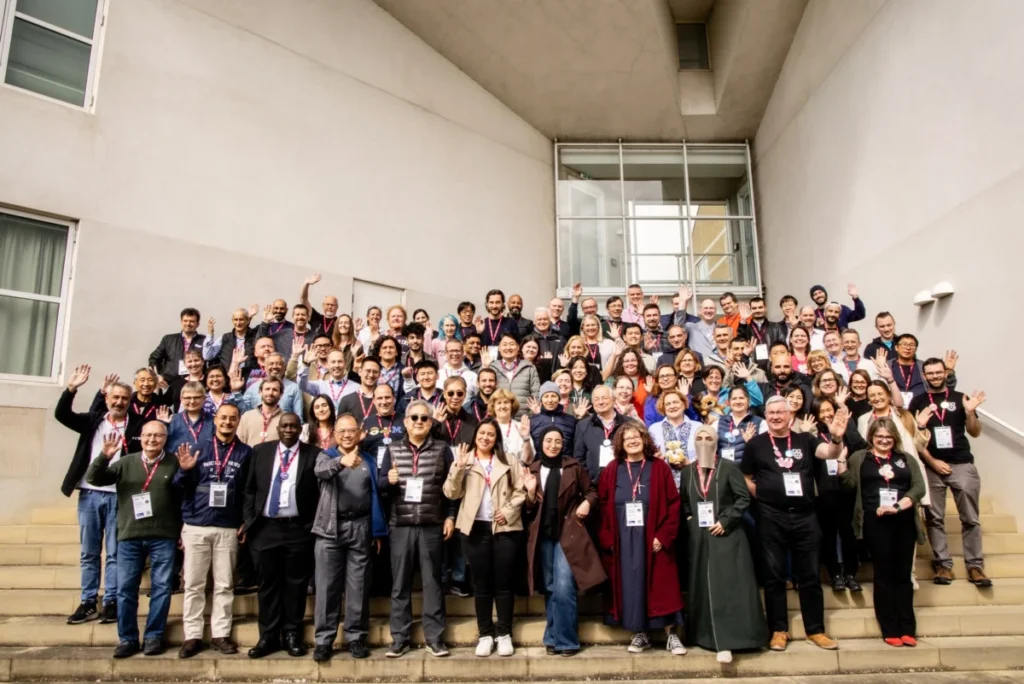
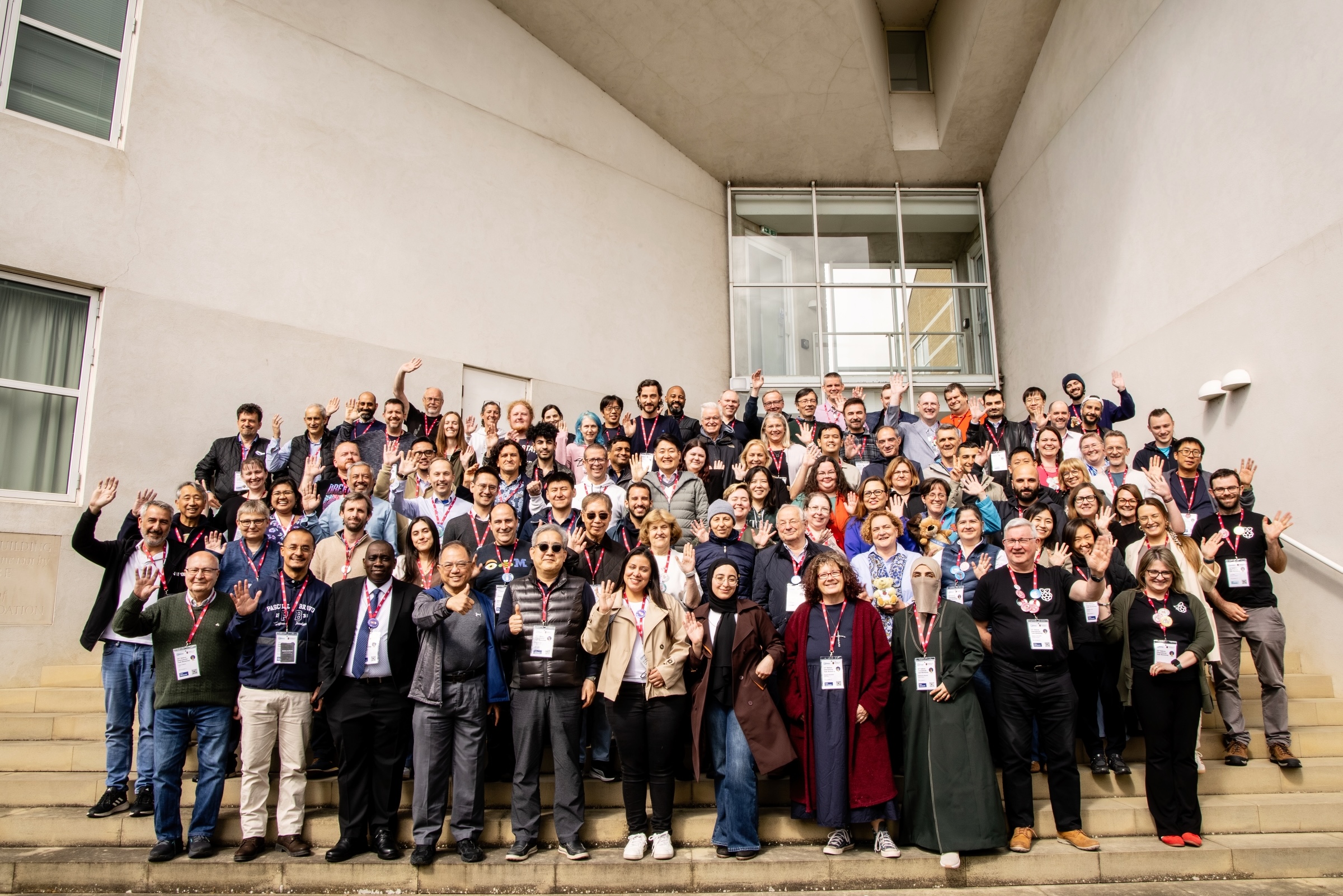
The city of Cambridge, long recognized as a global epicenter for scientific discovery and educational excellence, recently served as the backdrop for the 22nd Bebras International Task Workshop. From May 10 to May 15, the Raspberry Pi Foundation, in its capacity as the national organizer for the UK Bebras Challenge, hosted a distinguished assembly of 101 delegates representing 61 countries. This annual gathering serves as the critical engine behind the Bebras International Challenge on Informatics and Computational Thinking, a movement that has grown from a regional initiative into a massive global pedagogical phenomenon reaching over four million students annually.
The primary objective of the six-day summit, held at the Møller Institute, was the rigorous evaluation and refinement of computational thinking tasks that will form the backbone of the 2026 Bebras Challenges worldwide. While the final tasks presented to students every November are designed to appear playful and accessible, the Cambridge workshop revealed the intensive academic and collaborative labor required to transform complex computer science concepts into engaging puzzles for young learners aged 6 to 19.
The Evolution and Philosophy of the Bebras Challenge
To understand the significance of the Cambridge workshop, one must look at the trajectory of the Bebras movement. Founded in Lithuania in 2004 by Professor Valentina Dagienė, the initiative was named "Bebras"—the Lithuanian word for beaver—to symbolize the industriousness and collaborative nature of the animal. The challenge was conceived not as a traditional coding competition, but as a way to introduce students to "computational thinking"—a set of problem-solving skills that are fundamental to computer science but applicable across all academic disciplines and real-world scenarios.
In the two decades since its inception, Bebras has expanded to 78 countries. The 2025 cycle saw record-breaking engagement, with more than 4 million participants globally. In the United Kingdom alone, the program reached 526,000 students, highlighting the growing demand for structured informatics education in the British school system. The Cambridge workshop represents the "intellectual clearinghouse" where this global curriculum is forged, ensuring that the tasks remain culturally neutral, pedagogically sound, and intellectually stimulating across diverse educational landscapes.
A Chronology of the 22nd International Task Workshop
The workshop followed a structured, intensive timeline designed to maximize the collective expertise of the gathered researchers, educators, and computer scientists.
Phase 1: Submission and Preliminary Review
Prior to the event, the global Bebras community submitted a total of 277 proposed tasks. These submissions originated from member countries across every inhabited continent, reflecting a vast array of educational perspectives. The Raspberry Pi Foundation team contributed four tasks to this initial pool.
Phase 2: Intensive Working Group Deliberations (May 10–13)
Upon arrival in Cambridge, delegates were divided into eight specialized working groups. These groups were tasked with the "stress-testing" of each proposal. The review process was exhaustive, focusing on several key criteria:
- Clarity and Language: Ensuring that the wording is precise and can be easily translated into dozens of different languages without losing the core logic of the problem.
- Visual Communication: Refining illustrations and diagrams to ensure they support the task without providing unintended clues or creating barriers for students with different cultural backgrounds.
- Age Appropriateness: Calibrating the difficulty levels to align with the developmental stages of students ranging from primary school to pre-university levels.
- Scientific Validity: Verifying that each task maps accurately to specific computational thinking domains, such as decomposition, pattern recognition, abstraction, and algorithmic design.
Phase 3: The Bebras Marketplace (May 14)
Midway through the workshop, the focus shifted from task refinement to community knowledge sharing. The "Bebras Marketplace" served as a forum for delegates to present posters and resources detailing how computational thinking is integrated into their respective national curricula. This session highlighted the adaptability of the Bebras model in various socio-economic contexts.
Phase 4: Final Selection and Acceptance (May 15)
The workshop concluded with a plenary session where the final task set was ratified. Of the 277 initial submissions, 214 were accepted for inclusion in the 2026 international task bank. All four tasks submitted by the UK team were among those successfully refined and accepted.
Data-Driven Insights: A Global Snapshot of Computational Thinking
The statistics emerging from the workshop underscore the massive scale of the Bebras initiative. With 101 delegates on-site and dozens more participating via digital platforms, the event represented one of the largest concentrations of informatics education experts in the world.
The diversity of the participants was a point of particular emphasis. The workshop saw the induction of 10 new provisional members, including nations such as Mongolia, Palestine, Tanzania, and Sri Lanka. Furthermore, seven countries—Armenia, Colombia, Greece, Jamaica, Mexico, Paraguay, and Puerto Rico—were elevated to full membership status. This expansion is indicative of a global shift in educational priorities, as developing nations increasingly view computational thinking as a cornerstone of economic modernization and workforce readiness.
The data from the 2025 participation cycle also provided a benchmark for the workshop’s impact. The 4 million students who engaged with Bebras tasks represent a significant portion of the global school-age population, particularly in Europe and parts of Asia. The UK’s participation rate of over half a million students suggests that Bebras has become a staple of the British computing curriculum, providing a low-barrier entry point for teachers who may not have specialized backgrounds in computer science.
Addressing the Digital Divide: The "Unplugged" Philosophy
A recurring theme throughout the Cambridge workshop was the necessity of making computational thinking accessible in environments with limited technological infrastructure. Delegates from countries like Ghana, Jamaica, and Mexico shared insights into how Bebras tasks are delivered via paper-based formats or via mobile devices to bypass the lack of traditional desktop computers in many schools.
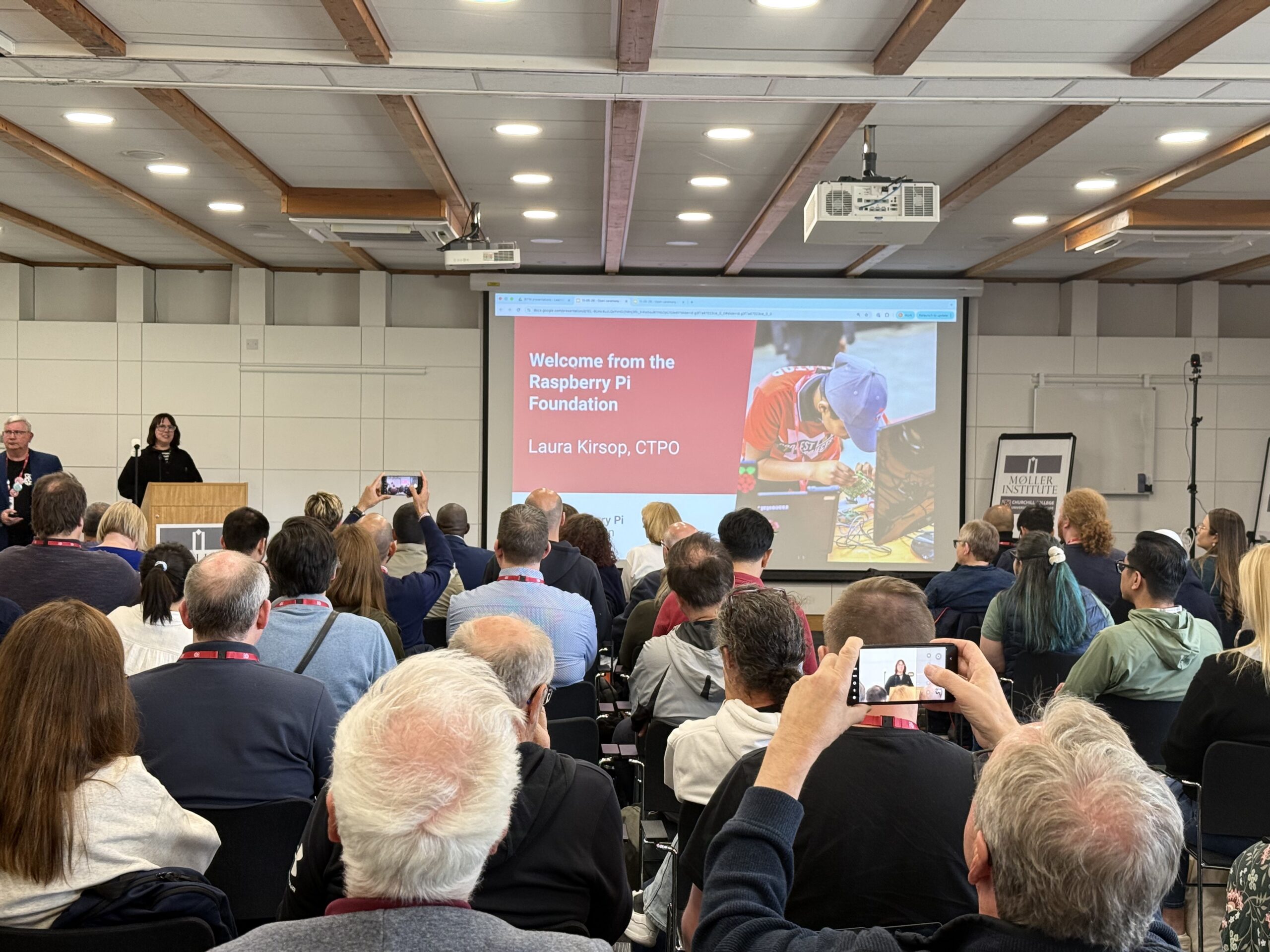
This "unplugged" approach is central to the Bebras philosophy. By focusing on the logic and reasoning behind computing rather than the syntax of programming languages, the challenge democratizes access to high-level concepts. Laura Kirsop, Chief Technology and Product Officer at the Raspberry Pi Foundation, emphasized this in her opening keynote. She noted that the Bebras methodology has directly influenced other educational products, such as the "Escape Room: The Jungle Awakens" resource used in Code Clubs. This initiative allows students to explore complex algorithms through physical puzzles and teamwork, proving that the most sophisticated concepts in computer science do not always require a screen.
Expert Reactions and Institutional Implications
The atmosphere of the workshop was described by participants as one of "rigorous collaboration." Alex Parry, a member of the organizing team, noted that the discussions were often "slightly heated," reflecting the passion and precision that experts bring to the definition of computational thinking. These debates are essential for ensuring that a task meant for a student in Tokyo is equally valid and solvable for a student in London or Nairobi.
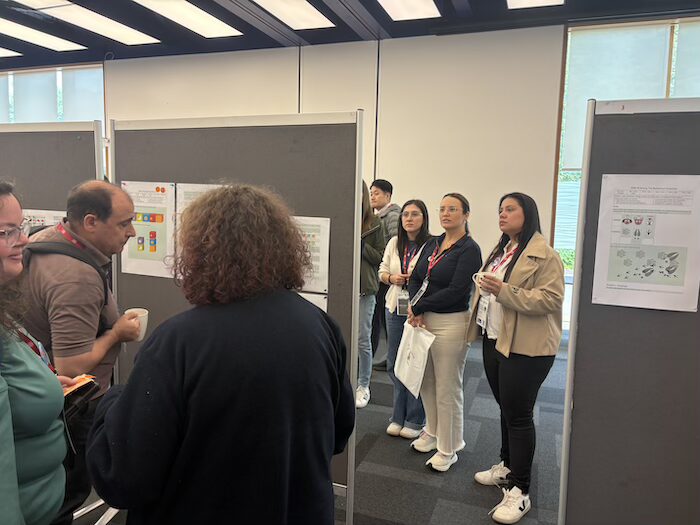
The feedback from delegates regarding the hosting in Cambridge was overwhelmingly positive, citing the conducive environment for deep work and the seamless integration of remote participants. One delegate remarked on the "flawless execution" of the event, while others noted that the high-quality technical infrastructure in Cambridge facilitated the complex task of real-time collaborative editing on a global scale.
For the Raspberry Pi Foundation, hosting the event reinforces its position as a global leader in computing education. By fostering this international community, the Foundation ensures that the UK remains at the forefront of pedagogical innovation. The implications of this work extend beyond a single week in November; the tasks developed in Cambridge will eventually influence how millions of children perceive their own ability to solve problems and understand the digital world.
Future Outlook: From Cambridge to Uruguay
As the 22nd Workshop concludes, the focus of the international community turns toward the next cycle. The 23rd Bebras International Task Workshop is scheduled to be held in Uruguay in May 2027. This move to South America reflects the continued geographical expansion of the movement and the growing influence of Latin American educators in the field of informatics.
In the immediate future, the UK Bebras team is collaborating with counterparts in Australia, Ireland, Canada, and the United States to finalize the task sets for the upcoming November challenge. The UK Bebras Challenge is set to take place between November 8 and November 20, 2025. Educators across the country are currently being encouraged to register their classes, with the Foundation providing past tasks as training resources to help students acclimate to the unique format of the challenge.
The success of the Cambridge workshop serves as a reminder that in an increasingly automated world, the ability to think computationally is a vital form of literacy. Through the meticulous work of the Bebras community, this literacy is being systematically built, one puzzle at a time, across the globe.