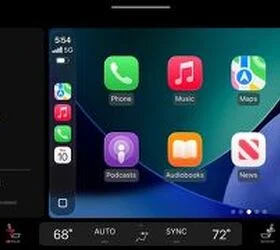
The automotive industry, a landscape characterized by rapid innovation and sometimes abrupt shifts in strategy, has witnessed a significant recalibration by General Motors (GM) regarding its infotainment systems. In a move that directly addresses consumer outcry and market realities, the American automotive giant has announced its intention to retain compatibility with Apple CarPlay and Android Auto in its upcoming gasoline-powered vehicles, a stark departure from its previously declared plan to phase out these widely adopted smartphone integration systems. This strategic pivot, unveiled with the debut of the infotainment system for the 2027 Chevrolet Silverado, signals a pragmatic embrace of consumer preference over a more insular, in-house software approach.
The Genesis of a Controversy: GM’s Initial Declaration
The initial announcement, made by GM Chair and CEO Mary Barra in 2023, sent ripples of concern throughout the automotive consumer base. At the time, GM indicated a trajectory towards phasing out both Apple CarPlay and Android Auto within a few years, aiming to steer customers towards its proprietary infotainment software. The stated rationale behind this decision was to foster a more integrated and seamless in-vehicle experience, leveraging GM’s own technological advancements. This vision, however, encountered immediate and substantial resistance from a significant segment of potential GM buyers.
The backlash was swift and vocal. Online forums, social media platforms, and automotive news comment sections became battlegrounds where consumers expressed their displeasure, with many declaring their intent to abandon GM brands if their preferred smartphone integration methods were removed. This reaction underscored the deep-seated reliance and loyalty consumers place on the familiar interfaces of CarPlay and Android Auto, which offer a consistent and intuitive way to access navigation, music, communication, and other essential applications directly from their smartphones.
A Lukewarm Reception for Native Systems
While GM’s internal research may have suggested a positive outlook for its native infotainment systems, particularly among early adopters of its electric vehicles (EVs) who were largely compelled to use them, the broader market reaction proved less enthusiastic. Owners of GM’s EVs, while often praising the vehicles themselves, offered a more measured endorsement of the native software. This lukewarm reception, especially when contrasted with the fervent loyalty displayed by CarPlay and Android Auto users, provided a clear signal to GM that its exclusive software strategy might alienate a substantial portion of its customer base.
The inherent advantage of CarPlay and Android Auto lies in their ubiquity and the personal investment users have made in their smartphone ecosystems. For millions of drivers, these systems are not merely conveniences but integral extensions of their digital lives. The ability to seamlessly transition from their phone to their car’s display, maintaining access to personalized settings, preferred applications, and familiar user interfaces, is a powerful draw. The prospect of losing this seamless integration was, for many, a significant deterrent to purchasing a new GM vehicle.
The Strategic Reversal: A Hybrid Approach for 2027
Recognizing the force of this consumer sentiment, GM has demonstrably listened and adapted. The company’s recent reveal of its infotainment system for the upcoming 2027 Chevrolet Silverado marks a pivotal shift. This new system is not a complete abandonment of GM’s proprietary software but rather a sophisticated hybrid approach. It aims to integrate GM’s native system with the functionality of both Apple CarPlay and Android Auto. This means that future GM gasoline-powered vehicles will continue to offer drivers the choice to connect their iPhones or Android devices, thereby retaining access to their preferred applications and interfaces.
This hybrid model represents a pragmatic compromise. It allows GM to continue developing and refining its own in-vehicle technology while simultaneously acknowledging and catering to the dominant market demand for established smartphone integration. The company’s willingness to backtrack on its earlier pronouncement suggests a corporate culture that, at least in this instance, is responsive to market feedback and the evolving needs of its consumers.
Data and Market Trends Supporting the Shift
The decision by GM to reinstate CarPlay and Android Auto compatibility is supported by substantial market data and consumer behavior trends. Studies consistently show a high percentage of vehicle owners utilizing these smartphone integration systems. For instance, various automotive surveys have indicated that upwards of 80-90% of smartphone-equipped vehicles are connected via either CarPlay or Android Auto. This widespread adoption highlights the critical role these systems play in the modern driving experience.
Furthermore, the increasing sophistication of smartphones means that users expect their in-car technology to mirror the seamless and intuitive experience they are accustomed to on their personal devices. The ability to use voice commands for navigation and communication, access streaming music services, and manage messages without compromising safety is a primary driver of this preference. The market for in-car technology is increasingly shaped by the desire for personalization and familiarity, elements that CarPlay and Android Auto inherently provide.
The automotive industry has witnessed numerous examples of companies struggling to gain traction with proprietary infotainment systems when competing against the established dominance of these smartphone platforms. Companies that have attempted to go it alone without robust and user-friendly native solutions have often faced significant consumer resistance, impacting sales and brand perception. GM’s initial stance risked placing it in this challenging territory.
Chronology of Events
- 2023: General Motors, under the leadership of Chair and CEO Mary Barra, announces its intention to phase out Apple CarPlay and Android Auto from its vehicles in the coming years, aiming to promote its proprietary infotainment systems.
- Post-2023 Announcement: Widespread consumer backlash emerges across automotive forums, social media, and news outlets. Many potential buyers express intent to avoid GM brands due to the planned removal of CarPlay and Android Auto.
- Ongoing: Feedback from EV owners who are currently using GM’s native systems provides a mixed but largely unenthusiastic endorsement, further highlighting the loyalty to existing smartphone integration.
- Recent Reveal (Implied, leading to the article): GM unveils its infotainment system for the 2027 Chevrolet Silverado, showcasing a hybrid approach that includes compatibility with Apple CarPlay and Android Auto. This indicates a strategic reversal or significant adjustment to the original plan.
Broader Implications for the Automotive Industry
GM’s decision to reincorporate CarPlay and Android Auto into its gasoline-powered vehicle lineup has several significant implications for the broader automotive industry.
Firstly, it reinforces the undeniable market power and consumer demand for standardized smartphone integration. Companies that are developing new infotainment systems will likely need to consider robust compatibility with these platforms as a baseline requirement, rather than an optional add-on.
Secondly, it highlights the importance of agility and responsiveness in automotive product development. The rapid pace of technological change and evolving consumer preferences necessitate a flexible approach. GM’s ability to pivot demonstrates that companies can, and perhaps should, reconsider their strategies when faced with strong market signals.
Thirdly, it raises questions about the future of proprietary in-car software. While GM is not abandoning its native system, the hybrid approach suggests that the future may lie in synergistic relationships between automakers’ own innovations and the established ecosystems of major tech companies. This could lead to more collaborative development models or a focus on differentiating GM’s native features in areas beyond basic smartphone mirroring, such as advanced driver-assistance systems, vehicle diagnostics, or unique connectivity services.
The decision also has implications for the competitive landscape. By continuing to offer CarPlay and Android Auto, GM can maintain its competitive edge against manufacturers that might have fully committed to exclusive in-house systems without achieving comparable levels of user satisfaction. This move could help GM retain market share and appeal to a wider demographic of buyers.
Official Responses and Industry Commentary (Inferred)
While direct quotes from GM executives regarding this specific reversal are not present in the provided text, the action itself speaks volumes. The decision to integrate CarPlay and Android Auto into the 2027 Silverado’s infotainment system strongly suggests that internal discussions and market analysis led to a reassessment of the initial strategy. The company likely recognized that alienating a significant portion of its customer base due to infotainment choices would be detrimental to its sales targets and overall brand perception.
Industry analysts are likely to view this move as a sign of GM’s adaptability. "In an automotive world where so many companies sink with their ship, should GM be praised for its flexibility in this case?" The question posed at the end of the original text is a sentiment that many observers will likely echo. Praising GM for its flexibility would be a logical interpretation, as it demonstrates an understanding that market dynamics and consumer desires can, and should, influence strategic decisions.
Conversely, some might question the initial decision to phase out these systems, suggesting it was a misstep that created unnecessary controversy and potential brand damage. However, the subsequent course correction mitigates much of this potential harm. The focus now shifts to how effectively GM integrates its native system with CarPlay and Android Auto, ensuring a seamless and high-quality user experience that satisfies a broad spectrum of drivers.
Conclusion: A Win for Consumer Choice
General Motors’ decision to continue offering Apple CarPlay and Android Auto in its gasoline-powered vehicles, starting with the 2027 model year, represents a significant victory for consumer choice and a pragmatic adaptation to market realities. The initial plan to phase out these popular smartphone integration systems met with considerable opposition, highlighting the deep loyalty and reliance drivers have on their familiar digital interfaces. By embracing a hybrid infotainment approach, GM is demonstrating a willingness to listen to its customers and to prioritize a user experience that aligns with contemporary expectations. This strategic pivot is not only a testament to the power of consumer feedback but also a smart business move that is likely to bolster GM’s appeal and competitive standing in the evolving automotive landscape. The automotive industry will undoubtedly watch with interest to see how this integrated approach performs and how other manufacturers respond to this renewed emphasis on the importance of seamless smartphone integration in the connected vehicle.