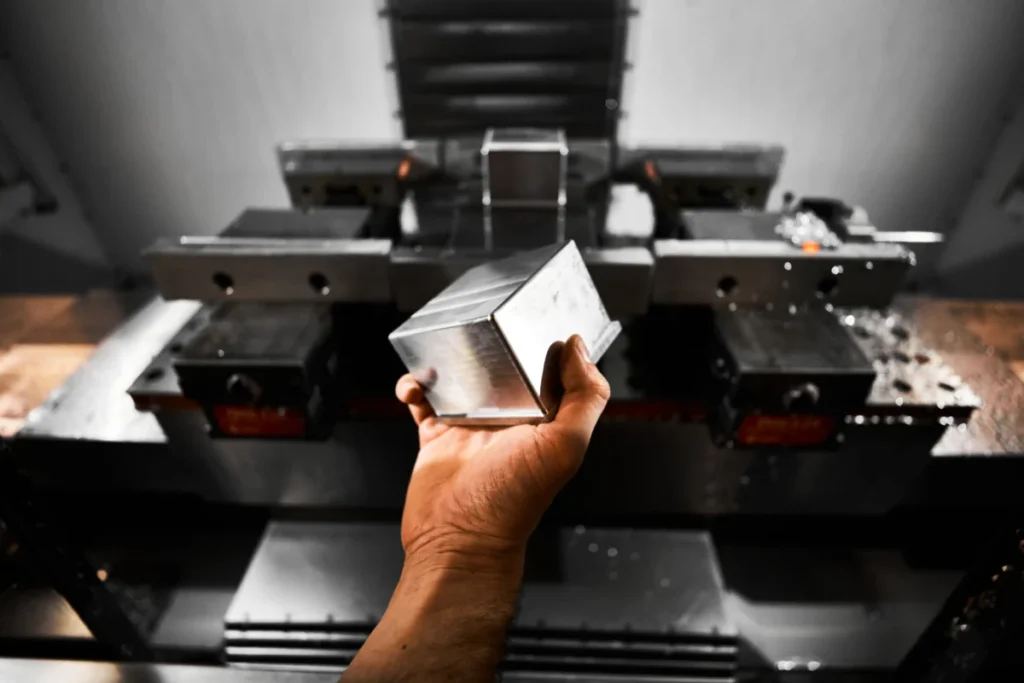
The ability of 3D printing to generate a wealth of intricate data about each manufactured part presents a significant, yet often unaddressed, challenge: effectively tracking and managing this information. Manufacturers, particularly those in high-stakes sectors like aerospace and medical devices, require a comprehensive understanding of a part’s lifecycle. This includes its precise design iteration, the exact material composition, the specific machine that fabricated it, and a detailed record of every step during production and subsequent inspection. The solution to this growing complexity lies in the concept of the "digital thread," a continuous, interconnected data stream that traces a product’s journey from conception to end-of-life.
Philadelphia-based Authentise has dedicated over a decade to developing sophisticated software solutions designed to weave this critical data fabric. Rather than focusing solely on the 3D printer itself, the company strategically positions its offerings around the entire manufacturing process. Authentise empowers organizations to streamline operations, from initial job quoting and review to production scheduling, meticulous material tracking, workflow management, and the comprehensive capture of all pertinent data. This integrated approach ensures that the vital information associated with a part remains connected and accessible as it progresses through every stage of its creation.
Charting the Course: Following Every Part’s Journey
Andre Wegner, CEO of Authentise, articulates the company’s core mission as a software enterprise specifically focused on the transformative stage where designs are actualized into tangible parts. Their sophisticated systems are engineered to integrate directly with manufacturing equipment, enabling the real-time collection of critical operational data. Furthermore, these systems possess the capability to meticulously track materials throughout the entire production lifecycle.
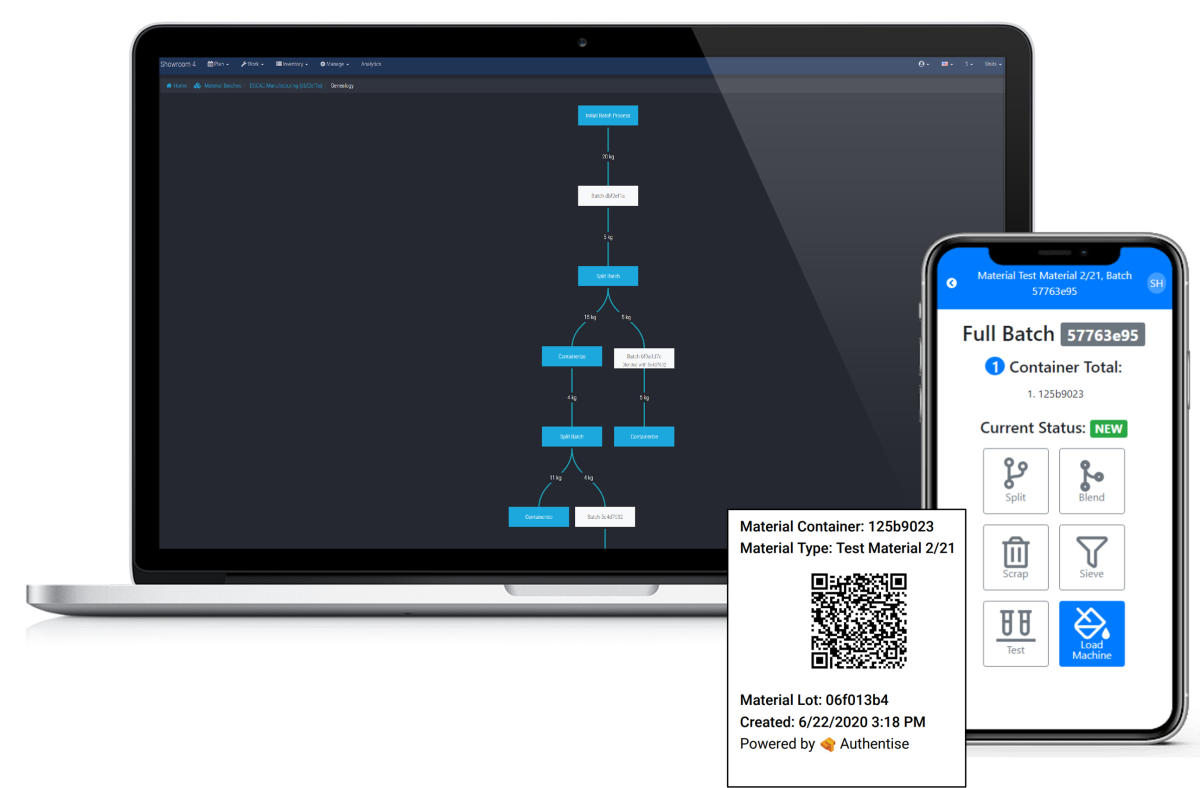
In the realm of metal additive manufacturing, this tracking extends to the granular level of powder management. Authentise’s Material Management software, a key component of their suite, meticulously follows metal powders from their initial use, through sieving, blending, and even recycling processes. This creates what the company terms a "material powder genealogy," a detailed lineage that links specific batches of powder and every material handling step to the precise machines and jobs where that powder was ultimately utilized. This unparalleled level of traceability is not merely an operational enhancement; it becomes an indispensable requirement for manufacturers needing to demonstrate, with absolute certainty, the exact provenance and production history of every critical component. For instance, in the aerospace industry, a single component failure can have catastrophic consequences, making the ability to meticulously audit its manufacturing history paramount for safety and regulatory compliance.
Beyond the data generated directly by machines, Authentise recognizes the profound value of tacit knowledge often held by experienced personnel. Wegner points out that crucial production insights frequently reside with individual employees, knowledge that can be inadvertently lost when teams change or personnel depart. By systematically recording these decisions and production details, Authentise helps preserve this invaluable institutional memory. This not only bolsters quality assurance and compliance efforts but also significantly enhances training programs by providing a concrete, data-driven foundation for learning.
Harnessing the Deluge of Data for Enhanced Opportunity
Modern additive manufacturing (AM) machines are capable of generating an immense volume of data during the fabrication of a single part. This rich stream of information provides manufacturers with unprecedented insights into the intricacies of their production processes. Wegner emphasizes that this data is a potent catalyst for continuous improvement, enabling manufacturers to refine their processes, optimize parameters, and ultimately develop more robust and reliable industry standards. This commitment to leveraging data for advancement is a primary driver behind Authentise’s sustained engagement with America Makes.
As a long-standing member of America Makes, the U.S. public-private partnership dedicated to advancing additive manufacturing technology and education, Authentise actively participates in a collaborative ecosystem. Wegner highlights the organization as an essential forum for exchanging ideas and best practices with a diverse array of companies and institutions deeply invested in the AM sector. Through active participation in committees and industry-wide collaborations, Authentise contributes to and benefits from collective problem-solving. This collaborative spirit is particularly vital for addressing complex AM challenges that transcend the capabilities of any single machine or software system, fostering an environment where shared knowledge accelerates innovation for the entire industry.
From a Critical Failure to a Connected Digital Supply Chain
Authentise’s foundational commitment to manufacturing data traceability traces its origins back to the company’s inception in 2013. Wegner reveals that a significant impetus for the company’s founding was partly inspired by a real-world incident involving a critical aircraft part failure. The subsequent difficulty in rapidly sourcing and delivering a replacement part highlighted a profound vulnerability in existing supply chains. This experience ignited Wegner’s vision for enabling localized manufacturing of parts closer to the point of need, thereby mitigating the lengthy delays associated with traditional logistics. This forward-thinking concept became the bedrock for Authentise’s early endeavors in secure digital manufacturing and subsequently expanded to encompass the comprehensive management of production data.
Today, Authentise collaborates with a distinguished roster of industry leaders, including aerospace giant Boeing, industrial powerhouse Eaton, global conglomerate GE, and diversified technology company 3M. The company’s software evolution has also extended beyond the confines of the factory floor. Their innovative Threads platform is specifically designed to address an earlier, yet equally critical, phase of the product lifecycle. Threads empowers engineering teams to enhance collaboration and manage the wealth of information generated during the design and pre-production stages, ensuring that crucial design intent is captured and preserved before manufacturing even commences. Notably, Boeing has leveraged Threads to achieve significant efficiencies, reportedly saving approximately 115 hours in the complex process of compiling the technical data package required for certifying a spare part – a testament to the platform’s impact on streamlining certification processes.

Looking towards the future, Authentise is actively developing advanced AI tools. These tools are poised to intelligently collect and organize disparate project information scattered across emails, chat logs, and various documents. This capability promises to create a unified, easily accessible repository of project knowledge, seamlessly connecting the early design phases through to production and final qualification.
The act of manufacturing a part is, in essence, only one segment of a larger, more complex endeavor. Manufacturers critically require a complete and verifiable record of how that part was produced. This record must encompass the origin of the raw materials, the specific machine responsible for its fabrication, the precise conditions and parameters employed during production, and confirmation that all mandated quality control steps were meticulously executed. The digital thread serves as the indispensable connective tissue, consolidating this fragmented information that might otherwise be dispersed across disparate machines, numerous spreadsheets, overflowing email inboxes, and the invaluable, yet often unrecorded, knowledge of individual employees.
Authentise’s overarching objective is to simplify this intricate process and, over time, substantially reduce the lead time from the initial identification of a need to the delivery of a fully qualified and deployable part. While advancements in printer speed are undeniably crucial, the equally significant, and often underestimated, factor lies in the organized and readily accessible management of the rich data ecosystem that underpins each manufactured component. This comprehensive data management is not just an operational advantage; it is rapidly becoming a fundamental requirement for ensuring quality, safety, and innovation in the advanced manufacturing landscape.