Rivian announced its third-quarter production and delivery figures, revealing a significant upward trajectory for its R2 model and demonstrating its continued commitment to achieving annual targets despite broader headwinds within the United States electric vehicle sector. The company’s manufacturing and delivery output for 2026 has seen consistent acceleration throughout the year, driven by the ramp-up of R2 production.
R2 Production Surge Fuels Rivian’s Growth
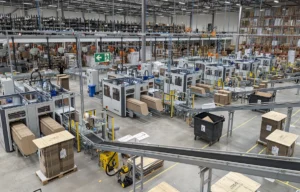
The newly released third-quarter numbers showcase an impressive increase in both production and deliveries. Rivian produced 24,100 vehicles and delivered 21,700 in Q3 2026. This represents a substantial leap from the previous quarter, where the company manufactured 15,100 vehicles and delivered 13,600 units. This surge in output suggests that Rivian is successfully scaling its manufacturing operations at its Normal, Illinois facility.
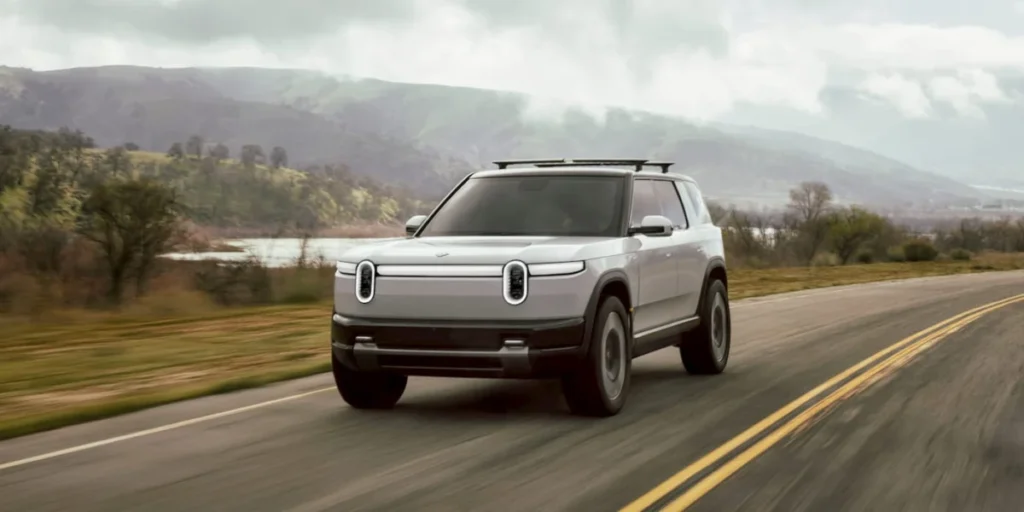
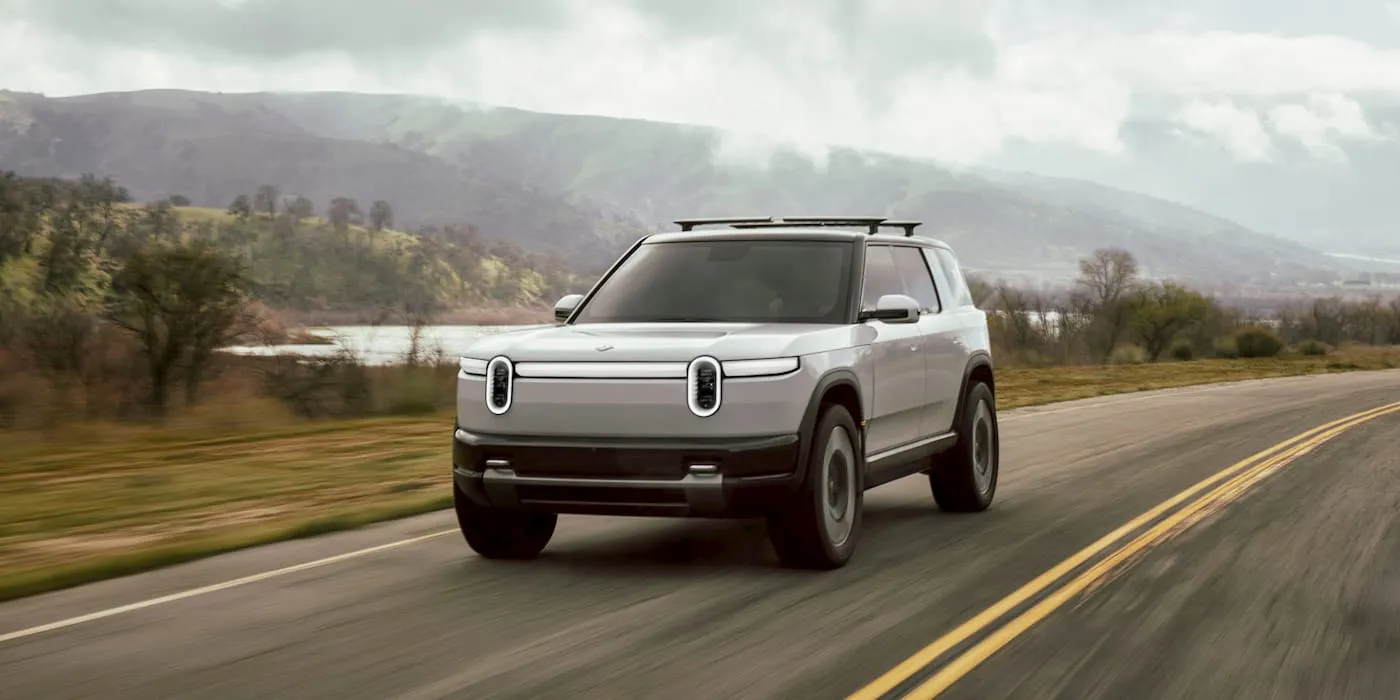
The lower-cost R2 model is widely believed to be the primary catalyst for this substantial growth. While Rivian is currently exclusively offering the higher-cost Performance variant of the R2 to customers through the end of the year, its introduction has clearly stimulated demand. This strategic approach to market entry, prioritizing the more premium version initially, aims to capture a segment of the market willing to pay for enhanced performance while laying the groundwork for broader accessibility.
It is important to note a recent adjustment to the R2’s advanced technology rollout. This week, Rivian announced that its Lidar suite, a key component for advanced driver-assistance systems and future autonomy, will not reach customers until 2027. This represents a pushback from the previously targeted late 2026 delivery timeframe. This delay, while a setback for early adopters anticipating the full suite of autonomous features, does not appear to have dampened the overall enthusiasm for the R2, as evidenced by the production and delivery figures.
Broader US EV Market Faces a "Reality Check"
The positive performance of Rivian occurs against a backdrop of evolving dynamics within the broader U.S. electric vehicle market. 2026 is increasingly being characterized as a year where the initial rapid adoption curve is encountering a period of recalibration, or a "reality check." While EV sales continue to grow, the pace of that growth may be moderating in certain segments, and the competitive landscape is intensifying.
Several factors are contributing to this evolving market. Increased interest rates have impacted consumer affordability for new vehicles, including EVs, which often carry a higher initial purchase price. Furthermore, the charging infrastructure, while expanding, still presents challenges for some consumers regarding convenience and accessibility, particularly in rural areas or for those without dedicated home charging solutions. The sheer volume of new EV models entering the market from established automakers and new entrants alike is also creating a more fragmented and competitive sales environment.
Despite these broader challenges, Rivian’s ability to navigate this complex market and achieve significant production increases highlights the company’s operational improvements and the sustained appeal of its product offerings. The company’s focus on distinct market segments – the premium R1 line, its commercial delivery vans, and now the R2 – appears to be a well-calibrated strategy for sustained growth.
Rivian’s Strategic Outlook and Financial Reporting
Rivian is scheduled to release its comprehensive third-quarter 2026 financial results after market close on October 29, 2026. Following the financial disclosure, the company will host an investor webcast and question-and-answer session at 5:00 p.m. Eastern Time. These events will provide deeper insights into the company’s financial health, operational performance, and strategic outlook. Analysts and investors will be scrutinizing these reports for details on profitability, cost management, and future production targets, particularly in light of the R2 ramp-up.
Electrek’s Analysis: Manufacturing Efficiency and Demand Dynamics
Rivian’s impressive achievement of nearly doubling its quarterly delivery volume since the first quarter of 2026 underscores a significant improvement in manufacturing efficiency at its Normal, Illinois facility. This enhanced operational capability is crucial for a company in its growth phase, enabling it to meet rising demand without compromising quality or incurring excessive costs.
The growing demand for Rivian’s core R1 vehicles, its commercial delivery vans, and, critically, the newly introduced R2 Performance variant, indicates a strong market reception. The R1 platform, comprising the R1T pickup and R1S SUV, has established Rivian as a player in the premium electric adventure vehicle segment. The commercial vans are finding traction with fleet operators seeking sustainable transportation solutions. The R2, however, represents a pivotal step towards broader market penetration.
While the overall profit margins on the R2 are expected to be lower compared to the flagship R1 vehicles, the current exclusive offering of the R2 Performance version is strategically important. This variant is anticipated to command an Average Selling Price (ASP) that remains competitive and close to that of the R1 models. This allows Rivian to maintain a healthy revenue stream during the R2’s initial production phase while it scales up manufacturing and works towards introducing lower-spec variants in the future.
The R2’s design and pricing strategy are aimed at a wider demographic than the R1. It offers a more accessible entry point into the Rivian ecosystem, potentially attracting a new cohort of EV buyers. The vehicle’s blend of utility, modern design, and expected performance aligns with consumer preferences for versatile and capable electric vehicles.
Future Implications and Market Positioning
The sustained success of Rivian’s production ramp-up, particularly with the R2, positions the company to solidify its market share and challenge established automakers in key segments of the EV market. The company’s ability to execute on its production plans will be a critical determinant of its long-term success.
The delay in the Lidar suite rollout for the R2 is a notable development. While it may disappoint some early adopters, it also highlights Rivian’s commitment to delivering robust and reliable technology. The company’s decision to prioritize a phased introduction of advanced features, rather than rushing potentially unproven technology to market, could prove to be a prudent strategy in the long run, fostering customer trust and reducing potential warranty issues.

The broader implications for the U.S. EV market are significant. Rivian’s performance demonstrates that there is still substantial demand for well-designed, high-quality electric vehicles, even as the market matures. The company’s strategy of focusing on specific niches and delivering innovative products appears to be paying dividends. As the market continues to evolve, Rivian’s ability to adapt to changing consumer preferences, technological advancements, and economic conditions will be paramount.
The company’s upcoming financial report will be a key indicator of its progress. Investors will be looking for confirmation of its production targets, insights into its cost structure, and its path towards profitability. The successful integration of the R2 into its production lines and its reception by a broader customer base will be crucial in shaping Rivian’s trajectory in the coming years.
Background and Chronology of Rivian’s Growth
Rivian, founded in 2009, has steadily progressed from a concept vehicle developer to a significant automotive manufacturer. The company gained considerable attention with the unveiling of its R1T electric pickup truck and R1S electric SUV in 2018. These vehicles, designed for adventure and off-road capability, set Rivian apart in the nascent electric truck market.
A critical turning point was the company’s initial public offering (IPO) in November 2021, which was one of the largest in U.S. history. This influx of capital provided Rivian with the resources to significantly scale its manufacturing operations and accelerate its product development.
The launch of production for the R1T and R1S at the Normal, Illinois plant began in late 2021. However, like many automotive startups, Rivian faced initial production challenges and supply chain disruptions, particularly in the wake of the global semiconductor shortage.
The development and announcement of the R2 in early 2024 marked a strategic shift towards a more accessible and mass-market vehicle. Positioned as a smaller, more affordable SUV, the R2 aims to significantly expand Rivian’s customer base. The company has indicated plans for a second manufacturing facility in Georgia to support R2 production, though this project has faced some local opposition and legal challenges.
The third-quarter 2026 production and delivery figures represent a significant milestone in Rivian’s journey, indicating that the company is overcoming past hurdles and effectively ramping up production for its new R2 model, a crucial step in its long-term growth strategy. The ongoing progress in manufacturing efficiency and the sustained demand for its vehicles suggest a positive outlook for the company, despite the dynamic and competitive nature of the global electric vehicle market.