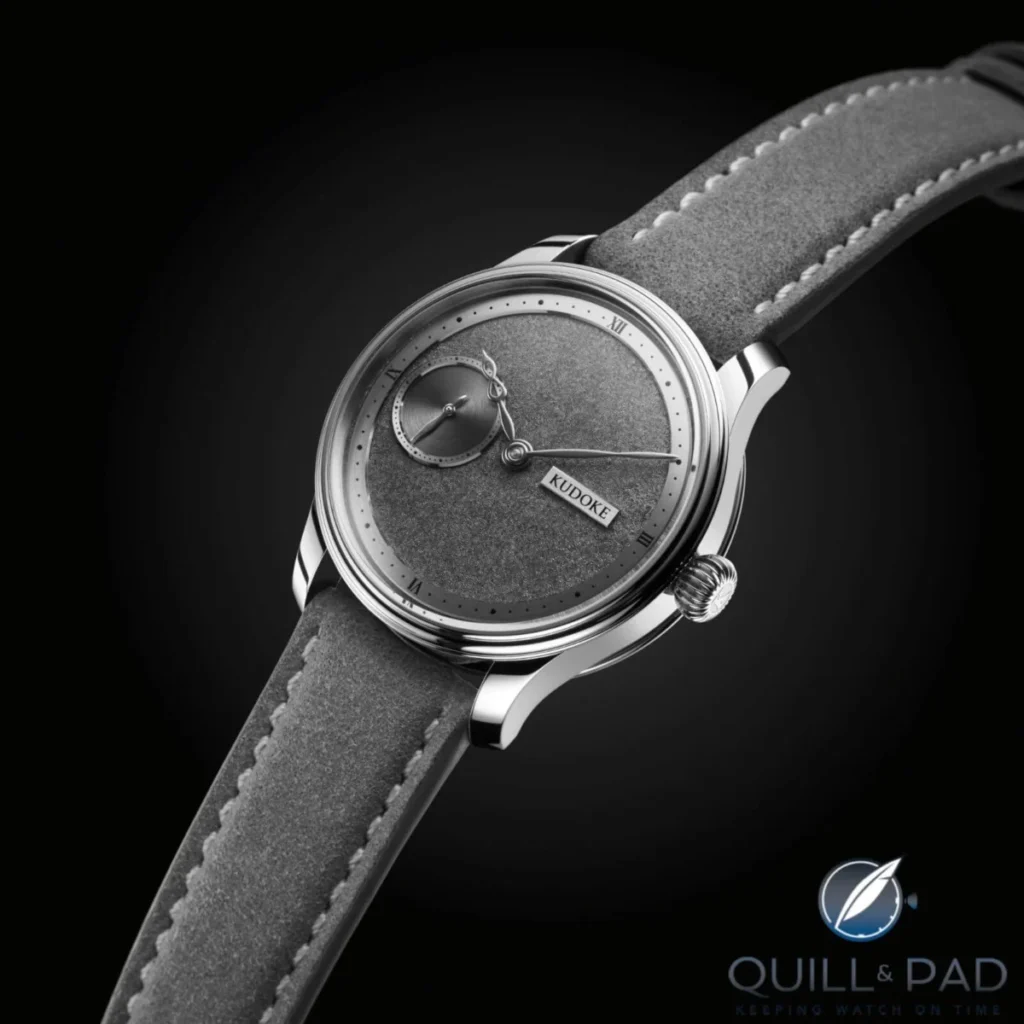
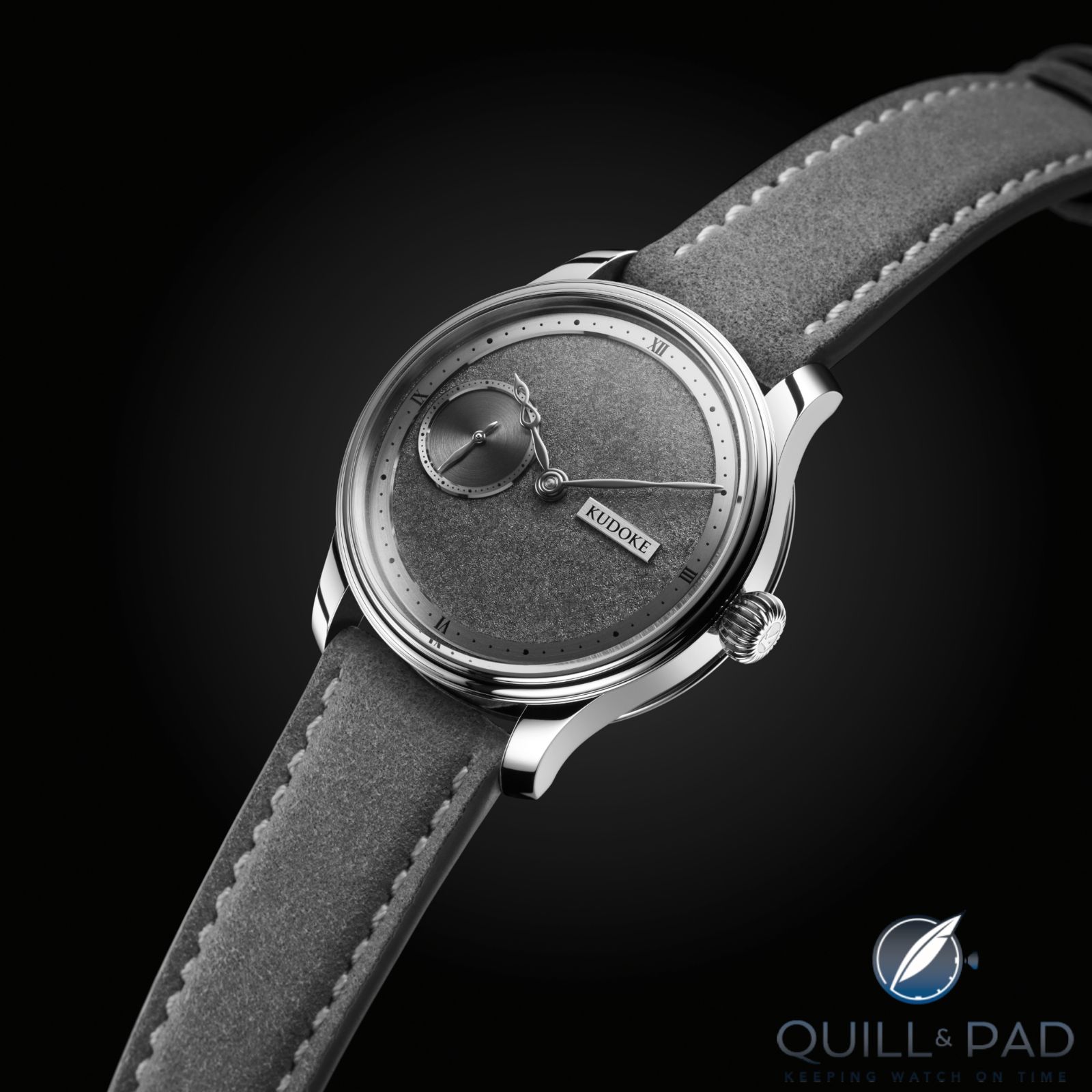
In early April 2026, Kudoke unveiled the Tremblage versions of the Kudoke 1 and 2 models from the Handwerk collection, showcasing a striking application of traditional engraving techniques on their leading timepieces. The intricate dials, adorned with centuries-old hand-engraving, represent a significant artistic statement in contemporary watchmaking, drawing inspiration from historical craftsmanship while embracing modern design.
The defining characteristic of the tremblage technique, setting it apart from other engraving methods, lies in the burin’s creation of a texture that is both uniform and seemingly chaotic. Unlike figurative motifs or precise geometric patterns found in classical engraving or guilloché work, tremblage achieves a nuanced surface through repeated, multi-directional passes of an oscillating burin. This meticulous process results in a subtly textured finish that demands exceptional skill and considerable time from the engraver, making it a rare and highly valued decorative art in horology.
The Rise of Tremblage in High Horology
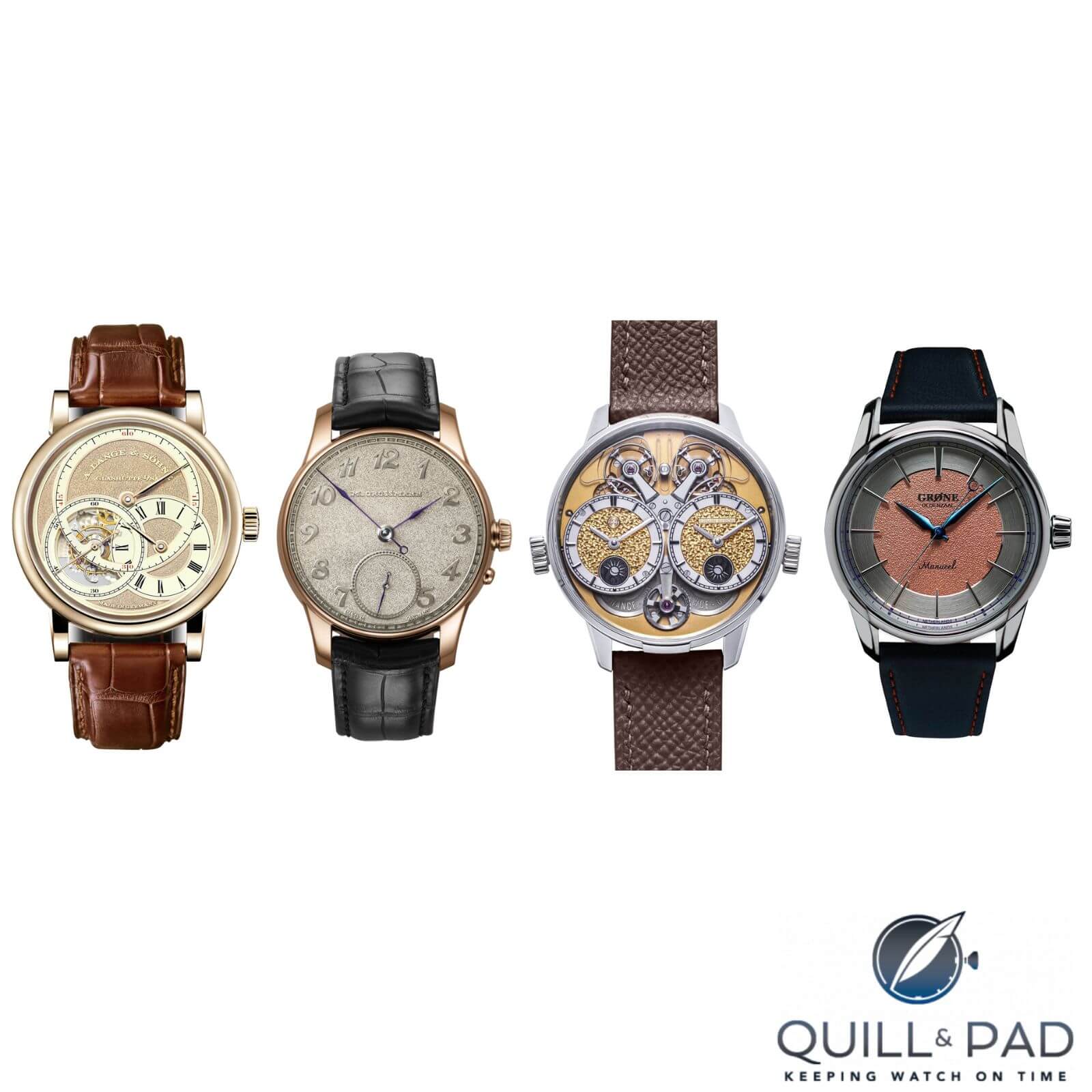
The exclusivity of the tremblage technique is evident in its limited adoption by watch brands. A. Lange & Söhne is credited with reintroducing and popularizing this demanding craft in modern watchmaking, notably on select models within their exclusive Handwerkskunst line, characterized by extremely limited production runs. The pioneering timepiece to feature tremblage was the Richard Lange Tourbillon "Pour le Mérite" Handwerkskunst Ref. 761.050, launched in 2011 with a production of just 15 units. This marked a significant moment, bringing the artistry of hand-engraving to the forefront of haute horlogerie.
Following A. Lange & Söhne’s lead, other esteemed manufacturers have embraced the tremblage technique. Moritz Grossmann, a fellow Glashütte-based brand, introduced its Tremblage series in 2021. Their initial models featured dials crafted from nickel silver, a material that develops a unique patina over time, contributing to unpredictable color shifts and enhancing the visual depth of the tremblage engraving. The Moritz Grossmann Tremblage line has since expanded to encompass a variety of designs, including the Backpage Tremblage, Tourbillon Tremblage, Tremblage Gold (with a surprising platinum variant), and the Tremblage Green. This sustained focus has led to Moritz Grossmann’s tremblage watches appearing with increasing frequency in the secondary market, often surpassing the visibility of their pioneer counterparts.
The expansion of the tremblage club continued with Grönefeld’s sub-brand, Gröne Oldenzaal, introducing their Manueel One watches with tremblage dials in 2024. The following year, Armin Strom joined the ranks with the limited edition Armin Strom & Regulateur Dual Time GMT Resonance "Tremblage" (reportedly limited to only five pieces). In 2026, Stefan Kudoke made his mark with the tremblage editions of the Kudoke 1 and Kudoke 2, further solidifying the technique’s presence in the luxury watch landscape.
Stefan Kudoke’s Innovative Approach to Tremblage
Stefan Kudoke, an independent watchmaker known for his creative ingenuity and ability to offer collector-grade timepieces at accessible price points, has developed a distinct method for achieving the tremblage effect. He has ingeniously streamlined the process to deliver the signature texture efficiently, allowing for a more competitive cost structure. Kudoke’s approach involves three key innovations:
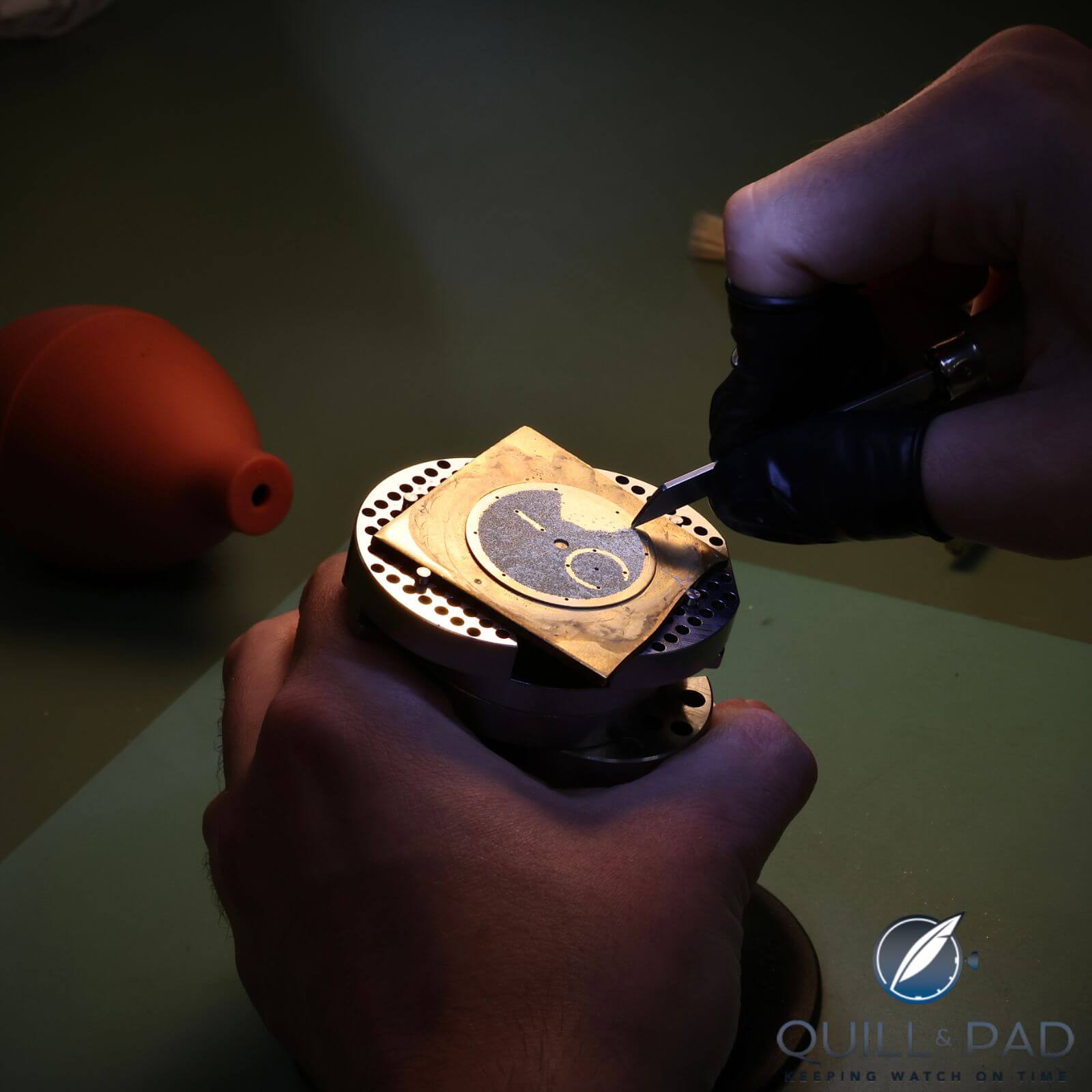
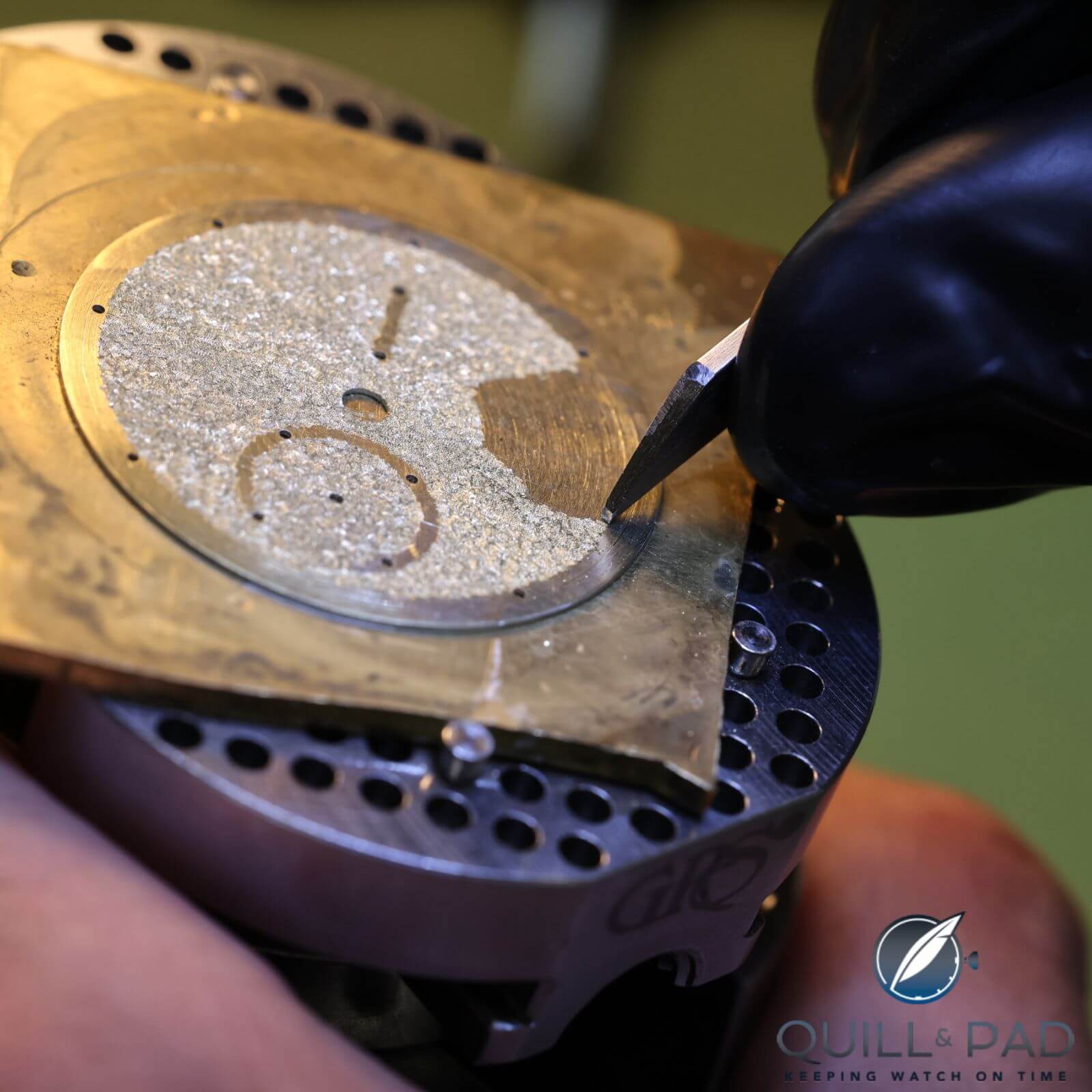
Firstly, he utilizes a brass plate as the base for his dials, eschewing solid gold or German silver. This choice significantly reduces material costs. Secondly, the dial design is based on a flat plate that is subsequently electroplated and fitted with appliqués. This construction means that precise finishing at the edges of engraved areas is less critical, as these margins are concealed beneath the applied components. This simplification streamlines the engraving process. Finally, Kudoke employs a serrated burin, a tool that allows for the rapid and consistent creation of the tremblage texture. This specialized tool is crucial in achieving the desired uniform, yet complex, surface finish more efficiently than traditional methods.
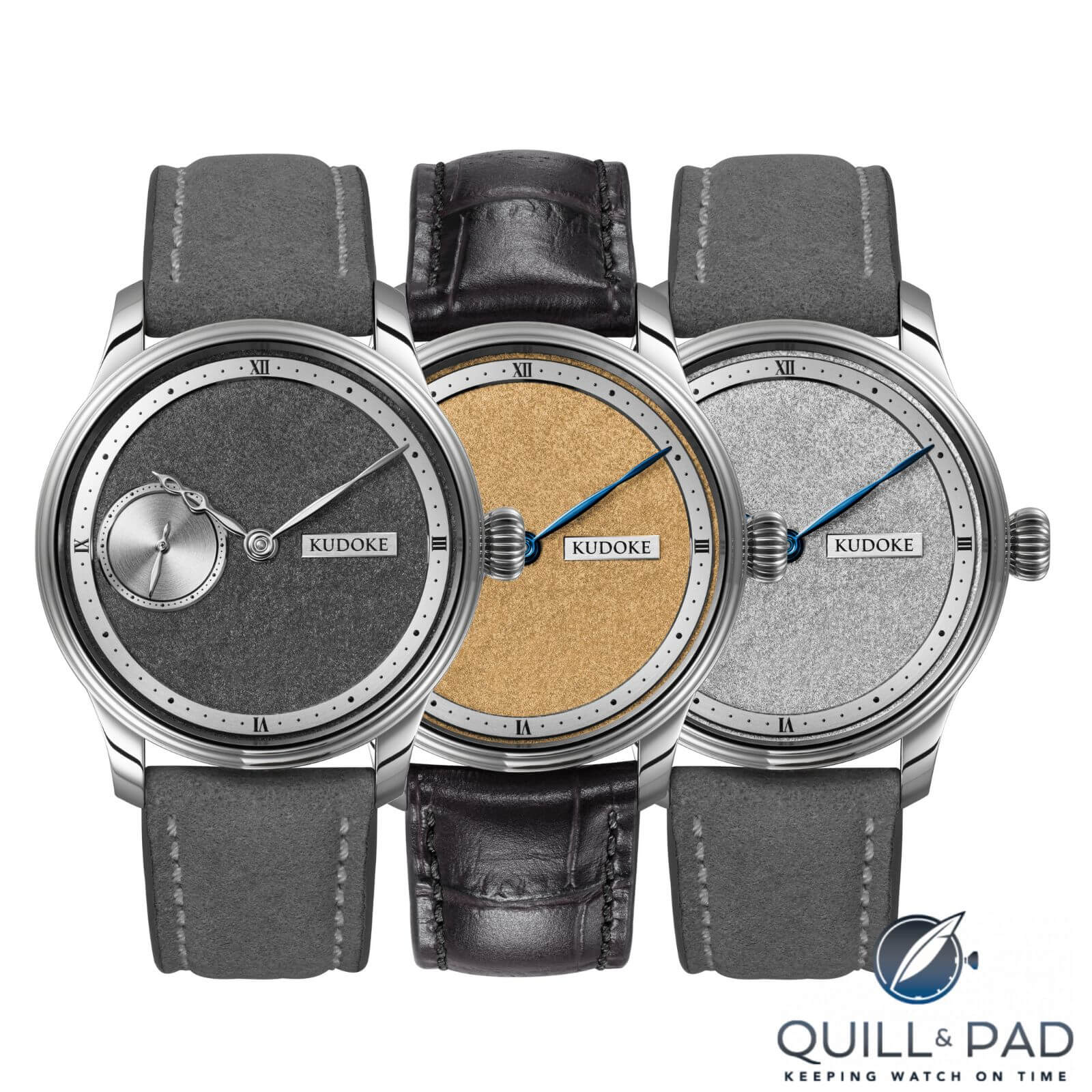
In his tremblage dials, Kudoke prioritizes maximizing the visual impact of the engraving. The Kudoke 1 model integrates the main tremblage dial with a small seconds subdial located at the 9 o’clock position. The Kudoke 2 model features the tremblage dial in conjunction with a day/night indicator, adding a functional complication to the artistic dial.
The resulting tremblage texture imparts a distinct aesthetic to Kudoke watches, moving beyond conventional decorative finishes. The matte surface created by the engraving lends these timepieces a somewhat austere, almost military-inspired appearance, offering a departure from overly ornate or "sugary" decorative styles. This approach positions Kudoke’s work as a unique blend of artistic severity and refined craftsmanship.
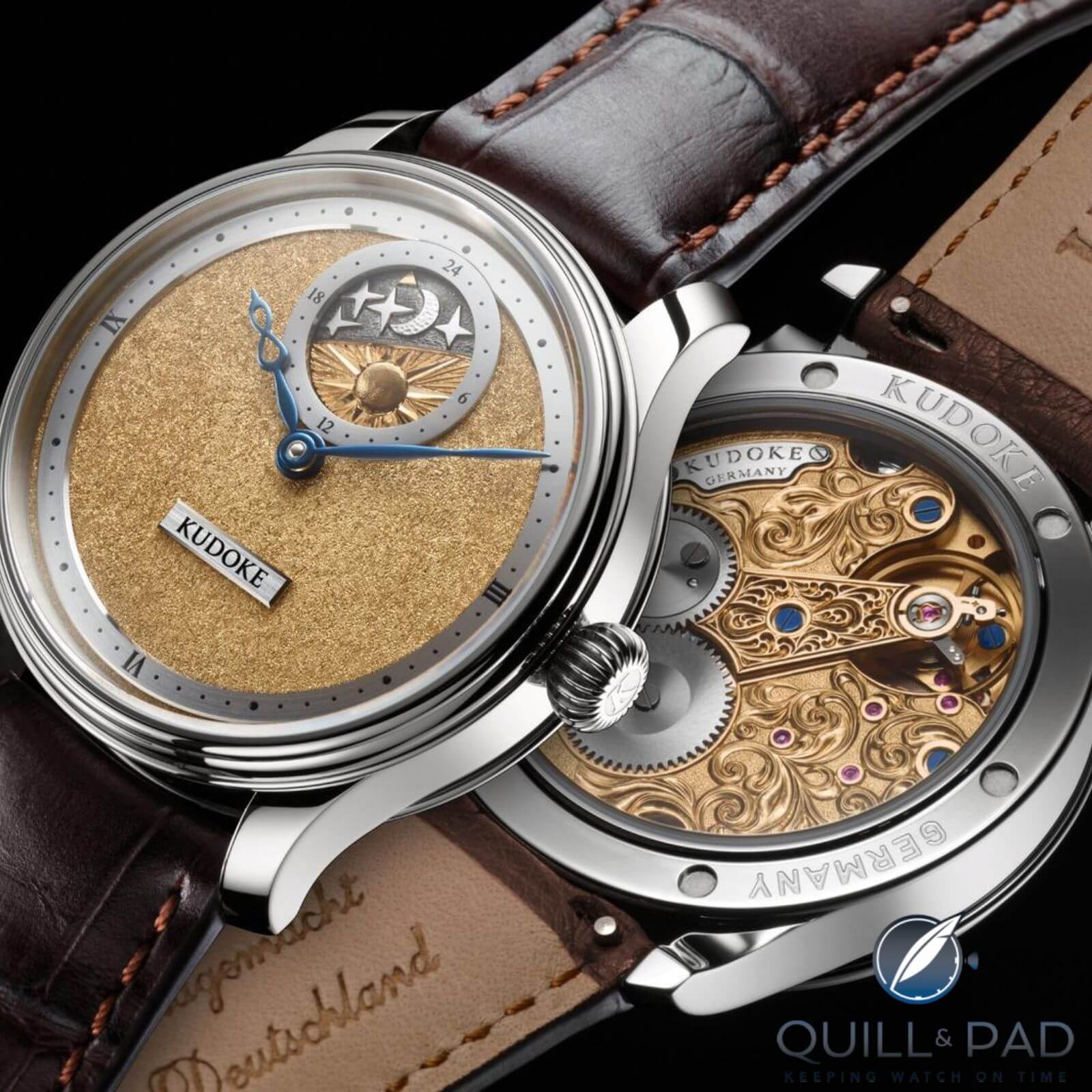
Kudoke offers the Tremblage dials in three distinct finishes for the Kudoke 1 model: gold-plated, rhodium-plated, and black rhodium-plated. All three variations are aesthetically compelling. The inclusion of blued hands further enhances the vintage appeal, adding a fitting archaic note. The spade-and-whip hand shapes, chosen for their historical resonance, first appeared in the late 18th century, notably utilized by prominent watchmakers like John Arnold in the 1770s.
Interestingly, the double-ended hour hand on the Kudoke 1, intended by Kudoke to resemble an infinity symbol, also evokes the double-spade hour hand characteristic of traditional half-hunter pocket watches. This visual connection might even suggest the potential for a half-hunter case cover on the wristwatch, a detail that could further enhance its historical allusion.
The Foundation of Kudoke’s Craftsmanship: Kaliber 1
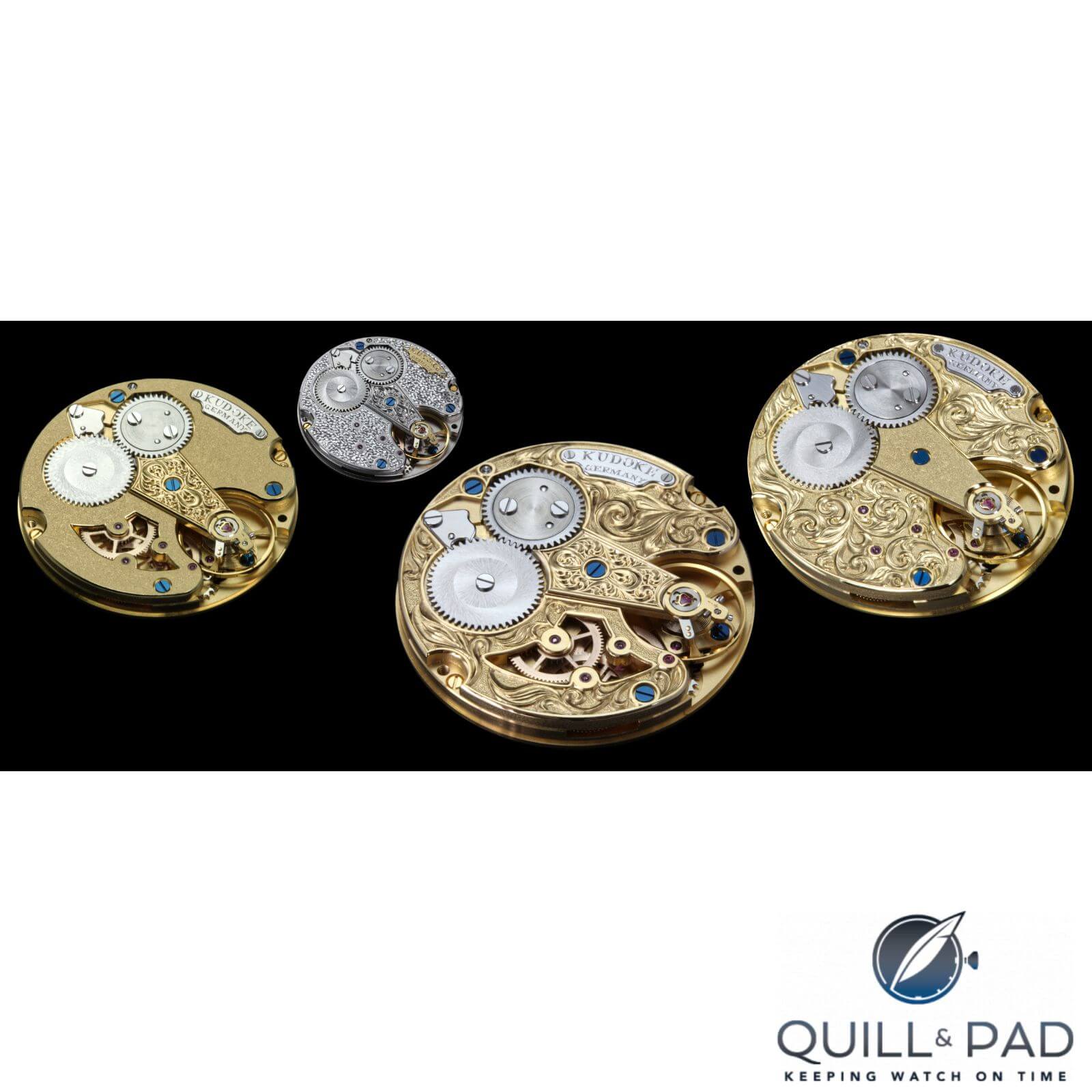
Beyond the captivating dials, the true essence of Kudoke’s independent watchmaking philosophy is revealed when one examines the movement. The Handwerk collection, Kudoke’s flagship series, is powered by a unique caliber, simply named Kaliber 1. This movement stands in stark contrast to the ubiquitous industrial calibers like the ETA 2892, Sellita SW200, or Unitas 6497/6498, which are often used by independent brands to manage costs and complexity. Kaliber 1 is a testament to Kudoke’s commitment to developing distinctive and specialized movements.
The design of Kaliber 1 is immediately striking for its uniqueness. Stefan Kudoke himself acknowledges that its origins trace back to an antique English pocket watch caliber from the 19th century that he acquired. The stylistic lineage of this movement design can be further traced to the late 18th century, a period when English watchmakers like John Arnold and Thomas Earnshaw began to move away from the ornate Baroque balance cock. They adopted a more utilitarian aesthetic, influenced by the burgeoning Industrial Revolution, opting for symmetrically positioned, simply shaped, stepped trapezoidal balance cocks.
The central balance cock of Kudoke’s Kaliber 1, subtly elevated above the symmetrical backplate and flanked by the crown wheel and ratchet wheel, is a key visual element. Its distinctive architecture hints at a rich horological history, which, upon deeper investigation, reveals a fascinating narrative tied to the evolution of watch movement design.
The Ingenious Legacy of the Valjoux 7750
The story behind Kaliber 1 is intrinsically linked to the enduring legacy of the Valjoux 7750. The challenges faced by independent watchmakers in the early 2000s, particularly following Swatch Group’s strategic shift to limit ebauche supplies to external entities, spurred innovation. Richard Habring, an Austrian independent watchmaker renowned for his adaptations of the Valjoux 7750 chronograph caliber, took a proactive approach. He decided to develop his own base movement by leveraging the fundamental architecture of the 7750, whose intellectual property rights had long expired since its introduction in 1972.
Habring’s approach involved utilizing the core kinematic components of the 7750, effectively stripping away the chronograph and self-winding mechanisms. This resulted in his A11 caliber, introduced in 2011, which represented his distinct interpretation of a simplified, manual-winding base movement derived from the 7750. This initiative allowed independent watchmakers to create their own exclusive calibers without the prohibitive costs and complexities of developing entirely new movements from scratch.
Richard Habring was not alone in this endeavor. Naoya Hida, a Japanese watchmaker who founded his eponymous brand in 2018, also relies on a stripped-down 7750 caliber as the foundation for his collection’s movements. Around 2018, Stefan Kudoke initiated a collaboration with Richard Habring, adapting the A11 caliber to his own design principles, incorporating a symmetrical layout and a central balance cock, which would ultimately form the basis for Kudoke’s Kaliber 1.
The strategic utilization of the "gold remnant" of the 7750 by watchmakers like Habring, Hida, and Kudoke is a pragmatic response to the demands of contemporary independent watchmaking. By the early 1970s, Swiss watchmaking had perfected the art of producing highly functional, manual-winding calibers with minimal complications, typically featuring two or three hands. While automatic winding and chronographs were considered advanced features at the time, the core mechanical principles of timekeeping had reached a high degree of refinement.
It is noteworthy that the automatic winding system and chronographs were viewed as avant-garde developments in the early 1970s. The introduction of the first automatic Rolex Daytona in 1988, 16 years after the Valjoux 7750, underscores the evolutionary path of these complications.
Panerai also utilized a derivative of the 7750, the OP III caliber, developed by Soprod in the late 1990s. This three-hand automatic movement, stripped down from the 7750, featured a small seconds subdial at 9 o’clock. This layout was crucial for Panerai, allowing them to replicate the rugged, military aesthetic reminiscent of their historical Egiziano models from 1956, which housed the 8-day Angelus cal. SF240 with a similarly positioned small seconds. This strategic choice enabled Panerai to maintain its brand identity and historical narrative, even while employing a modern, adapted movement.
Kudoke’s Distinctive Voice in Decorative Watchmaking
Within the specialized niche of watches featuring tremblage finishing, Kudoke timepieces distinguish themselves through their unique stylistic identity. Stefan Kudoke offers a personal interpretation of decorative watches, avoiding the excessive ornamentation that can sometimes overwhelm contemporary pieces in this genre. His approach results in timepieces that are both artistically significant and aesthetically balanced.
The Kudoke 1 Tremblage models are available in three distinct finishes: gold-plated, rhodium-plated, and black rhodium-plated. Each offers a different visual character, but all share the striking tremblage dial. The addition of blued spade-and-whip hands enhances the vintage appeal, adding a refined touch that complements the complex dial texture.
The Kudoke 2 Tremblage, with its integrated day/night indicator, presents a functional complication against the backdrop of the meticulously engraved dial. The subtle texture of the tremblage serves as a sophisticated counterpoint to the signature indicator, demonstrating Kudoke’s ability to harmonize artistic decoration with practical watchmaking.
In conclusion, Kudoke’s recent unveiling of the Tremblage versions of the Kudoke 1 and 2 models highlights a masterful fusion of ancient artisanal techniques with modern watchmaking innovation. The tremblage technique, demanding immense skill and patience, finds a new expression in Kudoke’s designs, enhanced by his ingenious approach to efficiency and cost-effectiveness. Furthermore, the adoption of a unique in-house caliber, rooted in historical horological principles derived from the foundational Valjoux 7750, underscores Kudoke’s commitment to creating timepieces that are not only visually captivating but also technically distinctive. These watches stand as compelling examples of how tradition and innovation can converge to create objects of enduring horological artistry.