Nearly a century after President Franklin D. Roosevelt’s iconic declaration, "The only thing to fear is fear itself," a profound sense of apprehension is once again permeating the American automotive landscape. However, unlike the Great Depression, the current challenges are not solely internal. A new wave of global competition, spearheaded by rapidly advancing Chinese automakers, is poised to significantly reshape the industry, prompting introspection and strategic recalibration among established U.S. manufacturers.
The Shifting Tides of Automotive Power
The historical parallel drawn between the economic anxieties of the 1930s and the present-day concerns of American automakers highlights a fundamental shift in global economic dynamics. Roosevelt’s words were a call to action, an effort to galvanize a nation facing unprecedented economic hardship and the looming threat of global conflict. Today, the challenges are of a different nature, but the need for confidence and strategic foresight remains paramount. While no single political figure has stepped forward with a unifying, reassuring message for the titans of Detroit, the whispers of concern among their executive ranks are growing louder. The primary source of this unease is the accelerating incursion of Chinese automotive brands into global markets, a phenomenon that is now increasingly targeting the very heartland of American automotive manufacturing.
For decades, the primary competitive threats to U.S. automakers originated from established European and Japanese manufacturers. Brands like Volkswagen, Toyota, and Honda became familiar adversaries, their strengths and weaknesses well-understood. The current wave, however, represents a less familiar, yet potentially more disruptive, force. Chinese automakers, once primarily focused on their vast domestic market, have matured at an astonishing pace, leveraging rapid technological advancements, significant government support, and a burgeoning domestic consumer base to build formidable global ambitions.
Understanding the New Contenders: Beyond the Familiar Names
While names like BYD, Geely, and MG (now owned by SAIC Motor) have begun to register on the radar of global consumers and industry observers, the full scope of China’s automotive prowess is still emerging. The question posed to industry enthusiasts – "how many companies can you name?" – underscores a critical knowledge gap. Identifying the leading Chinese automakers requires a deeper dive into a complex and rapidly evolving corporate ecosystem. This is not merely about recognizing a few prominent brands; it’s about understanding the strategic depth and technological capabilities of a nation that has become the world’s largest automobile producer.
The implications of this evolving competitive landscape are multifaceted. For American consumers, the influx of new brands could translate into greater choice, potentially more competitive pricing, and access to innovative technologies. However, for the established American players, it signifies a direct challenge to market share, brand loyalty, and the very foundations of their manufacturing and supply chain infrastructure. The historical narrative of American automotive dominance, forged in the era of mass production and iconic designs, is now being tested by a new paradigm of electrification, intelligent vehicle technology, and globalized manufacturing strategies.
A Timeline of Ascent: China’s Automotive Journey
The rise of China’s automotive industry is not a sudden overnight phenomenon. It is the result of decades of strategic planning, investment, and technological absorption.
- Early Stages (1980s-1990s): Initially, China’s automotive sector was characterized by joint ventures with established foreign automakers. This period was crucial for transferring technology and manufacturing expertise. Companies like Volkswagen and General Motors established significant presences, laying the groundwork for domestic production capabilities. The focus was largely on meeting the burgeoning demand within China’s domestic market.
- Growth and Expansion (2000s-2010s): As China’s economy boomed, so did its car market. Domestic brands began to emerge and gain traction, often by building upon the technologies learned in joint ventures. Companies like Geely and BYD started to make their mark, initially focusing on more affordable segments. Government policies provided incentives for domestic production and research and development.
- The Electrification Revolution (2010s-Present): The global push towards electrification provided a pivotal opportunity for Chinese automakers. Recognizing the transformative potential of electric vehicles (EVs), Chinese companies invested heavily in battery technology, electric powertrains, and charging infrastructure. This proactive approach allowed them to leapfrog some of the challenges faced by legacy automakers in transitioning to EVs. BYD, in particular, emerged as a global leader in battery production and EV sales.
- Global Ambitions (Late 2010s-Present): With a mature domestic market and advanced EV technology, Chinese automakers began to set their sights on international expansion. They started exporting vehicles, initially to developing markets, and then increasingly to more developed regions in Europe and Southeast Asia. Acquisitions of established foreign brands and manufacturing facilities also played a role in accelerating their global reach.
This timeline illustrates a strategic evolution from technology absorption to independent innovation and aggressive global market penetration.
Key Players in the Chinese Automotive Arena
While BYD, Geely, and SAIC Motor (owner of MG) are perhaps the most recognized names internationally, the Chinese automotive landscape is populated by a diverse array of manufacturers, each with its own strengths and market focus. Understanding these entities is crucial to appreciating the breadth of the competitive challenge.
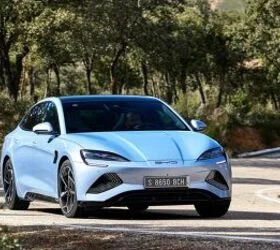
- BYD Company Limited: A true powerhouse, BYD has transcended its origins as a battery manufacturer to become one of the world’s largest producers of electric vehicles and plug-in hybrid vehicles. Its vertical integration, encompassing battery production, semiconductors, and vehicle manufacturing, provides a significant competitive advantage. BYD’s product range spans from affordable passenger cars to commercial vehicles and even electric buses, demonstrating a comprehensive approach to electrification. Its aggressive global expansion strategy has seen it enter markets across Europe, Asia, and Latin America.
- Zhejiang Geely Holding Group Co., Ltd.: Geely is a prime example of strategic global acquisition and brand building. It owns a portfolio of well-known automotive brands, including Volvo Cars, Polestar, Lotus, Lynk & Co, and Zeekr, in addition to its own Geely Auto brand. This diversified approach allows Geely to cater to a wide spectrum of consumer preferences and market segments, from premium to mass-market, and from internal combustion engines to advanced EVs. Its ownership of Volvo has provided invaluable access to Western safety standards and engineering expertise.
- SAIC Motor Corporation Limited: As one of China’s largest state-owned automotive manufacturers, SAIC Motor is a significant player both domestically and internationally. Its most visible international brand is MG, which has seen a remarkable resurgence in global markets, particularly in Europe and Australia, by offering competitively priced vehicles with modern features. SAIC also has long-standing joint ventures with Volkswagen and General Motors in China, contributing to its vast production scale.
- Great Wall Motor Company Limited (GWM): GWM is known for its focus on SUVs and pickup trucks, with brands like Haval and Wingle gaining international recognition. In recent years, GWM has also made significant strides in developing new energy vehicles (NEVs) through its Ora and Wey brands, targeting the premium and urban mobility segments.
- Changan Automobile Group: Another major state-owned enterprise, Changan is a significant player in the Chinese market, producing a wide range of vehicles. It has also been actively developing its NEV capabilities and exploring international partnerships and export opportunities.
- Chery Automobile Company Ltd.: Chery has historically focused on affordable vehicles and has a presence in numerous export markets. It has been investing in electrification and is looking to expand its footprint in more developed economies.
- NIO Inc.: A pioneer in the premium EV segment, NIO is known for its innovative battery-swapping technology and its focus on building a community around its brand. While it has faced financial challenges, its technological advancements and premium positioning make it a notable competitor.
- XPeng Inc.: XPeng is another EV startup that has garnered attention for its advanced driver-assistance systems (ADAS) and its sleek, tech-forward designs. It is actively expanding its international presence, particularly in Europe.
- Li Auto Inc.: Li Auto differentiates itself by focusing on extended-range electric vehicles (EREVs), which offer a combination of electric propulsion with a small gasoline generator for extended range. This approach addresses range anxiety for some consumers and has proven popular in the Chinese market.
This list, while not exhaustive, highlights the depth and diversity of China’s automotive industry, demonstrating a capacity to compete across multiple segments and technological frontiers.
Supporting Data: The Scale of the Challenge
The sheer scale of China’s automotive production and its rapid technological advancements are underscored by several key data points:
- Global Production Dominance: In 2023, China surpassed Japan to become the world’s largest automobile exporter. Chinese automakers exported an estimated 4.91 million vehicles, a significant increase from previous years. This export growth is a direct indicator of their expanding global reach and competitiveness.
- EV Market Leadership: China is the undisputed leader in the global electric vehicle market. In 2023, China produced and sold over 9 million new energy vehicles (NEVs), accounting for more than half of the global total. BYD alone sold over 3 million vehicles in 2023, making it the world’s largest seller of EVs.
- Technological Investment: Chinese automakers are investing heavily in research and development, particularly in areas like battery technology, autonomous driving, and artificial intelligence. This investment is crucial for developing next-generation vehicles and maintaining a competitive edge.
- Government Support: The Chinese government has provided substantial support to its automotive industry, particularly for the development of NEVs. This support has included subsidies, tax incentives, and preferential policies, which have helped accelerate the industry’s growth and technological advancement.
- Market Share Gains in Europe: Chinese EV brands are making significant inroads into the European market. In 2023, their market share in the European EV segment reached approximately 8%, a substantial increase from previous years, and is projected to continue growing. Brands like BYD, MG, and Nio are actively expanding their dealer networks and product offerings across the continent.
These figures paint a clear picture of an industry that has moved beyond simply producing affordable cars to becoming a formidable global force, driven by innovation, scale, and strategic government backing.
Official Responses and Industry Reactions
The growing presence of Chinese automakers has elicited a range of responses from established players and policymakers in the U.S. and Europe.
- U.S. Automakers: While official statements from U.S. automakers often emphasize their own innovation and commitment to electrification, there is an underlying awareness of the competitive pressure. Executives are closely monitoring the advancements and market penetration of Chinese brands. The focus is on accelerating their own EV development, enhancing battery technology, and strengthening their supply chains to remain competitive. There’s also a growing discussion about the need for strategic partnerships and potential protectionist measures to level the playing field.
- European Automakers and Policymakers: Europe, being a more immediate battleground for Chinese auto exports, has seen more direct responses. The European Union has launched an anti-subsidy investigation into Chinese EV imports, citing concerns that these vehicles benefit from unfair state support. This investigation could lead to the imposition of tariffs, which would significantly impact the competitiveness of Chinese EVs in the European market. European automakers are also investing heavily in their own EV technologies and exploring strategies to compete more effectively.
- U.S. Government: The U.S. government is also paying close attention to the evolving automotive landscape. Concerns have been raised about national security implications related to data privacy and the reliance on foreign supply chains. Discussions are ongoing regarding potential policies to support domestic EV manufacturing and battery production, such as the Inflation Reduction Act, which provides incentives for EVs assembled in North America and for batteries produced with domestic materials. The focus is on ensuring a level playing field and protecting American jobs and industries.
These varied responses highlight the complex geopolitical and economic dimensions of the global automotive competition.
Broader Impact and Implications: A New Automotive Paradigm
The ascendancy of Chinese automakers signifies more than just increased competition; it represents a potential paradigm shift in the global automotive industry.
- Acceleration of Electrification: The intense competition, particularly from Chinese EV manufacturers, is likely to accelerate the global transition to electric vehicles. The drive for innovation and market share will push all manufacturers to develop more advanced, affordable, and appealing EVs.
- Shifting Supply Chains: The reliance on global supply chains, especially for critical components like batteries and semiconductors, will be under increased scrutiny. Countries and companies will likely seek to diversify their supply sources and enhance domestic manufacturing capabilities to reduce vulnerabilities.
- Technological Innovation: The rapid pace of technological development in China, particularly in areas like battery technology, autonomous driving, and in-car connectivity, will likely spur further innovation globally. This competition can lead to faster adoption of new technologies and improved vehicle performance and features.
- Geopolitical Considerations: The automotive industry is increasingly intertwined with geopolitical dynamics. Trade policies, national security concerns, and the quest for technological dominance will play a significant role in shaping the future of global automotive markets.
- Consumer Choice and Affordability: For consumers, the increased competition could lead to a wider array of choices and potentially more affordable vehicle options, especially in the EV segment. However, it also raises questions about long-term sustainability, brand loyalty, and the impact on domestic employment.
The challenges facing American automakers are substantial and require a strategic and forward-looking approach. While the specter of fear may linger, it is the proactive embrace of innovation, adaptation, and strategic global engagement that will ultimately determine the future of the American automotive industry in this new era of intense global competition. The lessons of history, from Roosevelt’s call for courage to the present-day need for strategic foresight, are more relevant than ever. The industry must navigate these complexities with a clear understanding of the evolving global landscape, leveraging its own strengths while adapting to the undeniable rise of new global contenders. The outcome will not only shape the future of mobility but also reflect the shifting balance of economic power on the world stage.