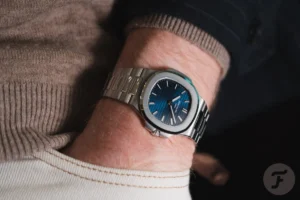
Tudor has unveiled its latest timepiece, the Northflag GMT M9140G1A0U, a significant release that deviates from the brand’s established product launch cadence. This move, occurring outside the traditional Watches & Wonders showcase, signals a potential shift in Tudor’s communication strategy, sparking discussion among industry observers about the evolving dynamics of new product introductions in the luxury watch market. While the watch itself is met with considerable acclaim for its design and functionality, the timing of its debut raises broader questions about brand messaging and consumer engagement.

A Departure from Tradition: Tudor’s Off-Cycle Release Strategy
For years, the annual Watches & Wonders exhibition in Geneva has served as the premier stage for major Swiss watch brands, including Tudor and its sister company Rolex, to unveil their most anticipated novelties. This concentrated period allows for a significant media splash, generating widespread attention and facilitating a cohesive narrative around new collections. However, Tudor’s decision to introduce the Northflag GMT M9140G1A0U outside this established timeframe suggests a deliberate exploration of alternative launch strategies.
This deviation is not unprecedented in the broader industry, with some brands opting for staggered releases throughout the year to maintain a consistent presence in the media and cater to evolving consumer purchasing patterns. Tudor, with its robust market position and established brand equity, is well-equipped to execute such a strategy. The rationale behind this move could be multifaceted, potentially aiming to capture sustained media attention, to test the market’s reception to off-cycle releases, or to align with specific market trends or geographical consumer interests.

Reimagining the North Flag: From Quirky Tool to GMT Essential
The original Tudor North Flag, introduced in 2015, was a distinctive timepiece that aimed to carve out a unique niche. Marketed as a watch for polar exploration and extreme conditions, it featured a robust stainless steel case, an in-house movement with a power reserve indicator, and a design that, while functional, proved somewhat polarizing. The brand’s narrative around its cold-weather credentials, however, did not fully resonate with a broad segment of the watch-buying public, leading to its somewhat niche appeal.
The second-generation Northflag, now presented as the GMT M9140G1A0U, represents a significant evolution, addressing some of the challenges faced by its predecessor. The most prominent alteration is the replacement of the power reserve indicator with a highly sought-after GMT complication. This change, coupled with a refined aesthetic, transforms the Northflag into a more universally appealing and contemporary timepiece. The GMT function, a staple in the travel watch category, immediately lends the watch a sense of practical utility and trend relevance that may have been less pronounced in the original model.

Design Evolution and Technical Prowess
The Tudor Northflag GMT M9140G1A0U boasts a meticulously crafted 40mm stainless steel case, maintaining a balanced profile with a thickness of 12.7mm. The case is engineered for durability and wearability, featuring a water resistance rating of 100 meters, making it suitable for a variety of environments. A signature element is the box-style, anti-reflective sapphire crystal that protects the dial, evoking a vintage aesthetic while providing modern clarity and robustness.
The dial itself is a study in utilitarian design, finished in matte black with high-contrast white indices and applied hour markers. This configuration ensures exceptional legibility, a critical feature for any tool watch. Color is judiciously introduced through a vibrant yellow seconds hand and a matching GMT hand, adding a subtle yet distinctive visual flair. The overall design of the case and bracelet is unique within Tudor’s current catalog, presenting a modern and purposeful aesthetic that stands apart from its more heritage-inspired collections.

The Heart of the Matter: Caliber MT5652-U
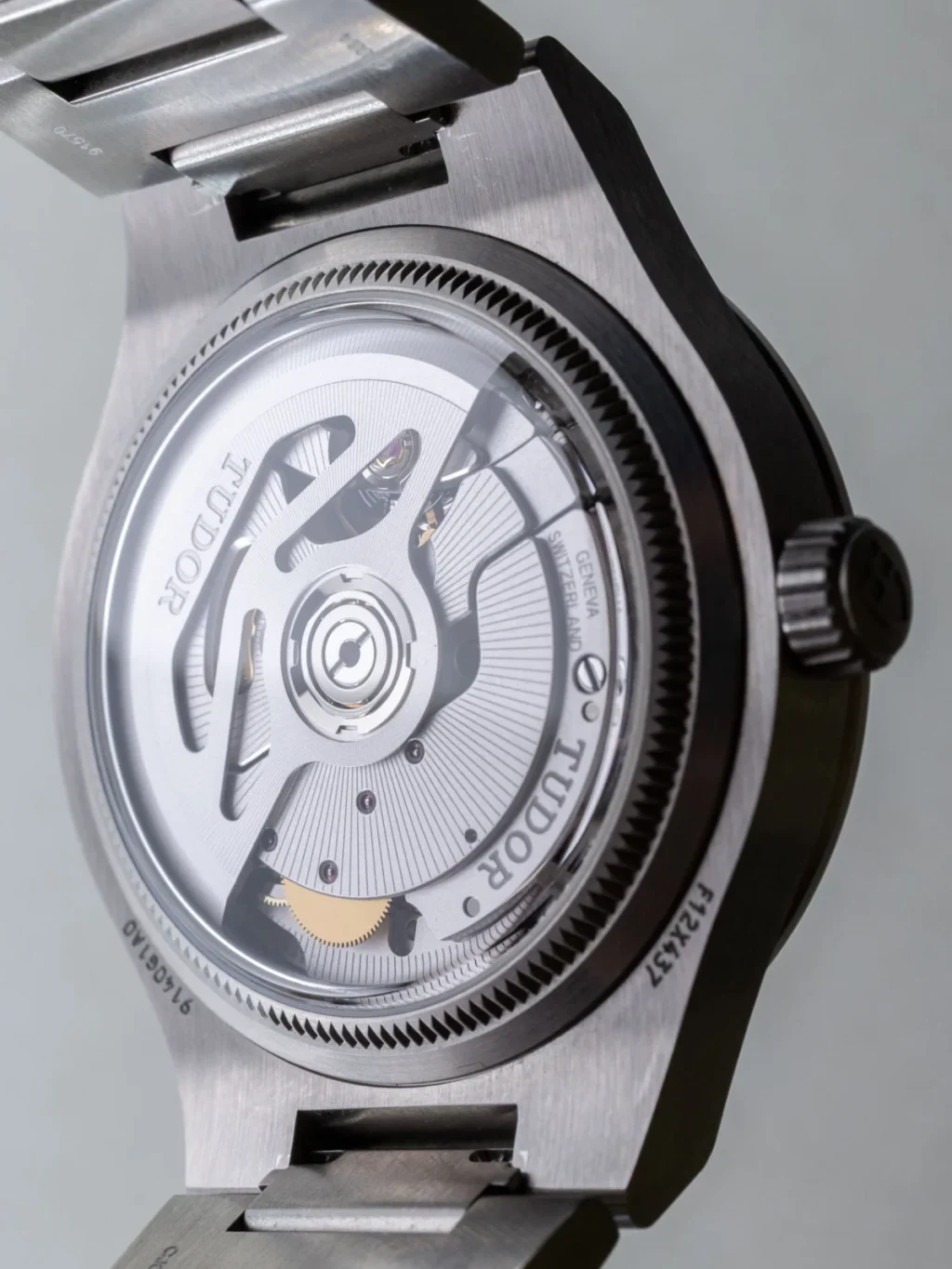
Powering the Northflag GMT M9140G1A0U is Tudor’s in-house automatic movement, the Caliber MT5652-U. This self-winding caliber is a testament to Tudor’s commitment to technical excellence and reliability. It operates at a frequency of 4Hz (28,800 vibrations per hour) and offers an impressive power reserve of approximately 65 hours. The movement is certified by both COSC (Contrôle Officiel Suisse des Chronomètres) and METAS (The Swiss Federal Institute of Metrology) as a "Master Chronometer," signifying exceptional accuracy and performance under stringent testing conditions.
The GMT functionality is expertly integrated, allowing for the display of a second time zone via the dedicated 24-hour hand. The movement also features a central seconds display and a date complication, which is conveniently located in a window on the dial. A particularly appreciated feature for watch enthusiasts is the sapphire crystal caseback, which offers a view of the intricate workings of the MT5652-U movement, a feature not always present in Tudor’s more tool-oriented watches.

Bracelet and Comfort: The T-Fit System
The Northflag GMT is presented on a tapering two-link stainless steel bracelet, a design that, while not universally favored, contributes to the watch’s distinctive character and comfort. A significant enhancement for wearability is the integration of Tudor’s "T-Fit" rapid micro-adjustment system in the clasp. This innovative feature allows for quick and easy adjustments to the bracelet length, ensuring a perfect fit throughout the day, a crucial element for comfort during travel or varying physical activities.
Pricing and Market Positioning
The Tudor Northflag GMT M9140G1A0U is positioned competitively within the luxury watch market, priced at $5,525 USD. This price point places it in direct comparison with other GMT models within Tudor’s own collection, such as the popular Black Bay GMT. The inclusion of a Master Chronometer-certified in-house movement, a robust build, and the desirable GMT complication at this price point underscores Tudor’s strategy of offering high-value propositions within the accessible luxury segment.

Industry Implications and Future Trends
Tudor’s decision to launch the Northflag GMT outside the traditional launch window invites broader analysis of the watch industry’s evolving marketing and sales paradigms. The practice of releasing new models in concentrated bursts, while beneficial for immediate impact, can also lead to consumer paralysis and decision fatigue. As the author of the original article noted, a more consistent, albeit staggered, release schedule might allow consumers to make more considered purchasing decisions without the constant pressure of anticipating the "next big thing."
For brands like Tudor and Rolex, which command significant market attention, experimenting with communication strategies is a natural progression. Their willingness to explore new avenues, even if met with some initial debate, reflects a dynamic industry adapting to digital media trends and changing consumer behaviors. The success of the Northflag GMT, both in terms of market reception and its strategic launch timing, will likely serve as a benchmark for future product introductions from Tudor and potentially influence other brands in the luxury watch sector. The focus on functional complications like the GMT, combined with robust in-house movements and refined aesthetics, continues to be a winning formula for brands seeking to capture the attention of discerning watch collectors.

The Northflag GMT, with its blend of historical reference and modern innovation, stands as a compelling example of Tudor’s ability to evolve its product offerings while staying true to its core values of quality, performance, and distinctive design. Whether its off-cycle debut becomes a sustained trend or a one-off experiment, the M9140G1A0U Northflag GMT has undoubtedly made its mark, prompting thoughtful consideration of how luxury timepieces are brought to market in the 21st century.