A monumental undertaking in renewable energy has officially commenced construction in the arid expanse of Arizona’s Mojave Desert. Project Sterling, a colossal solar farm boasting a 450-megawatt (MW) capacity and an integrated, high-capacity battery storage system, has broken ground, marking a significant stride in the state’s clean energy landscape. The project, spearheaded by ContourGlobal, has already secured a substantial commitment, with electric vehicle and energy giant Tesla agreeing to purchase approximately 90% of its expected electricity output through a long-term power purchase agreement. This landmark deal underscores the growing demand for reliable, large-scale renewable energy and highlights Tesla’s continued investment in grid-scale energy solutions.
A New Era for Arizona’s Energy Grid
The groundbreaking ceremony for Project Sterling was held on October 6, signaling the formal commencement of construction for this ambitious venture. Situated approximately 20 miles north of Lake Havasu City in Mohave County, the project is set to transform over 2,000 acres of desert terrain into a hub of clean energy generation. This strategic location in the Mojave Desert, known for its abundant sunshine, is ideal for maximizing solar energy capture. Project Sterling is anticipated to come fully online and begin contributing to the power grid in 2028, a timeline that reflects the extensive planning and engineering required for such a large-scale infrastructure project.
The sheer scale of Project Sterling is impressive. The solar array will comprise more than 760,000 individual solar panels. While the panels will have a combined direct current (DC) capacity of 509 MW, the alternating current (AC) capacity delivered to the grid after conversion will be 450 MW. This conversion process is standard for integrating solar power into existing electrical infrastructure.
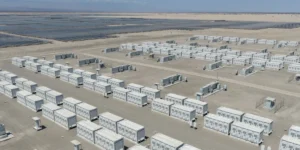
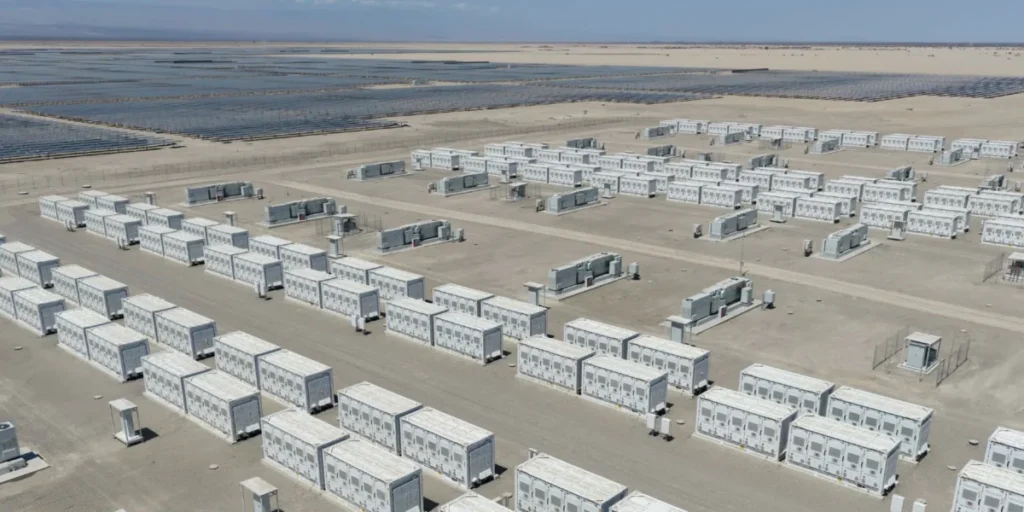
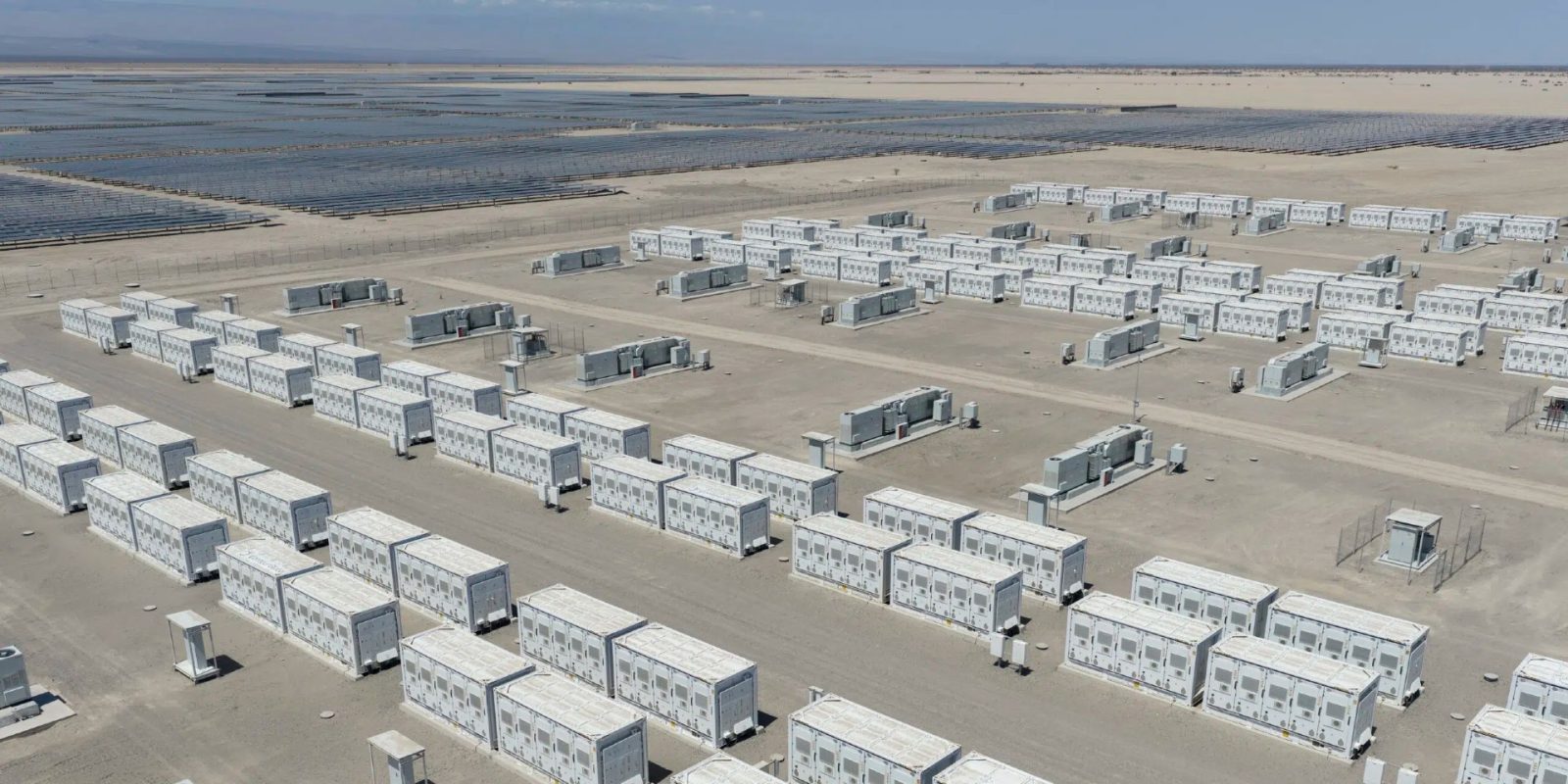
Complementing the solar generation is a substantial battery storage system, designed to ensure a consistent and reliable power supply. The facility will house over 300 battery storage containers, capable of delivering up to 360 MW of power. Crucially, these batteries will store approximately 1.4 gigawatt-hours (GWh) of electricity. This storage capacity is significant, enabling the system to discharge at its full power output for about four hours. ContourGlobal estimates that the combined solar and storage capabilities will allow Project Sterling to deliver clean electricity for up to 16 hours per day, a critical advancement in overcoming the intermittency inherent in solar power generation.
Advanced Battery Technology for Enhanced Reliability
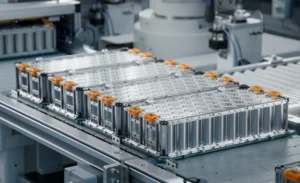
The battery technology employed in Project Sterling is a key component of its advanced design. The system will utilize lithium iron phosphate (LFP) batteries, a chemistry increasingly favored in grid-scale applications due to its safety, longevity, and cost-effectiveness compared to some other lithium-ion chemistries. These LFP batteries will be equipped with sophisticated liquid cooling systems to maintain optimal operating temperatures, which is essential for performance and lifespan. Furthermore, integrated fire protection systems are a vital safety feature, reflecting the industry’s commitment to robust safety protocols in energy storage deployments.
Tesla’s Substantial Commitment and Market Impact
The agreement with Tesla is a cornerstone of Project Sterling’s financial viability and its immediate impact on the renewable energy market. Tesla has committed to a long-term power purchase agreement (PPA) that will cover roughly 1 terawatt-hour (TWh) of the project’s annual electricity output. This PPA also includes the associated renewable energy certificates (RECs), which represent the environmental attributes of the generated clean energy. This 90% commitment from Tesla signifies a major endorsement of Project Sterling and its capabilities.
Once operational, Project Sterling is projected to generate over 1.1 TWh of electricity annually. Tesla’s substantial off-take agreement means that nearly all of this clean energy will flow into Tesla’s energy ecosystem, potentially supporting its electric vehicle charging infrastructure, battery storage deployments, or direct grid services. This partnership positions Project Sterling as ContourGlobal’s largest renewable energy asset globally, underscoring the company’s strategic expansion in the clean energy sector.
Connecting to Key Grids and Markets
The strategic placement and infrastructure of Project Sterling are designed to facilitate broad energy distribution. The facility will connect to the Western Area Power Administration’s (WAPA) grid, a federal agency responsible for transmitting and marketing wholesale electrical power. Furthermore, Project Sterling has secured transmission rights into the California Independent System Operator’s (CAISO) electricity market. CAISO manages the flow of electricity for most of California and a small portion of Nevada, making it a crucial market for renewable energy in the Western United States. This dual connectivity ensures that the clean energy generated in Arizona can be reliably delivered to demand centers, including the populous state of California, a leader in renewable energy mandates and adoption.
Economic and Community Development
The construction phase of Project Sterling is expected to be a significant economic driver for the region. ContourGlobal anticipates that the project will employ approximately 400 workers throughout its construction period, which extends through 2028. Local crews will be instrumental in managing the civil works, including the development of roads and site logistics. A notable aspect of the project’s infrastructure development is the construction of a new 5.2-mile (8.4-km) access road. This road will connect the project site to the historic Route 66, integrating modern energy infrastructure with a significant cultural landmark. This connection not only facilitates access for construction and maintenance but also offers a unique intersection of heritage and future-focused development.

Financial Backing and Investment Landscape
Project Sterling is a privately financed endeavor, highlighting the growing confidence of private investors in the renewable energy sector. To support ContourGlobal’s significant investment during the construction phase, the project has secured an equity bridge loan from a consortium of international banks. This financial backing from a group of global financial institutions underscores the project’s robust financial planning and its attractiveness to institutional investors seeking to capitalize on the burgeoning clean energy market. The ability to secure substantial private funding for a project of this magnitude is a testament to the economic viability and strategic importance of large-scale solar and storage facilities.
Broader Implications for the Energy Transition
The development of Project Sterling and its significant PPA with Tesla carry several broader implications for the ongoing energy transition:
- Accelerated Deployment of Grid-Scale Storage: The inclusion of a substantial battery storage system alongside the solar farm is a critical development. It addresses the challenge of intermittency and provides much-needed grid flexibility, enabling more renewable energy to be integrated reliably. This project serves as a model for future large-scale renewable developments that must incorporate storage to meet grid demands.
- Tesla’s Expanding Energy Footprint: Tesla’s commitment to purchasing 90% of Project Sterling’s output further solidifies its position not just as an electric vehicle manufacturer but as a significant player in the broader energy sector. These large-scale PPAs allow Tesla to secure clean energy resources that can support its growing operations and potentially contribute to its energy grid services portfolio.
- Arizona’s Renewable Energy Leadership: The construction of Project Sterling reinforces Arizona’s role as a key state for renewable energy development. The state’s abundant solar resources and supportive regulatory environment continue to attract significant investment in solar and storage projects.
- Interstate Energy Transfer: The project’s connectivity to both WAPA and CAISO demonstrates the increasing interconnectedness of regional energy grids. This allows for the efficient transfer of renewable energy across state lines, helping to meet demand and optimize resource utilization across the Western United States.
- Economic Benefits of Renewable Projects: The employment opportunities created during construction and the long-term operational jobs associated with such a facility contribute to local economic development. Moreover, the tax revenues generated by these large-scale projects can benefit local communities.
Contextualizing Project Sterling
The energy sector is undergoing a profound transformation, driven by climate change concerns, technological advancements, and evolving energy policies. Large-scale renewable energy projects like Project Sterling are at the forefront of this transition. They represent a shift away from fossil fuels towards cleaner, more sustainable energy sources. The development of such projects is often preceded by years of meticulous planning, including site selection, environmental impact assessments, securing permits, and negotiating complex power purchase agreements.
The inclusion of battery storage is particularly noteworthy. As the penetration of intermittent renewables like solar and wind increases, the need for reliable energy storage solutions becomes paramount. Battery storage systems can store excess energy generated during peak production times and release it when demand is high or when renewable generation is low, thus stabilizing the grid and ensuring a continuous power supply. The LFP battery chemistry used in Project Sterling is a testament to the industry’s focus on developing safe, durable, and cost-effective storage solutions.
The timeline for Project Sterling, from groundbreaking to online operation in 2028, reflects the typical duration for mega-scale energy infrastructure projects. This period encompasses the manufacturing of components, transportation, site preparation, installation, and rigorous testing and commissioning phases. The private financing of such projects also indicates a mature and confident investment landscape for renewable energy.

The fact that Project Sterling will become ContourGlobal’s largest renewable energy asset worldwide signifies the company’s strategic ambition and its commitment to scaling up its clean energy portfolio. ContourGlobal is a global power company that operates across various energy generation technologies, and this project represents a significant expansion of its renewable energy footprint.
Conclusion
Project Sterling represents a significant milestone in the development of utility-scale renewable energy in the United States. The 450 MW solar farm coupled with substantial battery storage, combined with a near-total off-take agreement from Tesla, positions this project as a leading example of the future of clean energy infrastructure. Its construction in Arizona, its integration into key Western energy markets, and its significant economic impact highlight the multifaceted benefits of such large-scale renewable energy investments. As the world continues its transition towards a low-carbon future, projects like Sterling will play a crucial role in providing reliable, clean, and sustainable power for generations to come. The successful completion of Project Sterling is anticipated to further accelerate the adoption of renewable energy technologies and storage solutions across the nation.