A groundbreaking initiative set to redefine the future of military and law enforcement K9 units has emerged from stealth operations. Warhound, a startup spun out of the de-extinction company Colossal Biosciences, has announced a significant funding round of $200 million, valuing the company at an impressive $1.2 billion. This substantial investment underpins Warhound’s ambitious plan to genetically engineer dogs specifically tailored for demanding and dangerous missions, including advanced explosives detection, specialized search operations, and enhanced tactical support for human handlers. The venture represents a bold convergence of cutting-edge biotechnology and defense innovation, promising to address long-standing challenges in the procurement and performance of working dogs for the U.S. military and beyond.
The Genesis of Warhound: Vision and Leadership
Warhound is the brainchild of Ben Lamm, CEO of Colossal Biosciences, who co-founded the new entity with Palmer Luckey, a prominent figure in defense technology and co-founder of Anduril Industries. This powerful partnership brings together distinct yet complementary expertise. Lamm’s background at Colossal Biosciences involves pioneering work in genetic engineering and animal cloning, most notably with projects aimed at de-extincting species like the woolly mammoth and the dodo. This deep understanding of genetic modification and reproductive technologies forms the bedrock of Warhound’s core strategy. Luckey, on the other hand, through Anduril, has established a reputation for developing advanced defense systems, leveraging artificial intelligence, and integrated hardware solutions for complex operational environments. The synergy between Colossal’s biotechnological prowess and Anduril’s defense tech integration is central to Warhound’s comprehensive approach, which seeks to combine genetically optimized canines with sophisticated protective equipment and digital support systems.
The vision articulated by Warhound’s founders is not merely to breed better dogs but to engineer them for superior performance, resilience, and longevity, while simultaneously equipping them with advanced tools that enhance their safety and effectiveness in the field. This dual-pronged strategy aims to mitigate the inherent risks faced by both the dogs and their human counterparts, promising a new era of capability for military and public safety operations.
Addressing a Critical Supply Gap: The Current MWD Landscape
The emergence of Warhound highlights a significant and persistent challenge within the U.S. military’s working dog program: a pronounced reliance on foreign sources and inconsistent quality. Warhound points out that over 80% of the working dogs currently utilized by the U.S. military are sourced from European countries. This dependency introduces logistical complexities, potential supply chain vulnerabilities, and often results in higher acquisition costs. Furthermore, a substantial proportion of these imported dogs fail to meet the rigorous standards required for military service. Industry reports and military statistics suggest that fewer than half of the dogs procured from overseas ultimately qualify for deployment, leading to considerable waste in resources, time, and training efforts.
Military Working Dogs (MWDs) are indispensable assets in modern warfare and domestic security, performing critical roles such as explosive ordnance detection (EOD), narcotics detection, search and rescue, patrol, and specialized tracking missions. Their keen senses, agility, and unwavering loyalty make them irreplaceable in scenarios where human or technological capabilities fall short. The U.S. Department of Defense (DoD) typically maintains thousands of MWDs at any given time, with each dog undergoing extensive and costly training that can exceed tens of thousands of dollars. The current inefficiencies in sourcing and the high attrition rate among conventionally bred dogs present a compelling economic and operational rationale for Warhound’s proposed solution. By establishing a domestic, genetically controlled supply chain, Warhound aims to ensure a consistent stream of high-quality, mission-ready canines, thereby enhancing national security and operational readiness.
The Science of Enhancement: Genetic Engineering at Warhound
Warhound’s core innovation lies in its application of advanced genetic engineering techniques to improve canine performance and health. The company plans to initiate its program using cell lines from two breeds already renowned for their exceptional capabilities in military and police work: the Belgian Malinois and the German Shepherd. These breeds have historically proven their mettle in demanding environments, exhibiting traits such as intelligence, trainability, strength, and an acute sense of smell.
The process will involve storing these select cell lines in a state-of-the-art biobank, serving as a genetic reservoir. Researchers will then modify the genetic makeup of these cells with specific objectives: to amplify desirable traits crucial for mission performance and, critically, to mitigate or eliminate inherited health risks that often plague conventionally bred dogs. Ben Lamm has previously highlighted the limitations of traditional breeding practices, noting that they can inadvertently lead to offspring with predispositions to debilitating conditions. For instance, common issues like poor eyesight, genetic predispositions to certain cancers, hip dysplasia, and muscle atrophy frequently sideline otherwise promising candidates during their intensive training regimens. These health issues not only result in significant veterinary costs but also lead to a substantial number of dogs being medically retired before or during their service, impacting operational continuity.
Warhound’s genetic engineering efforts will target a range of enhancements. Beyond improving overall canine health and increasing longevity, the program aims to bolster physical attributes such as speed, agility, and endurance. A particular focus will be placed on enhancing olfactory capabilities, which are paramount for detection tasks. Genetically optimized scent detection could significantly improve the reliability and speed of locating explosives, narcotics, or missing persons in complex and hazardous environments. The ability to "fine-tune" these biological tools at a genetic level represents a paradigm shift from traditional selective breeding, offering a more precise and predictable outcome in terms of canine performance and health.
This ambitious approach builds directly on the foundational biotechnology developed by Colossal Biosciences. While Colossal’s public profile has largely revolved around its de-extinction projects, the underlying genetic engineering and animal cloning technologies are directly transferable to Warhound’s mission. The transition of these sophisticated biotechnological capabilities from the realm of ecological restoration to immediate military application underscores the versatile potential of genetic science.
Beyond Genetics: Anduril’s Technological Integration
Genetic modification constitutes only one facet of Warhound’s comprehensive strategy. The company recognizes that even the most genetically superior canine can benefit from advanced technological support. This is where Palmer Luckey’s Anduril Industries plays a crucial role, contributing hardware and software solutions meticulously designed to enhance protection, improve coordination, and extend the operational capabilities of the working dogs and their human handlers.
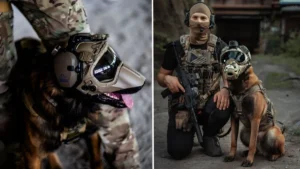
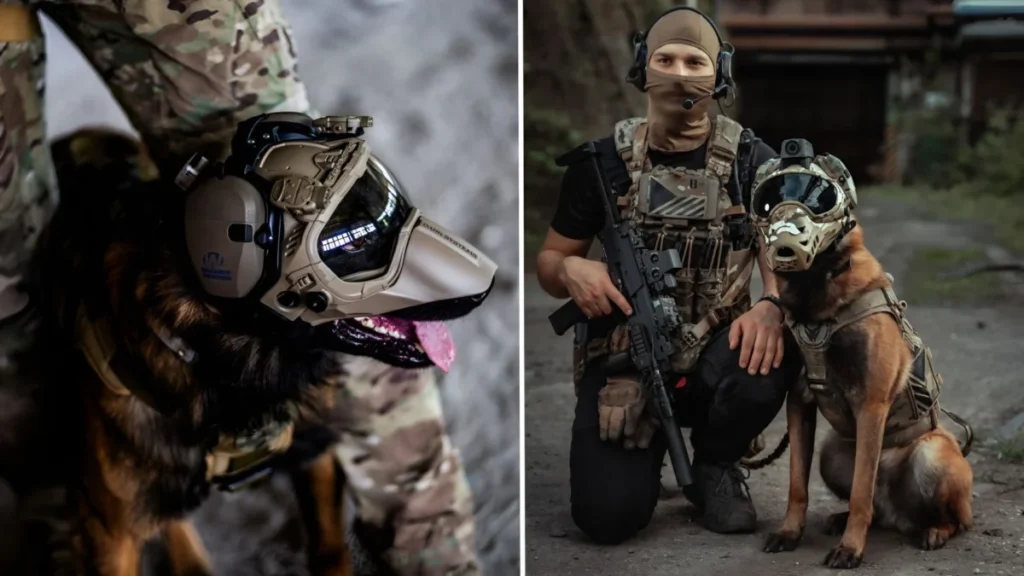
Potential equipment under consideration includes robust, lightweight protective vests engineered to shield dogs from ballistic threats, shrapnel, and environmental hazards. Similarly, specialized goggles could protect canine eyes from dust, debris, bright lights, and chemical irritants, crucial for operations in diverse and often harsh environments. Beyond passive protection, Lamm has described the development of sensor-equipped vests. These advanced vests could incorporate an array of sensors to relay real-time information back to handlers, providing a clearer and more immediate picture of conditions in the field. Such data might include the dog’s vital signs, environmental parameters (temperature, air quality), and even visual or auditory feeds from miniature cameras and microphones integrated into the vest. This constant stream of telemetry could allow handlers to monitor their dog’s well-being, assess threats, and make more informed tactical decisions, thereby increasing both mission success rates and canine safety.
It is important to note that Anduril’s technological contributions are specifically focused on external equipment worn by the animals and digital systems to support operations, distinct from the genetic modifications undertaken by Colossal. This division of labor ensures that each partner contributes its specialized expertise without overlap, creating a synergistic system where biological enhancement meets advanced tactical hardware and software. The overarching goal, as articulated by Lamm, is to cultivate dogs that are not only inherently safer, healthier, and more capable through genetic means but are also empowered by the latest in defense technology to perform at their peak in service.
Investment and Endorsement: Funding and Key Stakeholders
The impressive $200 million funding round and $1.2 billion valuation speak volumes about the confidence investors place in Warhound’s vision and technological promise. Key investors in this round include In-Q-Tel, a non-profit strategic investor that accelerates the development and delivery of cutting-edge technologies for the U.S. intelligence community; Sequoia, a venerable venture capital firm known for backing transformative technology companies; and 8VC, another prominent venture capital firm with a strong focus on disruptive innovation. The involvement of In-Q-Tel, in particular, signals significant interest from national security agencies, underscoring the perceived strategic importance of Warhound’s mission.
While Palmer Luckey serves as a partner in the venture, Ben Lamm has clarified that Luckey does not hold equity in Warhound directly. However, Luckey’s company, Anduril, will undoubtedly benefit from the strategic partnership and potential contracts. Colossal Biosciences, on the other hand, owns a stake in Warhound and licenses its proprietary genetic engineering and cloning technology to the startup, cementing the foundational role of Lamm’s primary venture. This intricate web of partnerships and investments reflects the high stakes and the multifaceted nature of Warhound’s ambitious undertaking.
Projected Timeline and Operationalization
Warhound has laid out an aggressive timeline for the operationalization of its genetically engineered canines. The company anticipates the arrival of its first cloned dogs as early as next year. This initial cohort will be produced with the assistance of ViaGen, a cloning company owned by Colossal Biosciences, which specializes in animal cloning services for various species. Following their birth, these genetically optimized puppies will undergo rigorous training protocols, mirroring or even exceeding the standards currently applied to conventional military working dogs. Lamm expresses optimism that these pioneering canines could enter active service within two years of their birth, a remarkably swift transition from laboratory to field deployment.
While specific pricing for Warhound’s genetically engineered dogs has not yet been disclosed, the company has identified a broad range of prospective customers. These include critical government entities such as the Department of Defense, various police departments across the nation, international military organizations, and emergency response units. The interest from such diverse agencies underscores the wide applicability and perceived value of Warhound’s specialized canines. Lamm has confirmed that Warhound has already engaged in briefings with numerous government groups, providing them with detailed insights into its business model and technological capabilities.
Recognizing the ethical and practical importance of humane treatment and proper integration, Warhound is also actively collaborating with the American Humane Society. This partnership aims to establish certification for its training program, ensuring that the genetically engineered dogs receive the highest standards of care and preparation for their demanding roles. Furthermore, Warhound hopes that its retired dogs will be seamlessly integrated into established programs such as the American Humane Society’s Military Working Dog Reunification Program or other suitable placement initiatives, ensuring a dignified and comfortable life after their service.
Ethical and Societal Considerations: A Complex Debate
The advent of genetically engineered animals for military applications inevitably raises a complex array of ethical, legal, and societal questions. While Warhound emphasizes the potential for enhanced safety, health, and effectiveness, the concept of "designer dogs" for warfare is likely to spark considerable debate.
One of the primary concerns revolves around animal welfare. Critics might question the extent to which genetic manipulation, even with benevolent intentions, respects the intrinsic nature and rights of animals. Are these dogs merely tools, or do they possess a right to exist free from genetic alteration for human purposes, particularly military ones? Warhound’s collaboration with the American Humane Society is a proactive step to address these concerns, signaling a commitment to ethical treatment throughout the dogs’ lifespans. However, the long-term health implications of extensive genetic modifications, even those designed to improve health, will require careful and continuous monitoring.
Oversight and regulation also emerge as critical considerations. As genetically modified organisms, these dogs will fall into a novel regulatory category. What frameworks will govern their breeding, deployment, and eventual retirement? How will the safety and efficacy of these animals be independently verified? The potential for unforeseen biological consequences, though mitigated by rigorous scientific methods, cannot be entirely dismissed and will necessitate robust regulatory oversight.
Furthermore, the safe deployment of genetically modified dogs in potentially hostile environments raises questions about public perception and trust. How will civilian populations react to the presence of such animals? Are there implications for international law or the laws of armed conflict regarding the use of genetically engineered biological assets? While Warhound asserts that buyers will manage the animals under the same training framework used for conventional military working dogs, the fundamental difference in their genesis introduces new layers of scrutiny.
The broader implications extend to the future of military technology itself. If genetic engineering proves successful in canines, could similar approaches be considered for other animal species or even, hypothetically, for human enhancement in military contexts? While such scenarios are speculative and highly controversial, the ethical precedents set by projects like Warhound will undoubtedly inform future discussions on biotechnological applications in defense.
Potential Impact and Future Outlook
Warhound’s ambitious venture represents a significant leap forward in the integration of biotechnology with defense capabilities. If successful, the company could fundamentally alter the landscape of military working dog programs, offering a domestic, reliable, and high-performance alternative to current sourcing methods. The potential benefits are considerable: improved mission effectiveness, reduced operational costs due to lower attrition rates and enhanced longevity, and, critically, increased safety for both the canines and their human handlers.
The first generation of cloned dogs, expected in 2027, will serve as a crucial test case, demonstrating whether the proposed combination of sophisticated genetic engineering and advanced field equipment can deliver the practical results envisioned by Warhound’s founders. The company’s journey will be closely watched by defense strategists, animal welfare advocates, bioethicists, and the scientific community alike. Its success or challenges will not only shape the future of military working dogs but also contribute to the broader discourse on the responsible application of cutting-edge biotechnology in areas of national security and public service. Warhound is not just building better dogs; it is pioneering a new frontier where biology and technology converge to meet some of the world’s most challenging demands.