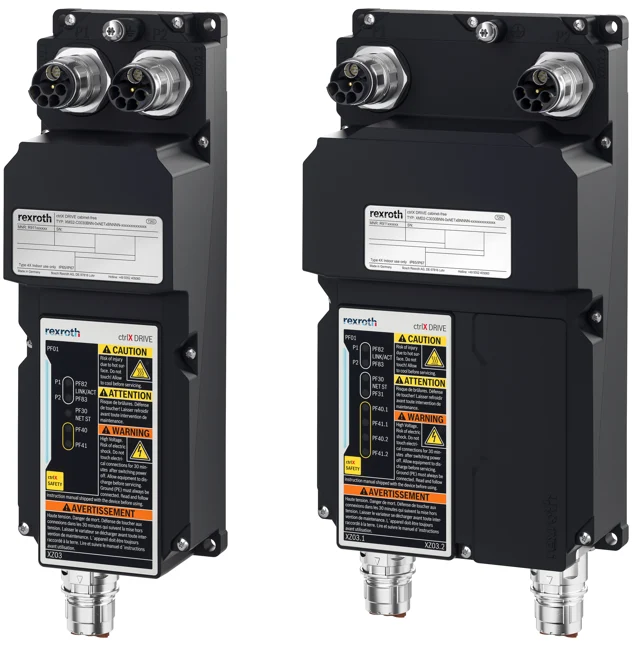
The manufacturing sector is undergoing a profound transformation, driven by an imperative to optimize operations, enhance agility, and achieve unprecedented levels of productivity. At the forefront of this evolution in motion control is the emergence and rapid adoption of cabinet-free drives, a technology poised to redefine discrete automation landscapes globally. These innovative power-supplying motion components represent a significant departure from traditional, centralized control cabinet setups, offering a decentralized approach that leverages advanced engineering to boost machine responsiveness, flexibility, and overall productivity for manufacturers.
This shift is not merely an incremental improvement but a foundational change, taking the established principles of older distributed drive systems and elevating them through ruggedization, standardization, and enhanced intelligence. As Joaquin Ocampo, Product Manager at Bosch Rexroth, highlights, "Manufacturers looking to optimize operations are increasingly leveraging control technologies that can identify and address weaknesses. These emphasize digitalized connectivity for so-called digital-transformation (DX) initiatives that yield greater insights through data. But motors and drives – the heart of motion within manufacturing – have evolved, too. Now, cabinet-free drives are enabling new possibilities to let manufacturers boost machine responsiveness, flexibility, and productivity." This sentiment underscores the strategic importance of this technological transition within the broader context of Industry 4.0 and smart manufacturing initiatives.
The Evolution of Industrial Control: From Centralized to Decentralized
For decades, industrial automation relied heavily on centralized control cabinets, housing programmable logic controllers (PLCs), human-machine interfaces (HMIs), and an array of motor drives. This architecture, while robust, presented inherent limitations: substantial space requirements, complex wiring, significant heat generation necessitating extensive cooling systems, and a lack of inherent flexibility for rapid reconfigurations. The paradigm began to shift with the advent of distributed control systems (DCS) and earlier forms of decentralized drives, which sought to move some control elements closer to the machine. However, these often still required some form of localized enclosure or were less robustly integrated.
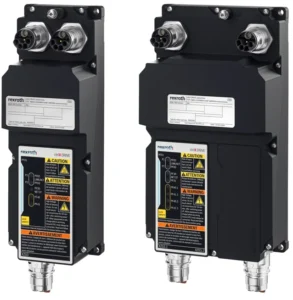
The modern cabinet-free drive represents the pinnacle of this decentralization trend. Unlike their predecessors, these drives are designed for direct mounting on or next to the motor on the machine itself. Their robustness is a key differentiator, with many units rated IP65/67, ensuring resilience against dust, water, and other harsh industrial environmental factors. This level of protection eliminates the need for a separate, climate-controlled cabinet, a fundamental change that unlocks numerous benefits. Connectivity is streamlined through one or two hybrid cables, which efficiently consolidate power, data, and safety signals, drastically simplifying wiring infrastructure compared to the labyrinthine connections of traditional cabinet-based systems. This evolutionary leap is supported by advancements in component miniaturization, thermal management, and rugged enclosure technologies, making a truly cabinet-free operation a practical and highly advantageous reality.
Driving Forces: Industry 4.0 and Digital Transformation
The rise of cabinet-free automation is inextricably linked to the broader push towards Industry 4.0 and digital transformation (DX) across manufacturing. The demand for greater data insights, predictive maintenance, and seamless connectivity from the factory floor to enterprise-level systems necessitates a more agile and intelligent automation infrastructure. Cabinet-free drives, by their very nature, facilitate this.
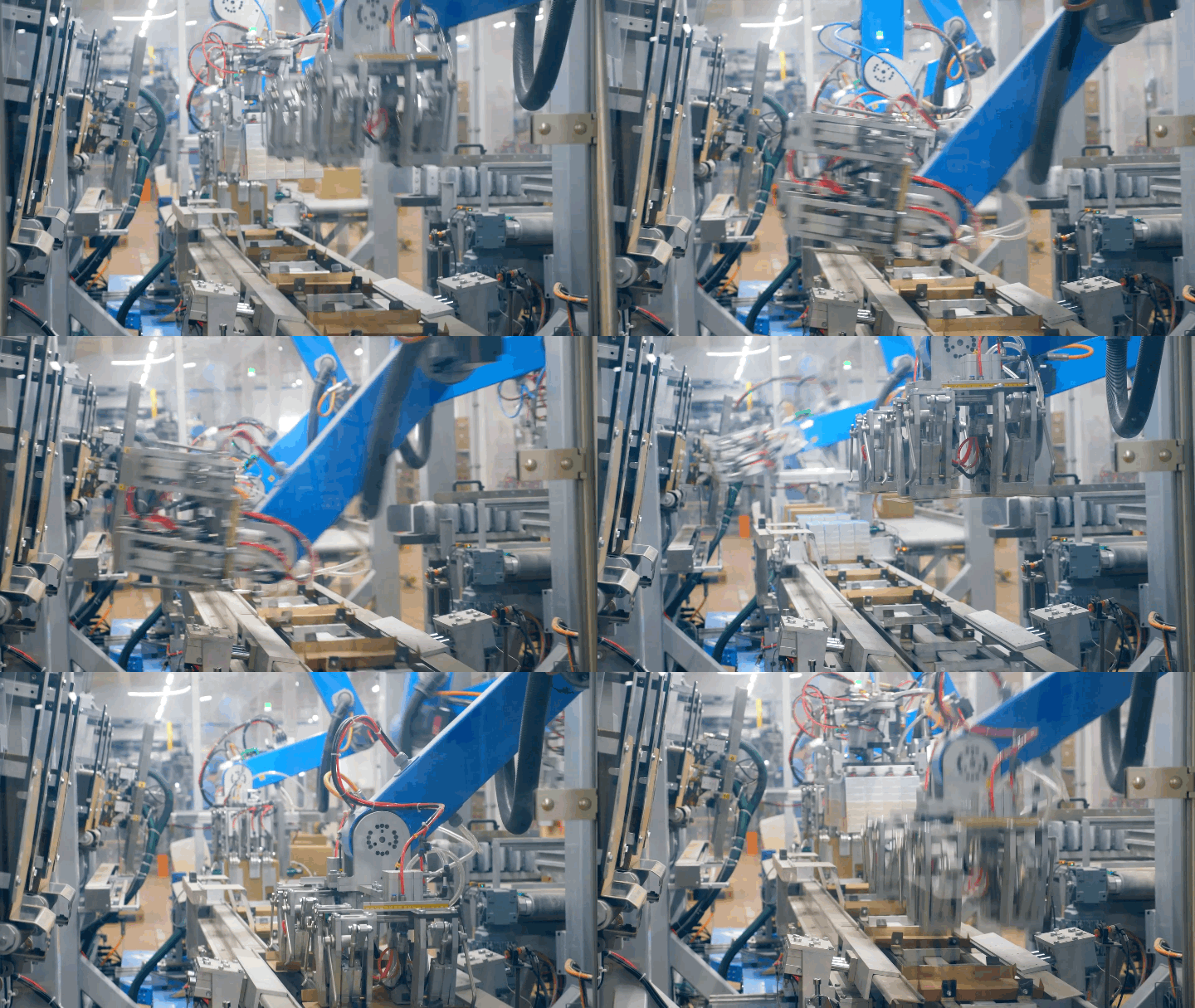
By embedding intelligence and control closer to the point of action, these drives become critical nodes in an interconnected industrial ecosystem. They are designed to integrate seamlessly with modern communication protocols like EtherCAT, PROFINET, and OPC UA, enabling real-time data exchange and diagnostics. This granular data, collected directly from the motors and drives, feeds into analytical platforms, empowering manufacturers to identify inefficiencies, optimize processes, and implement responsive adjustments. The consolidation of power, data, and safety signals into hybrid cables further reduces complexity, creating a clearer pathway for digital integration and minimizing potential points of failure that could disrupt data flow. This direct digital pipeline from the drive to the control layer is a cornerstone for achieving true digital transformation, moving beyond mere automation to intelligent, self-optimizing manufacturing.
Key Benefits of Cabinet-Free Automation
The advantages offered by cabinet-free discrete automation are multifaceted, impacting operational efficiency, financial outlay, and strategic agility.
1. Space Optimization and Lean Manufacturing:
Perhaps the most immediate and tangible benefit of adopting cabinet-free drives is the significant space savings they afford. In an era where industrial real estate costs are escalating globally—with reports indicating double-digit percentage increases in many manufacturing hubs over the past five years—optimizing factory floor layout is paramount. Removing bulky control cabinets and their associated cabling frees up valuable floor space, which can then be repurposed for additional production lines, expanded warehousing, or improved ergonomics for operators.
Ocampo emphasizes this point: "Arguably, the most important benefit of using cabinet-free drives is the space savings — especially for how it reduced the amount of cabling. When one removes a physical cabinet and the extensive cabling that’s needed with it by mounting the drive directly on the machine, it frees up a lot of room so operators can use the space more efficiently." Beyond the physical footprint, the reduction in cabling itself offers substantial financial benefits, cutting material costs, installation time, and potential labor expenses. A more compact and streamlined machine design also contributes to a lean manufacturing environment, reducing waste and enhancing overall operational flow.
2. Enhanced Modularity and Flexibility:
Modern manufacturing demands unparalleled flexibility and scalability to respond swiftly to volatile market shifts, changing product demands, and customized production runs. Traditional cabinet-based systems, with their fixed configurations and extensive wiring, often presented a significant barrier to such agility. Expanding or reconfiguring a production line typically involved costly and time-consuming modifications to the central control infrastructure.
Cabinet-free drives revolutionize this aspect by enabling truly modular machine designs. With drives directly integrated into machine modules, manufacturers can easily add, remove, or reconfigure production cells without overhauling the entire control system. This modularity is further enhanced by drives capable of supporting multiple axes, such as Bosch Rexroth’s offerings that can include up to two x 30A on a single drive, powering multiple motors for increased productivity. This capability significantly reduces the number of individual drives required, further simplifying the system. The ability to rapidly scale operations up or down, or to quickly pivot production for new product variants, provides a crucial competitive advantage in today’s dynamic global economy.
3. Significant Energy Savings and Sustainability:
Energy consumption is a critical consideration for manufacturers, impacting both operational costs and environmental footprint. Traditional control cabinets require consistent cooling to dissipate the heat generated by the drives and other electronic components, consuming substantial energy. By decentralizing drives and eliminating the cabinet, this constant cooling requirement is drastically reduced or even eliminated.

Moreover, advancements in semiconductor technology within cabinet-free drives contribute significantly to energy efficiency. The adoption of silicon carbide (SiC) semiconductors, for instance, marks a major leap forward. SiC technology offers significantly lower energy losses compared to conventional insulated-gate bipolar transistor (IGBT) technology. This translates to smaller product designs that generate less heat, further reducing the need for active cooling and minimizing energy waste. "In short," explains Ocampo, "cabinet-free drives allow manufacturers to more accurately determine exactly how much power they need and where it must be placed, which helps eliminate unnecessary power usage and reduce the overall cost to operate." This precise power management and inherent efficiency align perfectly with global sustainability goals and the growing emphasis on green manufacturing practices.
4. Improved Reliability and Reduced Downtime:
The complexity of wiring in traditional control cabinets introduces numerous potential points of failure, from loose connections to faulty insulation. Each connection point is a vulnerability that can lead to unexpected downtime, a major cost driver in manufacturing. Industry analyses consistently show that unexpected downtime can cost manufacturers millions of dollars annually, emphasizing the critical need for robust and reliable automation solutions.
Cabinet-free drives inherently enhance system reliability by dramatically reducing the number of connection points and simplifying the overall wiring architecture. The use of ruggedized, hybrid cables minimizes complexity and the potential for errors. Furthermore, the IP65/67 ratings mean these drives are less susceptible to environmental contaminants, which can degrade performance and lead to failures in less protected systems. This enhanced reliability translates directly into increased uptime, reduced maintenance efforts, and a lower total cost of ownership over the lifespan of the machinery.
Implementation and Adoption Strategies
While the benefits are compelling, transitioning to a cabinet-free automation setup can seem daunting for manufacturers accustomed to established control-cabinet installations. Productivity cannot be compromised during such a migration. Therefore, a gradual and strategic approach is often recommended.
Many manufacturers choose to incrementally transition, starting with pilot projects or implementing cabinet-free setups on isolated work cells. This allows end-users to evaluate the impact on a smaller scale, quantify the benefits, and gain confidence before committing to a wholesale migration across an entire plant. Automation suppliers like Bosch Rexroth play a crucial role in providing the necessary support, training, and integration tools to facilitate a smooth transition. This phased adoption strategy mitigates risk, allows for internal skill development, and ensures that the long-term advantages of cabinet-free automation are fully realized without disrupting ongoing production.
Expert Perspectives and the Future Outlook
The consensus among industry experts, including Joaquin Ocampo from Bosch Rexroth, is that cabinet-free discrete automation is not just a trend but a fundamental shift that will become the new standard for modern manufacturing. "The core idea is the same that spurred older distributed (decentralized) drive setups. Now though, drives are even more ruggedized (and cabling more standardized) for setups that often need no cabinet at all," Ocampo points out, highlighting the maturation of the technology.
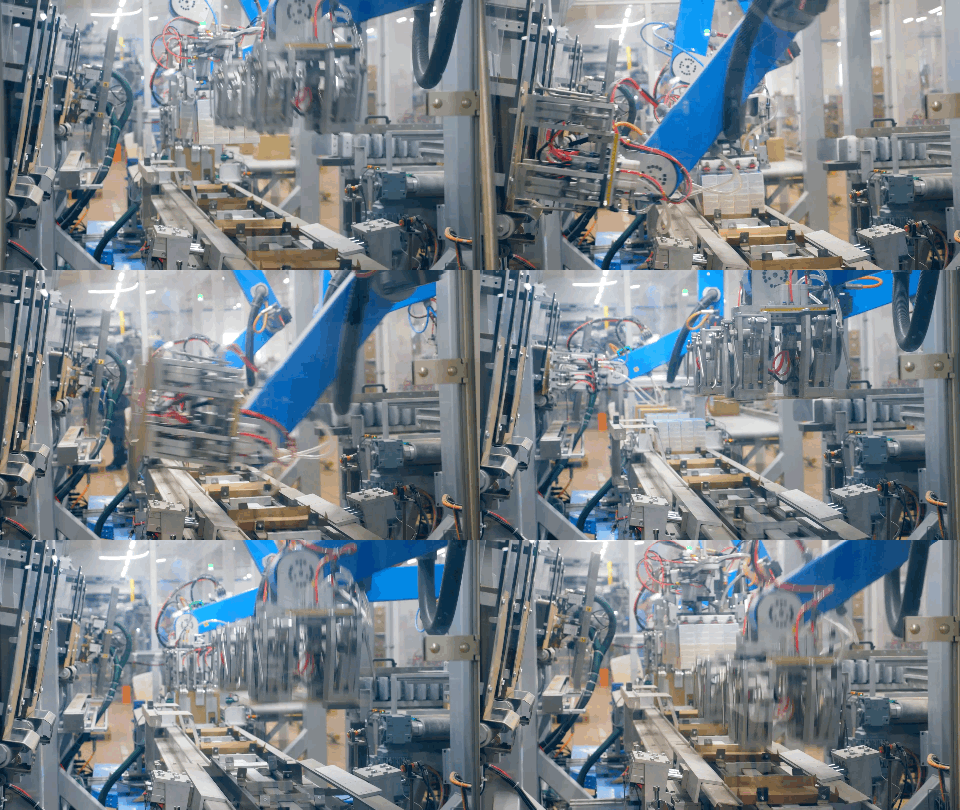
Looking ahead, the trajectory of cabinet-free automation is set to intersect even more deeply with emerging technologies such as artificial intelligence (AI) and machine learning (ML) at the edge. By integrating computational capabilities directly into the drives, manufacturers can enable more localized decision-making, predictive maintenance, and real-time process optimization without relying solely on cloud connectivity. This "edge intelligence" will further enhance the responsiveness and autonomy of production systems.
However, this decentralization also brings new considerations, particularly around cybersecurity. As more intelligent components are distributed across the factory floor, securing these numerous nodes from potential cyber threats becomes paramount. Manufacturers and technology providers are actively developing robust security protocols and architectures to ensure the integrity and safety of these advanced, interconnected systems.
Broader Impact and Implications
The widespread adoption of cabinet-free discrete automation carries significant broader implications across the manufacturing ecosystem. Economically, it promises a reduction in both capital expenditure (CAPEX) for new installations and operational expenditure (OPEX) through energy savings and reduced maintenance. For automation component suppliers, it necessitates a shift in product development towards more integrated, ruggedized, and intelligent solutions.
From a workforce perspective, the transition will require upskilling and reskilling of technicians and engineers. While simplifying wiring, cabinet-free systems demand a deeper understanding of network protocols, decentralized control logic, and diagnostic tools. This creates opportunities for new roles focusing on system integration, data analytics, and cyber-physical system management.
Ultimately, cabinet-free discrete automation empowers manufacturers to build more resilient, adaptable, and efficient production systems. It represents a critical enabler for factories of the future—lean, green, intelligent, and capable of navigating the complexities of an increasingly dynamic global market. As the technology continues to mature and integrate with other Industry 4.0 innovations, its transformative impact on how goods are produced will only continue to grow, solidifying its place as a cornerstone of modern industrial progress.