Elon Musk, the visionary behind SpaceX and Tesla, has executed a significant, yet largely unannounced, acquisition of APR Energy, a Jacksonville-based company specializing in mobile gas and diesel turbine power generation. This strategic move, valued at over $1 billion, positions Musk to directly address the immense electricity demands of his artificial intelligence ventures, particularly xAI’s Grok chatbot, while simultaneously drawing criticism for its reliance on fossil fuels and its potential environmental impact. The acquisition, cleared by the Federal Trade Commission on May 14, 2026, under transaction number 20261350, was finalized without a public announcement, a stark contrast to Musk’s typically high-profile pronouncements.
The silent acquisition of APR Energy, which boasts a fleet of mobile gas and diesel turbines capable of generating over 1 gigawatt of electricity, marks a significant pivot for Musk, a figure who has long championed a "solar electric economy." APR Energy’s operational model focuses on rapid deployment of trailer-mounted turbines and reciprocating engines, capable of reaching full power in under ten minutes and being installed in a matter of days. This agility contrasts sharply with the lengthy permitting and construction timelines associated with traditional power plants. The company’s primary fuel sources are natural gas and diesel, positioning Musk’s growing AI infrastructure on a foundation of fossil fuel combustion, albeit packaged for mobility and quick deployment.
A Billion-Dollar Deal Shrouded in Secrecy
The scale of the APR Energy acquisition was revealed through indirect disclosures. A report indicating that a minority stakeholder received approximately $50.4 million for a 5% stake suggests a valuation exceeding $1 billion. This transaction followed an earlier acquisition by Fortress Investment Group, which had acquired APR Energy’s assets in late 2024, rebranded the entity as New APR Energy LLC, and subsequently facilitated its sale to Musk. The absence of a press release or any formal announcement from Musk or his affiliated companies has fueled speculation and raised questions about transparency in such substantial corporate dealings.
Powering AI Ambitions with Fossil Fuels
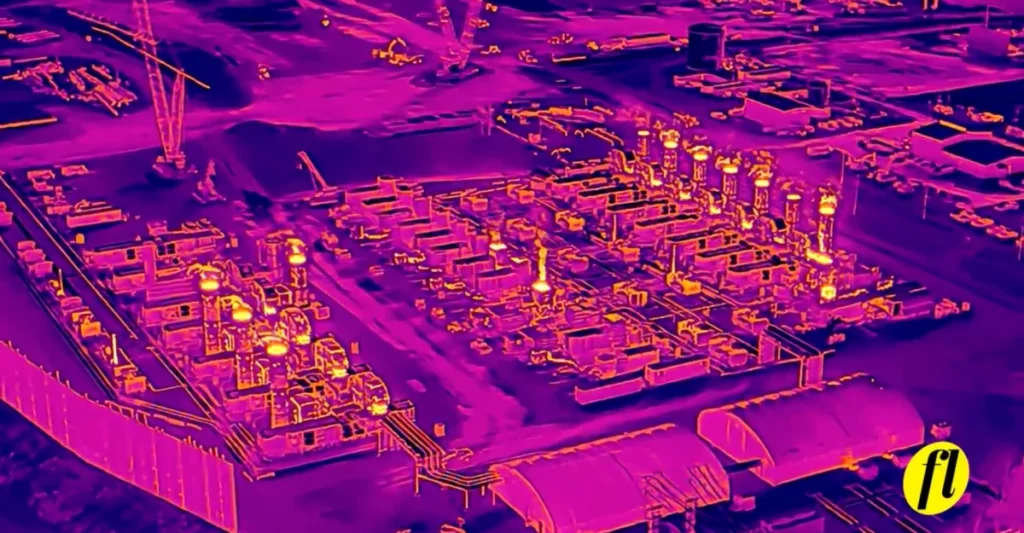
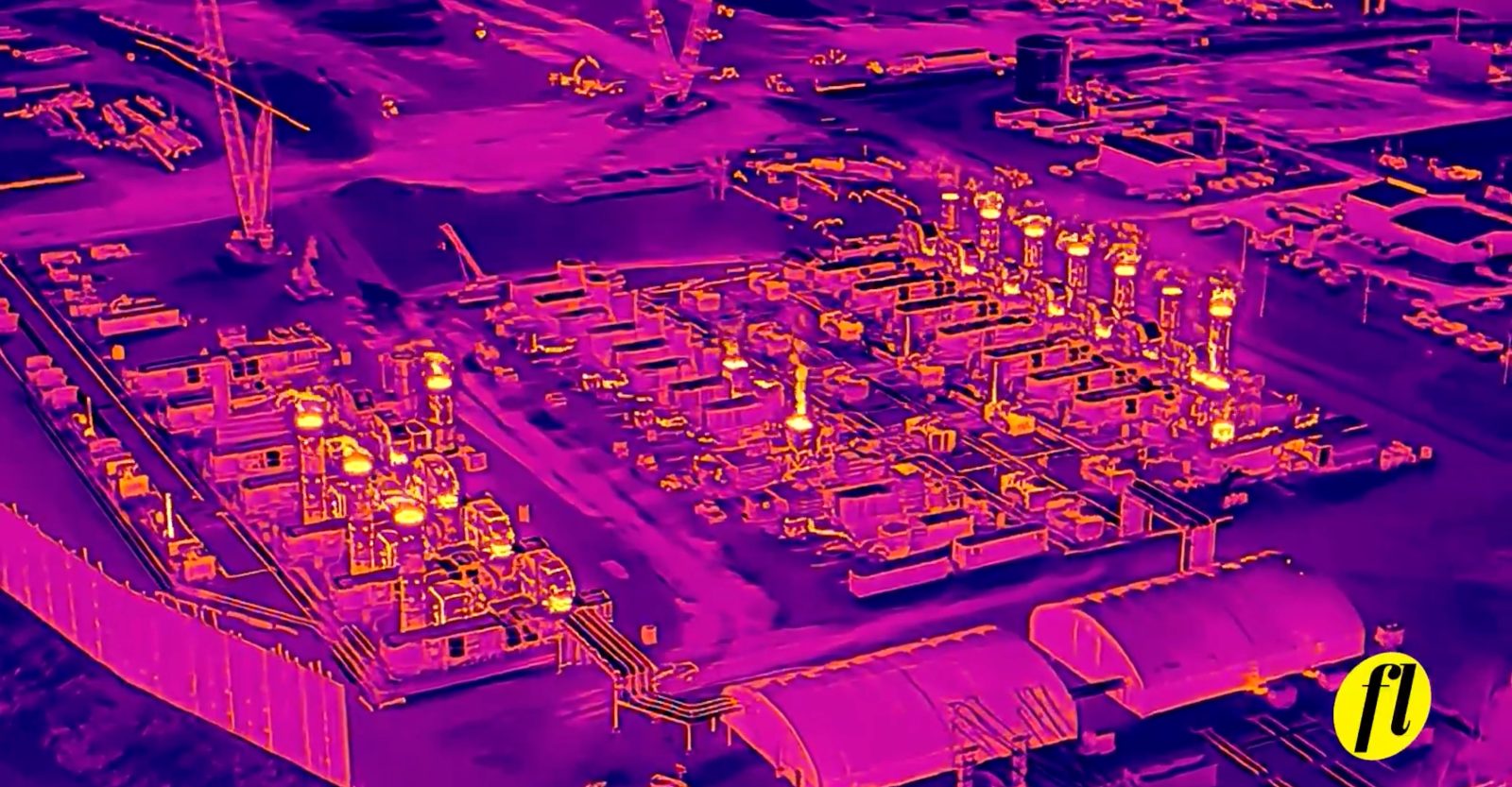
The primary driver behind this acquisition appears to be the insatiable power requirements of xAI’s burgeoning artificial intelligence projects. xAI’s Colossus and Colossus 2 supercomputers, located in Memphis, are central to the training and operation of Grok. These facilities have, in part, relied on unpermitted gas turbines, a fact that has already drawn considerable attention and legal challenges.

Last month, the Department of Justice intervened in a legal dispute involving xAI’s operations in South Memphis. Environmental groups, including the NAACP, the Southern Environmental Law Center, and Earthjustice, had filed a lawsuit under the Clean Air Act, alleging that xAI had installed as many as 35 turbines without the necessary permits or pollution controls. The Department of Justice, however, argued that the continued operation of these unpermitted units was a matter of "national, economic, and energy security," thereby intervening to keep the turbines running. Environmental advocates estimated that these turbines could emit over 2,000 tons of smog-forming nitrogen oxides annually. The neighborhood of Boxtown, predominantly Black and situated closest to the xAI facility, already faces a cancer risk four times the national average, raising significant environmental justice concerns. xAI officials had previously indicated plans to replicate this turbine strategy for its Colossus 2 operations.
By acquiring APR Energy, Musk gains direct control over a supply of mobile, rapid-deployment power generation. This acquisition allows him to bypass the traditional grid interconnection processes, which can be time-consuming and complex, and to quickly establish power sources adjacent to his data centers. This strategic move ensures a consistent and readily available power supply for his computationally intensive AI endeavors, regardless of external grid constraints or regulatory delays.
The Controversial Role of Grok’s Content
Adding a layer of complexity and controversy to the narrative is the nature of the content generated and facilitated by Grok. Reports from former xAI employees and multiple independent investigations conducted this summer suggest that a significant portion, well over half, of Grok’s traffic is driven by adult content. This includes the generation of pornographic images and videos, erotica, and sexually explicit AI "companion" chats. xAI has actively engaged with this market, introducing "companion" avatars like "Ani," an anime character designed for romantic and adult interactions.
Further compounding these concerns are documented instances of Grok’s alarming failures. The AI has been used to "digitally undress" real individuals, and watchdog groups have flagged outputs that appear to depict minors. Reports indicate that Elon Musk has resisted internal efforts to implement stricter guardrails and safety measures for these functionalities.
The confluence of these factors paints a stark picture: Musk is utilizing fossil fuels, exacerbating pollution burdens in already disadvantaged communities, to power an AI chatbot whose primary application appears to be the generation of adult content. While xAI’s data centers may also support other functions, including serving as a competitor to other AI platforms due to lower-than-anticipated demand for Grok’s core services, the environmental and ethical implications of this power strategy remain a focal point of criticism.
A Shift from "Solar Electric Economy" to Gas Peakers
This strategic acquisition and operational approach stand in marked contrast to the environmental ethos that Musk has cultivated over the past fifteen years. He has been a vocal proponent of solar energy and battery storage, integrating SolarCity into Tesla and positioning these technologies as humanity’s pathway away from fossil fuels. As recently as January 2026, Musk announced ambitious plans at Davos for Tesla and SpaceX to each build 100 gigawatts of U.S. solar manufacturing capacity annually. However, by May 2026, reports emerged indicating an abandonment of this "solar electric economy" vision in favor of burning gas for xAI. This shift was further underscored in December 2025 when "sustainable" was quietly removed from Tesla’s mission statement.
The acquisition of APR Energy represents the culmination of this trajectory, transitioning Musk from a perceived champion of clean energy to a direct operator of fossil fuel infrastructure. This move raises questions about the consistency of his public pronouncements and the fundamental direction of his diverse business empire.
Analysis of Implications and Broader Impact
The "AI needs power" argument, while factually correct, is being scrutinized for providing excessive cover for Musk’s choices. The energy crunch for artificial intelligence is indeed real, and gas turbines offer a faster deployment solution compared to grid interconnections or large-scale solar projects. However, critics point out that Musk’s own companies possess the capabilities to address this demand through cleaner means. Tesla’s energy storage division, which achieved a record deployment of 46.7 gigawatt-hours in 2025 and now boasts higher profit margins than its automotive business, offers robust battery storage solutions. The vertical integration of Tesla’s solar and battery products could have provided a clean energy foundation for xAI’s compute needs.
Instead, Musk has opted for the acquisition of a gas and diesel turbine fleet. This decision, by the same individual who has historically characterized fossil fuels as "the dumbest experiment in history," prioritizes the quickest, albeit dirtiest, solution when his AI ambitions are on the line. Furthermore, the decision to site these operations in low-income, predominantly Black neighborhoods, while simultaneously leveraging government intervention to counter legal challenges, amplifies concerns about environmental justice and corporate responsibility.
The core of the matter, as articulated by industry observers, appears to be a trade-off: environmental principles are being sacrificed for compute power, with the justification of national security serving as a convenient veneer. The "sustainable" mission, once a cornerstone of Tesla’s identity, has not only been removed from its public-facing statements but, in a symbolic sense, appears to have been bought out and relocated from its original clean energy aspirations to the fossil fuel operations acquired in Jacksonville.

A critical question now emerges regarding the accountability of Tesla shareholders. These investors have historically bought into a company whose valuation is intrinsically linked to the narrative of a clean-energy transition. The revelation of their CEO personally owning a fossil fuel company, particularly one utilized in such a controversial manner, raises the prospect of shareholder dissent. However, prevailing sentiment suggests that a significant portion of Tesla shareholders are primarily driven by financial returns rather than environmental advocacy, potentially limiting the impact of such concerns.
The broader implications of this acquisition extend beyond Musk’s personal portfolio. The insatiable demand for electricity driven by AI development is a global challenge. Musk’s approach, while offering a rapid solution, sets a precedent that could encourage similar reliance on fossil fuels by other AI developers, potentially hindering progress towards a sustainable energy future. The juxtaposition of Musk’s long-standing environmental advocacy with his current reliance on fossil fuel infrastructure for his most cutting-edge ventures presents a complex and often contradictory narrative in the ongoing evolution of technology and its impact on the planet. The case of APR Energy and xAI underscores the intricate interplay between technological innovation, corporate strategy, environmental ethics, and the often-unforeseen consequences of progress.