The Raspberry Pi Foundation, a global leader in computing education, has announced a landmark set of eight guiding principles designed to reform the development and deployment of educational technology (EdTech). This initiative comes at a critical juncture for the technology sector, as a mounting body of scientific research and public discourse links the ubiquity of smartphones, social media, and algorithmic platforms to a decline in mental health and attention spans among young people. By formalizing these principles, the Foundation aims to move beyond the industry’s historical "move fast and break things" ethos, advocating instead for a "research-led, evidence-based" approach that prioritizes the digital rights of children over commercial growth and engagement metrics.
The announcement reflects a broader shift in global attitudes toward children’s digital experiences. As parents, educators, and governments increasingly demand accountability, the Raspberry Pi Foundation’s new framework seeks to restore public trust by ensuring that technology serves as a tool for empowerment rather than a source of harm. The Foundation’s leadership argues that technology is never neutral; the architectural choices made during the design phase—ranging from data collection protocols to user interface patterns—can either safeguard a child’s well-being or inadvertently facilitate exploitation.
The Societal Context: A Growing Crisis in Youth Digital Engagement
The impetus for these principles is rooted in a documented surge in mental health challenges among adolescents. Recent data from various international health organizations suggest a correlation between high levels of social media consumption and increased rates of anxiety, depression, and sleep deprivation. This has led to a global wave of regulatory intervention. In 2023, UNESCO released its Global Education Monitoring report, which recommended a worldwide ban on smartphones in schools where technology does not support learning outcomes. Countries such as the United Kingdom, France, and several states in the U.S. and Australia have already implemented or are considering such bans to mitigate distractions and cyberbullying.
Against this backdrop, the EdTech sector faces a unique challenge. While digital tools are essential for 21st-century literacy and coding skills, they often share the same underlying infrastructure as the platforms currently under fire. The Raspberry Pi Foundation, whose hardware and software are used by millions of students and educators worldwide, recognizes that the "tech-neutral" stance is no longer tenable. The Foundation’s move is a proactive attempt to define what "Responsible Innovation" looks like in a classroom setting, distinguishing educational tools from the attention-extractive models of Big Tech.
Chronology of Development and Research Foundation
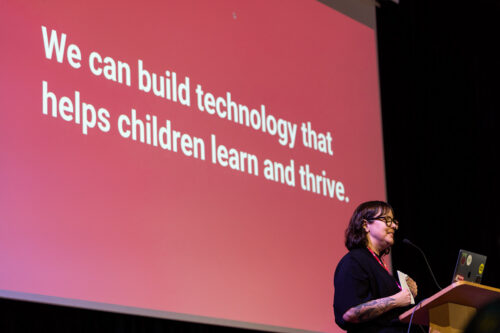
The development of these eight principles was not an overnight endeavor. The Foundation has spent years aligning its internal product development with international human rights standards. In July 2024, at the Raspberry Fields summit in Cambridge, Laura Kirsop, a key figure in the Foundation’s product strategy, presented the draft principles to a global audience of educators and researchers. This presentation marked the culmination of an extensive review of existing frameworks.
Rather than creating a new set of rules from a vacuum, the Foundation built its framework upon four pillars of international digital policy:
- UN General Comment No. 25 (2021): A definitive document explaining how the Convention on the Rights of the Child applies to the digital environment.
- UNICEF’s Responsible Innovation in Technology for Children (RITEC): A framework focusing on how digital experiences affect child well-being.
- The Digital Futures Commission’s Child Rights by Design: Practical guidance for embedding rights into the product development lifecycle.
- UNICEF’s EdTech for Good Framework 1.0: A set of standards for evaluating the pedagogical value of digital tools.
The Eight Principles: A Blueprint for Responsible EdTech
The Foundation’s framework is categorized into eight actionable commitments, each addressing a specific risk or opportunity in the current digital landscape.
1. Prioritizing the Best Interests of the Child
The Foundation asserts that the "best interests" of a child must supersede all other business objectives. This includes prioritizing emotional health and creative agency over engagement metrics. In practice, this means the Foundation may choose to forgo features that would increase "time-on-app" if those features are deemed detrimental to a child’s balance of life.
2. Strengthening Human Relationships
A significant concern in the age of Artificial Intelligence is the potential for machines to replace human mentorship. The Foundation’s second principle mandates that technology must support, not replace, the relationships between students, teachers, and caregivers. AI-supported features are designed to be "human-in-the-loop," ensuring that educators remain the primary decision-makers in a child’s learning journey.
3. Data Minimization and Privacy
One of the most startling statistics cited by the Foundation is that by the time a child turns 13, approximately 72 million pieces of personal data have been collected about them by various digital services. The Raspberry Pi Foundation commits to collecting only the absolute minimum data required for learning and impact measurement. Furthermore, they have issued a permanent pledge: student data will never be sold to third parties.
4. Evidence-Based Design for Learning
The EdTech market is frequently criticized for "gamification" that keeps students "hooked" without delivering actual educational value. The Foundation’s fourth principle requires that all products be grounded in pedagogical research. They commit to proving the impact of their tools through rigorous evaluation, ensuring that their software facilitates deep learning rather than superficial interaction.
5. Co-Design with Educators and Students
To avoid the "ivory tower" approach to software development, the Foundation involves the end-users—children and teachers—in the research and testing phases. This ensures that the products solve real-world classroom problems and respect the lived experiences of those in diverse educational settings.
6. Inclusion and Accessibility
Recognizing that the digital divide is not just about access to hardware, the sixth principle focuses on diverse needs and abilities. The technology is designed to be resilient in low-connectivity environments and accessible to students with varying physical and cognitive abilities. It assumes that a "standard" classroom does not exist and that tools must be adaptable to local contexts.
7. Transparency and Accountability
The Foundation acknowledges that complex algorithms can often be "black boxes." They commit to using plain language to explain how their systems work and how data is processed. This transparency extends to providing users with clear channels to challenge or question automated decisions.
8. Global Application of Highest Standards
In a globalized market, many tech companies apply different privacy and safety standards depending on the local laws of a country. The Raspberry Pi Foundation has pledged to apply the highest international standards of children’s rights across all jurisdictions, regardless of whether local regulations are less stringent.
Official Responses and Industry Implications
While the Foundation has received praise from digital rights advocates, the implementation of these principles presents significant challenges. Industry analysts suggest that if more EdTech providers adopt similar standards, it could force a consolidation in the market, as companies reliant on data-mining or aggressive engagement tactics may find their models unsustainable in an educational context.
"The technology sector can no longer take public trust for granted," the Foundation stated in its briefing. This sentiment is echoed by educational policymakers who argue that the "wild west" era of classroom technology must come to an end. By publishing these principles, Raspberry Pi is effectively challenging its peers in the non-profit and commercial sectors to match their commitment to child safety and data integrity.
Analysis of Broader Impact
The move by Raspberry Pi signifies a shift from "Safety by Design" to "Rights by Design." While safety focuses on preventing harm (such as grooming or bullying), a rights-based approach focuses on proactive well-being, including the right to play, the right to privacy, and the right to non-discrimination.
For the broader EdTech industry, this framework serves as a "stress test." As AI continues to integrate into classrooms, the Foundation’s principle of "human-in-the-loop" will be particularly relevant. There is a growing concern that underfunded school districts might turn to AI tutors as a cheaper alternative to human teachers. The Foundation’s stance provides a moral and professional argument against such a transition, emphasizing that technology should be an assistant to the teacher, not a replacement.
Future Outlook: A Call for a Global Coalition
The Raspberry Pi Foundation has been clear that these principles are a "statement of intent" rather than a finished product. As technology evolves—particularly with the rapid advancement of generative AI—the Foundation expects to update these standards.
To ensure the longevity and effectiveness of this initiative, the Foundation has issued a call to action for researchers, parents, and other non-profit organizations. They are seeking to build a global coalition to share findings, challenge existing practices, and collectively raise the bar for what is considered "acceptable" technology for children.
As of late 2024, the Foundation is actively soliciting feedback on the draft principles through its online portal, inviting stakeholders to help shape the final version of the framework. This collaborative approach suggests that the future of EdTech may be defined not by the companies with the most data, but by those who demonstrate the greatest respect for the users they serve. In an era of skepticism toward Silicon Valley, the Raspberry Pi Foundation is betting that ethical integrity will be the most valuable feature of the next generation of educational tools.