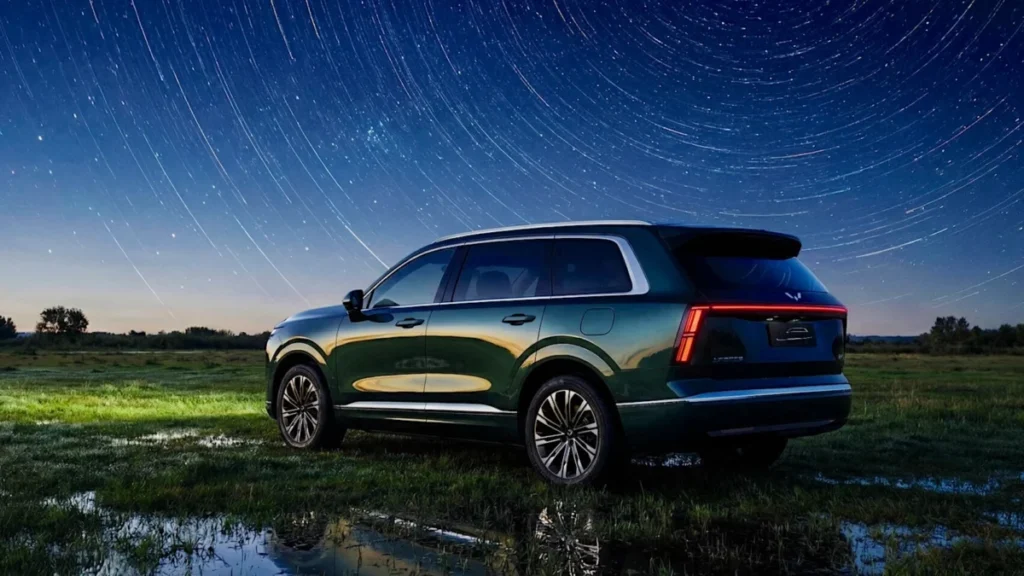
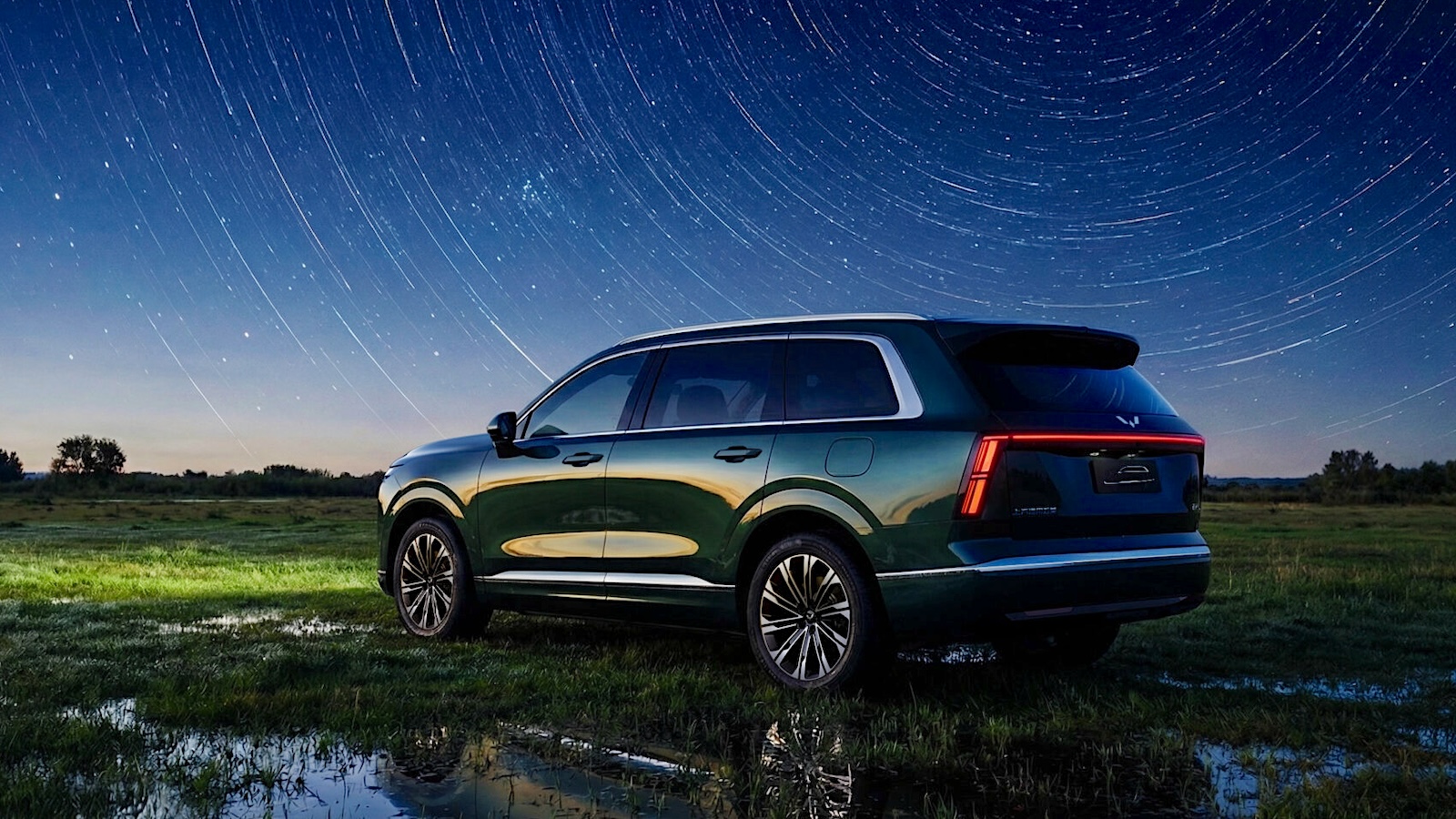
General Motors’ latest offering under its SAIC-GM Wuling joint venture, the Starlight L Plug-in Hybrid Electric Vehicle (PHEV) SUV, is generating considerable interest, particularly for its potential entry into the North American market. Priced competitively in China and boasting a compelling set of features, the Starlight L presents a unique proposition that could address a gap in GM’s current North American lineup. With an impressive all-electric range, a spacious six-passenger configuration, and modern technology, the vehicle is being eyed not just as a domestic success but as a strategic import.
The Wuling Starlight L PHEV is positioned as a flagship model for the SAIC-GM Wuling brand, catering to the evolving automotive preferences in China. While plug-in hybrids are not yet as dominant in China as pure electric vehicles, their appeal is growing. However, the Starlight L’s true potential may lie beyond its home market. North America, specifically Canada, has demonstrated a growing appetite for plug-in hybrid vehicles, coupled with a more open stance on importing vehicles from China. This confluence of factors, combined with General Motors’ current lack of large plug-in hybrid SUVs in its North American portfolio, makes the Starlight L a logical, low-risk consideration for the automaker, offering significant upside potential.
Technical Specifications and Electric Range: A Key Differentiator

The core of the Starlight L’s appeal lies in its powertrain and battery technology. While it features a 1.5-liter Atkinson-cycle internal combustion engine (ICE) producing 106 horsepower, its electric drive motor contributes significantly to a combined output of approximately 170 kW, equating to around 230 horsepower. This is a respectable figure for a vehicle in its class. However, the standout component is its substantial 37.9 kWh lithium iron phosphate (LFP) battery pack. This capacity is noteworthy, roughly doubling that of contemporary offerings like the Toyota RAV4 Prime and matching the battery size of first-generation Nissan LEAF models.
This substantial battery capacity translates directly into an impressive all-electric range of up to 260 kilometers (approximately 160 miles). This figure is crucial, as it positions the Starlight L to function as an EV with a range extender for the vast majority of daily driving cycles for North American consumers. This "EV-first" operation is a significant draw, potentially alleviating range anxiety and promoting more frequent charging, provided consumers embrace the habit. This strategy aligns with the growing consumer preference for electrified powertrains that prioritize electric driving experience.
Market Positioning and North American Potential
The Wuling Starlight L is designed with a practical and spacious interior, accommodating up to six passengers with captain’s chairs in the second row, offering a premium and comfortable experience. Its exterior design is characterized by an upright and sturdy stance, which is often favored by North American consumers. These attributes, combined with its advanced hybrid powertrain and competitive pricing, suggest a strong potential fit for markets beyond China.
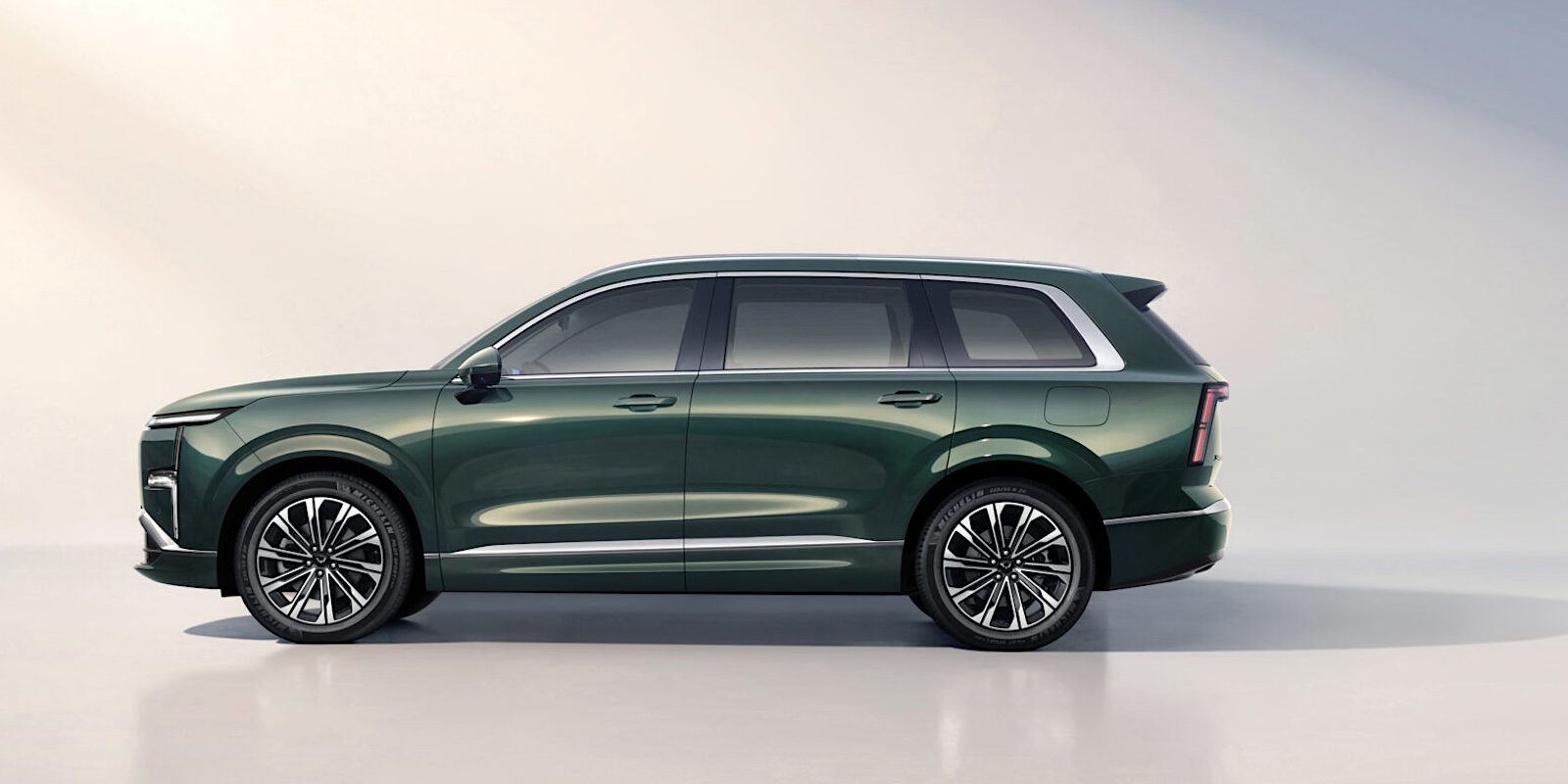
The current price point in China, 132,800 yuan (approximately $19,900 USD), positions it as an exceptionally value-oriented option. This aggressive pricing, if partially maintained or adjusted for import duties and market expectations, could make it a disruptive force in the North American SUV segment. General Motors, operating through its various brands like Chevrolet and Buick, could leverage this vehicle to fill existing product gaps. For instance, the Starlight L’s dimensions, slightly longer and taller than the Chevrolet Blazer EV, could make it a compelling candidate for a Buick-branded offering, a marque often associated with comfort and premium features.
The "Canola for Cars" Context: Canada’s Evolving Import Landscape
The potential introduction of the Wuling Starlight L to North America is occurring against a backdrop of evolving trade relations and automotive import policies, particularly in Canada. Earlier in July, a significant development occurred with the arrival of 18 brand-new Lotus Eletre EVs in Canada. These vehicles represent the first Chinese-manufactured electric vehicles from a Chinese-owned brand to be offered for sale in Canada under a bilateral agreement. This accord permits the annual import of up to 49,000 Chinese EVs at reduced tariff rates.
This initiative is part of a broader strategy by Canada to diversify its automotive market and reduce its reliance on traditional partners, including the United States. The agreement is understood to be part of a larger trade negotiation, often referred to colloquially as "Canola for Cars." In exchange for lower tariffs on Chinese electric vehicles and a more accessible entry point into the North American market for Chinese automakers, Canada is seeking reciprocal reductions in Chinese import duties on key Canadian agricultural products. Currently, China imposes a 100% tariff on Canadian canola oil and a 25% tariff on Canadian pork. Reuters has reported that tariff relief on other Canadian exports, including canola meal, peas, and lobster, which are scheduled to expire at the end of the current year, is also under discussion.
Wang Yi, China’s Minister of Foreign Affairs, has articulated a vision for strengthened bilateral trade, stating, "As long as we ‘keep to the right track, at the right pace, towards the right direction, there will be a lot of ‘potential for us to ‘increase our trade.’ As long as the two countries uphold the principle of mutual respect, ‘equality, reciprocity … there will be nothing that we cannot resolve.’" This diplomatic framing underscores the interconnectedness of trade policies and the potential for mutually beneficial agreements.
This developing trade dynamic creates a more permissive environment for Chinese-manufactured vehicles to enter North American markets, particularly Canada. General Motors’ consideration of the Wuling Starlight L can be viewed within this evolving geopolitical and economic landscape. The "Canola for Cars" agreement provides a tangible pathway and precedent for such imports, mitigating some of the traditional trade barriers.
Strategic Implications for General Motors
The Starlight L represents a strategic opportunity for General Motors to test the waters of Chinese-built vehicle imports into North America with a relatively low-risk product. The company currently lacks a direct competitor to the Starlight L’s segment and powertrain configuration in its North American portfolio. Introducing the vehicle, perhaps under the Buick or even a Chevrolet sub-brand, could allow GM to:

- Capture a new market segment: The combination of a spacious interior, long electric range, and hybrid efficiency at a potentially attractive price point could appeal to a broad range of consumers, including families and those seeking greater fuel economy.
- Gain insights into consumer acceptance: By observing the market response to a Chinese-manufactured GM-badged vehicle, the company can gather valuable data on consumer perceptions, brand loyalty, and competitive dynamics.
- Diversify its product offering: The Starlight L would complement GM’s existing lineup of EVs and traditional internal combustion engine vehicles, offering a hybrid alternative that bridges the gap for consumers not yet ready for full electrification.
- Leverage existing manufacturing scale: By sourcing from its SAIC-GM Wuling joint venture, GM can potentially benefit from the established manufacturing scale and cost efficiencies of its Chinese operations.
Estimated North American Pricing and Market Competitiveness
While the exact pricing for a North American version of the Wuling Starlight L remains speculative, an analysis of its Chinese price and typical import adjustments provides an indication. A projected 150% price increase, accounting for shipping, tariffs, regulatory compliance, and brand positioning, would place the Starlight L Flagship model in the U.S. market at approximately $49,990. At this price point, it would enter a competitive landscape but offer a compelling value proposition, particularly given its extensive electric range and three-row seating capacity.
Competitors in this approximate price range might include models like the Toyota Highlander Hybrid, Kia Sorento Hybrid, and potentially lower trims of other three-row hybrid SUVs. However, the Starlight L’s substantial all-electric range would likely set it apart, offering a distinct advantage for consumers prioritizing electric driving. The absence of a comparable six-seater PHEV SUV in GM’s current North American lineup further strengthens its potential market appeal.
Challenges and Considerations for Importation

Despite the promising outlook, several factors need careful consideration for the successful importation and sale of the Wuling Starlight L in North America:
- Regulatory Compliance: The vehicle must meet all North American safety, emissions, and homologation standards. This process can be complex and time-consuming.
- Brand Perception: While GM would likely rebadge the vehicle, overcoming potential consumer skepticism towards Chinese-manufactured automobiles will be a significant marketing challenge. Building trust and demonstrating quality will be paramount.
- Dealer Network and Service: Establishing a robust dealer network for sales, service, and parts availability across North America is crucial for customer satisfaction and long-term success.
- Supply Chain Management: Ensuring a stable and reliable supply chain for parts and components will be essential to meet demand and maintain production schedules.
- Consumer Education: Educating consumers about the benefits of plug-in hybrid technology and encouraging consistent charging practices will be vital to realizing the vehicle’s full efficiency potential.
Conclusion: A Calculated Risk with Significant Potential
The Wuling Starlight L PHEV SUV represents more than just a new vehicle; it signifies a potential shift in General Motors’ global strategy and a bold move into a rapidly evolving automotive market. Its combination of an exceptional all-electric range, practical six-passenger seating, and a competitive price point makes it a compelling proposition for North America. The evolving trade landscape, particularly the "Canola for Cars" initiative in Canada, provides a favorable environment for such imports.
While challenges related to regulatory compliance, brand perception, and market acceptance remain, the potential rewards for GM are substantial. By strategically leveraging its joint venture in China and carefully navigating the complexities of the North American market, General Motors could find a significant success with the Wuling Starlight L, offering consumers a highly attractive and value-driven plug-in hybrid SUV that addresses a clear gap in the current market. The coming months and years will reveal whether this ambitious vision can translate into a tangible reality on North American roads.