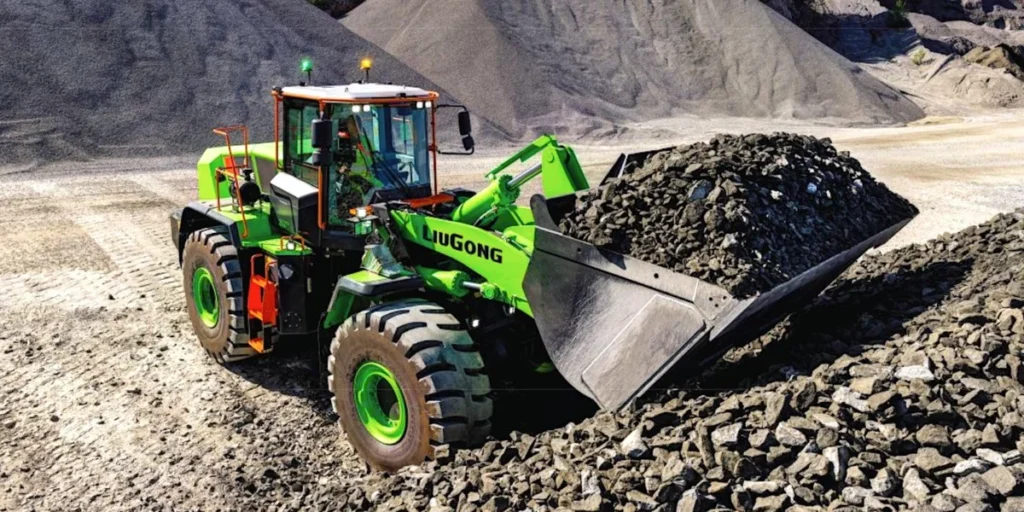
This week, Chinese equipment manufacturer LiuGong officially unveiled its extensive range of battery-electric construction and material handling equipment in the United States and Canada, marking a significant step towards decarbonizing the heavy-duty equipment sector in North America. With over 15 years of dedicated experience in developing battery-electric vehicle (BEV) technology and a proven track record of deploying more than 60,000 electric machines globally, LiuGong enters the North American market armed with a robust and field-tested portfolio of High-Duty Electric Vehicles (HDEVs). This launch signifies a pivotal moment for the industry, offering fleet operators a readily available and comprehensive suite of zero-emission alternatives from a single manufacturer.
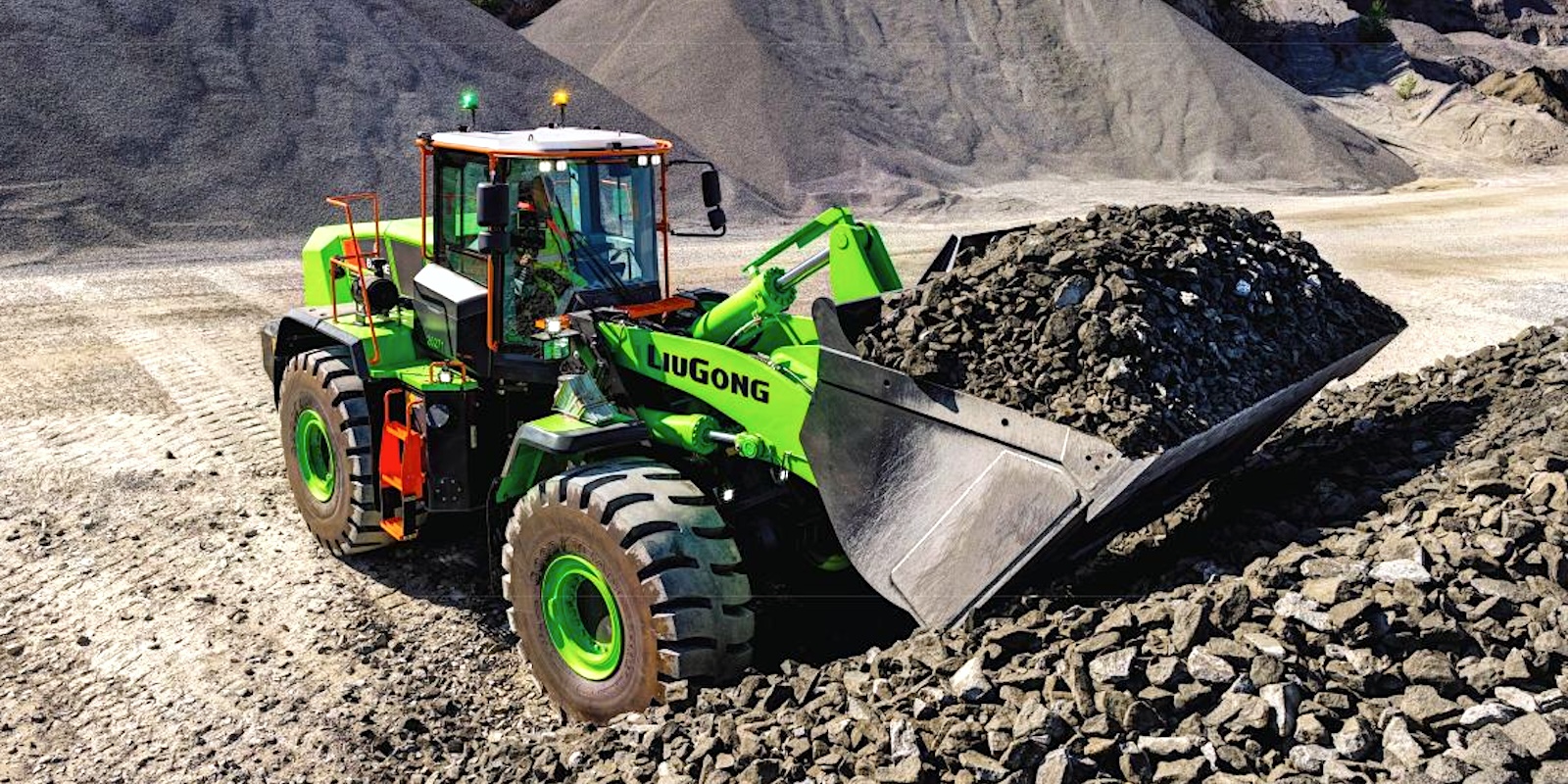
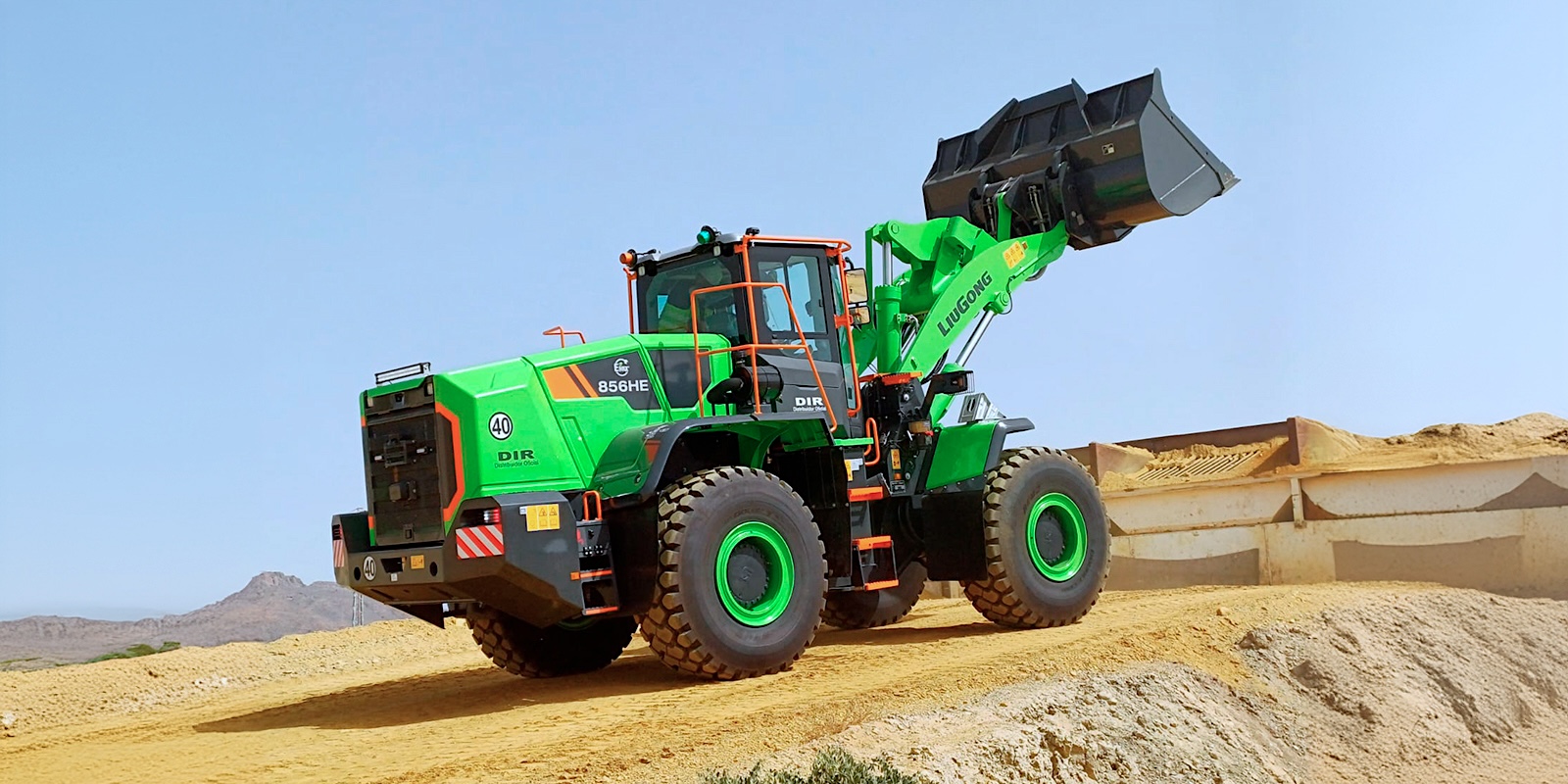
The initial rollout includes several key models, such as the 856HE Battery-Electric Wheel Loader, the 820TE Battery-Electric Loader, the 924FE Battery-Electric Excavator, and the LRSE4531E Fully Electric 45-Ton Reach Stacker. This diverse offering represents one of the broadest battery-electric equipment portfolios currently available from any single manufacturer in the industry, catering to a wide array of construction, forestry, and material handling applications.
A Commitment to Performance and Sustainability

Andrew Ryan, President of LiuGong North America, emphasized the company’s core philosophy during the launch event. "Customers shouldn’t have to choose between proven performance and zero-emission technology," Ryan stated. "Our battery-electric platform has already proven itself through millions of commercial operating hours around the world. Now we’re bringing that experience to North America with machines engineered specifically for this market and backed by years of commercial operation." This assurance directly addresses potential concerns among fleet managers regarding the reliability and operational capacity of electric heavy machinery, highlighting LiuGong’s confidence in its established BEV technology.
The company’s strategic entry into the North American market is underpinned by a long-term vision for sustainable infrastructure development. LiuGong’s global presence and extensive R&D investments in electric powertrains have allowed them to accumulate invaluable data and operational insights. This experience has informed the design and adaptation of their machines to meet the rigorous demands of North American construction sites, where durability, power, and efficiency are paramount.
Economic and Environmental Advantages of Electric Heavy-Duty Vehicles
LiuGong asserts that its HDEVs, specifically designed for the US market, can significantly reduce operating costs for businesses. The company projects potential savings of 40% to 50% compared to their diesel-powered counterparts. These savings are primarily attributed to several key factors:
- Reduced Fuel Costs: The elimination of diesel fuel purchases represents a substantial ongoing saving. Electricity, particularly when sourced from renewable energy or during off-peak hours, is generally more cost-effective per operational hour than diesel.
- Lower Maintenance Requirements: Electric powertrains have significantly fewer moving parts than traditional internal combustion engines. This translates to fewer components requiring regular maintenance, such as oil changes, filter replacements, and exhaust system checks. The reduction in mechanical complexity directly lowers labor costs and minimizes downtime.
- Decreased Replacement Parts Costs: With fewer wear-and-tear components, the need for frequent replacement parts is diminished. This contributes to a lower total cost of ownership over the lifespan of the equipment.
Beyond these direct financial benefits, industry analysts suggest additional, often unquantified, advantages of adopting electric fleets. These can include enhanced operator retention due to quieter and cleaner working environments, a potential reduction in operator fatigue and sick days, and a more attractive proposition for attracting and recruiting new talent in an increasingly competitive labor market. In an era where skilled labor is a critical asset for construction and logistics companies, the appeal of operating modern, eco-friendly equipment can provide a competitive edge.
Expanding the Electric Footprint
The launch of these heavy-duty construction machines is just the beginning of LiuGong’s broader commercial electrification strategy for North America. The company has also announced plans to introduce its growing range of battery-powered forklifts, warehouse equipment, and other material handling solutions to the market over the next eighteen months. This phased rollout aims to establish LiuGong as a comprehensive provider of electric solutions across various industrial and commercial sectors.
This expansion is part of a wider global trend towards electrification in heavy industries. As regulatory pressures to reduce emissions intensify and corporate sustainability goals become more ambitious, the demand for electric alternatives to diesel-powered machinery is expected to accelerate. LiuGong’s proactive approach positions them to capitalize on this growing market opportunity. The company has indicated that it aims to significantly expand its market footprint in North America throughout 2027, leveraging its established product lines and growing dealer network.
Proven Durability and Long-Term Reliability
A critical aspect of LiuGong’s offering is the robust warranty coverage provided for its electric components. The battery packs and electric motors on their electric construction equipment are backed by a comprehensive warranty of five years or 10,000 operating hours. This significant warranty period reflects the company’s confidence in the longevity and reliability of its battery technology, aiming to alleviate any residual concerns about the lifespan and performance of these critical components.
To further underscore the durability and performance of their electric wheel loaders, LiuGong highlighted an impressive case study. A video demonstration showcased an electric wheel loader that has accumulated over 19,900 operating hours on its original battery pack. Remarkably, this unit has operated in the demanding and highly corrosive environment of a phosphate mining operation, a testament to the resilience and sustained performance of LiuGong’s battery technology even under extreme conditions. The video indicates that after this extensive operational period, the battery still retained 86.8% of its original capacity, demonstrating exceptional battery health and longevity. This real-world application provides compelling evidence of the technology’s capability to withstand the rigors of heavy industrial use.
Industry Context and Future Implications

The introduction of LiuGong’s comprehensive BEV portfolio arrives at a time when the construction and material handling industries are under increasing pressure to adopt more sustainable practices. Regulatory bodies, environmental advocacy groups, and increasingly, corporate clients are demanding greener solutions to reduce carbon footprints and comply with evolving environmental standards. The availability of a wide range of electric heavy-duty vehicles from a single, established manufacturer like LiuGong simplifies the transition process for businesses. It allows them to procure multiple types of zero-emission equipment from a trusted source, potentially streamlining procurement, training, and maintenance.
This move by LiuGong is part of a broader global shift. Major equipment manufacturers worldwide are investing heavily in the development and commercialization of electric and alternative fuel solutions. The competitive landscape is intensifying, with companies vying to capture market share in this rapidly evolving sector. LiuGong’s extensive global experience and its significant investment in electric technology position it as a key player in this transition.
The implications of this launch extend beyond just environmental benefits. The electrification of heavy-duty equipment has the potential to reshape urban construction practices, enabling quieter and less polluting operations in densely populated areas. It can also contribute to improved air quality and reduced noise pollution, leading to better working conditions and enhanced community relations for construction companies. Furthermore, as electricity grids become increasingly powered by renewable energy sources, the overall lifecycle emissions of these electric machines will continue to decrease, further solidifying their role in a sustainable future.
LiuGong’s strategic focus on North America with a robust, field-proven electric equipment lineup signifies a serious commitment to the region’s transition towards sustainable heavy machinery. The company’s emphasis on performance, cost savings, and extensive warranty coverage aims to build confidence and accelerate adoption among businesses looking to embrace a greener operational future. As more companies in the construction and material handling sectors explore decarbonization strategies, LiuGong’s comprehensive offering is poised to play a significant role in shaping the future of the industry.