The automotive world is abuzz with speculation surrounding the forthcoming Range Rover GT, a model that has inevitably drawn comparisons to Jaguar’s highly anticipated Type 01, also known as the forthcoming Mk2 I-Pace. While the initial thought might be that these two distinct vehicles would share a common platform, a development strategy often employed by manufacturers to maximize efficiency and reduce costs, official information and industry analysis suggest a different reality. This article delves into the specifics of the Range Rover GT, exploring its positioning within the Land Rover lineup, its potential technological underpinnings, and the rationale behind its separation from the Jaguar project, while also examining the broader implications for both brands under the JLR umbrella.
A New Saloon-Inspired Range Rover
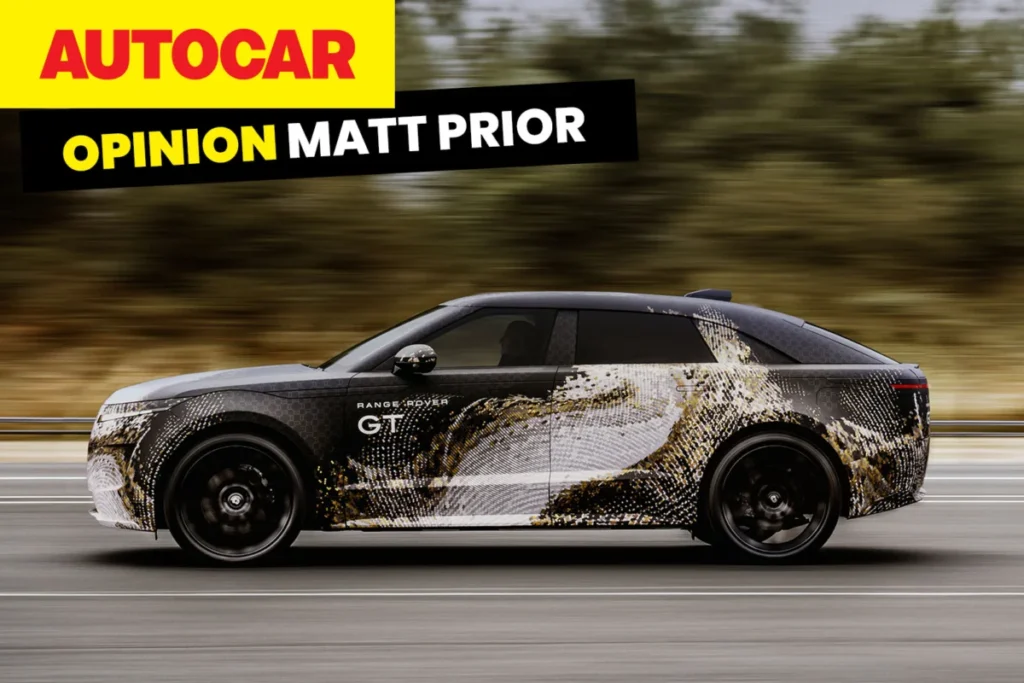
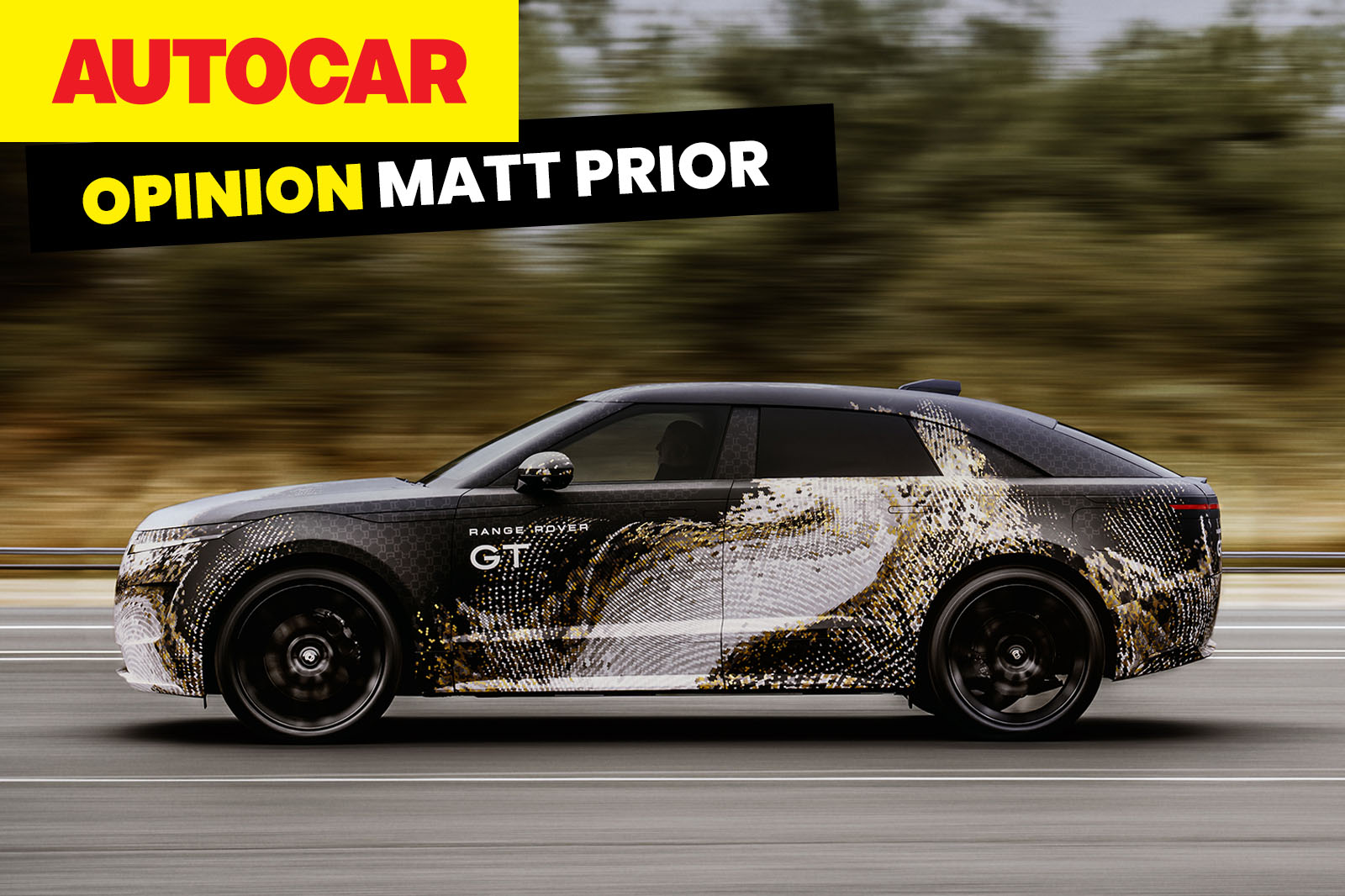
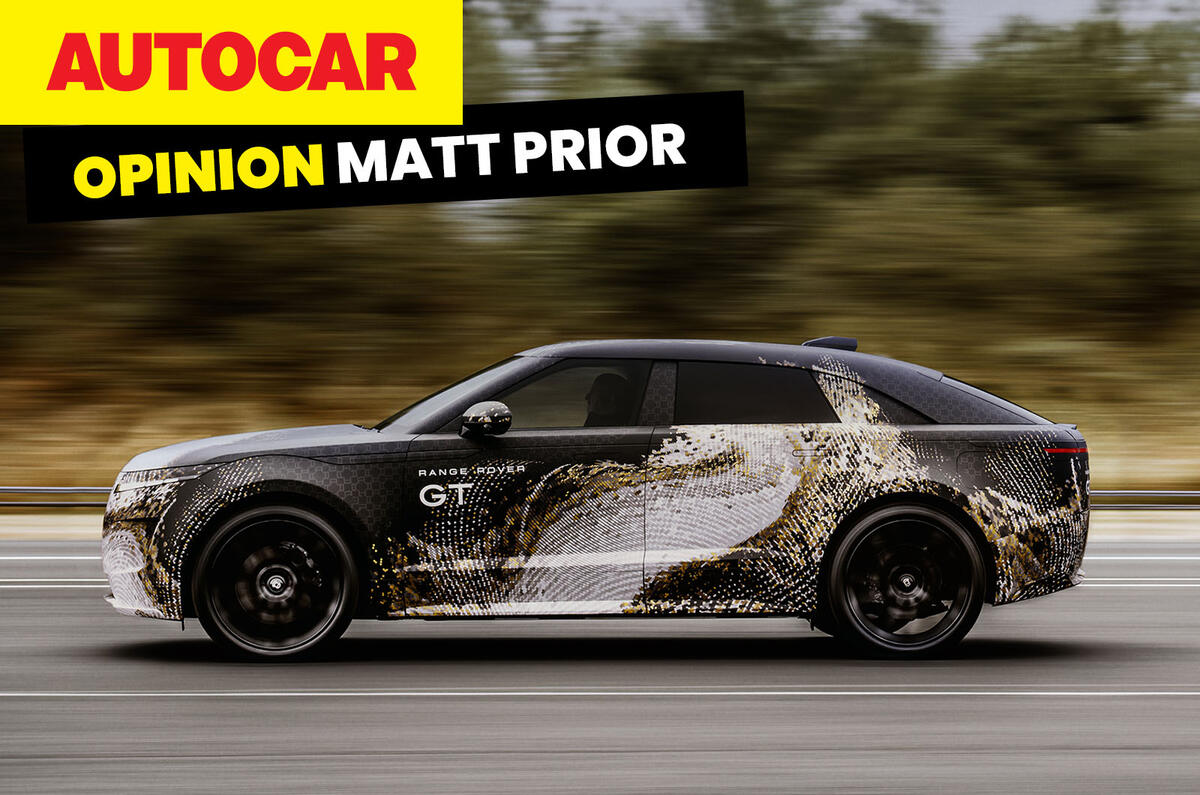
The Range Rover GT is being positioned as a decidedly different proposition from the established Range Rover Sport and the flagship Range Rover. Sources indicate that the GT will adopt a more svelte, coupe-like silhouette, diverging from the traditional boxy aesthetic associated with the Range Rover brand. This design direction suggests a focus on on-road performance and aerodynamic efficiency, moving away from the extreme off-road capabilities that have long defined the marque. The "GT" designation itself typically implies a grand tourer – a car designed for comfortable, high-speed travel over long distances. This aligns with a more road-biased focus for the new model.
This strategic shift for Range Rover is significant. For decades, the brand has cultivated an image of unparalleled luxury and go-anywhere capability. Introducing a model that leans more towards the sporty and the asphalt-bound could be interpreted as an attempt to capture a different segment of the luxury market, one that prioritizes on-road dynamics and sophisticated styling, potentially attracting buyers who might otherwise consider German luxury sedans or coupes.
Unrelated to Type 01: A Strategic Decision
Despite the superficial similarities that might lead to assumptions of shared architecture, the Range Rover GT is understood to be completely unrelated to the Jaguar Type 01. This separation is a crucial piece of information, indicating a deliberate strategic choice by Jaguar Land Rover (JLR) to differentiate its key upcoming models.
The Jaguar Type 01, expected to be a pivotal model in Jaguar’s electric future and potentially a successor or evolution of the I-Pace, is believed to be built on a dedicated, next-generation electric vehicle platform. This platform is likely optimized for the specific requirements of Jaguar’s performance-oriented and design-led ethos. By contrast, the Range Rover GT, while also anticipated to feature electrification, is likely to be underpinned by a different architecture.
One plausible explanation for this divergence lies in the distinct brand identities and target audiences of Range Rover and Jaguar. Range Rover, while increasingly embracing electrification, still needs to cater to a clientele that values a certain level of traditional luxury, comfort, and perhaps a nod to its heritage, even in a more road-focused iteration. Jaguar, on the other hand, is undergoing a significant brand reinvention, aiming to position itself as a purveyor of ultra-luxury electric performance vehicles. This requires a platform that can deliver cutting-edge performance, advanced battery technology, and the specific driving dynamics associated with Jaguar’s sporty DNA.
The Evolutionary Path of JLR Platforms
Historically, car manufacturers have leveraged shared platforms across different brands to achieve economies of scale. JLR itself has employed this strategy with its D7 platform, which underpinned a range of Jaguar and Land Rover vehicles, including the Jaguar F-Pace and the Range Rover Velar. However, as the industry shifts towards electrification and the need for bespoke platform optimization increases, this approach is becoming less prevalent for all-new models.
The decision to develop separate platforms for the Range Rover GT and the Jaguar Type 01 could signify a more nuanced strategy within JLR. It suggests that the company is willing to invest in tailored architectures to ensure each brand can fully express its unique identity and deliver the specific attributes its target customers expect. This could also reflect the differing timelines and development priorities for each brand. Jaguar’s electric transformation is arguably more aggressive and central to its immediate future, necessitating a dedicated and advanced EV platform. Range Rover, while committed to electrification, might have a slightly more phased approach, potentially utilizing a platform that offers greater flexibility or is shared with other Land Rover models to manage development costs and timelines more effectively.
Potential Technological Underpinnings
While the Range Rover GT and Jaguar Type 01 will not share a platform, it is highly probable that they will draw upon JLR’s overarching technological advancements in electrification. Both vehicles are expected to feature advanced battery technology, efficient electric powertrains, and sophisticated software for energy management and driver assistance.
For the Range Rover GT, the focus might be on delivering a refined and powerful electric driving experience that complements its luxurious interior and on-road dynamics. This could involve powerful dual-motor setups for all-wheel drive, offering substantial torque and swift acceleration, while also prioritizing ride comfort and refinement. The battery capacity and charging capabilities will be crucial in determining its competitiveness in the premium electric segment.
The Jaguar Type 01, on the other hand, is expected to push the boundaries of electric performance, potentially incorporating technologies that emphasize agility, responsiveness, and outright speed, in line with Jaguar’s sporting heritage. This might involve more advanced motor configurations, lightweight construction techniques, and bespoke chassis tuning.
Market Positioning and Competitive Landscape
The introduction of the Range Rover GT will see it enter a highly competitive segment of the luxury automotive market. It will likely compete with established players like the Porsche Taycan, the Tesla Model S, and potentially future electric offerings from other luxury brands. Its success will hinge on its ability to blend Range Rover’s signature luxury and refinement with a compelling on-road driving experience and competitive electric performance metrics.
The Jaguar Type 01, as a successor or evolution of the I-Pace, will aim to solidify Jaguar’s position in the premium electric SUV market, competing against rivals such as the Audi e-tron, BMW iX, and Mercedes-Benz EQE SUV. Its success will be critical for Jaguar’s ambitious turnaround plan.
Broader Implications for JLR
The distinct development paths for the Range Rover GT and the Jaguar Type 01 have significant implications for JLR’s future strategy. It signals a move towards greater brand specialization and a willingness to invest in unique architectures to serve distinct market needs. This approach, while potentially more costly in the short term, could yield greater long-term benefits by allowing each brand to fully realize its potential and appeal to its core customer base.
This strategy also highlights JLR’s commitment to electrification across its portfolio, with both Range Rover and Jaguar taking distinct but equally important steps towards an electric future. The success of these models will be a key indicator of JLR’s ability to navigate the rapidly evolving automotive landscape and compete effectively in the premium electric vehicle segment.
Conclusion
While the initial assumption of shared platforms between the Range Rover GT and the Jaguar Type 01 is understandable given industry trends, available information points to a deliberate separation. This decision underscores JLR’s commitment to preserving and enhancing the unique identities of its flagship brands. The Range Rover GT is poised to offer a new interpretation of Range Rover luxury with a focus on on-road refinement and performance, while the Jaguar Type 01 is set to spearhead Jaguar’s ultra-luxury electric performance ambitions. The success of these distinct ventures will be a crucial determinant in the future trajectory of both brands and JLR as a whole. The automotive world will be watching closely as these two significant new models take shape and eventually reach the market, each representing a vital chapter in their respective brand’s evolving stories.