The automotive landscape is constantly evolving, with manufacturers vying to capture consumer attention through innovative design, cutting-edge technology, and unparalleled comfort. In this competitive arena, Jaguar Land Rover (JLR) is poised to make a significant statement with its upcoming Freelander 8 EREV (Extended Range Electric Vehicle). Recent interior reveals, originating from Chinese social media platforms, showcase a remarkable transformation of the traditional SUV cabin, particularly focusing on the second-row experience. This new iteration of the Freelander appears to be less about the driver and more about creating an ultra-luxury lounge on wheels, challenging conventional notions of what an SUV interior can be.
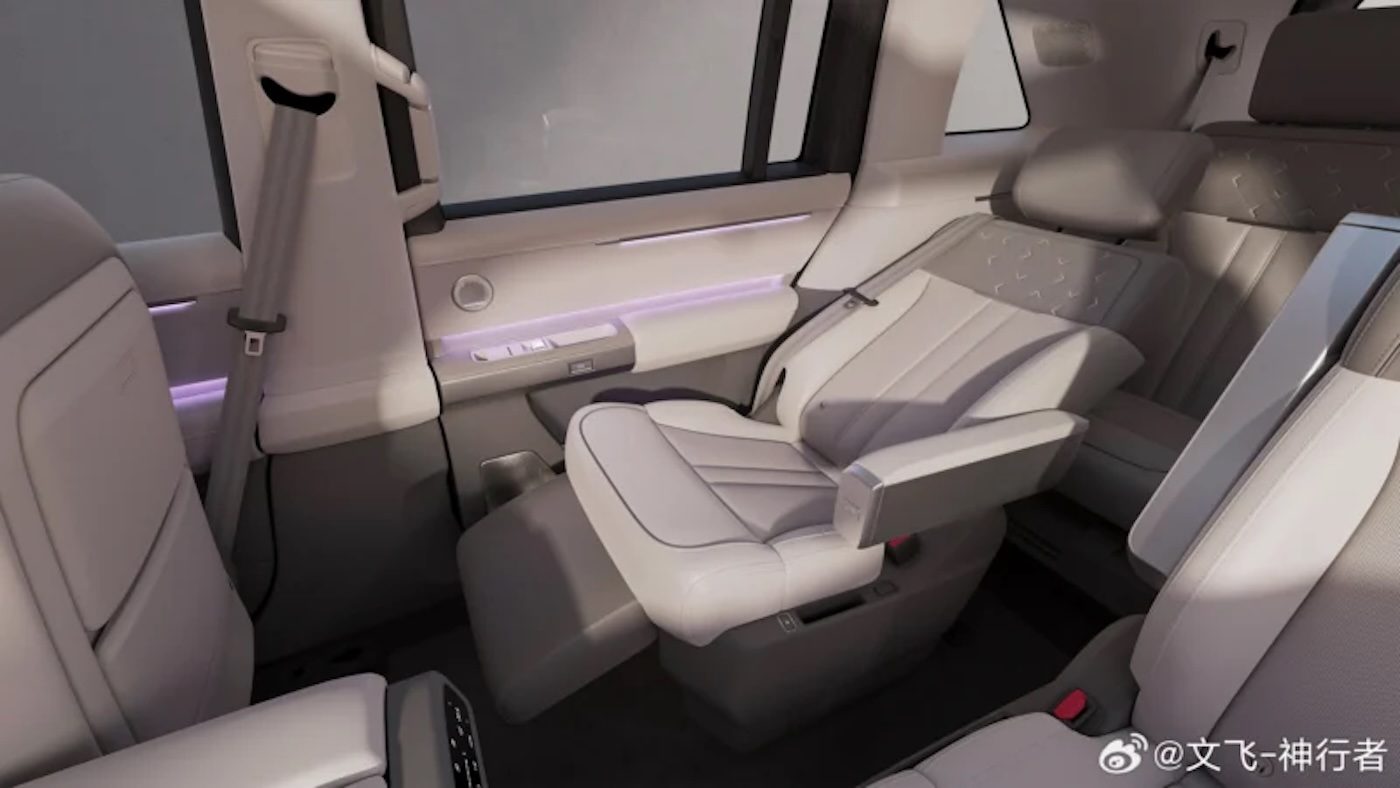
The images, first widely circulated on Chinese social media site Weibo by user Wenfei – The Wanderer, offer an unprecedented glimpse into the Freelander 8’s cabin. The most striking feature is the implementation of what are being described as "Zero Gravity" reclining captain’s chairs in the second row. These seats are not merely for transportation; they are designed for ultimate relaxation and indulgence. Preliminary details suggest these seats will offer a comprehensive suite of amenities, including heating, ventilation, and massage functions, transforming the rear seating area into a first-class travel experience. This focus on second-row passenger comfort is a strategic move, recognizing the growing demand for vehicles that prioritize the well-being and enjoyment of all occupants, not just the driver.

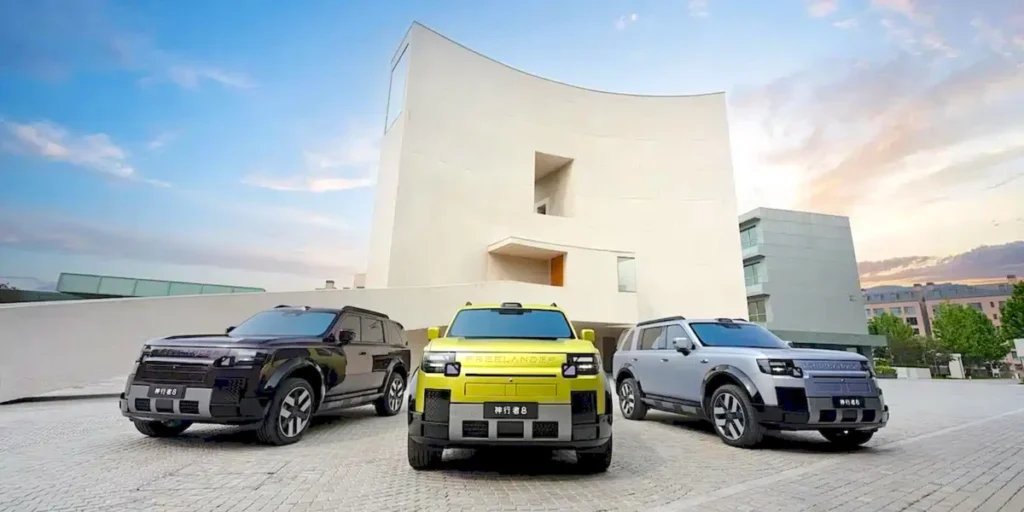
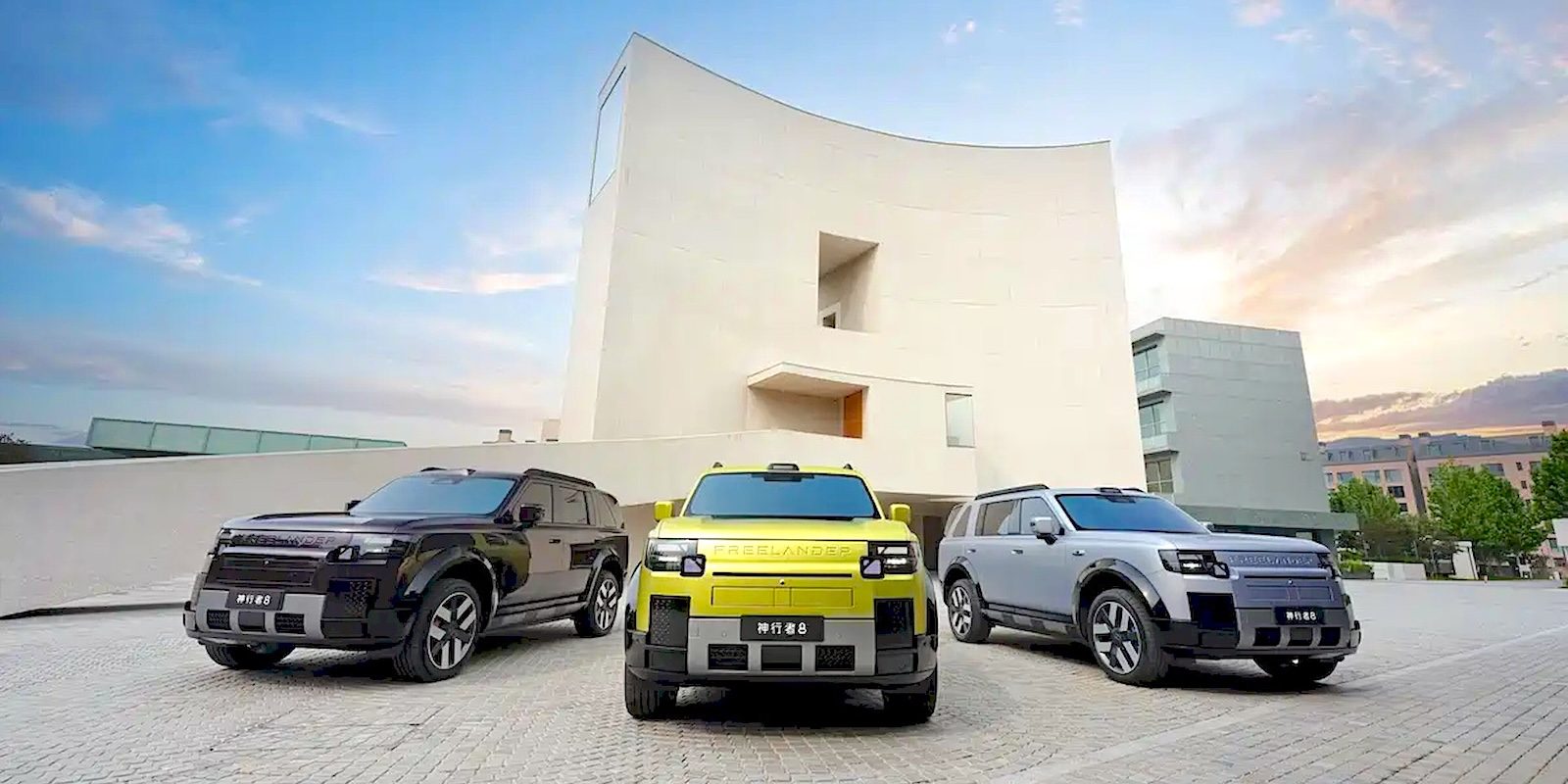
The Freelander 8 EREV, first previewed in March, represents JLR’s ambitious global entry into the highly competitive luxury SUV segment. Its initial reveal hinted at a design ethos that blends retro-inspired aesthetics with modern proportions, aiming to stand out against established European rivals. However, to truly thrive in dynamic markets like China, where consumer expectations often lean towards maximalism and opulence, a vehicle needs to offer more than just style and substance. The Freelander 8’s interior appears to be precisely that "something extra," an audacious statement of luxury and technological integration.
The "Zero Gravity" seats, combined with other luxurious appointments, create an environment that transcends the typical SUV experience. While the aesthetic might be perceived by some as ostentatious, featuring elements like airline-style tray tables, an integrated refrigerator, and mood lighting that verges on vibrant hues, the undeniable comfort and sophisticated functionality are difficult to dismiss. This bold design choice suggests JLR is not shying away from creating a distinctive and memorable passenger environment, catering to a clientele that values both cutting-edge features and supreme comfort.
A Glimpse into the "Zero Gravity" Sanctuary
The allure of the Freelander 8’s interior lies in its meticulous attention to passenger experience. The "Zero Gravity" seats are designed to recline to an almost horizontal position, mimicking the experience of a first-class airline seat. This is achieved through advanced ergonomic engineering, allowing passengers to alleviate pressure points and achieve a state of deep relaxation during journeys. The integrated heating and ventilation systems ensure optimal thermal comfort in any climate, while the massage functions provide therapeutic benefits, reducing fatigue on long drives.
Beyond the seats themselves, the cabin is equipped with a host of features designed to enhance the passenger experience. A prominent ceiling-mounted entertainment screen is positioned to provide rear-seat occupants with a private viewing experience, effectively isolating them from the outside world and allowing them to immerse themselves in their chosen content. This feature underscores the vehicle’s dual identity: a capable SUV for the open road and a private sanctuary for its occupants.
Complementing the entertainment system is a sprawling dashboard display. A substantial 46.3-inch panoramic screen stretches across the entire width of the dashboard, offering a visually immersive interface for vehicle information, navigation, and infotainment. This is further augmented by a 15.6-inch central LED touchscreen, providing intuitive control over various vehicle functions. The integration of these large displays signifies a commitment to a modern, digital cockpit, yet JLR has thoughtfully retained physical controls. Faceted crystal knobs and tactile buttons, inspired by the intricate "Clous de Paris" guilloché patterns found in high-end timepieces, add a touch of classic horological craftsmanship to the otherwise futuristic interior. This blend of digital and physical elements aims to provide a user experience that is both cutting-edge and intuitively engaging.
Powertrain and Electrification Strategy
The Freelander 8 EREV is not just about luxurious interiors; it also represents JLR’s strategic approach to electrification. The vehicle is slated to offer over 135 miles (approximately 217 kilometers) of all-electric range, calculated on the Chinese cycle, powered by a 60.3 kWh battery. This electric range is intended to cover the majority of daily commutes and local travel, minimizing reliance on fossil fuels for everyday use.
Crucially, the Freelander 8 incorporates an internal combustion engine (ICE) range extender. This system allows the vehicle to generate its own electricity when the main battery depletes, significantly extending the overall driving range and alleviating range anxiety, a persistent concern for many potential EV buyers. This EREV configuration positions the Freelander 8 as a transitional vehicle for consumers who may not yet be ready for a fully battery-electric vehicle (BEV) but are looking to embrace electrified mobility.
JLR’s decision to offer an EREV model, rather than a pure BEV for this particular launch, can be interpreted as a pragmatic step in their electrification journey. While the automotive industry, including publications like Electrek, often emphasizes the long-term benefits of pure EVs, the reality is that hybrids and EREVs serve as crucial "lily pads" for many consumers transitioning towards full electrification. For manufacturers, capturing these buyers is paramount to driving adoption and contributing to overall emissions reductions. By offering a vehicle that bridges the gap between conventional powertrains and full electric, JLR is broadening its appeal and potentially accelerating the broader shift towards sustainable transportation.
Market Context and Competitive Landscape
The introduction of the Freelander 8 EREV comes at a time when the luxury SUV market is experiencing unprecedented growth and intense competition. The global demand for sport utility vehicles that offer a blend of performance, practicality, and premium amenities continues to surge. In key markets like China, where vehicle purchasing habits are influenced by a desire for advanced technology and status symbols, JLR’s new offering is positioned to make a significant impact.

The retro-inspired styling, combined with the overtly luxurious and tech-forward interior, creates a compelling proposition. This approach allows the Freelander 8 to differentiate itself from its German competitors, who often adhere to more conservative design languages. The "Zero Gravity" seating, in particular, addresses a niche but growing demand for ultra-comfortable and indulgent passenger experiences, a segment where traditional luxury sedans have historically dominated.
The Freelander nameplate itself carries historical significance for Land Rover, evoking a sense of adventure and capability. The reimagining of this badge for a modern, electrified era, with a focus on advanced technology and passenger comfort, signals JLR’s intent to appeal to a new generation of luxury SUV buyers. The collaboration with Chery, a prominent Chinese automotive manufacturer, further strengthens JLR’s position in the Chinese market, leveraging local expertise and manufacturing capabilities.
Future Implications and Industry Trends
The Freelander 8 EREV’s interior design and powertrain strategy offer valuable insights into broader automotive industry trends. The increasing emphasis on passenger experience, particularly in the rear seats, reflects a growing understanding that vehicles are becoming more than just modes of transport; they are extensions of our living spaces. As autonomous driving technology progresses, the focus on in-car entertainment and comfort is expected to intensify, making features like those seen in the Freelander 8 increasingly important.

Furthermore, the EREV powertrain strategy highlights the industry’s nuanced approach to electrification. While the ultimate goal for many is full electrification, practical considerations such as consumer readiness, charging infrastructure, and production costs necessitate a phased transition. JLR’s commitment to offering a range-extended electric option demonstrates an understanding of these market dynamics and a willingness to adapt its electrification strategy to meet diverse consumer needs.
The success of the Freelander 8 EREV will likely hinge on its ability to deliver on its promise of luxury, comfort, and advanced technology while maintaining JLR’s reputation for build quality and performance. If successful, it could set a new benchmark for luxury SUV interiors and further solidify JLR’s position as an innovator in the automotive sector. The vehicle’s ability to blend a premium, technologically advanced cabin with a practical, electrified powertrain presents a compelling package for consumers looking for the best of both worlds.
The visual evidence from the Weibo post suggests a vehicle that is not afraid to push boundaries. The combination of opulent seating, expansive digital displays, and thoughtful amenities creates an environment that is both futuristic and exceptionally comfortable. This bold approach to interior design, coupled with a pragmatic electrification strategy, positions the Jaguar Land Rover Freelander 8 EREV as a significant contender in the evolving luxury SUV market, promising an unparalleled experience for its occupants. The coming months will reveal more details about the vehicle’s pricing, availability, and final specifications, but the initial glimpses suggest a revolutionary step forward in automotive luxury.