This year’s gathering marked the second consecutive time the event has occupied the San Mateo venue, signaling a significant expansion in both scale and ambition. Organizers reported a marked increase in the number of exhibits, which spilled out across multiple halls and outdoor spaces, reflecting the growing influence of the creator economy on traditional STEM (Science, Technology, Engineering, and Mathematics) fields. From high-budget automotive conversions to grassroots community initiatives, the event provided a comprehensive look at the current state of independent hardware development.
The Intersection of Digital Content and Physical Engineering
At the heart of Open Sauce is the convergence of social media influence and rigorous engineering. The event’s programming featured two dedicated stages where prominent YouTubers and industry experts discussed the nuances of their craft. A central theme of the weekend was the "Algorithm"—the invisible hand of digital platforms that dictates which projects receive global attention. Jim Louderback, CEO of VidCon, led panels exploring the realities of maintaining a creative career in an era where technical complexity must often compete with entertainment value.
Discussions on the stages were candid, offering a rare glimpse into the financial and emotional toll of high-level making. Creators shared anecdotes of projects fueled by "engineering rage," while others disclosed the staggering costs associated with the field; one creator reportedly spent $50,000 on a project that ultimately failed to produce a viable video. These insights highlighted a critical shift in the maker community: the transition from hobbyist experimentation to professionalized content production. Despite the high stakes, the advice for aspiring engineers remained rooted in persistence, with speakers emphasizing the necessity of iterative failure as a prerequisite for success.

Robotics and the Legacy of Combat Engineering
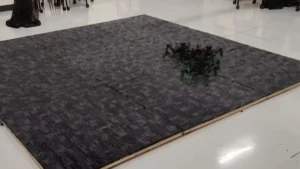
The presence of the BattleBots community and the Bay Area Droid Builders provided a bridge between cinematic fantasy and functional robotics. The Droid Builders showcased hyper-realistic replicas of iconic Star Wars units, including a K-2SO security droid and an MSE-6 series repair droid. These builds are not merely aesthetic; they often involve sophisticated telemetry, custom-coded movement sequences, and advanced materials science to replicate the look and feel of their on-screen counterparts.
Complementing these were the combat-ready machines from the BattleBots circuit. These exhibits allowed attendees to inspect the heavy-duty armor and high-torque weaponry that define modern robotic combat. The technical expertise required to maintain these machines—often involving complex hydraulic systems and high-current electrical circuits—serves as a testament to the high ceiling of the maker hobby.

Community Resilience: The Case of Hacker Dojo
While Open Sauce celebrates individual achievement, it also shines a light on the infrastructure that makes such creativity possible. Hacker Dojo, one of the oldest and most influential hackerspaces in Silicon Valley, maintained a prominent presence at the event despite facing an existential threat. The organization, which provides tools, workspace, and a collaborative environment for engineers and artists, is currently in danger of losing its physical location due to the volatile real estate market in the region.
Throughout the weekend, Hacker Dojo volunteers engaged with the public, offering toy car customization workshops for children to foster early interest in engineering. The space also utilized the event to promote a high-stakes fundraiser, auctioning off intricate brick-based artwork that had been three years in the making. The struggle of Hacker Dojo underscores a broader challenge within the tech community: as the "Maker" brand grows in popularity, the physical spaces required for grassroots innovation are increasingly under pressure from rising urban costs.

Innovations in Health, Gaming, and 3D Technology
The diversity of hardware on display at Open Sauce 2024 extended into the realms of public health and interactive entertainment. Joel Hartlaub, known online as JoelCreates, showcased the "OddCube," a reparable air purifier kit. This project addresses the increasing concern over air quality in the Western United States, driven largely by seasonal wildfire smoke. By offering a kit that is easy to assemble and maintain, Hartlaub advocates for the "Right to Repair" movement, encouraging consumers to understand and fix their own household technology rather than contributing to electronic waste.
In the gaming hall, the focus shifted to "Alt-Ctrl" (Alternative Control) systems. Bryan Racic demonstrated an open-source, 3D-printable nautical controller designed for maritime simulations. His demo, titled Klorbiest Catch, required players to navigate a vessel and drop traps using a physical wheel and throttle, subverting the standard keyboard-and-mouse interface. This project highlights the democratization of peripheral hardware, where 3D printing and open-source electronics (such as Arduino and Raspberry Pi) allow independent developers to create bespoke tactile experiences.

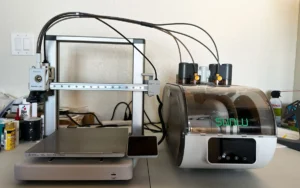
Furthermore, Whitcorp Labs showcased advancements in 3D photogrammetry and industrial-grade printing. Their 3D scanning dome, capable of capturing high-resolution digital twins of physical objects, represented the high-end spectrum of the hardware on display. The integration of such technology into the maker space suggests that the gap between consumer-grade 3D printing and professional manufacturing continues to narrow.
Artistic Subversion through Biological Engineering
One of the most talked-about exhibits was a massive housefly sculpture, a collaborative effort between creators Lexi Tayte and Jessica Crafternoon. Built primarily from soft materials, the sculpture was designed to challenge the human instinctive reaction of revulsion toward insects. By magnifying the fly to a human scale, the artists forced viewers to appreciate the complex biological engineering of the insect’s form.

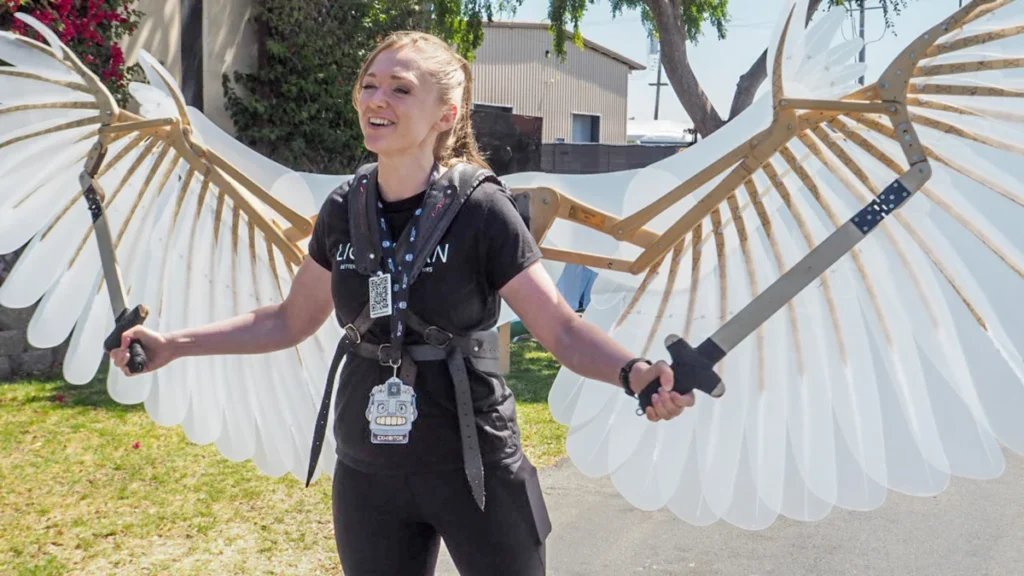
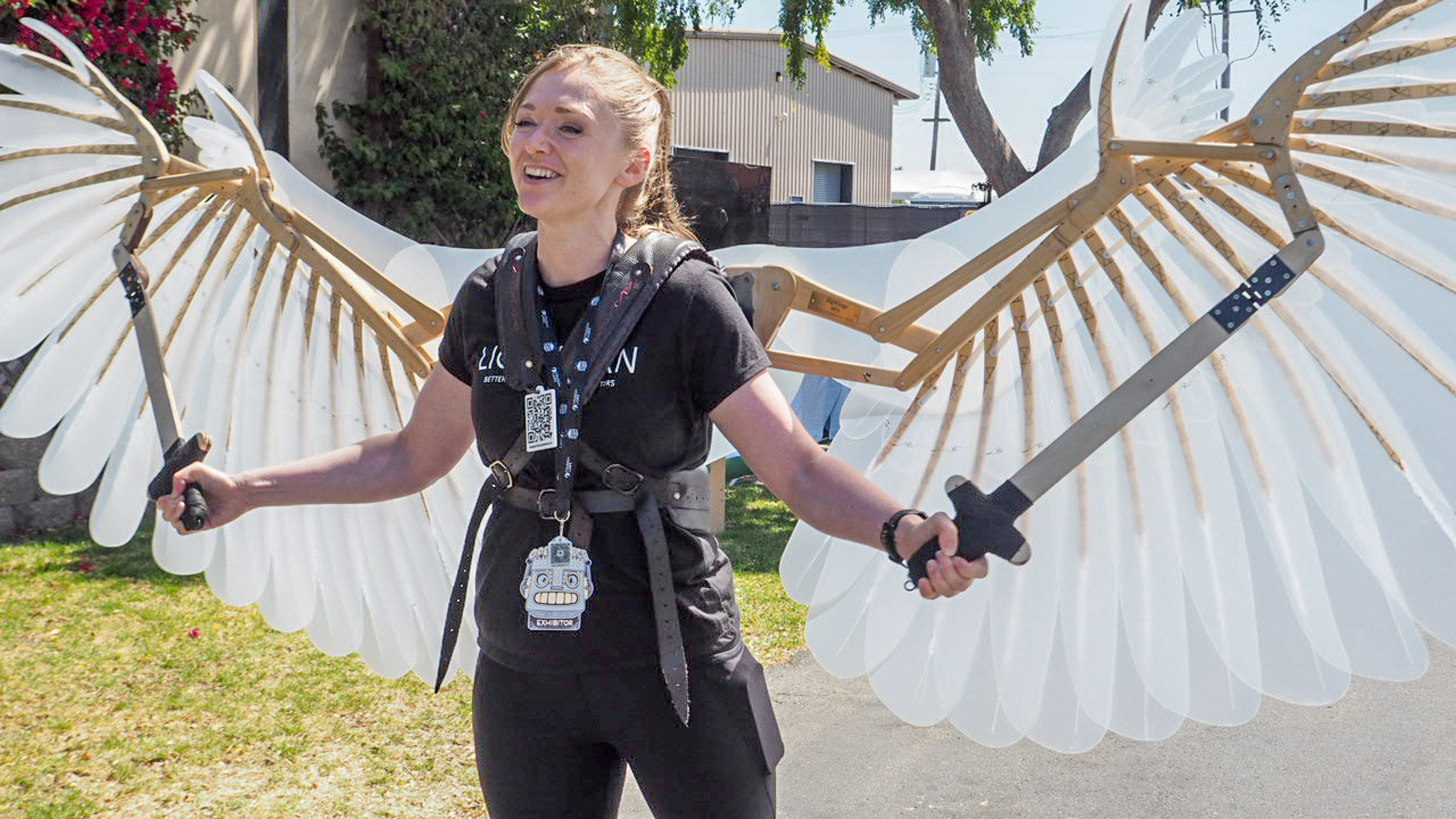
This "biological" approach to making was further exemplified by Laura Mathews, who demonstrated a set of large-scale mechanical wings. These projects represent a subset of the maker community focused on "biomimicry"—the design and production of materials, structures, and systems that are modeled on biological entities and processes. Whether for cosplay, theatrical performance, or pure artistic expression, these builds require a deep understanding of anatomy and mechanical linkage.
Economic Implications and the Cost of Innovation
The economic landscape of Open Sauce is as varied as its exhibits. While the event celebrates the "DIY" spirit, the financial reality of many projects is significant. The "couch-car," a viral project that involved converting a piece of furniture into a road-legal (or semi-legal) vehicle, reportedly cost the team $9,000. This contrast between low-cost "hacks" and high-expenditure "stunt engineering" reflects the diverse demographics of the attendee base, which includes students, professional engineers, and venture-backed content creators.

Ticket prices for the event also reflected its positioning as a premium experience rather than a community fair. However, industry analysts suggest that the high cost of entry is offset by the networking opportunities and the high density of specialized knowledge available on-site. For many, Open Sauce is a professional development opportunity disguised as a weekend of "wacky" projects.
Conclusion and Future Outlook
As Open Sauce 2024 concluded, organizers looked toward the future, announcing that the event would return to San Mateo on July 17 and 18, 2027. This gap in the schedule may allow for even more ambitious projects to reach maturity, as many of the builds featured this year required years of development.

The success of the event reinforces the Bay Area’s status as a global epicenter for hardware innovation. While digital software often dominates the Silicon Valley narrative, Open Sauce serves as a reminder that the physical world—filled with bots, blasters, and even giant bugs—remains a vital playground for the next generation of engineers. For those who cannot wait until 2027, the upcoming Maker Faire Bay Area is expected to provide a similar sanctuary for the creative and the curious, ensuring that the spirit of open-source hardware continues to thrive in the region.