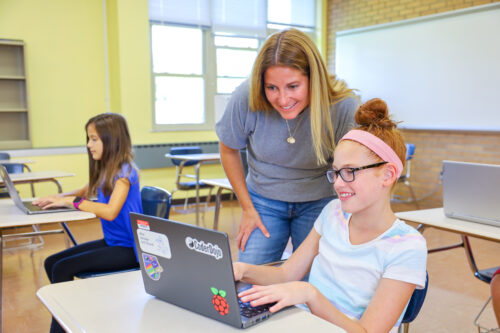
The global education landscape is currently undergoing a significant shift as schools attempt to reconcile traditional core subjects with the increasing necessity of digital literacy and computational thinking. At the forefront of this movement is a collaborative effort between the Raspberry Pi Foundation and classroom educators to implement "Experience CS," a free, cross-curricular resource designed to weave computer science into the fabric of daily instruction. By integrating programming and algorithmic logic into subjects like mathematics, science, and language arts, the initiative seeks to overcome the systemic barriers of time and curriculum density that often prevent computer science from reaching primary and middle school students. This pedagogical approach will be a central focus at the upcoming Computer Science Teachers Association (CSTA) annual conference in New Orleans, Louisiana, where educators from Albert Lea, Minnesota, will present findings on the measurable impact of these resources on student engagement and leadership.
The Evolution of Cross-Curricular Computer Science
For many years, computer science was relegated to elective courses or specialized "lab time," often accessible only to students who had already demonstrated an interest in technology. However, the modern workforce demands a level of digital fluency that transcends basic computer literacy. As states across the U.S. move toward mandating computer science education, teachers are faced with the challenge of "curriculum squeeze"—the reality that there are not enough hours in the school day to add new subjects without sacrificing time spent on core literacy and numeracy.
Experience CS was developed as a direct response to this logistical hurdle. Rather than treating computer science as a standalone discipline, the program provides lesson plans that use coding to reinforce existing academic standards. For instance, instead of simply learning how to create a loop in a programming language, students might use that loop to simulate the water cycle in a science unit or to practice multiplication tables in a math lesson. This method ensures that computer science supports, rather than competes with, the primary learning objectives of the classroom.
The Albert Lea Case Study: Overcoming Implementation Barriers
Last fall, a pivotal collaboration began between the Raspberry Pi Foundation and two educators from Albert Lea, Minnesota: Mark Nechanicky and Taryn Israel Nechanicky. Their experience serves as a microcosm of the broader challenges and successes found in modern STEM integration. Albert Lea, a district that has prioritized innovative learning environments, provided the backdrop for testing how Experience CS could function in a standard classroom setting.
The Nechanickys identified several primary constraints at the outset: limited instructional time, the rigid requirements of state-mandated core content, and varying levels of student prior knowledge. In a traditional model, these factors might have deterred the introduction of coding. However, by utilizing a cross-curricular framework, they were able to satisfy their core teaching requirements while simultaneously introducing students to Scratch—a block-based visual programming language developed by the MIT Media Lab.
The transition was marked by a shift in classroom culture. According to the educators, the integration of coding fostered an environment where "mistakes" were rebranded as "debugging opportunities." This shift is critical in early childhood education, where the fear of being "wrong" can often stifle participation in STEM subjects.
Student Agency and the Psychology of Play
One of the most significant findings from the Albert Lea implementation was the role of student agency in driving academic outcomes. Taryn Israel Nechanicky observed that her students began to view coding sessions not as additional work, but as a form of structured play. This observation aligns with established pedagogical theories suggesting that agency—the ability for a student to make meaningful choices in their learning process—is a primary driver of intrinsic motivation.
In a third-grade unit titled "Weather Watchers," students are tasked with integrating math and science concepts by collecting weather data and representing it through digital visualizations. A specific instance highlighted the power of personal relevance: a student chose to incorporate a sprite of her own dog into her weather program. While seemingly a minor detail, this level of customization ensures that the student is emotionally invested in the technical execution of the project. By choosing their own characters and setting their own parameters, students move from being passive consumers of technology to active creators.
Fostering Creativity and Problem-Solving Through Customization
The Experience CS units are designed with "scaffolded learning" in mind, a technique where instructional support is gradually removed as students gain competence. This structure allows students to move beyond following step-by-step instructions toward independent creative expression.
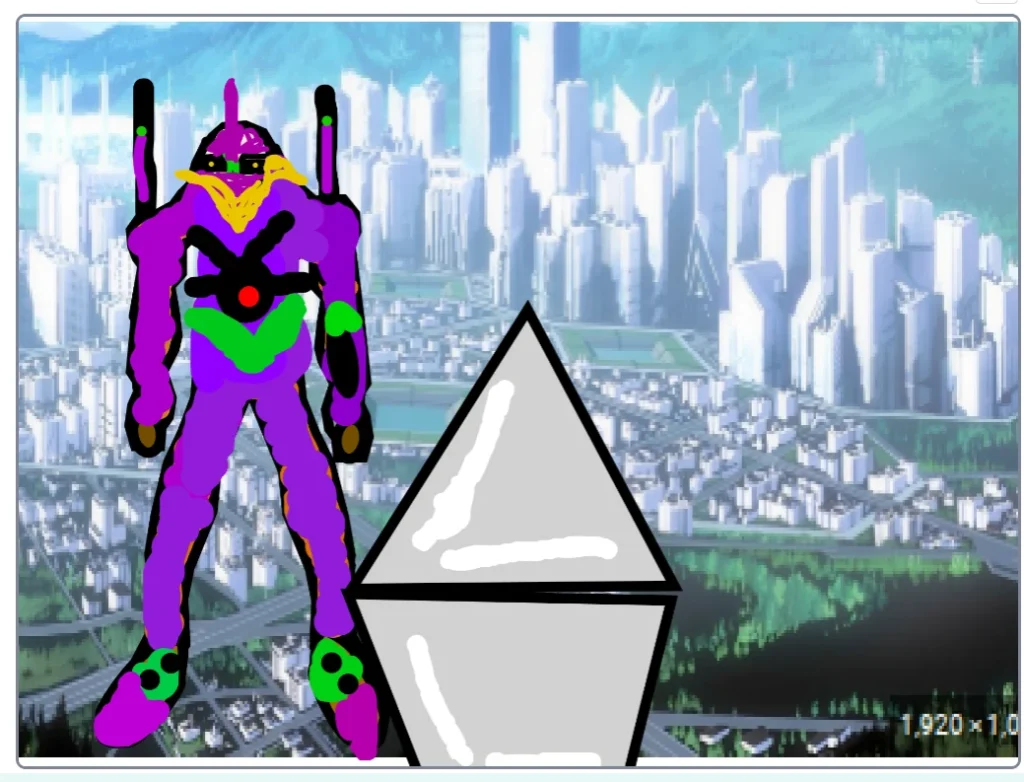
In Mark Nechanicky’s classroom, this was evidenced during the "Weather Watchers" unit. While the starter project provided a set of standard weather sprites (sun, rain, clouds), students quickly identified a local relevance gap: the absence of a tornado sprite, a significant weather event in the Midwest. Rather than being halted by this limitation, the students used the platform’s design tools to create their own assets.
This act of creation is a core component of computational thinking. It requires the student to decompose a problem (the need for a specific visual), recognize patterns, and develop a solution within the constraints of the software. Mark Nechanicky noted that this flexibility allowed students to extend their projects in ways that reflected their unique interests, ensuring that no two final projects were identical despite being based on the same scientific data.
Redefining Leadership and Classroom Dynamics
Perhaps the most profound impact of the Experience CS initiative is its ability to alter the social hierarchy of the classroom. In traditional academic settings, leadership roles often fall to students who excel in verbal or written communication. However, the introduction of a new, logic-based discipline like coding provides a "level playing field" that can reveal hidden talents in students who may struggle elsewhere.
Mark Nechanicky reported that the coding units created leadership opportunities for students with Individualized Education Plans (IEPs), English Language Learners (ELL), and those who are typically introverted. Because computer science is a new experience for the majority of the class, the traditional "expert" roles are vacated, allowing different students to step up.
A notable example occurred during the "Digit Dash" unit, a game design module intended to reinforce fourth-grade multiplication fluency. The unit introduces the concept of "variables" to store game scores—a sophisticated mathematical and computational concept. The first student to successfully implement a variable in his program was a typically introverted boy who did not usually seek the spotlight. However, his technical success quickly made him the "class expert." He began modeling the process for his peers, transitioning from a quiet observer to a collaborative leader. This shift suggests that CS integration can serve as a powerful tool for social-emotional learning and inclusive education.
Technical Framework: The Experience CS Units
The upcoming presentation at the CSTA conference will detail several specific modules that have proven successful in the field. These units are designed for different age groups and academic focuses:
- Weather Watchers (3rd Grade): Combines meteorology and data science. Students collect real-world data and use Scratch to create interactive picture graphs.
- Digit Dash (4th Grade): Focuses on multiplication fluency. Students build a "dash" style game where they must solve math problems to advance, learning about variables and conditional logic in the process.
- Logic and Lore: Explores the intersection of storytelling and logic gates, allowing students to create interactive narratives that change based on user input.
- Picture This!: Integrates visual arts and geometry, using code to create complex patterns and digital illustrations.
Each of these units is mapped to the CSTA K-12 Computer Science Standards as well as Common Core and Next Generation Science Standards (NGSS), providing a turnkey solution for administrators worried about meeting diverse educational mandates.
Chronology and Future Outlook
The journey of the Experience CS resource began with intensive research and development aimed at closing the "digital divide." Following the pilot phases and the successful implementation in classrooms like those in Albert Lea during the 2023-2024 school year, the program is now entering a scaling phase.
On July 17, 2024, the Raspberry Pi Foundation team, along with Mark and Taryn Nechanicky, will take the stage at the CSTA annual conference in New Orleans. Their session, "Foster Student Engagement, Confidence, and Collaboration through Integrated CS," aims to provide a roadmap for other educators looking to replicate these results. The session is scheduled for 3:00 PM CT in the Borgne room (Floor 3).
The broader implications of this work are significant. As the global economy becomes increasingly reliant on automation, artificial intelligence, and software development, the ability to understand the "language of machines" is becoming a fundamental civil right. By integrating these skills into the public school curriculum at an early age—and doing so in a way that includes all learners regardless of their academic background—initiatives like Experience CS are helping to ensure that the next generation is not just tech-literate, but tech-empowered.
The success in Albert Lea suggests that when teachers are provided with high-quality, free resources that respect their time and expertise, the barriers to computer science education begin to dissolve. The result is a classroom where students are more engaged, more creative, and more prepared for a future that will inevitably be defined by technology.