The simple act of driving, for many, has become a utilitarian necessity, a means to an end in an increasingly mundane world. Yet, for a dedicated segment of the automotive enthusiast community, the car represents far more than just transportation. It is a passion, a hobby, and for some, an art form. This sentiment is eloquently captured by Illya Verpraet, a Road Tester at Autocar, who recently articulated a compelling argument for embracing older, characterful vehicles to inject excitement into daily commutes. Verpraet’s perspective challenges the prevailing notion that automotive enjoyment is solely the domain of collectors or those with the means to acquire high-performance supercars. Instead, he proposes a more accessible and arguably more profound way to experience the joy of motoring: by transforming routine journeys into engaging adventures.
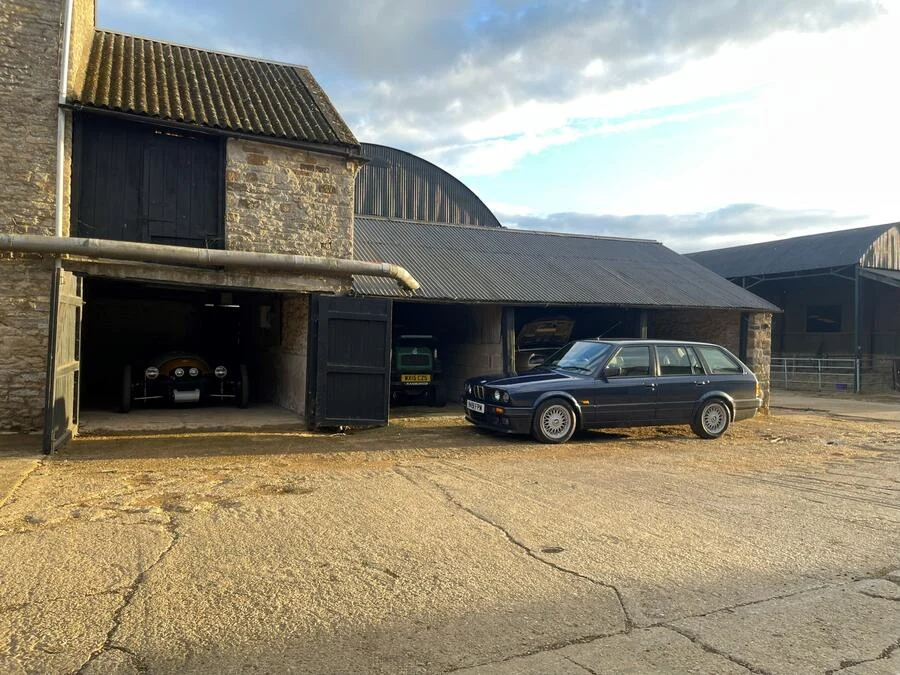
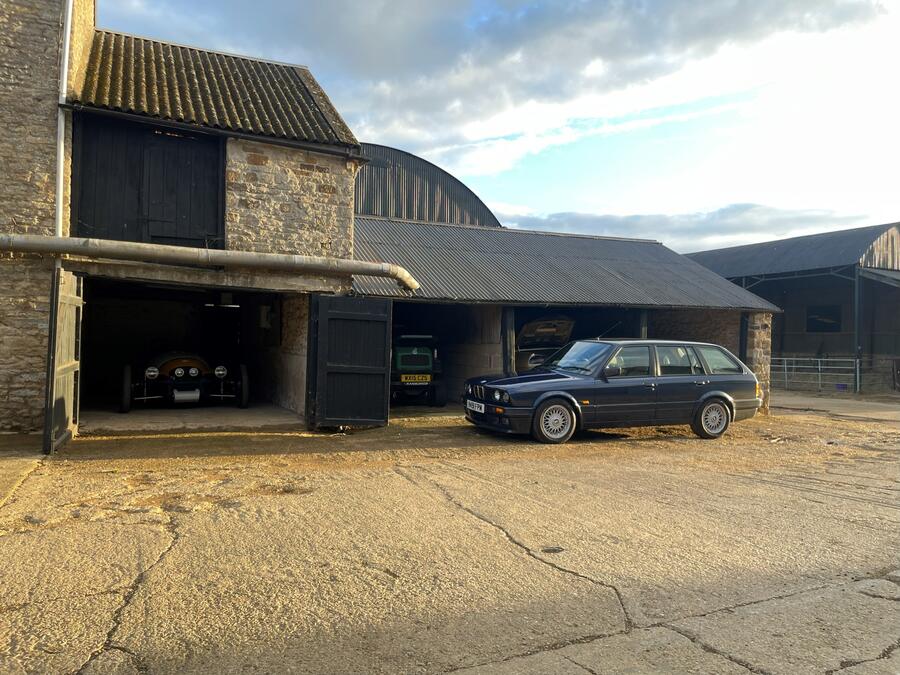
Verpraet’s personal experience with his BMW 3 Series Touring exemplifies this philosophy. By deliberately taking longer routes to and from essential errands like supermarket trips and occasional work assignments within the UK, he has discovered a renewed appreciation for the driving experience. This deliberate choice to extend the journey, to savour the act of driving rather than rushing through it, highlights a fundamental shift in perspective. It is a conscious decision to find pleasure in the process, a concept that resonates deeply with those who view cars as more than mere appliances.
However, Verpraet’s contemplation extends beyond his current BMW. He expresses a desire for a "third car" – a vehicle that would serve as a stark contrast to the everyday traffic and an "event every time." This isn’t a call for a flashy supercar, which he acknowledges is financially out of reach. Instead, his gaze has turned towards the pre-war era of automotive history. The inspiration for this fascination appears to stem, in part, from his recent experience with the Morgan Super 3, a contemporary vehicle that deliberately evokes a vintage driving feel. Verpraet notes how the Super 3 made even low-speed driving engaging, a stark departure from most modern cars designed to numb the driver to the road.
The Allure of the Pre-War Machine
The appeal of a pre-war automobile, for Verpraet, lies in its inherent "uncouthness" and the mechanical engagement it demands. He anticipates that the necessity of techniques like double-declutching, coupled with the unique character of older machinery, would transform ordinary drives into captivating experiences. He admits that his current driving experience with older vehicles is limited to a Series II Land Rover, suggesting a degree of hopeful delusion in his aspirations for a century-old car.
This desire for a pre-war vehicle is not purely an emotional one. Verpraet points to market trends that suggest it might be an opportune moment to acquire such historic machinery. He observes that prices for veteran cars are reportedly softening as the established enthusiast base ages and moves on. This potential market shift could make historically significant vehicles more accessible to a new generation of drivers.
A Glimpse into a 1928 Franklin
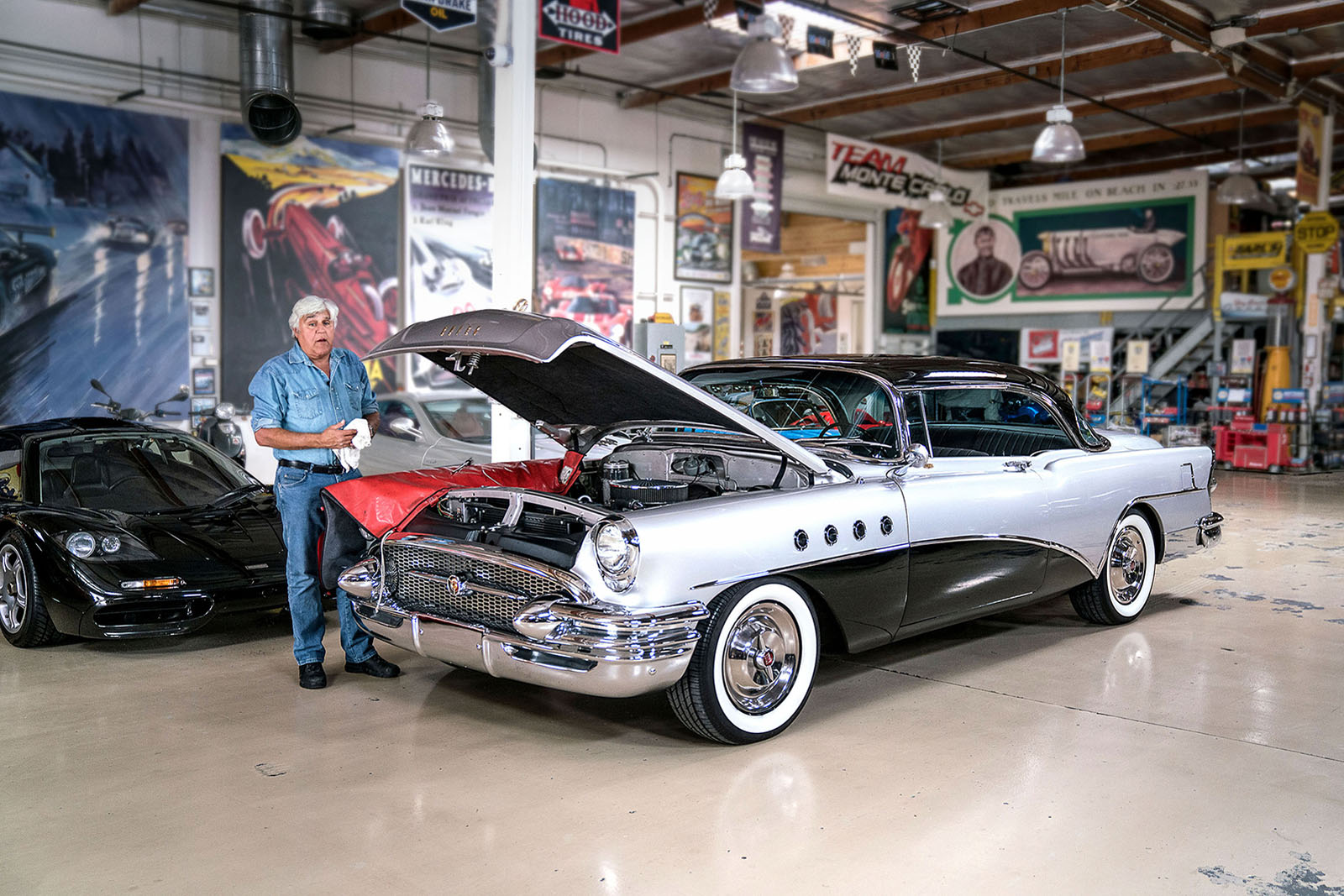
Verpraet’s research has led him to specific examples, such as a 1928 Franklin. This particular model, with its distinctive air-cooled straight-six engine and wooden wheels, has captured his imagination. The concept of an air-cooled engine alone is a significant draw, representing a departure from the ubiquitous water-cooled systems of today. However, the asking price of £13,000 for this vintage automobile, while perhaps representing value in the collector’s market, is deemed too steep for a vehicle intended for "bakery runs." This suggests that Verpraet is not solely interested in a museum piece but in a functional, drivable car that can be integrated into his daily life.
Addressing the Practicalities and the "Madness"
The prospect of owning a car approaching a century in age naturally raises practical questions. Verpraet acknowledges the significant absence of main dealers for marques like Franklin in his local area. This logistical challenge, combined with the inherent complexities of maintaining a vintage vehicle, prompts him to question his own sanity. He muses that perhaps the idea of a "three-car garage" might remain a purely theoretical exercise. However, he expresses an openness to being persuaded otherwise, signaling a genuine desire to explore the feasibility of his pre-war automotive dream.
The Broader Context of Automotive Enjoyment
Verpraet’s musings are not an isolated sentiment. Across the automotive world, there is a growing recognition that the sheer act of driving can be a source of immense pleasure, irrespective of a vehicle’s performance capabilities or monetary value. The rise of vintage rallies, historic motoring events, and the increasing popularity of classic car restorations all point to a deep-seated appreciation for the history and character of automobiles.
The Morgan Super 3, which inspired Verpraet, is itself a testament to this trend. While a modern car, it is engineered to deliver a visceral and engaging driving experience that harks back to a simpler era of motoring. Its open-cockpit design, exposed mechanicals, and direct steering are all features designed to immerse the driver in the act of driving. This resonates with the idea that true automotive enjoyment can be found in mechanical connection and sensory feedback, elements often diminished in contemporary vehicles.
The Economic Landscape of Classic Cars
The observation that prices for veteran cars might be declining is a significant point. Historically, the classic car market has been driven by a passionate but aging demographic. As these enthusiasts pass on, their collections often come to market. This influx of vehicles, coupled with a potential decrease in demand from a younger generation more interested in digital connectivity and sustainable transport, can lead to price adjustments. However, it is crucial to differentiate between the market for highly sought-after collector cars and more accessible, everyday-usable vintage vehicles. While a pristine 1930s Bentley might remain a significant investment, a well-maintained pre-war saloon or tourer could become a more attainable proposition.
Data from various classic car indices, such as Hagerty’s, often show fluctuating trends. While certain segments, particularly blue-chip investment cars, have seen significant appreciation, more utilitarian or less iconic models may experience different market dynamics. For instance, pre-war Austins, Morrises, or Fords, while historically important, might not command the same premiums as their more exotic contemporaries. This creates a potential window for enthusiasts like Verpraet to acquire vehicles that offer character and historical significance without an exorbitant price tag.
The Implications of a Pre-War Daily Driver
The practical implications of running a pre-war car as a daily driver are substantial. Reliability is a primary concern. Unlike modern cars with sophisticated diagnostics and readily available parts, a vintage vehicle requires a different approach. Mechanical knowledge, a willingness to undertake minor repairs, and access to specialized mechanics are essential. Furthermore, safety features are vastly different. The absence of airbags, anti-lock brakes, and advanced crumple zones means drivers must exercise a higher degree of caution and anticipation.
However, these challenges are precisely what contribute to the unique appeal for some. The process of understanding and maintaining a mechanical marvel, the satisfaction of keeping it running smoothly, and the heightened awareness required while driving can be incredibly rewarding. It fosters a deeper connection with the machine and a more engaged relationship with the road.
The "confused looks from passers-by" that Verpraet anticipates are also an integral part of the pre-war car experience. In a world saturated with homogenous modern vehicles, a car from a bygone era stands out as a unique artifact. It sparks conversations, ignites curiosity, and serves as a rolling piece of history. This social interaction, born from the distinctiveness of the vehicle, can add another layer of enjoyment to the driving experience.
Future Prospects and the "Mental Exercise"
Verpraet’s concluding thought – that the "three-car garage is better left as a mental exercise" – reflects a realistic assessment of the challenges. Yet, the persistent desire to be "told otherwise" underscores the allure of such a proposition. It suggests that the dream of piloting a piece of automotive history through the everyday landscape is a powerful one, a potent antidote to the often sterile and disconnected nature of modern motoring.
The future of automotive enthusiasm may well lie in a more diverse spectrum of experiences. While electric vehicles and cutting-edge technology will undoubtedly continue to dominate the mainstream, there will always be a place for those who cherish the mechanical, the historical, and the outright characterful. Whether Verpraet ultimately acquires a pre-war car remains to be seen, but his contemplation highlights a growing desire for a more engaging, more personal, and ultimately, more enjoyable relationship with the automobile. The journey, as he rightly points out, can be as rewarding as the destination, especially when undertaken in a vehicle that makes every mile an event.