Long before the intricate networks of cities and roads transformed its diverse landscape, Europe harbored an extraordinary array of colossal animals, a prehistoric megafauna comparable in scale and majesty to the largest living creatures found in modern Africa. This ancient continent was a realm where elephants weighing over 10 tonnes, heavily armored rhinoceroses, towering bison, and deer sporting antlers of record-breaking proportions roamed freely across vast frozen steppes, lush forests, meandering grasslands, and life-giving rivers. The fossilized remnants of these magnificent beasts have been meticulously unearthed from the rugged coasts of Britain and the Iberian Peninsula to the sun-drenched plains of Italy, the deep forests of Germany, the fertile lands of Poland and Romania, and the expansive territories of European Russia, painting a vivid picture of a truly wild past. While several of these awe-inspiring species also extended their ranges into parts of Asia, the compelling fossil record unequivocally confirms their significant presence and ecological dominance within geographical Europe for millennia.
The Shifting Stages: Europe’s Prehistoric Eras
The existence of these gargantuan animals is deeply intertwined with the dramatic climatic fluctuations that characterized the Pliocene and Pleistocene epochs, spanning roughly 5.3 million years ago to about 11,700 years ago. This period, often dubbed the Ice Age, was not a monolithic block of perpetual cold but rather a dynamic cycle of intense glacial periods, where vast ice sheets covered much of northern Europe, interspersed with warmer interglacial periods that saw climates often milder than today’s. These oscillating conditions profoundly shaped the continent’s ecosystems, driving the evolution, migration, and eventual extinction of its megafauna. During colder phases, the expansive "mammoth steppe" biome — a cold, dry grassland — dominated, stretching from France across Eurasia. Warmer interglacials, conversely, fostered temperate woodlands and richer riverine environments, allowing different species to flourish. Paleontologists, through painstaking analysis of fossil distribution and geological strata, have meticulously reconstructed these environmental shifts, revealing how species adapted, migrated, or perished in response to an ever-changing world. For instance, the presence of specific pollen types alongside megafauna fossils provides invaluable insights into the flora that supported these giants, offering a holistic view of their lost habitats.
Giants of the Proboscidean Lineage: Europe’s Elephants and Mammoths
Among the most iconic and physically imposing of Europe’s ancient inhabitants were its proboscideans – a diverse group encompassing elephants and mammoths. Four distinct species of these magnificent creatures left an indelible mark on the continent’s ecological history.
-
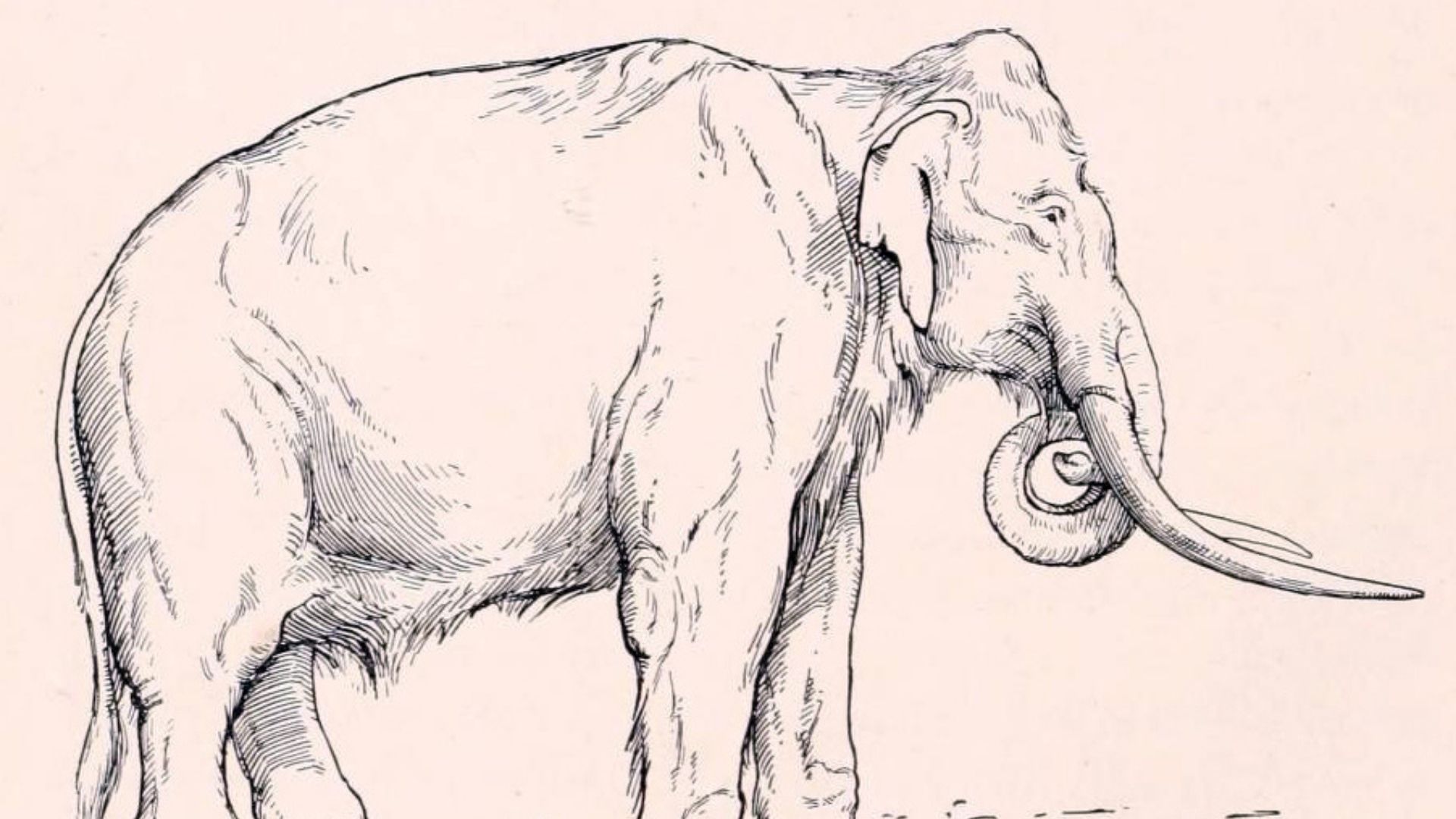
Straight-tusked Elephant (Palaeoloxodon antiquus): This colossal creature was one of prehistoric Europe’s largest land mammals, with mature males reaching an imposing shoulder height of up to four meters and an estimated weight of 10 to 13 tonnes, comfortably surpassing most modern African elephants. Unlike its more famous woolly relatives, the straight-tusked elephant thrived in warmer, temperate woodland and mixed environments, preferring a less extreme climate than the frozen plains associated with mammoths. Its widespread distribution is evidenced by fossils found across Britain, Germany, Italy, Spain, and Greece. Notably, archaeological findings from sites like Neumark-Nord in Germany have revealed butchered remains, indicating that Neanderthals actively hunted and processed these massive animals around 125,000 years ago. This interaction highlights the complex predator-prey dynamics and resourcefulness of early human populations, who were capable of coordinating hunts for such formidable prey. The analysis of these kill sites provides critical data for understanding Neanderthal subsistence strategies and their place within the ancient European food web.
-
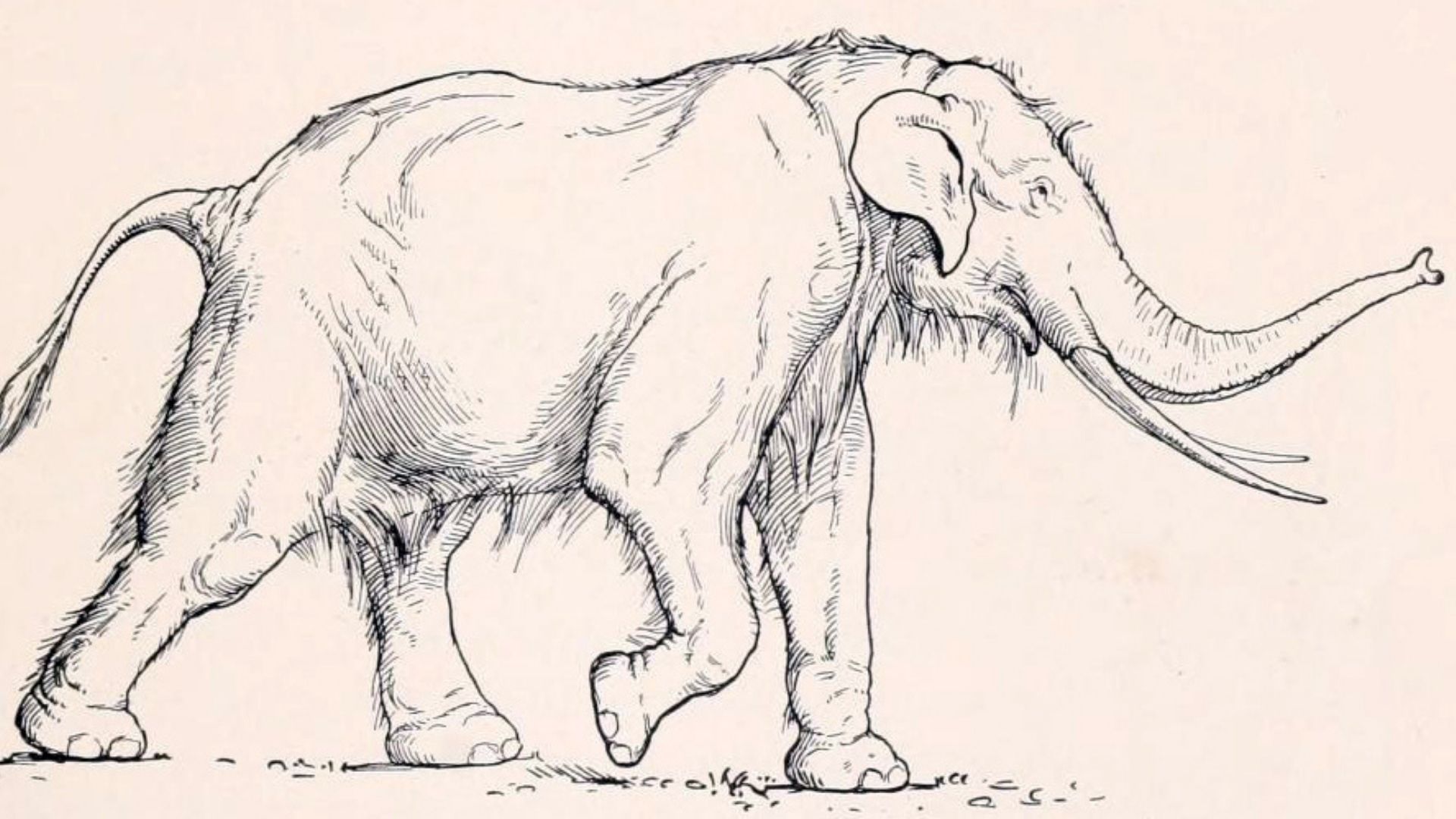
Southern Mammoth (Mammuthus meridionalis): The earliest true mammoth to arrive in Europe, Mammuthus meridionalis migrated from Asia more than two million years ago, marking a significant early chapter in the continent’s megafaunal history. These large individuals stood close to four meters at the shoulder and are estimated to have weighed approximately 10 tonnes. In stark contrast to the later cold-adapted woolly mammoths, the southern mammoth was perfectly suited to temperate woodland and open landscapes, indicative of the warmer Pliocene and early Pleistocene climates. Its remains, discovered in diverse locations such as Italy, Spain, France, Romania, and Britain, underscore its wide migratory capabilities and adaptability to the varying environmental conditions of early Europe. The southern mammoth represents a crucial evolutionary link, laying the groundwork for the more specialized mammoth species that would follow.
-
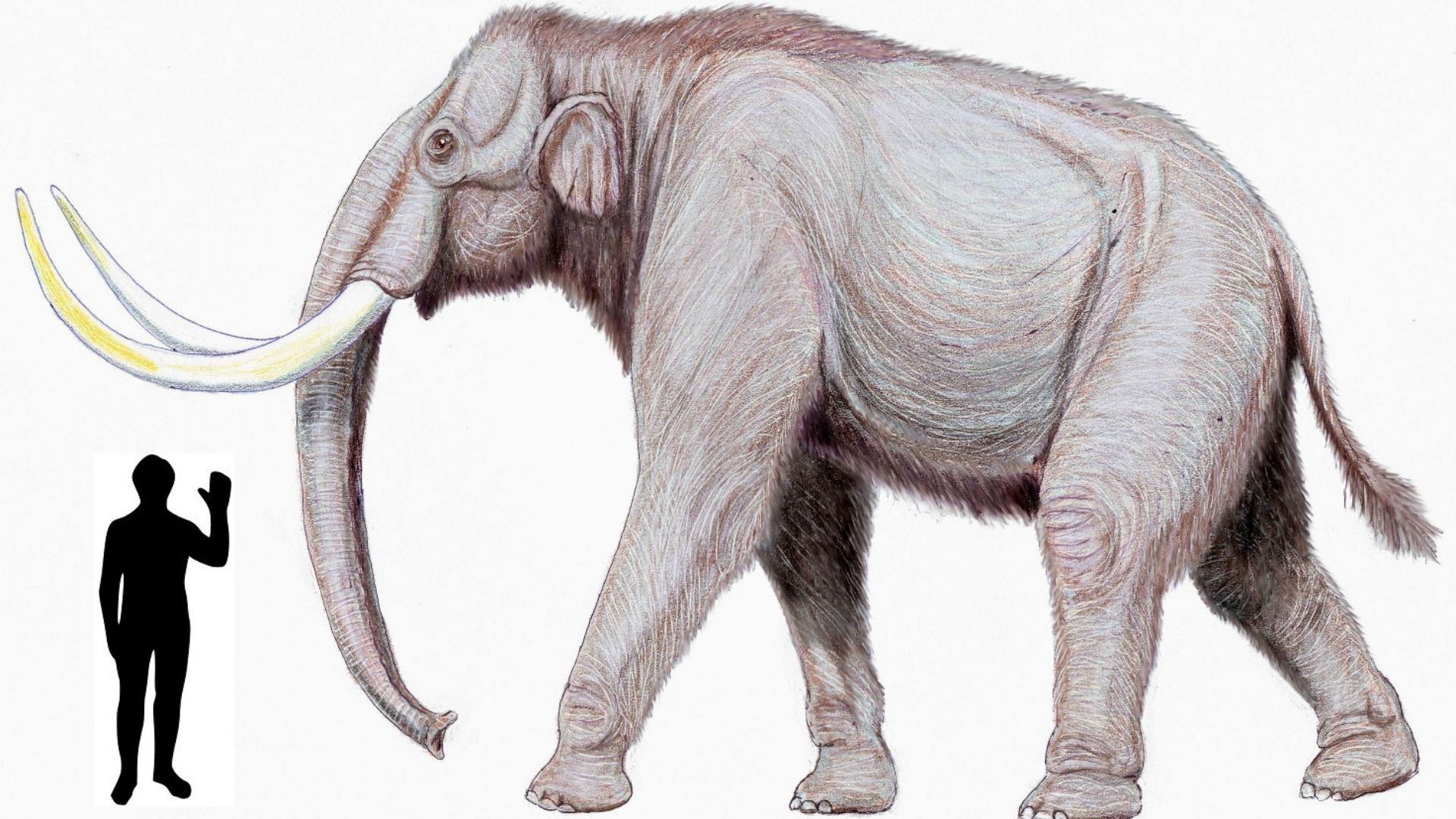
Steppe Mammoth (Mammuthus trogontherii): Before the woolly mammoth became the quintessential symbol of Europe’s Ice Age, the continent was dominated by its larger ancestor, the steppe mammoth. This magnificent animal emerged in the Early Pleistocene and rapidly spread across Europe’s vast open grassland environments, particularly during interglacial periods when the steppe biome expanded. Exceptional males are believed to have stood around 4.5 meters tall, making them possibly the largest of all mammoths, and weighed more than 10 tonnes. Fossils discovered in Britain, Germany, Serbia, and other European nations illustrate its role as an evolutionary bridge, forming a critical link between the earlier southern mammoths and the later, more cold-adapted woolly mammoths. Its existence highlights the ongoing evolutionary pressures and adaptations that shaped proboscidean lineages throughout the Ice Age.
-
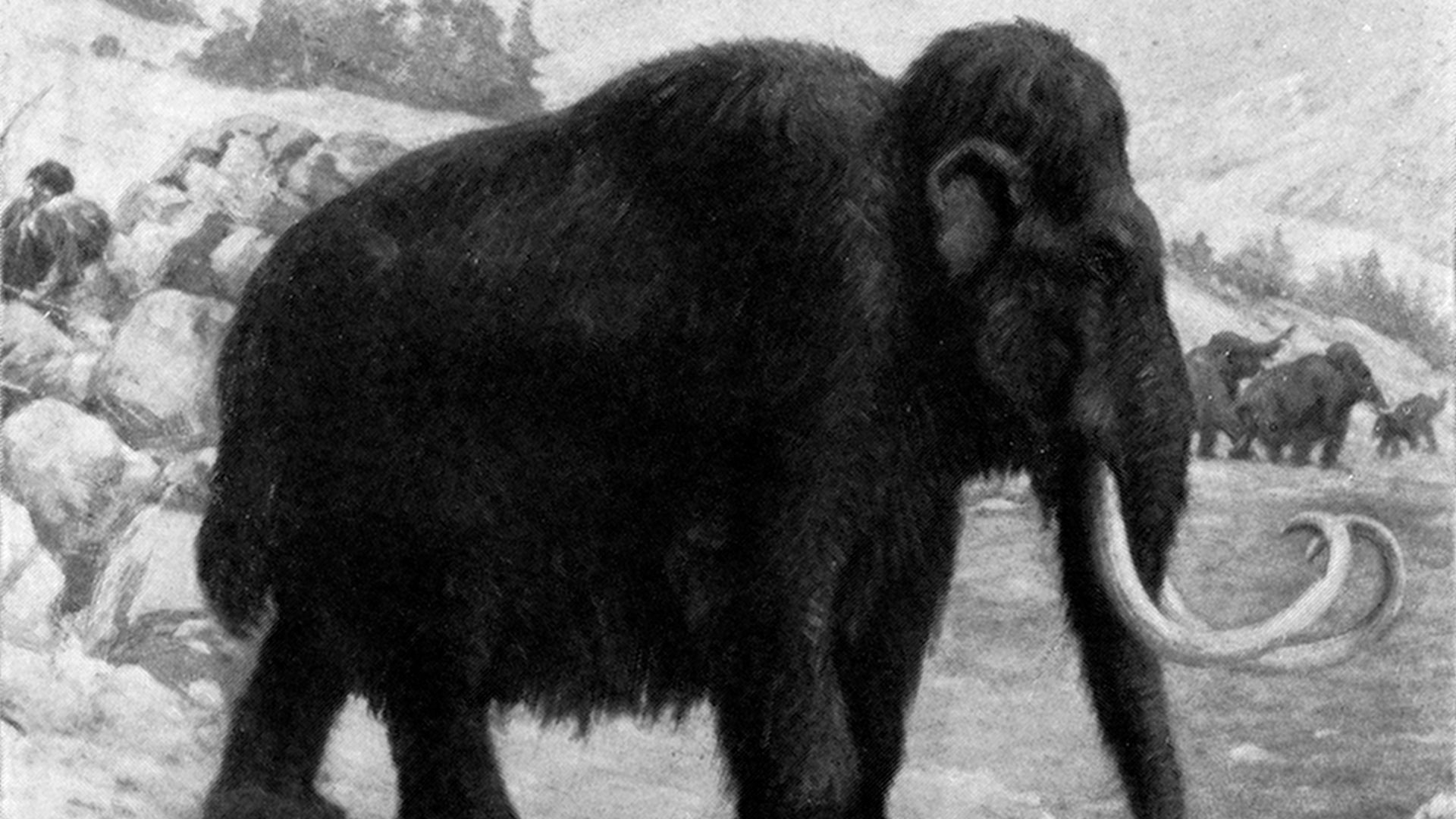
Woolly Mammoth (Mammuthus primigenius): Though generally smaller than its immediate ancestors, the woolly mammoth remained a physically imposing creature and became perhaps the most iconic animal of the late Pleistocene Ice Age. Adult males commonly weighed around six tonnes, equipped with a suite of remarkable adaptations to survive the extreme cold of the mammoth steppe: a dense, shaggy coat of hair, a thick layer of insulating fat, small ears to minimize heat loss, and a compact body shape. These mammoths grazed extensively across the vast "mammoth steppe" biome, which spanned northern, central, and eastern Europe. The rich fossil record, including remarkably preserved specimens found in permafrost, coupled with abundant human tools and prehistoric cave art, demonstrates the profound and repeated encounters between early humans and woolly mammoths. These interactions ranged from hunting and scavenging to symbolic representation in art, underscoring their vital role in the lives and cultures of Paleolithic people. The disappearance of European woolly mammoth populations near the end of the Pleistocene, around 10,000 to 12,000 years ago, is a complex event, likely influenced by a combination of rapid climate change leading to habitat fragmentation and increasing human hunting pressure.
Armored Behemoths: Rhinoceroses of Ancient Europe
Europe also hosted two distinct species of rhinoceroses, each adapted to different environmental niches and equally formidable in their own right.
-
Merck’s Rhinoceros (Stephanorhinus kirchbergensis): Also known as the woodland rhinoceros, Merck’s rhinoceros was a heavyweight of the European Pleistocene, often coexisting with the straight-tusked elephant. Large individuals possibly exceeded three tonnes and are believed to have carried two horns, although the soft horn tissue rarely survives fossilization. This species showed a clear preference for temperate wooded habitats, indicating its prevalence during warmer interglacial periods. Its remains, recovered from Britain, Germany, France, Italy, Poland, and Greece, illustrate a geographical range that expanded and contracted dynamically as glacial and interglacial climates reshaped available habitats across the continent. Its presence signifies the rich biodiversity of Europe’s warmer phases.
-
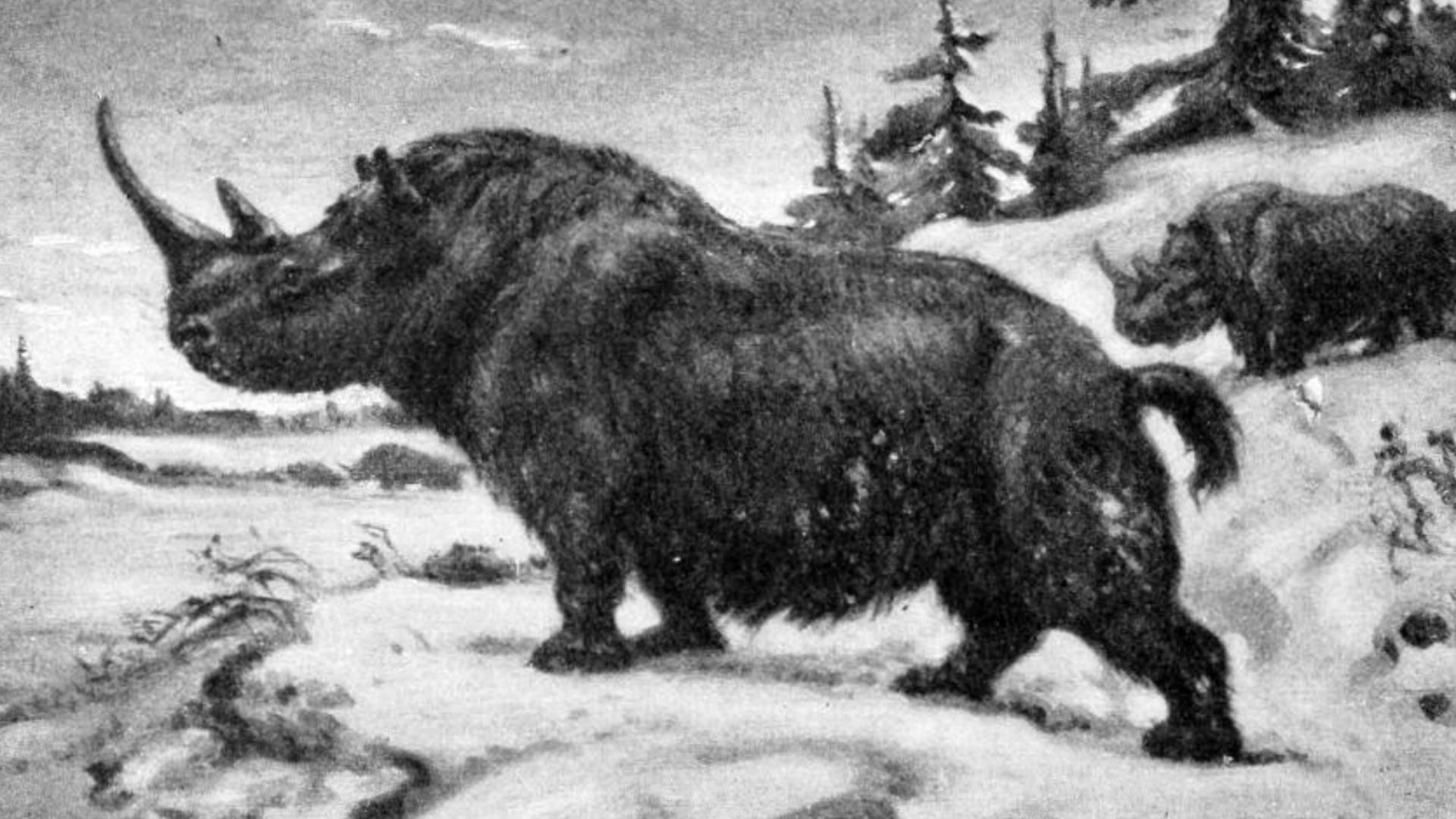
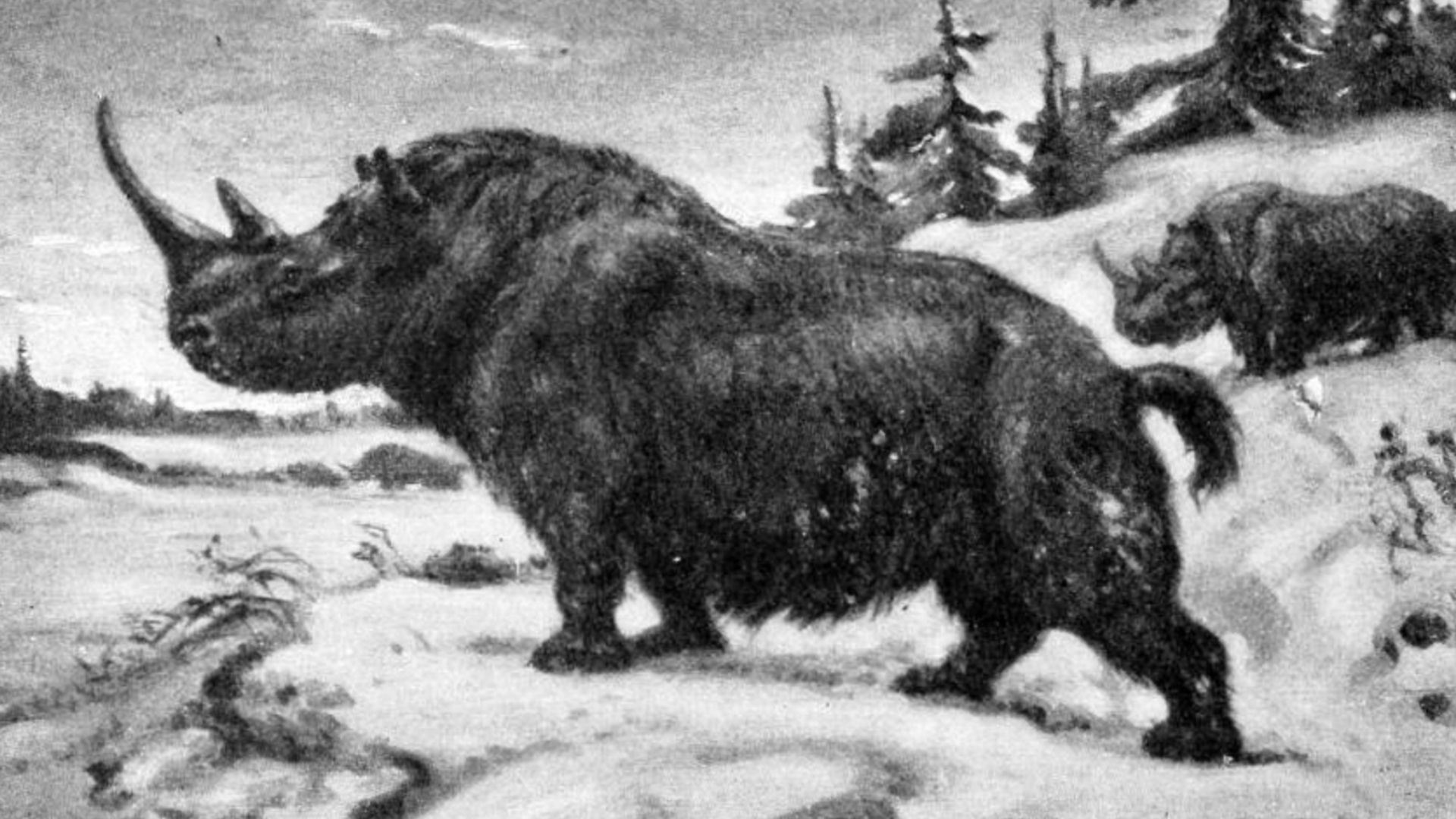
Woolly Rhinoceros (Coelodonta antiquitatis): The woolly rhinoceros was a quintessential Ice Age survivor, meticulously adapted to freezing environments. Standing around two meters at the shoulder and weighing roughly two to three tonnes, it was built for the cold. Its most distinctive features included a thick, shaggy coat, compact proportions to minimize heat loss, and a broad, flattened front horn. Paleontologists hypothesize this unique horn structure may have been used to clear snow from vegetation, allowing access to vital forage during harsh winters. Fossils and vivid cave paintings, found across Britain, France, Germany, Poland, Czechia, and European Russia, confirm its widespread presence on Europe’s treeless steppe. Like the woolly mammoth, it was a significant feature of the prehistoric landscape and a frequent subject in Paleolithic art, before its eventual disappearance during the Late Pleistocene, mirroring the fate of many other megafauna.
Unique Titans: Deinotheres and Giant Hippos
Beyond the more familiar elephants and rhinos, Europe was home to other unique large herbivores that add further depth to its prehistoric menagerie.
-
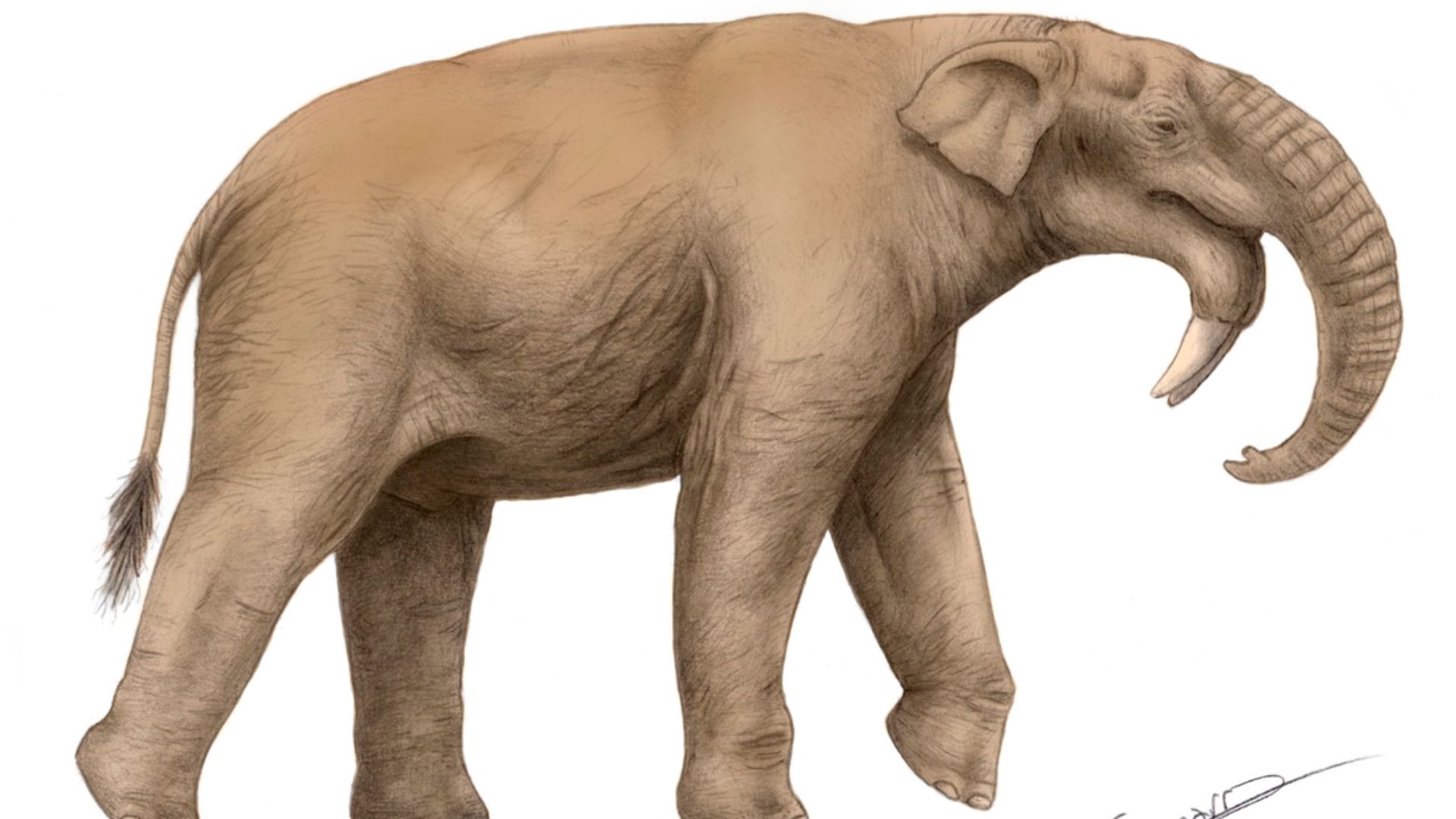
European Deinothere (Deinotherium giganteum): Resembling an elephant but belonging to a distinct, older lineage, the European deinothere possessed a truly unique feature: two downward-curving tusks in its lower jaw. These tusks were likely used for stripping bark from trees or pulling up vegetation. Some specimens suggest these giants may have weighed between 10 and 12 tonnes, though the fragmentary nature of many fossils makes precise reconstruction challenging. Deinotheres inhabited Europe during the Miocene and Pliocene epochs, predating the familiar Ice Age fauna. Their remains have been found across a broad continental range, including Germany, France, Portugal, Austria, Greece, Bulgaria, Romania, and Spain, offering a glimpse into Europe’s even deeper prehistoric past.
-
European Giant Hippopotamus (Hippopotamus antiquus): The presence of the extinct Hippopotamus antiquus in ancient Europe might seem surprising given today’s climate, but it underscores the dramatically different conditions during warmer Pleistocene interglacial intervals. This species was substantially larger than the modern common hippopotamus; three-dimensional reconstructions estimate its weight near 3.2 tonnes, while some bone measurements suggest even larger individuals reaching roughly 4.7 tonnes. It thrived in the rivers and lakes of southern and western Europe, with fossils documenting its presence in Britain, France, Germany, Spain, Italy, and Greece. Its existence is a powerful reminder of Europe’s capacity to support warm-adapted megafauna during periods of climatic amelioration.
Grazers of the Vast Steppe: Bison and Deer of Unprecedented Scale
Rounding out Europe’s gallery of giants were powerful herbivores that grazed the expansive steppes and woodlands, providing a critical food source for both predators and early humans.
-
Steppe Bison (Bison priscus): The steppe bison was a formidable relative of living bison, distinguished by its immense size and impressive horns. Large males could stand around two meters at the shoulder and likely weighed approximately one tonne, making them a powerful force on the ancient grasslands. This species inhabited grasslands stretching from western Europe deep into Eurasia, and its robust form became a recognizable and frequently depicted subject in Paleolithic cave art, testifying to its cultural significance for early humans. Bones found across Britain, Spain, France, Germany, and Poland confirm its widespread presence and its importance as a primary prey animal for large carnivores, including lions, wolves, and humans. The steppe bison played a crucial role in shaping the grassland ecosystems through its grazing habits.
-
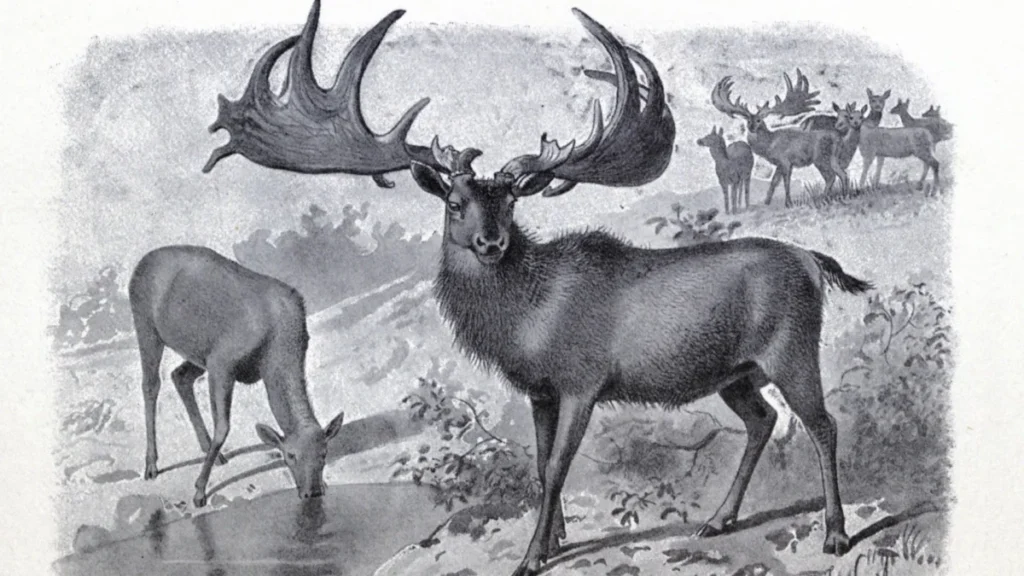
Giant Deer (Megaloceros giganteus): Despite its common moniker, the "Irish elk," Megaloceros giganteus was neither an elk nor exclusively confined to Ireland. Males of this spectacular deer weighed roughly 600 to 700 kilograms, but their most astounding feature was their enormous antlers, which could span an astonishing 3.5 meters across. The function of these colossal antlers remains a subject of scientific debate, with theories ranging from sexual display to deterring predators. The species lived in Europe for hundreds of millennia, occupying open woodland and grassland environments. While its fossils are particularly abundant in Irish lake deposits, findings elsewhere confirm this magnificent deer ranged across much of the continent before its final disappearance around 8,000 years ago, making it one of the last megafauna to vanish from Europe. Its extinction, occurring well after the peak of the Ice Age, highlights the complex interplay of environmental change and potentially human influence in the Holocene epoch.
Echoes of the Past: Human Interaction and the Great Extinction
The presence of these megafauna profoundly shaped the trajectory of early human populations in Europe. From Neanderthals to early Homo sapiens, humans were intricately linked with these giants, viewing them as both formidable threats and invaluable resources. The archaeological record is replete with evidence of human-megafauna interaction: mammoth bone dwellings in Ukraine, sophisticated hunting tools designed for large game, and the breathtaking cave art of Lascaux and Chauvet, which vividly portrays woolly mammoths, woolly rhinoceroses, and steppe bison. These interactions demonstrate not only the hunting prowess of ancient humans but also their deep understanding and symbolic connection to the animals sharing their world.
The ultimate demise of Europe’s megafauna, culminating in the Late Pleistocene extinction event, remains a topic of intense scientific scrutiny. While human hunting pressure (the "overkill hypothesis") is often cited as a significant factor, particularly for species like the woolly mammoth and giant deer, it is widely accepted that rapid and dramatic climate change played an equally, if not more, crucial role. The end of the last glacial period brought about swift environmental shifts: warming temperatures led to the retreat of ice sheets, changes in sea levels, and a fundamental transformation of the "mammoth steppe" into dense forests or wetlands. This habitat fragmentation and loss of preferred grazing lands, combined with the stress of human predation, likely created an insurmountable challenge for many of these specialized large herbivores, leading to their irreversible decline.
Unveiling the Past: Paleontological Discoveries and Interpretations
The journey to understand Europe’s lost giants is an ongoing testament to the dedication of paleontologists and archaeologists. Each fossil discovery contributes a vital piece to the complex puzzle, allowing researchers to refine our understanding of ancient ecosystems, evolutionary pathways, and climatic history. Dr. Elenora Scerri, a prominent researcher in Quaternary archaeology, emphasizes, "Every new site, every fragmented bone, offers fresh data points that allow us to reconstruct the intricate tapestry of life in prehistoric Europe. These aren’t just dead animals; they are chronicles of environmental change and biological resilience." The challenges are immense, from the sheer scale of the excavation work to the meticulous processes of fossil preservation, dating, and reconstruction. Advanced techniques, such as ancient DNA analysis and stable isotope analysis, now provide unprecedented insights into the diets, movements, and genetic relationships of these extinct species, offering a more nuanced picture than ever before. Ongoing research continues to challenge long-held assumptions and reveal new aspects of this incredible prehistoric world.
A Legacy Lost: Ecological Impact and Modern Relevance
The disappearance of Europe’s megafauna permanently altered its ecosystems. These large herbivores were "ecosystem engineers," their grazing, browsing, and trampling activities shaping vegetation structure, nutrient cycling, and seed dispersal. Their extinction left ecological voids, leading to cascading effects that changed plant communities and the dynamics of smaller animal populations. The absence of such large-bodied animals has resulted in a less biodiverse and structurally different landscape than what existed during the Pleistocene.
Beyond the scientific fascination, the story of Europe’s lost giants carries profound implications for our understanding of climate change, biodiversity loss, and the long-term impacts of human activity. It serves as a stark reminder of the fragility of ecosystems and the potential for rapid and dramatic shifts in response to environmental stressors. By studying these past extinctions, scientists gain critical insights into the resilience and vulnerability of modern megafauna, informing current conservation strategies in an era of unprecedented anthropogenic change. The lessons from Europe’s wild past underscore the urgent need for global efforts to mitigate climate change and protect remaining biodiversity.
Conclusion: Europe’s Enduring Wildness
Europe’s prehistoric landscapes once supported an extraordinary collection of giants, from 13-tonne elephants and towering mammoths to heavily built rhinoceroses and enormous deer. Their fossils reveal a continent repeatedly transformed by shifting climates, changing habitats, and the arrival and expansion of human hunters. Although many of these animals also inhabited parts of Asia, fossil evidence confirms that each one lived across regions of geographical Europe, forging unique evolutionary and ecological narratives within the continent. Their disappearance permanently changed European ecosystems, leaving behind a rich legacy of bones, cave art, and archaeological sites as enduring evidence of a much wilder, more majestic past – a testament to a time when Europe truly rivaled Africa in its abundance of colossal life.