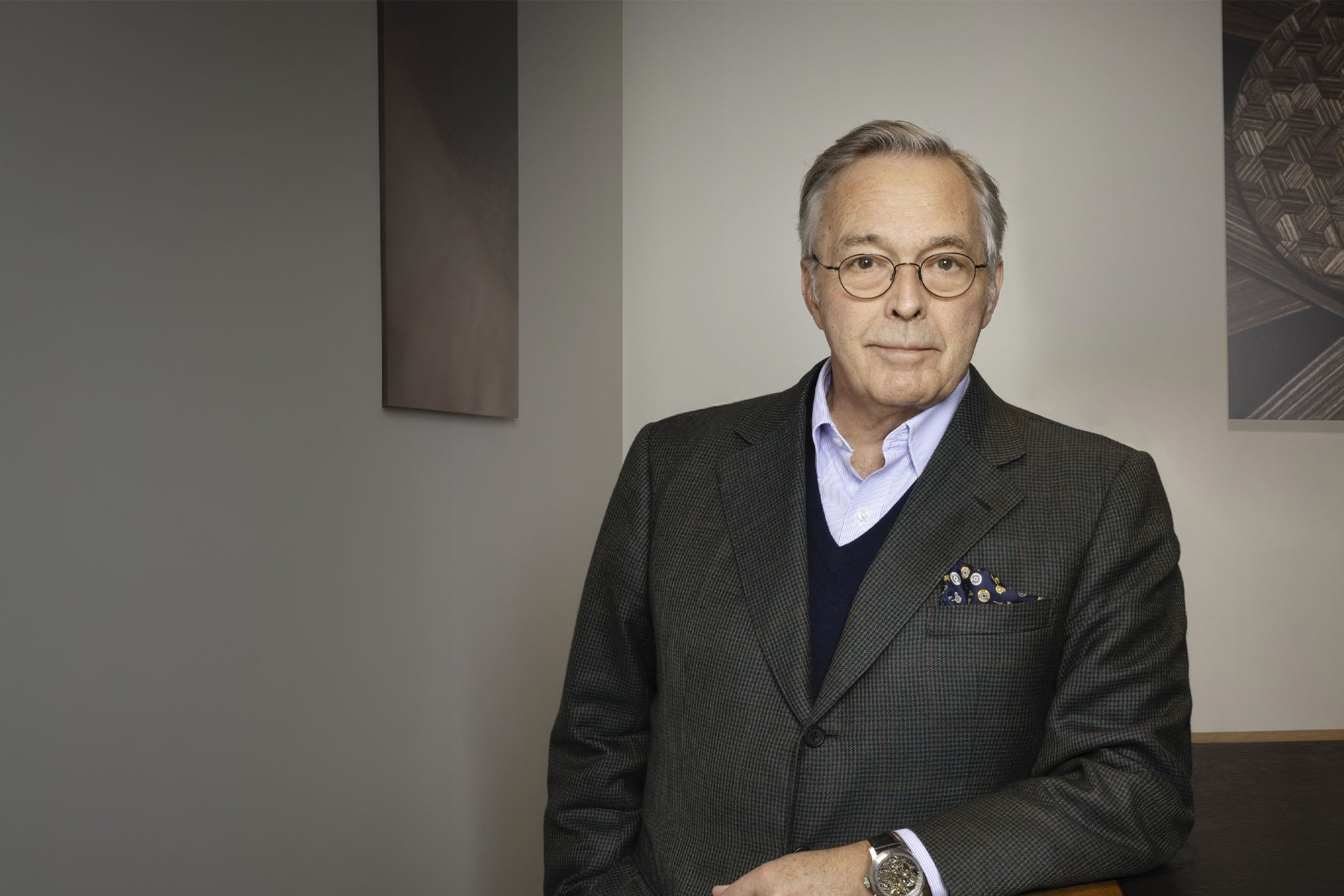
The world of horology, often perceived as a realm of intricate mechanics and historical reverence, is also deeply intertwined with personal passion and individual perspectives. The "Twelve on Time" series, a distinguished conversation format hosted by Monochrome Watches, seeks to bridge this gap by inviting prominent figures from the watch industry to delve beyond their professional roles and articulate their profound connections with time, creativity, and the meticulous craft of watchmaking. This ongoing series aims to illuminate not only the individuals behind the timepieces but also their unique viewpoints within a culture shaped by precision, heritage, and the profound emotions that watches can evoke. In this installment, the series features the always-elegant Karl-Friedrich Scheufele, Co-President of Chopard, a maison synonymous with luxury, innovation, and a deep-seated appreciation for artisanal excellence.
Scheufele’s insights, drawn from his extensive experience at the helm of Chopard, offer a compelling glimpse into the mind of a leader who not only guides a global luxury brand but also harbors a genuine and personal reverence for the art of watchmaking. Through a series of twelve probing questions, the interview unfolds a narrative that touches upon historical influences, aesthetic values, technical appreciation, and the enduring challenges and future trajectory of the watch industry.
A Monumental Shift: The Ferdinand Berthoud Astronomical Watch
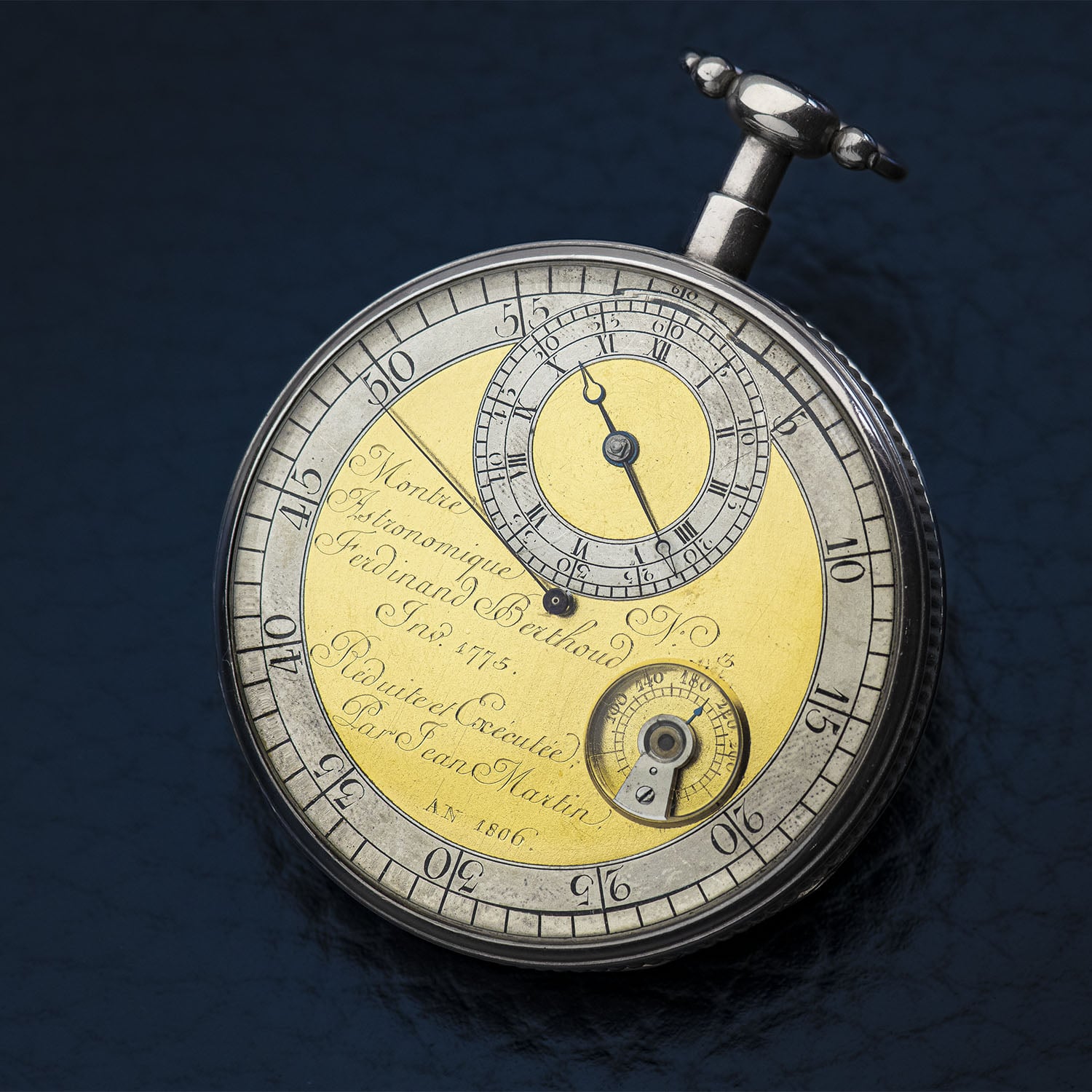
When asked about the watch that fundamentally altered his perspective on watchmaking, Scheufele’s response immediately points to a historical artifact of immense significance: the Ferdinand Berthoud Astronomical Watch No. 3. Conceived by the legendary 18th-century watchmaker Ferdinand Berthoud in 1775 and meticulously executed by Jean Martin in 1806, this timepiece joined Chopard’s esteemed museum collection in Fleurier. This choice is not merely an appreciation for a beautiful object; it signifies a deep recognition of the ingenuity and pioneering spirit that defined early horology.
Ferdinand Berthoud, a master chronometer maker to the French Navy, was at the forefront of developing marine chronometers that were crucial for maritime navigation. His work on these complex instruments, designed to withstand the rigors of sea voyages and maintain exceptional accuracy, laid critical groundwork for the future of precision timekeeping. The Astronomical Watch No. 3, a testament to his legacy, embodies a period when the very principles of accurate time measurement were being codified. Its existence, centuries after its conception, and its recreation by skilled artisans, speaks volumes about the enduring power of design and engineering. For Scheufele, this watch represents not just a historical artifact but a paradigm shift, a tangible link to the foundational moments of watchmaking that continue to inspire.
The Pillars of Horological Excellence
Beyond the singular impact of historical pieces, Scheufele articulates the core qualities he values most in a watch. While acknowledging the difficulty of isolating a single attribute, he emphasizes a triad of essential elements: timeless design, the quality of craftsmanship and finishing, and unwavering precision. These three pillars underscore a holistic appreciation for a timepiece, extending from its aesthetic appeal to the invisible dedication embedded within its construction.
Timeless design speaks to enduring beauty that transcends fleeting trends, a characteristic Chopard itself strives to embody in its creations. The quality of craftsmanship and finishing, as Scheufele elaborates later in the interview, involves an almost obsessive attention to detail, evident in every facet of the watch, both seen and unseen. Precision, the very essence of horology, remains the ultimate measure of a mechanical watch’s success. This commitment to these fundamental qualities reflects a philosophy that prioritizes substance, artistry, and accuracy over superficial allure.
The Captivating Allure of the Minute Repeater
When the conversation turns to complications, Scheufele’s preference for the minute repeater is a clear indication of his appreciation for the more poetic and sonically rich aspects of watchmaking. The minute repeater, a complication that chimes the hours, quarters, and minutes on demand, adds an auditory dimension to the visual and tactile experience of a watch. It is a testament to extreme mechanical complexity and a sophisticated understanding of acoustics.
The ability of a watch to not only tell time but also to sing it is a marvel of micro-engineering. The intricate assembly of hammers, gongs, and racks required to produce a clear and melodious chime is a feat that has captivated collectors and watchmakers for centuries. For Scheufele, this acoustic dimension elevates the minute repeater beyond mere functionality, imbuing it with an emotional resonance that is both deeply personal and universally appreciated. It is a complication that embodies the pinnacle of artisanal watchmaking, demanding not only technical prowess but also a refined sense of aesthetic harmony.
Navigating Modern Horological Trends
In an industry constantly evolving, Scheufele addresses the current landscape of modern watchmaking with a discerning eye. When questioned about overrated trends, he refrains from singling out any particular stylistic movement, such as the resurgence of smaller, time-only watches. Instead, he highlights a more concerning trend that is thankfully waning: the practice of buying watches solely for speculative investment. This phenomenon, which prioritizes the potential for financial gain over the intrinsic value and appreciation of a timepiece, can distort the true spirit of watch collecting.
Scheufele’s perspective suggests a belief that the true value of a watch lies in its artistry, its mechanical ingenuity, and its personal connection to the wearer, rather than its fluctuating market price. The observation that this speculative trend is losing momentum offers a positive outlook for the industry, signaling a potential return to a more authentic appreciation for horology.
The Tell-Tale Signs of Meticulous Craftsmanship
The discerning eye of a seasoned watchmaker like Scheufele can detect the subtle nuances that distinguish a mass-produced item from a meticulously crafted masterpiece. He points to the detailing and finishing of watch cases and movements as immediate indicators of care and dedication. It is in these often-hidden elements that the true artistry of watchmaking reveals itself.
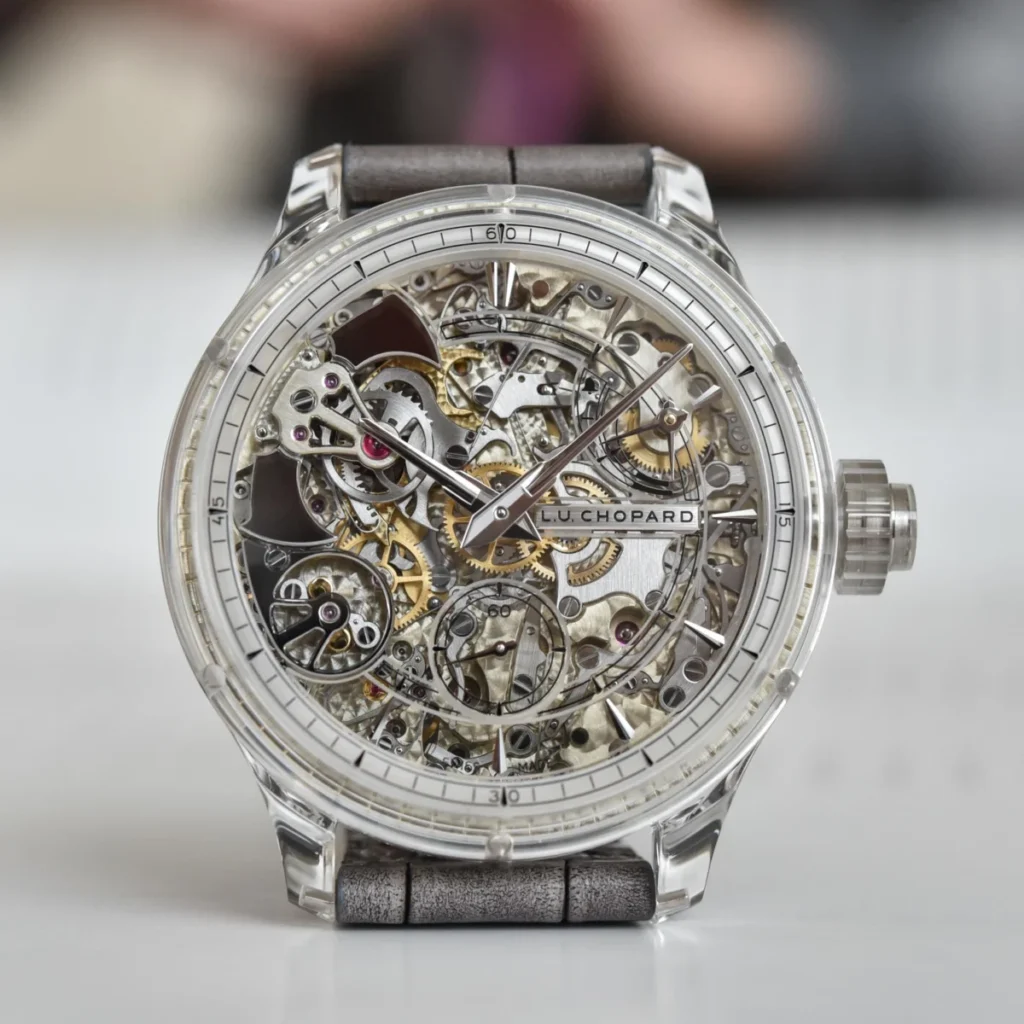
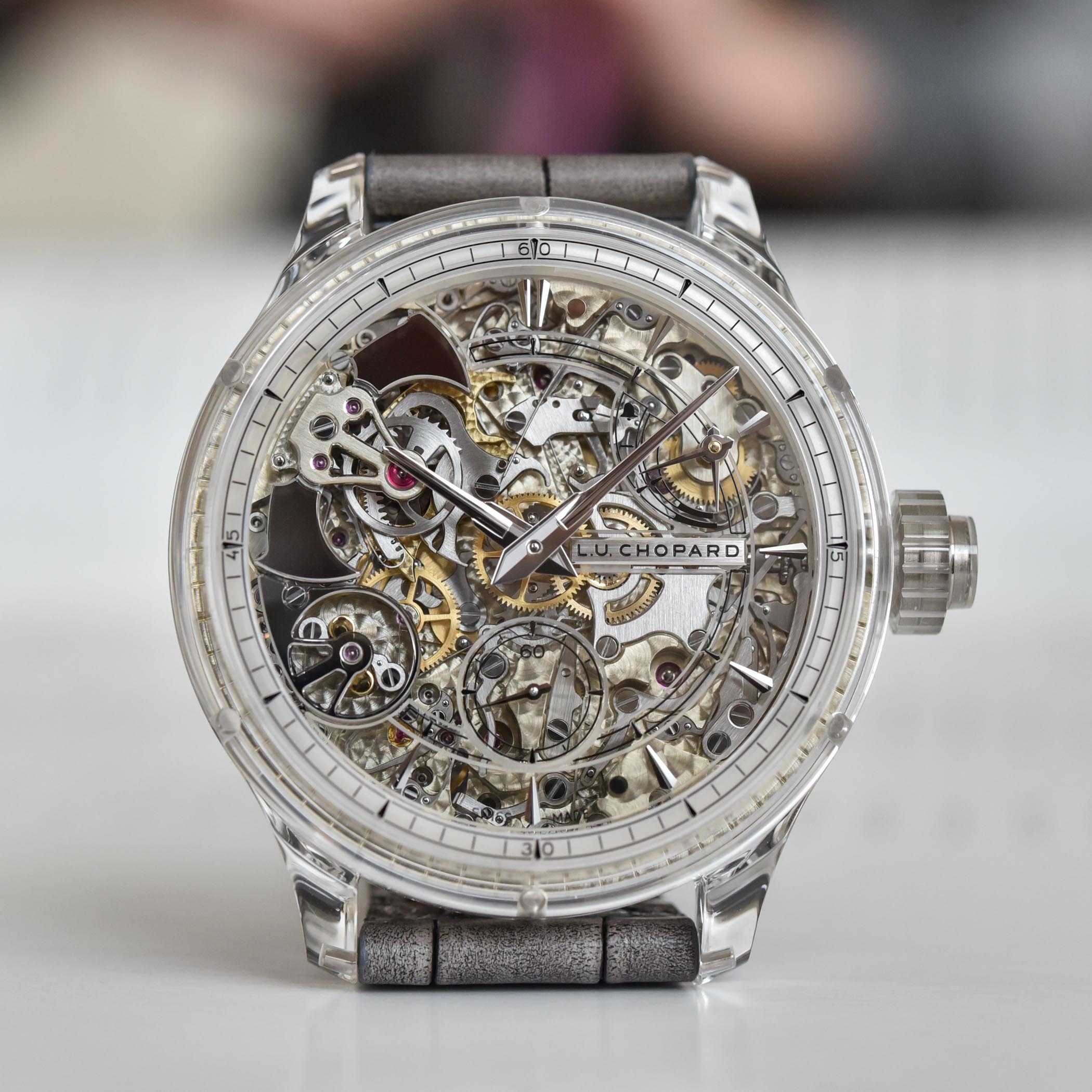
This extends beyond superficial polishing; it involves the intricate bevelling of bridges, the perlage on plates, the hand-finishing of screws, and the precise execution of even the smallest components. These are the details that, even when not readily visible to the casual observer, speak volumes about the artisan’s commitment to excellence. For Scheufele, a watch made with care is one where every component, regardless of its visibility, has been treated with the utmost respect and skill. This is a philosophy that Chopard, particularly within its L.U.C. Haute Horlogerie collections, has consistently championed.
The Democratization of Time and its Enduring Legacy
Reflecting on the moments that have most profoundly shaped watchmaking as it is known today, Scheufele identifies a pivotal shift: the introduction of mechanical wristwatches that became more accessible to a wider audience. This democratization of a once-exclusive craft marked a significant turning point, transforming watches from rare instruments for the elite into personal accessories for a broader populace.
The advent of the wristwatch itself, a development that gained momentum in the early 20th century, revolutionized how people interacted with time. As mechanical watchmaking evolved and production methods became more efficient, these intricate devices moved beyond the pocket and onto the wrist, becoming integral to daily life. This widespread adoption fostered a greater appreciation for the art of horology and laid the groundwork for the vibrant industry that exists today, one that continues to build upon this legacy of accessibility and innovation.
The Crucial Challenge: Inspiring the Next Generation
Despite the industry’s rich history and sophisticated present, Scheufele identifies a significant challenge facing the watch world today: transmitting the passion for mechanical watches to younger generations and preserving the invaluable heritage of craftsmanship. In an era dominated by digital interfaces and instant gratification, capturing the attention and imagination of younger consumers for the slow, deliberate, and intricate world of mechanical watchmaking is a formidable task.
This challenge extends beyond mere marketing; it involves educating and engaging a new audience about the intrinsic value of mechanical timepieces – their artistry, their engineering, their connection to history, and their sustainability as objects designed to last for generations. Furthermore, ensuring that the traditional skills and knowledge of artisanal watchmaking are passed down to aspiring craftspeople is paramount to the industry’s continued vitality. The success of this endeavor will determine the future of horology and its enduring relevance.
A Symphony of Influences: From Classic Cars to Nature
Scheufele’s creative wellspring is not confined to the realm of horology alone. He draws inspiration from a diverse array of sources, including the world of antique watchmaking, classic cars, visual arts, and, perhaps most surprisingly, nature. This multifaceted approach highlights a mind that sees connections and beauty across different disciplines, infusing his work with a rich tapestry of influences.
The elegance and engineering prowess of classic cars, much like vintage watches, often embody a blend of form and function, craftsmanship and performance. Visual arts provide a lens through which to appreciate aesthetics, color, and form. Nature, with its inherent complexity, beauty, and intricate systems, offers a profound source of inspiration for design and innovation. This broad spectrum of influences suggests a deeply contemplative and creative individual, one who seeks beauty and excellence in all its manifestations.
The Lingering Dream: Ferdinand Berthoud’s Masterpiece
When presented with the hypothetical opportunity to have created any watch, Scheufele reiterates his profound admiration for Ferdinand Berthoud’s Astronomical Watch No. 3. His wish to have conceived this piece underscores not only its technical brilliance but also the sheer audacity and ingenuity required to create such a complex instrument with the limited means available in the late 18th century. It is a testament to the power of human intellect and dedication to pushing the boundaries of what was thought possible.

A Personal Icon: The Chopard L.U.C 1860
While his public persona is dedicated to the esteemed Chopard brand, Scheufele reveals a personal favorite that holds deep significance: the original Chopard L.U.C 1860. This watch, powered by the brand’s first in-house caliber, 1.96, represents a pivotal moment in Chopard’s history – the establishment of its own manufacture and the commencement of its journey into high horology.
The L.U.C 1860 is not merely a watch; it is a symbol of ambition, self-reliance, and a commitment to creating timepieces of exceptional quality and independent design. Its enduring appeal for Scheufele speaks to the personal pride and satisfaction derived from achieving a significant milestone and creating a piece that embodies the core values of the brand. It is a watch worn not for show, but for personal connection and remembrance of a crucial chapter in Chopard’s narrative.
The Guiding Light of Ferdinand Berthoud
When asked about the personality that has most shaped his view of watchmaking, Scheufele again points to Ferdinand Berthoud. The 18th-century master’s willingness to share his extensive knowledge through numerous publications, even in an era when such information was often closely guarded, had a profound impact. Berthoud’s commitment to dissemination of knowledge, alongside his technical brilliance, laid a foundation for future generations of watchmakers and fostered a culture of shared learning and advancement within the field. This act of intellectual generosity, coupled with his mastery of the craft, solidifies Berthoud’s position as a guiding light in the history of horology.
Wisdom for the Aspiring Collector
Scheufele concludes his reflections with sage advice for younger collectors embarking on their watch-buying journeys. He urges them to focus on the fundamental qualities he has espoused throughout the interview: timeless design, superior craftsmanship and finishing, and precision. More importantly, he encourages introspection, asking themselves a crucial question: "Will they still appreciate a given timepiece in ten years?"
This forward-looking perspective is vital in an industry susceptible to fleeting trends and speculative fervor. It encourages a deeper, more meaningful relationship with watches, emphasizing longevity of appreciation over transient desirability. By prioritizing intrinsic value and personal connection, younger collectors can build portfolios of timepieces that will bring enduring joy and satisfaction, becoming treasured heirlooms rather than mere commodities. Karl-Friedrich Scheufele’s insights offer a profound reminder that at the heart of every exceptional watch lies not just precision engineering, but a deep wellspring of human passion, creativity, and a timeless pursuit of excellence.